Mariandale's Older Homes Deserve More Than a Guess
Licensed asbestos abatement for Mariandale’s riverfront neighborhood backed by verified credentials, free inspections, and over 5,000 completed projects across Westchester County.
I needed a professional consultation explanation of procedure for safe removal of Asbestos in my apartment complex. Without having an account yet, I was very impressed with the caring, knowledgeable and generous advice offered by Jessica, and will look forward to doing business in the future. Thank you so much! I feel much more informed about a sometimes scary endeavor. Peace. Nancy Silva Mineola, NY.
Mia Munoz
Used this company to clean up some water flood in my house. They were fast and easy to work with.very professional, Would recommend to anyone!
Nini Valle
Great company, had a flood and they responded quickly and efficiently. Billed my insurance company directly. I highly recommend this company!
joe colapietro, jr
I had pipe freeze in my basement right before a snow storm and they made to within an hour to help start the clean up process. They we by our side throughout the entire process and even helped with the insurance company. They did such a great job with the cleanup, repair, remidiation, I contracted them to perform the repairs and finishes in the basement. They came with enough manpower and material to get the job done. Leo and Jessica were nothing but a pleasure to deal with!!
Cristian Arredondo c
I had some water damage in my home and Green Island was able to take care of my issue quickly and effectively. I am very pleased with the work they did. They responded quickly and were very professional.
Michael M
Outstanding service! From the office to the field crew everyone was friendly, helpful and responsive. I highly recommend Green Island Group.
Most people don’t go looking for asbestos. They find it mid-renovation, after a flood, or when a contractor pulls up old floor tiles and stops cold. That moment where a project you planned turns into a situation you didn’t is exactly where this work matters most.
In Mariandale, the housing stock tells the whole story. A significant portion of homes and apartment buildings in this neighborhood were built between the 1940s and the late 1970s, which is precisely the window when asbestos-containing materials were standard. Vinyl floor tiles, popcorn ceilings, pipe insulation, duct wrap these weren’t unusual choices back then. They were the norm. And because Mariandale sits along the Hudson River, flooding events add another layer. When water gets into an older building and disturbs those materials, you’re no longer just dealing with water damage. You’re dealing with a regulated hazardous material that requires a licensed contractor before restoration work can even begin.
What changes after proper abatement is straightforward: the hazard is gone, documented, and cleared. You have air quality results in writing. You have a waste disposal manifest showing exactly where the material went. If you’re selling, that paperwork protects the transaction. If you’re a landlord, it protects you from liability. If you just want to finish your renovation, it means the work can move forward legally and safely.
We hold the full credential stack required to legally perform asbestos abatement in New York NYS Department of Labor asbestos handling license, EPA certification, and Westchester County contractor approval. These aren’t claims. They’re public records you can look up on the NYS DOL’s contractor database before you ever pick up the phone.
We’re also M/WBE certified by the NYS Office of General Services and an approved New York State agency contractor a designation that requires documented compliance history, insurance minimums, and a safety record that holds up to state-level review. With over 5,000 completed projects across the New York metro area, we’ve worked in the exact type of older, mixed-use residential and multi-family buildings that make up the Mariandale and broader Ossining housing inventory.
This isn’t a franchise. We’re a team that knows Westchester County’s regulatory environment, understands how Hudson Valley building stock ages, and shows up with the documentation to prove the work was done right.
It starts with a free on-site inspection. One of our representatives comes to your property, assesses the suspected materials, and gives you a straight answer about what’s there, what’s regulated, and what needs to happen next. No charge for that visit, no obligation to book. You just get clarity.
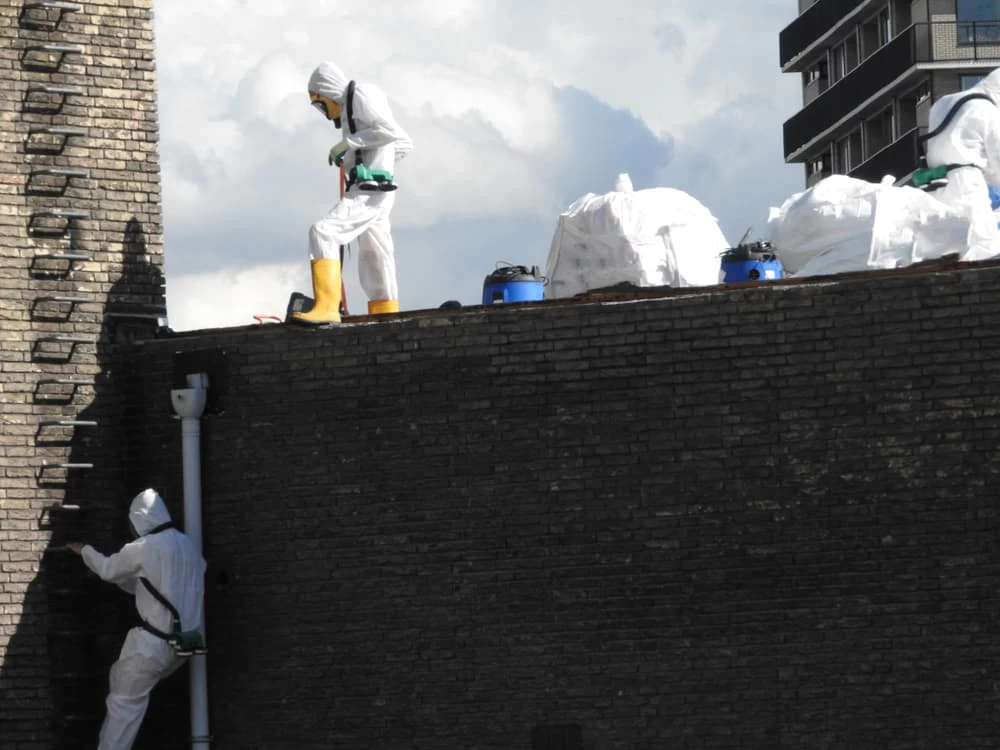
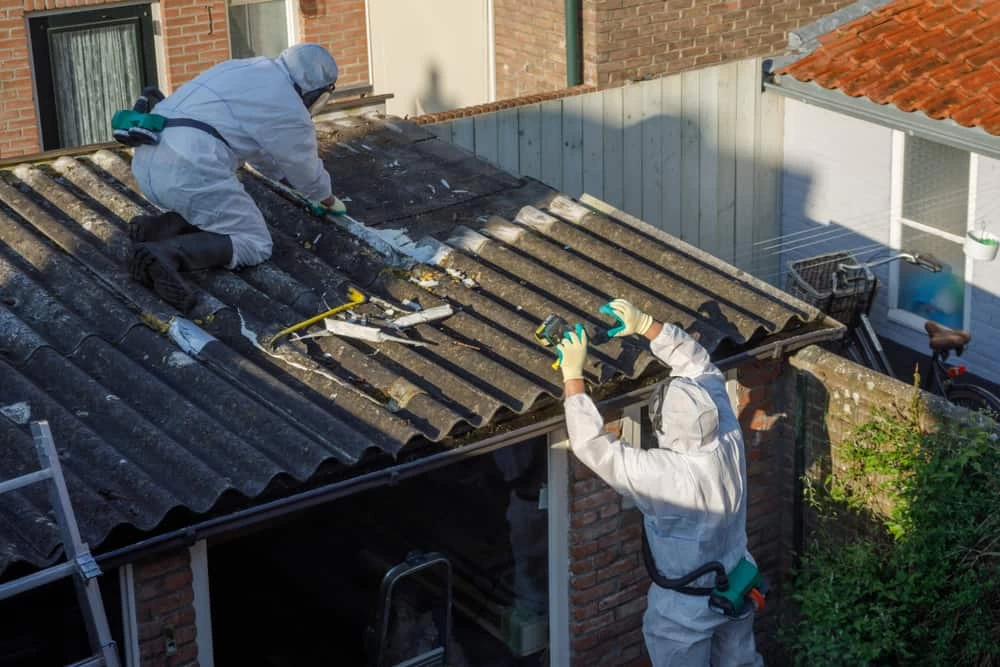
If abatement is needed, we scope and schedule the project around your timeline. Under NYS Industrial Code Rule 56 New York’s asbestos abatement regulation, which goes beyond federal OSHA standards every project requires proper containment, air monitoring during the work, and clearance testing after. We handle all of it. Containment is set up to isolate the work area, materials are removed and bagged following state protocol, and a licensed third-party air monitor confirms fiber counts are within safe limits before the space is released.
Once clearance is confirmed, you receive the full documentation package: air testing results, waste disposal manifests with chain-of-custody records, and written clearance certification. For Mariandale property owners dealing with flood-related abatement which is a real and recurring scenario in this riverfront neighborhood we also work directly with insurance carriers, handling billing on your behalf so you’re not stuck in the middle of a claim while managing a remediation project at the same time.
Asbestos rarely shows up as just one thing. In the pre-1980 buildings that make up a large portion of Mariandale’s residential inventory, it’s common to find multiple material types present at once vinyl asbestos floor tiles in the kitchen and bathrooms, acoustic ceiling texture in the living areas, pipe insulation wrapping the heating system, and asbestos-containing joint compound behind the walls. We handle all of it under one contractor relationship, which means no gaps in scope, no coordinating between multiple vendors, and one clear point of contact from inspection through clearance.
Our services include asbestos tile removal, popcorn ceiling removal, pipe and duct insulation abatement, drywall and joint compound remediation, and full-building surveys for multi-family and commercial properties. For landlords managing older rental units in Ossining where tenant occupancy, regulatory compliance, and liability exposure all intersect the post-abatement documentation package is a standard deliverable, not an add-on. Air clearance results, disposal manifests, and written certification come with every project.
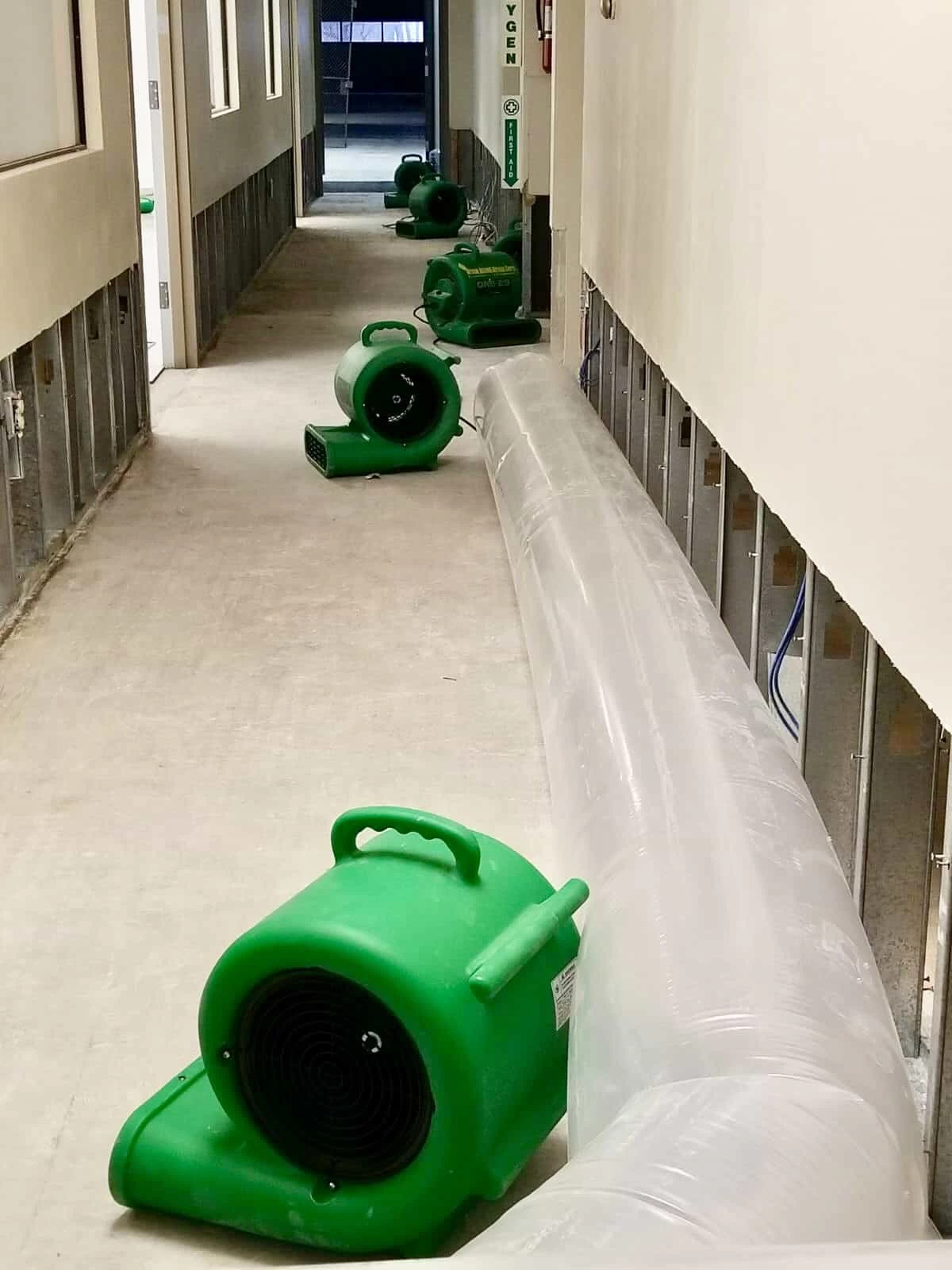
For property owners navigating a water damage event alongside an asbestos concern a situation that comes up regularly in Mariandale given its position along the Hudson River flood corridor our combined water damage restoration and abatement capability means the entire scope is handled as one integrated project, billed directly to your insurance carrier.
Does my older Mariandale home actually need professional asbestos abatement?
If your home was built before 1980 and you’re planning any renovation that disturbs walls, floors, ceilings, or mechanical systems, the honest answer is: you need to find out before you start. New York State’s Industrial Code Rule 56 requires that asbestos-containing materials be identified and properly managed before renovation work begins. That’s not optional, and it applies whether you’re doing a full gut renovation or just pulling up old floor tiles.
In Mariandale specifically, the pre-WWII and mid-century housing stock means the materials most likely to contain asbestos 9×9 and 12×12 vinyl floor tiles, acoustic ceiling spray, pipe insulation, and drywall joint compound are extremely common. The only way to know for certain whether what you’re looking at contains asbestos is to have it tested by a licensed inspector. Our free on-site inspection is the fastest way to get that answer without spending money before you know what you’re dealing with.
How much does asbestos removal typically cost in Westchester County?
Cost depends on the type of material, the quantity, the accessibility of the work area, and whether the space is occupied during the project. A single-room vinyl tile removal in a Mariandale home might run in the range of $1,500 to $3,500. A larger scope multiple material types in a multi-family building, or a full popcorn ceiling removal across several rooms can run considerably higher, sometimes $8,000 to $15,000 or more depending on square footage and complexity.
What drives cost in Westchester County specifically is the regulatory compliance layer. NYS Industrial Code Rule 56 requires containment setup, air monitoring during the work, and third-party clearance testing after. Those aren’t optional line items they’re legal requirements. Any quote that doesn’t include them should raise a flag. We provide itemized estimates after the free inspection so you know exactly what you’re paying for and why, with no scope surprises after the project starts.
What happens if flooding in my Mariandale building disturbs asbestos materials?
This is one of the more common scenarios in Mariandale, and it’s one where a lot of property owners don’t realize they’ve crossed from a water damage situation into a regulated hazardous material situation. When flood water intrudes into a pre-1980 building and lifts vinyl floor tiles, saturates pipe insulation, or compromises duct wrap, those materials may release asbestos fibers into the air. At that point, restoration work cannot legally proceed until the asbestos is addressed by a licensed abatement contractor.
The practical implication is that your water damage restoration timeline depends on getting the abatement done first. We handle both services, which means you’re not waiting for one contractor to finish before another one can start. The abatement and restoration are coordinated as a single project. And because flooding events are often covered under homeowners or commercial property insurance, we bill the carrier directly so you’re not managing the claim paperwork on top of everything else.
How long does asbestos abatement take from inspection to clearance?
For a straightforward single-material project in a Mariandale home say, vinyl tile removal in one room the actual abatement work typically takes one to two days. Add the inspection visit beforehand and the clearance air testing afterward, and the full process from first contact to cleared documentation is usually five to ten business days depending on scheduling and project complexity.
Larger scopes take longer. A multi-room popcorn ceiling removal, a full pipe insulation project in an older apartment building, or a situation where multiple material types need to be addressed simultaneously will extend the timeline. What doesn’t change regardless of scope is the clearance requirement under New York State regulations, the space cannot be released for reoccupancy or continued renovation until air testing confirms fiber counts are within safe limits. We build that clearance step into every project timeline from the start, so there are no delays caused by missing a regulatory requirement at the end.
Can asbestos abatement be done while my property is occupied?
In some cases, yes but it depends on the location of the work, the material type, and the containment setup. NYS Industrial Code Rule 56 requires that the work area be isolated with proper negative air pressure containment before any disturbance of asbestos-containing materials begins. If the affected area can be fully isolated from the occupied portions of the building, work can sometimes proceed while other parts of the property remain in use.
For multi-family buildings in Ossining where tenant displacement is a real operational and legal concern this question comes up frequently. The answer depends on a site-specific assessment. We evaluate the layout, the scope, and the occupancy situation during the free inspection and give you a clear recommendation based on what’s actually there, not a one-size-fits-all answer. If temporary relocation is required, that determination is made before the project starts so you can plan accordingly, not after work has already begun.
Is Green Island Group licensed to do asbestos abatement in Mariandale and Westchester County?
Yes and you can verify it before you hire us. We hold the New York State Department of Labor asbestos handling license, which is the foundational legal requirement for any contractor performing abatement in New York State. The NYS DOL Asbestos Control Bureau maintains a public database of licensed contractors at ny.gov, and our license is searchable there. That’s not a marketing claim it’s a public record.
Beyond the state license, we’re EPA certified, hold NYC DEP asbestos contractor approval, and carry Westchester County contractor authorization. We’re also M/WBE certified by the NYS Office of General Services and an approved contractor for New York State agencies a designation that requires documented compliance history and passes a state-level vetting process that goes well beyond basic licensing. For Mariandale and Ossining property owners who want to do their due diligence before hiring, every one of those credentials is verifiable through the relevant government agency’s public records.