Maspeth's Pre-War Homes Deserve a Certified Answer
Over half the homes in Maspeth were built before 1950. If you’re renovating, selling, or just found something suspicious behind a wall, asbestos abatement isn’t a maybe it’s the next call you need to make.
I needed a professional consultation explanation of procedure for safe removal of Asbestos in my apartment complex. Without having an account yet, I was very impressed with the caring, knowledgeable and generous advice offered by Jessica, and will look forward to doing business in the future. Thank you so much! I feel much more informed about a sometimes scary endeavor. Peace. Nancy Silva Mineola, NY.
Mia Munoz
Used this company to clean up some water flood in my house. They were fast and easy to work with.very professional, Would recommend to anyone!
Nini Valle
Great company, had a flood and they responded quickly and efficiently. Billed my insurance company directly. I highly recommend this company!
joe colapietro, jr
I had pipe freeze in my basement right before a snow storm and they made to within an hour to help start the clean up process. They we by our side throughout the entire process and even helped with the insurance company. They did such a great job with the cleanup, repair, remidiation, I contracted them to perform the repairs and finishes in the basement. They came with enough manpower and material to get the job done. Leo and Jessica were nothing but a pleasure to deal with!!
Cristian Arredondo c
I had some water damage in my home and Green Island was able to take care of my issue quickly and effectively. I am very pleased with the work they did. They responded quickly and were very professional.
Michael M
Outstanding service! From the office to the field crew everyone was friendly, helpful and responsive. I highly recommend Green Island Group.
What Changes When Asbestos Is Actually Gone From Your Maspeth Home
Your renovation doesn’t have to stay frozen. One of the most frustrating things about an asbestos discovery mid-project is that everything stops the contractor, the timeline, the budget. When abatement is handled correctly and completely, work can resume with the documentation your DOB permit requires. That’s not a small thing. That’s the difference between a project that finishes and one that stalls for weeks.
For Maspeth homeowners specifically, this matters more than most. The neighborhood’s brick rowhouses and two-family homes many built in the 1920s and 1930s weren’t constructed with modern renovations in mind. Asbestos was in the floor tiles, the pipe wrap around basement boilers, the ceiling texture, the roofing. When you open up those walls or pull up those floors, you’re dealing with materials from a different era. Knowing that a licensed crew handled the removal, ran air scrubbers throughout, and verified clearance afterward means you can move forward without second-guessing what’s still in the air.
If you’re selling, that clearance certificate carries real weight. Maspeth home prices have climbed to a median near $965,000. A clean abatement record properly documented and DEP-compliant protects that number at the closing table.
Every Certification That Queens Requires, Under One Roof
We’re a full-service environmental remediation contractor serving all five boroughs of New York City, including Maspeth and the surrounding Queens neighborhoods of Ridgewood, Middle Village, and Woodside. The work here isn’t just asbestos removal it’s the full process: inspection, abatement, air clearance verification, and the documentation your permit and closing require.
The certification stack matters in New York City more than anywhere else. We hold a NYS DOL Asbestos license, carry NYC DEP compliance capability, and are USEPA Lead and RRP certified which is relevant in Maspeth because pre-1940 homes almost always have both asbestos and lead paint. Handling both under one contractor isn’t just convenient. It’s the cleaner, faster, more legally sound approach.
Our team has worked in the same kind of pre-war housing stock that lines Maspeth’s blocks tight basements, aging boiler systems, original pipe runs. We know what we’re looking for, and we know how to document it when we find it.
It starts with an inspection. A DEP-certified asbestos investigator assesses the area in question whether that’s a basement with original pipe insulation, a kitchen floor with suspect vinyl tiles, or a ceiling that needs to come down before a renovation can proceed. The inspection tells you what you’re dealing with before any abatement work begins.
If asbestos-containing materials are confirmed, we file the required NYC DEP notifications and obtain the A-TRU abatement permit before touching anything. In Maspeth where virtually every home and commercial building was constructed before April 1, 1987 this step isn’t optional. It’s what keeps your renovation permit valid and your project legally protected. Skipping it, or hiring someone who skips it, creates a compliance problem that can cost far more to fix than the abatement itself.
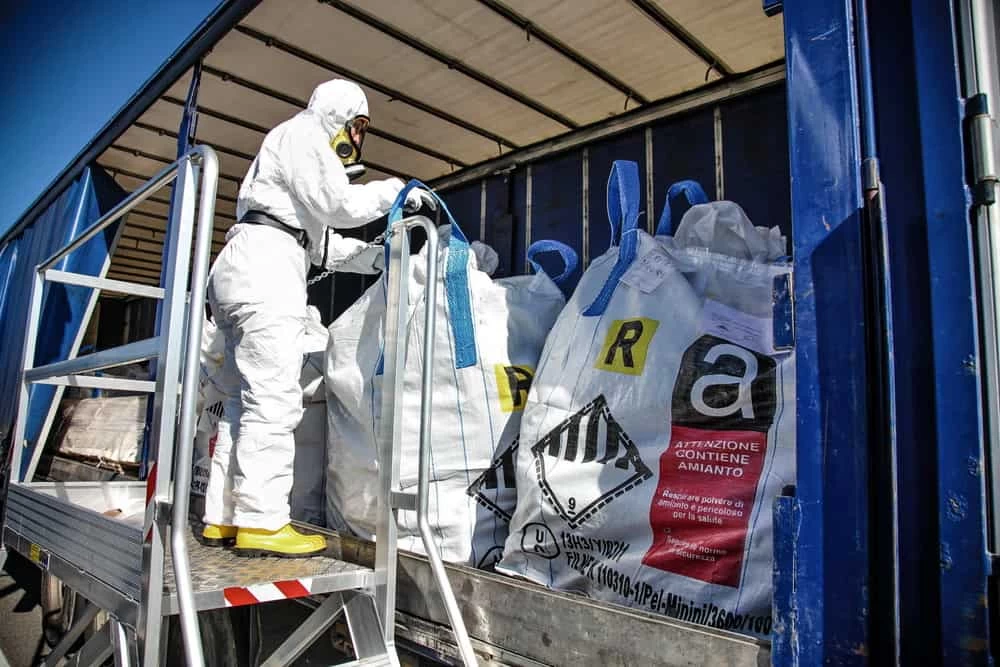
During the removal, Microtrap air scrubbers run continuously, maintaining negative air pressure and capturing airborne fibers throughout the containment area. Once abatement is complete, post-removal air clearance verification is performed. That’s the documented confirmation that the space is safe the certificate your contractor, your real estate attorney, or your DOB inspector will ask for. We deliver that paperwork as a standard part of every job, not an add-on.
What's Included Goes Further Than the Removal Itself
Asbestos abatement with us covers the full scope: inspection and testing, licensed removal, containment and disposal, post-clearance air quality verification, and all required NYC DEP and DOB documentation. For Maspeth properties, that documentation piece is critical without the ACP-5 certification or the post-abatement clearance record, your renovation permit won’t clear and your home sale won’t close cleanly.
Beyond standard asbestos removal, we handle asbestos tile removal common in Maspeth kitchens and basements where original vinyl composition tiles were installed in the 1940s and 1950s and asbestos popcorn ceiling removal for homes built through the 1970s where textured ceilings are still intact. If the inspection uncovers lead paint alongside the asbestos, that can be addressed in the same project under our USEPA Lead and RRP certification, which is the norm rather than the exception in Maspeth’s older housing stock.
For commercial property owners in Maspeth’s industrial corridor where warehouse conversions, tenant buildouts, and demolition permits regularly trigger mandatory DEP assessment requirements we carry the commercial-scale capability and NYC BIC certification to handle those projects as well. Residential or commercial, the process ends the same way: with clearance documentation in hand and the work done right.
Do I need asbestos testing before renovating my Maspeth home?
If your home was built before April 1, 1987 which covers nearly every residential property in Maspeth New York City requires an asbestos assessment before a DOB renovation permit can be issued. This isn’t a recommendation. It’s a regulatory requirement under the NYC DEP Asbestos Control Program, and skipping it can result in fines ranging from $1,200 to $10,000 per violation.
In practical terms, this means that before your contractor pulls a permit to gut your kitchen, finish your basement, or renovate a bathroom in a pre-war rowhouse, someone needs to determine whether asbestos-containing materials are present in the areas being disturbed. A DEP-certified asbestos investigator handles that assessment. If asbestos is found, abatement must be completed and documented before the renovation work can legally proceed. We can walk you through what that process looks like for your specific Maspeth property.
How much does asbestos removal typically cost in Queens, NY?
Asbestos removal costs in the New York City market generally run higher than national averages, primarily because of the regulatory compliance requirements built into every job. In Queens, you’re looking at costs that reflect licensed labor, proper containment, certified disposal, DEP permit filing, and post-clearance air testing all of which are required, not optional.
For a typical residential project in Maspeth say, asbestos tile removal in a kitchen or basement, or pipe insulation abatement around a boiler costs commonly range from roughly $1,500 to $5,000 depending on the scope, the square footage involved, and the materials being removed. Larger projects involving multiple material types or commercial-scale work will run higher. What you’re paying for isn’t just the removal it’s the documentation that protects your permit, your home sale, and your legal standing under NYC DEP rules. Getting a specific quote based on your property and the materials in question is always the right starting point.
What happens if a pipe freezes and bursts in my Maspeth home is there asbestos risk?
This is one of the more common scenarios in Maspeth’s older housing stock, and it’s worth understanding before it happens. Many of the rowhouses and two-family homes in the neighborhood still have original boiler systems and pipe runs from the 1930s and 1940s. The insulation wrapped around those pipes particularly around basement boilers and hot water lines was frequently made with asbestos-containing materials during that era.
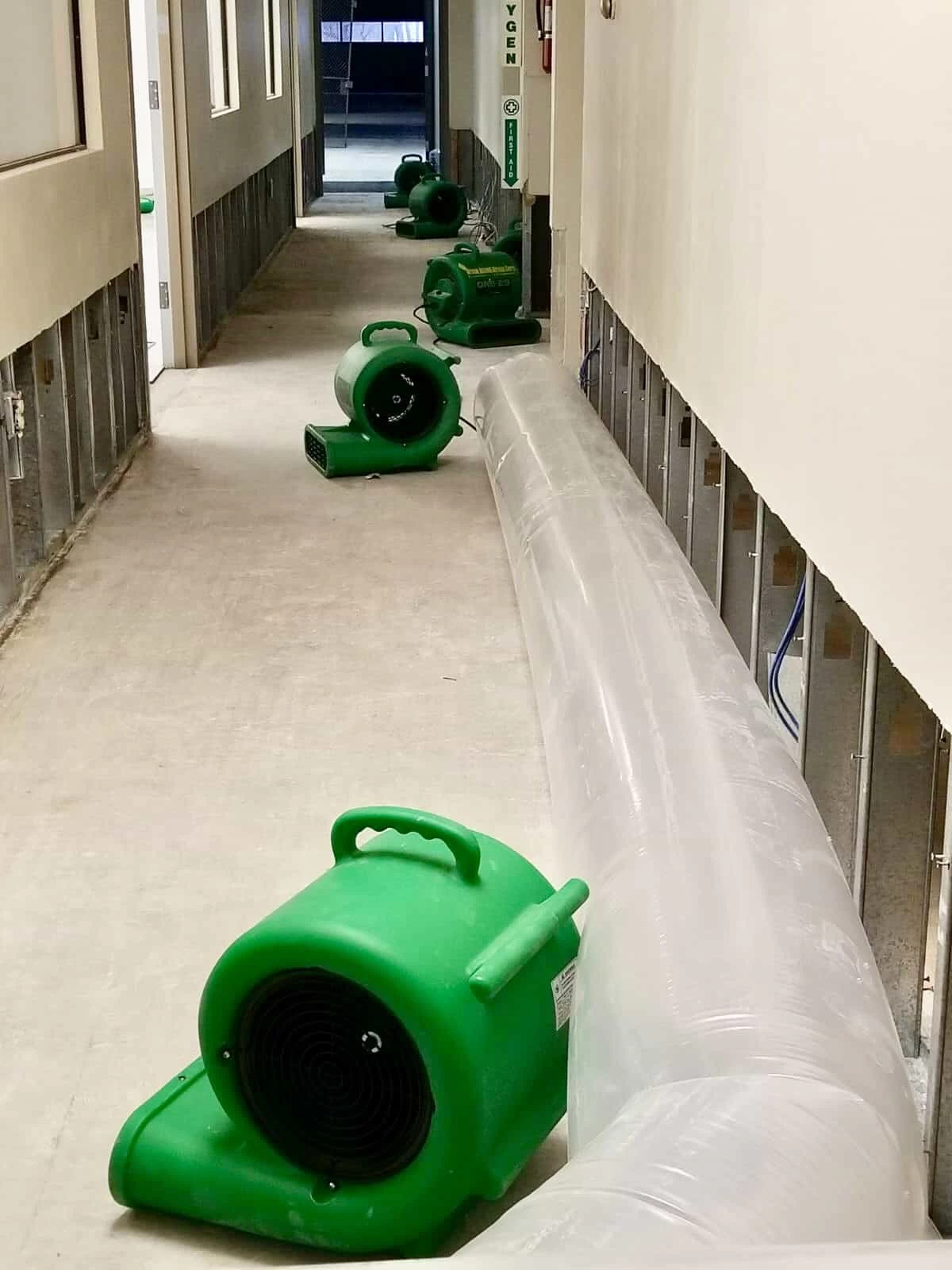
When a pipe freezes and bursts, the emergency water damage work that follows often disturbs that insulation, which can release asbestos fibers if not handled properly. We respond to water damage emergencies around the clock and are equipped to handle both the water damage restoration and the asbestos abatement as a single integrated project. We also work directly with insurance companies on covered events, which removes a significant layer of coordination from an already stressful situation. If you’re dealing with a burst pipe in a pre-war Maspeth home, the safest move is to have the pipe insulation assessed before any restoration work begins.
What is an ACP-5 form, and do I need one for my Maspeth renovation?
An ACP-5 is an Asbestos Exemption Certification issued by the NYC DEP. It’s the document you submit to the Department of Buildings to confirm that either your building is asbestos-free in the area being renovated, or the specific work you’re doing qualifies for an exemption under DEP rules. Without it, the DOB won’t issue your renovation permit for a pre-1987 building.
In Maspeth, where the overwhelming majority of residential properties predate 1987, the ACP-5 requirement applies to almost any permitted renovation project. A DEP-certified asbestos investigator must inspect the work area and make the determination this is not something a general contractor or the homeowner can self-certify. If asbestos is found and abatement is required, you’ll need an A-TRU permit before work begins, and post-clearance documentation after it’s done. We handle the abatement side of this process and can help you understand where you are in the permit sequence so your project doesn’t stall unnecessarily.
Are asbestos floor tiles common in Maspeth homes, and how are they removed?
Yes vinyl composition floor tiles installed in Maspeth homes between roughly the 1930s and 1960s very commonly contain asbestos. These tiles were a standard flooring material in kitchens, basements, and utility areas during that period, and they’re still in place in a significant number of homes throughout the neighborhood. The tiles themselves, when intact and undisturbed, are generally considered low-risk. The problem arises when they’re cut, broken, or scraped during a renovation which is exactly when fibers can become airborne.
Asbestos tile removal requires proper containment of the work area, licensed removal by a NYS DOL-certified crew, and disposal at a licensed facility. The adhesive beneath older tiles called mastic can also contain asbestos and needs to be assessed as part of the same project. After removal, post-clearance air testing confirms the space is safe before flooring installation or any other work continues. This is a straightforward process when handled by a licensed contractor, and it’s one of the most common asbestos abatement jobs we perform in Maspeth-area homes.
Can one contractor handle asbestos, mold, and lead paint in the same Maspeth renovation?
In most cases, yes and in Maspeth’s pre-war housing stock, finding all three in the same renovation is more the rule than the exception. Homes built in the 1920s and 1930s were constructed with asbestos-containing materials, lead-based paint on trim and walls, and aging plumbing and structural systems that are prone to moisture intrusion and mold growth behind walls and under floors.
We’re certified to handle all three under one contract: NYS DOL-licensed for asbestos abatement, USEPA Lead and RRP certified for lead paint work, and IICRC certified for mold remediation and water damage restoration. Working with a single contractor across all three hazards means one project timeline, one set of documentation, and one point of contact from start to finish instead of coordinating three separate licensed contractors who each have their own schedules and compliance requirements. For a Maspeth homeowner managing a gut renovation of a pre-war rowhouse, that kind of consolidated capability isn’t just easier. It’s genuinely faster and less likely to create gaps between one phase of work and the next.