Most homes in Massapequa Park were built in 1956. That’s not a fun fact — it’s a warning. If you’re renovating, selling, or recovering from flood damage, asbestos abatement may be the step standing between you and a safe, finished project.
I needed a professional consultation explanation of procedure for safe removal of Asbestos in my apartment complex. Without having an account yet, I was very impressed with the caring, knowledgeable and generous advice offered by Jessica, and will look forward to doing business in the future. Thank you so much! I feel much more informed about a sometimes scary endeavor. Peace. Nancy Silva Mineola, NY.
Mia Munoz
Used this company to clean up some water flood in my house. They were fast and easy to work with.very professional, Would recommend to anyone!
Nini Valle
Great company, had a flood and they responded quickly and efficiently. Billed my insurance company directly. I highly recommend this company!
joe colapietro, jr
I had pipe freeze in my basement right before a snow storm and they made to within an hour to help start the clean up process. They we by our side throughout the entire process and even helped with the insurance company. They did such a great job with the cleanup, repair, remidiation, I contracted them to perform the repairs and finishes in the basement. They came with enough manpower and material to get the job done. Leo and Jessica were nothing but a pleasure to deal with!!
Cristian Arredondo c
I had some water damage in my home and Green Island was able to take care of my issue quickly and effectively. I am very pleased with the work they did. They responded quickly and were very professional.
Michael M
Outstanding service! From the office to the field crew everyone was friendly, helpful and responsive. I highly recommend Green Island Group.
Your renovation doesn’t have to stay frozen. When asbestos is properly removed and cleared, your contractor can get back to work, your timeline gets back on track, and your home stops being a liability. That’s the practical outcome — and it matters more than most people expect when they’re in the middle of a project that’s suddenly stalled.
For Massapequa Park homeowners specifically, there are two conditions that make this more urgent than in most places. First, 85% of homes here were built during the peak asbestos era — the 1940s through the 1960s — which means the odds that your floor tiles, pipe wrap, or ceiling texture contain asbestos-containing materials are genuinely high. This isn’t speculation; it’s just the math of a village built almost entirely in 1956. Second, if your home is near Bar Harbour or anywhere in the southern part of the village, coastal flooding and storm moisture can accelerate the breakdown of older building materials — turning stable asbestos into airborne asbestos faster than most homeowners realize.
Getting this handled correctly means your family isn’t breathing something invisible and dangerous. It means your sale doesn’t fall apart at the inspection table. And it means the renovation you’ve been planning can actually happen — the right way, with documentation that satisfies the Village of Massapequa Park’s building department, Nassau County, and New York State.
We Know Massapequa Park's Housing Stock Better Than Anyone
Green Island Group is a Nassau County–based asbestos abatement company. That means when you call, you’re reaching a team that already knows what the housing stock in Massapequa Park looks like — the 9×9 floor tiles under the kitchen linoleum, the pipe insulation in the basement, the popcorn ceilings in the back bedrooms. We’ve seen it all in homes just like yours, throughout the South Shore.
Every project we take on is handled by NYS Department of Labor–licensed contractors, NYS-certified supervisors and handlers, and certified air monitoring technicians. That’s not optional in New York — it’s the law — and it’s the first question you should ask any company before letting them touch your home.
We handle the full process: testing, abatement, air clearance, and the documentation your contractor, building inspector, or real estate attorney will need. One call covers all of it.
No Guesswork — Here's Exactly What We Do in Your Massapequa Park Home
It starts with an assessment. Before anything is removed, we identify what materials are present, where they are, and whether they’re stable or deteriorating. In a Massapequa Park home built in the mid-1950s, that typically means checking floor tiles and black mastic adhesive, basement pipe and duct insulation, textured ceiling compounds, and any joint tape or roofing material that may have been original to the build. If you’ve had any water intrusion — especially relevant for homes in the Bar Harbour section of the village — we pay close attention to materials that may have been compromised by moisture.
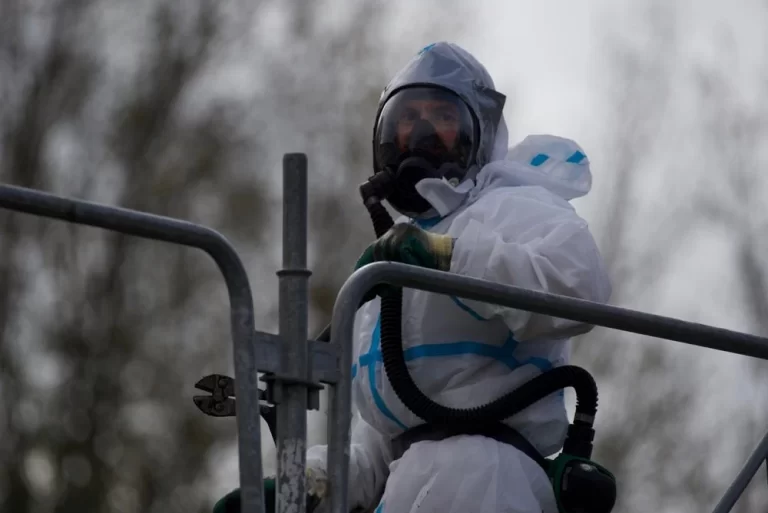
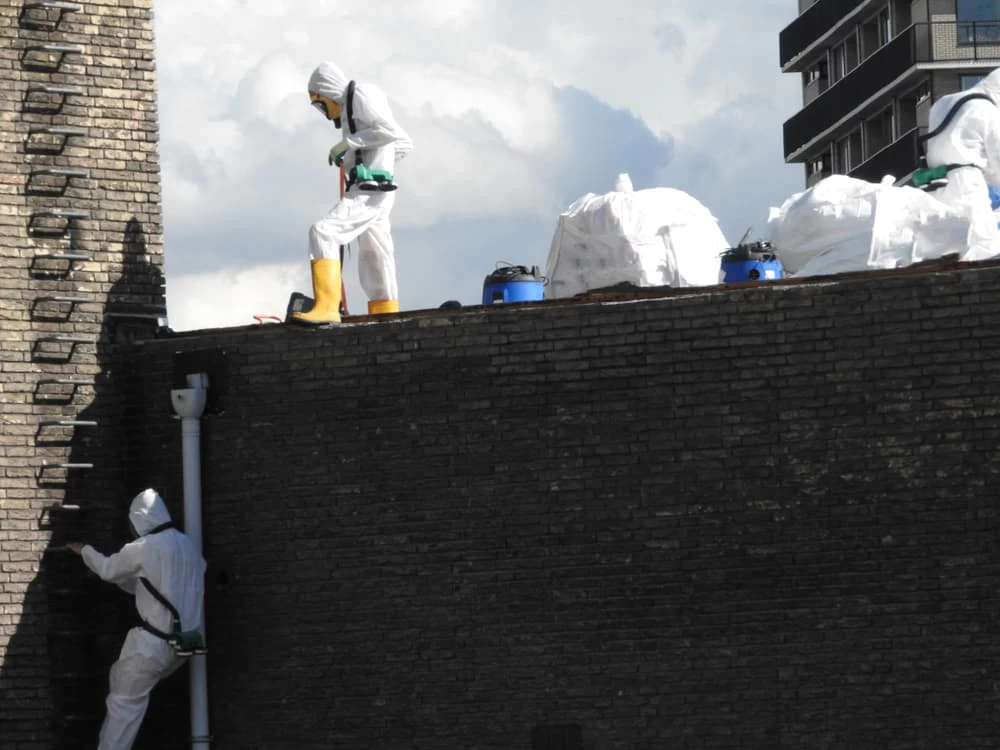
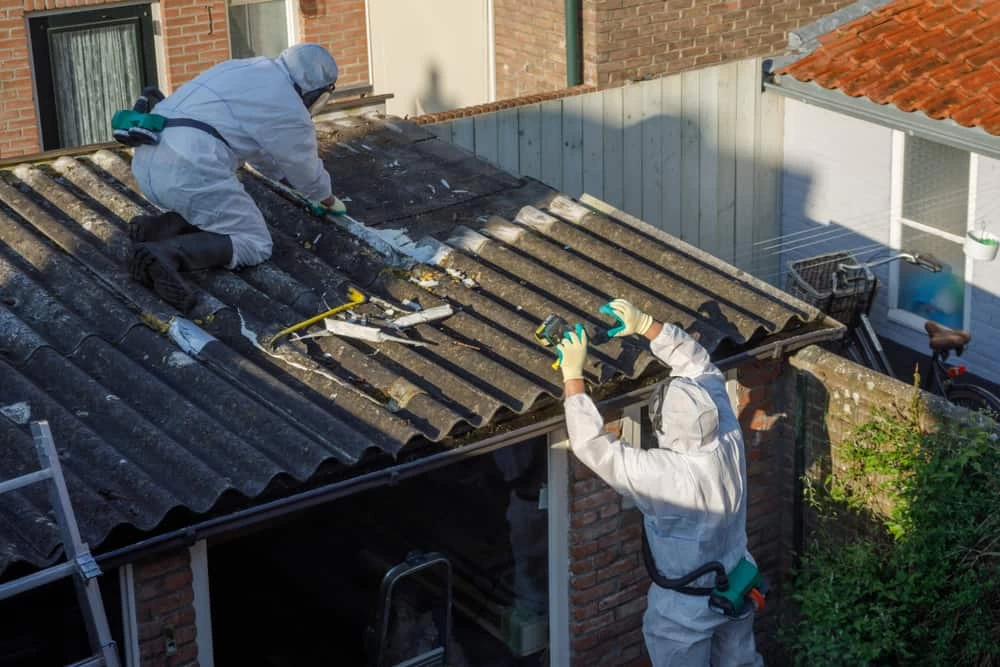
Once the scope is confirmed, we file the required notification with the NYS Department of Labor before work begins. That’s a legal requirement under Industrial Code Rule 56, and it’s a step that unlicensed operators routinely skip. Then the actual abatement begins: full containment of the work area, negative air pressure to prevent fiber migration, wet methods to keep materials from becoming airborne, and HEPA filtration throughout. Nothing gets disturbed dry.
After removal, a certified air monitoring technician conducts post-abatement clearance testing. Your home doesn’t get a clean bill of health until the air does. Then you receive the full documentation package — everything the Village of Massapequa Park’s building department and your contractor need to move forward. That’s when your renovation can finally continue.
Asbestos abatement in Massapequa Park isn’t a single-size job. The materials vary by room, by decade of construction, and by how the home has been maintained or modified over the years. We address the full range of asbestos-containing materials commonly found in the village’s post-war housing stock.
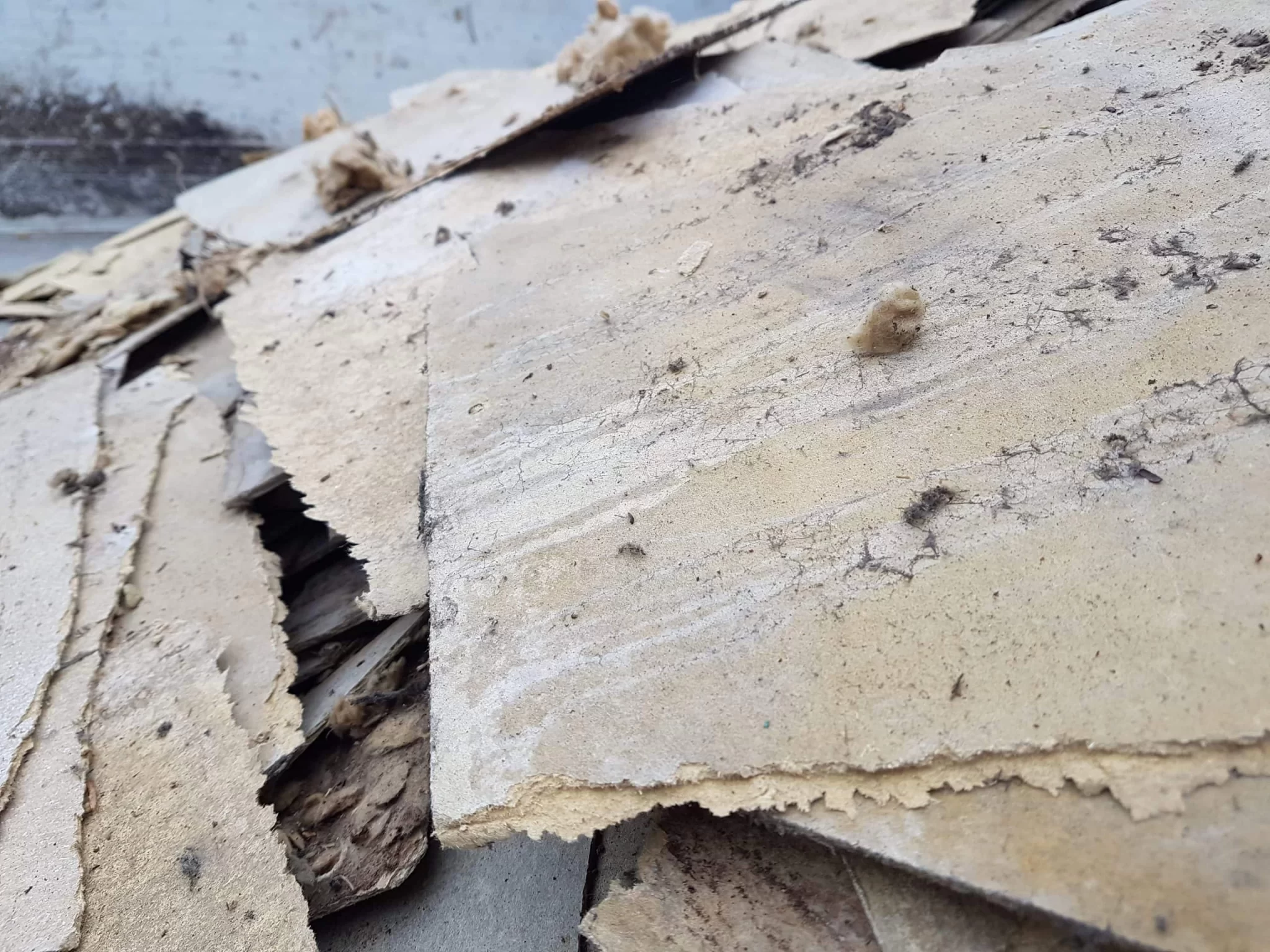
Asbestos tile removal is one of the most frequent calls we get from this area. The 9×9-inch vinyl floor tiles installed in kitchens, bathrooms, and basements throughout the 1950s and 1960s almost universally contain chrysotile asbestos — and so does the black adhesive mastic underneath them. We remove both, using wet methods and full containment, so nothing becomes airborne during the process. Asbestos popcorn ceiling removal is another common scope in Massapequa Park homes; acoustic texture applied before 1980 frequently tests positive, and scraping or sanding it without proper abatement is one of the most dangerous things a homeowner can do during a renovation. We also handle pipe and duct insulation, roofing materials, joint compound, and siding — whatever the inspection turns up.
Because Massapequa Park is an incorporated village with its own building department, renovation permits here can require proof of asbestos clearance before work resumes. We produce the complete documentation package that satisfies the village, Nassau County, and the NYS DOL — so you’re not chasing paperwork from multiple sources or holding up your contractor while you figure out what the building department needs.
Does my 1950s Massapequa Park home definitely have asbestos in it?
Not definitively — but the odds are high enough that you should find out before anyone starts tearing anything apart. Asbestos was used extensively in residential construction from the 1940s through the late 1970s, and Massapequa Park’s median construction year is 1956. That puts the vast majority of homes in the village squarely in the highest-risk window.
The materials most commonly found to contain asbestos in homes of this era include vinyl floor tiles and the black mastic adhesive beneath them, pipe and duct insulation in basements and utility areas, textured acoustic ceilings, joint compound used in drywall finishing, and certain roofing shingles and siding materials. You won’t know for certain until materials are tested by a qualified professional. The important thing is not to disturb anything suspicious before you do — sanding, scraping, or breaking these materials releases fibers that are invisible and stay airborne for hours.
How much does asbestos removal typically cost in Massapequa Park, NY?
Based on completed projects in the Massapequa Park area, most residential asbestos removal jobs fall somewhere between $1,200 and $3,000 for standard scopes — with a per-square-foot range of roughly $20 to $65 depending on the material type, accessibility, and extent of the affected area. Floor tile removal with mastic tends to be on the lower end of that range per square foot. Pipe insulation and ceiling work can run higher because of the containment and labor involved.
More complex projects — a full basement pipe wrap removal, whole-house tile abatement, or popcorn ceiling removal across multiple rooms — will exceed that range. The honest answer is that pricing depends on what’s actually there, and the only way to get an accurate number is to have the materials assessed first. What we can tell you is that in a village where homes are selling for $800,000 and spending 21 days on the market, cutting corners on abatement to save a few hundred dollars is rarely the right call — especially when documentation is required to close the sale or pull a permit.
Do I need a permit for asbestos abatement in Massapequa Park village?
New York State requires that licensed asbestos contractors file a formal notification with the NYS Department of Labor before beginning any abatement project above certain threshold quantities. That’s a state-level requirement under Industrial Code Rule 56 — it applies everywhere in New York, including Massapequa Park. This notification must be submitted before work starts, not after, and it’s one of the steps that separates licensed contractors from unlicensed operators who skip it entirely.
Beyond the state requirement, Massapequa Park is an incorporated village with its own building department — which means renovation permits issued at the village level may require proof of asbestos clearance before your contractor can resume work. This is an additional layer that unincorporated hamlets like Massapequa or East Massapequa don’t have in the same way. When you work with us, we handle the NYS notification and produce the clearance documentation your village building inspector will need, so you’re not left figuring out two separate regulatory requirements on your own.
Can I just encapsulate the asbestos instead of removing it completely?
Encapsulation — sealing asbestos-containing materials in place rather than removing them — is a legitimate option in certain situations. If the material is in good condition, not friable, and not going to be disturbed by renovation work, encapsulation can be a cost-effective and code-compliant approach. It’s commonly considered for pipe insulation that’s intact, floor tiles that will be covered rather than removed, or ceiling materials in areas that won’t be touched.
That said, encapsulation is not always the right call — and it’s rarely the right call if you’re planning a renovation that involves that area, if the material is already deteriorating, or if you’re preparing the home for sale. Buyers’ inspectors and real estate attorneys in Nassau County are increasingly familiar with the difference between documented removal and documented encapsulation, and some buyers will push for full removal regardless. If your home is in Bar Harbour or has had any history of flooding, encapsulation of water-damaged materials is generally not appropriate. The right answer depends on the condition of the material and what you’re planning to do with the space — and that’s something we assess before recommending either path.
What happens if a contractor already disturbed material that might be asbestos?
Stop work immediately — that’s the first step. If a contractor has already disturbed material that may contain asbestos, the priority is to limit further exposure before anything else happens. That means sealing off the area, keeping people out, and not running HVAC systems that could spread fibers to other parts of the home.
From there, you need a licensed professional to assess the situation: test the material to confirm whether asbestos is present, evaluate whether fibers have been released into the air, and determine the scope of what needs to be addressed. In some cases, post-disturbance air testing is necessary to establish whether the space is safe to re-enter. This is not a situation where you wait and see. Asbestos fibers are invisible, they don’t settle quickly, and the health consequences of prolonged exposure — mesothelioma, asbestosis, lung cancer — take years to develop. If something was disturbed in your Massapequa Park home and you’re not sure what it was, call us before the next person walks into that room.
How do I know if asbestos is affecting my home sale in Massapequa Park?
In Massapequa Park’s current market — homes selling at an average of $810,000 with buyers competing hard and deals moving fast — asbestos is one of the issues that can quietly derail a transaction if it surfaces at the wrong moment. Buyers’ home inspectors are increasingly flagging suspicious materials in pre-1980 homes, and once a buyer’s attorney gets involved, the conversation shifts quickly from “let’s negotiate” to “we need documentation or we’re walking.”
The most common scenarios we see are: a buyer’s inspector flags potential ACMs during the inspection period, a buyer requests abatement as a condition of the sale, or a seller proactively tests and remediates before listing to protect their asking price. If you’re selling a home in Massapequa Park that was built before 1980 — which describes the overwhelming majority of homes in the village — getting ahead of this with a professional abatement and air clearance certificate puts you in a much stronger position at the closing table. It removes a negotiating chip from the buyer’s hand and gives both parties something concrete to work with. We’ve helped South Shore homeowners protect their equity by handling this cleanly before it became a transaction problem.