Most Mastic Beach Homes Were Built When Asbestos Was Standard Here's What to Do About It
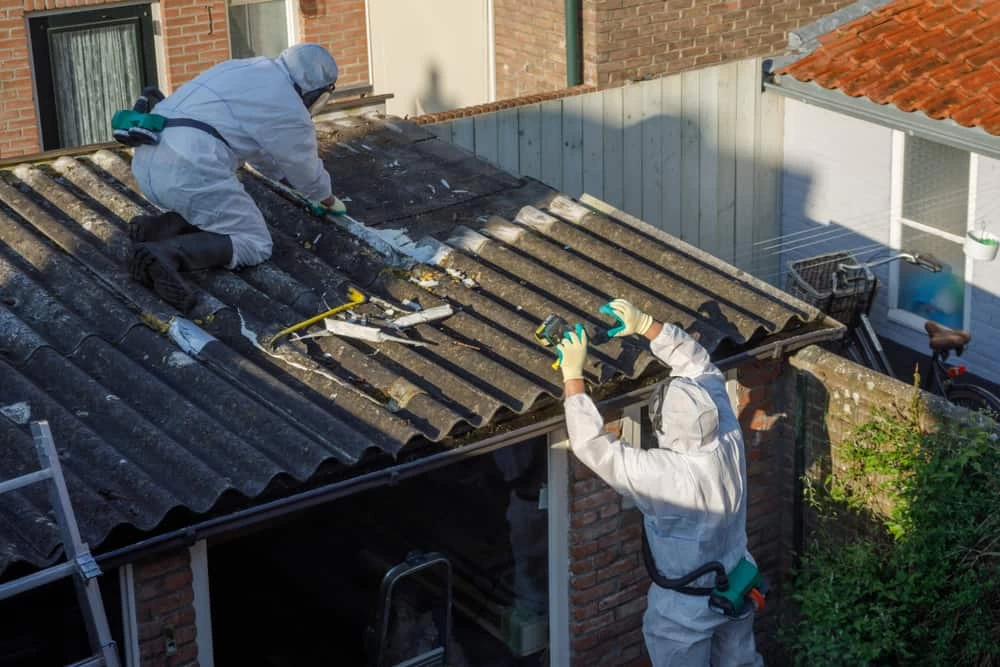
Most homes in Mastic Beach were built between the 1950s and 1970s right when asbestos was standard in residential construction. If you’re renovating, selling, or just not sure what’s in your walls, we handle asbestos abatement the right way: licensed, documented, and fully compliant with New York State law.
I needed a professional consultation explanation of procedure for safe removal of Asbestos in my apartment complex. Without having an account yet, I was very impressed with the caring, knowledgeable and generous advice offered by Jessica, and will look forward to doing business in the future. Thank you so much! I feel much more informed about a sometimes scary endeavor. Peace. Nancy Silva Mineola, NY.
Mia Munoz
Used this company to clean up some water flood in my house. They were fast and easy to work with.very professional, Would recommend to anyone!
Nini Valle
Great company, had a flood and they responded quickly and efficiently. Billed my insurance company directly. I highly recommend this company!
joe colapietro, jr
I had pipe freeze in my basement right before a snow storm and they made to within an hour to help start the clean up process. They we by our side throughout the entire process and even helped with the insurance company. They did such a great job with the cleanup, repair, remidiation, I contracted them to perform the repairs and finishes in the basement. They came with enough manpower and material to get the job done. Leo and Jessica were nothing but a pleasure to deal with!!
Cristian Arredondo c
I had some water damage in my home and Green Island was able to take care of my issue quickly and effectively. I am very pleased with the work they did. They responded quickly and were very professional.
Michael M
Outstanding service! From the office to the field crew everyone was friendly, helpful and responsive. I highly recommend Green Island Group.
Your Mastic Beach Project Moves Forward Without the Health Risk
When a contractor pulls up your kitchen floor and tells you to stop work, everything stalls. Your timeline, your budget, your contractor all of it sits idle until the asbestos question gets answered. Getting that resolved quickly, by someone who knows what they’re doing, is the difference between a project that finishes on time and one that drags on for weeks.
Mastic Beach has one of the highest concentrations of pre-1980 housing stock on the South Shore. The median build year here is 1971, and homes in the Old Mastic neighborhood skew even older. That means vinyl floor tiles, popcorn ceilings, pipe insulation, and joint compound from an era when asbestos was everywhere. These aren’t obscure edge cases they’re standard features in a Mastic Beach home of that age.
And if your property took on water during Superstorm Sandy, there’s another layer to consider. Flood damage disturbs materials. Gutting a flood-damaged interior can expose asbestos that was previously sealed and stable. A lot of the post-Sandy rebuild work happened fast not all of it included proper asbestos assessment. If you’re now doing a second round of renovations in Mastic Beach, that’s worth knowing before you start swinging a hammer.
We Know Mastic Beach and We Know What's in These Homes
We’re a Suffolk County-based environmental remediation company. Asbestos abatement isn’t a side service we tack onto other work it’s a primary focus, and it’s what we’re licensed and trained to do under New York State Industrial Code Rule 56.
We serve Mastic Beach as a genuine part of our service area, not as a distant afterthought. We’re familiar with the Town of Brookhaven’s permit process, the age of the housing stock along the William Floyd Parkway corridor, and the specific materials that show up in homes built during this era on the South Shore. When you call us, you’re not explaining your situation to someone reading from a script you’re talking to a team that has worked in homes just like yours, in neighborhoods just like yours, throughout central and eastern Suffolk County.
Every project we take on is filed with the NYS Department of Labor Asbestos Control Bureau before work begins. That documentation matters for your permits, your insurance, and any future sale of the property.
No Guesswork Just a Clear Process From First Call to Final Clearance
It starts with an inspection. We come to your property, assess the suspect materials, and collect bulk samples for laboratory analysis. You’ll know exactly what you’re dealing with not a guess, not a worst-case assumption, but actual confirmed results. If abatement is needed, we walk you through what that looks like before anything starts.
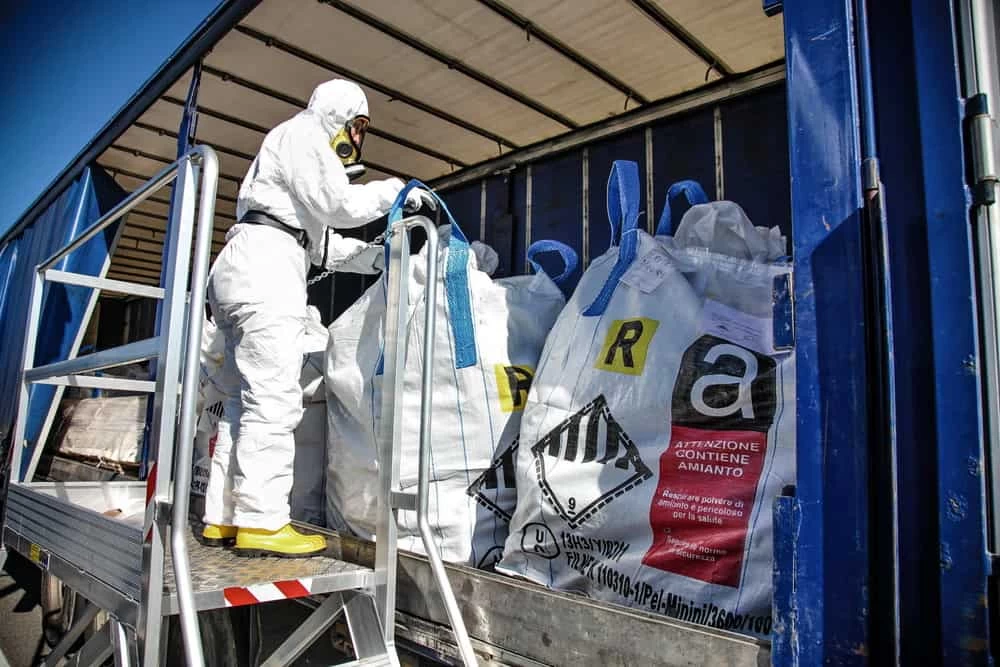
Once the scope is confirmed, we handle the NYS Department of Labor notification a legal requirement for any regulated asbestos project in New York State. This step is non-negotiable, and it’s something a lot of unlicensed operators skip. We don’t. From there, we set up full containment, establish negative air pressure, and remove the material using wet methods and HEPA-filtered equipment. Everything is packaged and disposed of at a licensed facility nothing gets bagged and left at the curb.
After removal, we conduct post-abatement air clearance testing. That test is what gives you the documentation you need to reoccupy the space, to satisfy your contractor, to close a real estate deal, or to pull your next permit from the Town of Brookhaven Building Division. In Mastic Beach, where most renovation projects touch materials from the asbestos era, that clearance certificate is the thing that actually lets you move forward.
Asbestos Testing and Abatement in Mastic Beach, NY
What's Covered From Floor Tiles to Popcorn Ceilings to Pipe Wrap
The most common materials we find in Mastic Beach homes are vinyl floor tiles especially the 9″×9″ format that was standard in kitchens and bathrooms throughout the 1960s and 1970s. The adhesive beneath those tiles, called mastic, frequently contains asbestos as well. Popcorn ceiling texture applied before 1980 is another common source, along with pipe wrap insulation around older boilers and HVAC systems, joint compound used in drywall finishing, and roofing felt underlayment. If your home was built before 1980 and you’re planning any renovation that disturbs these materials, an asbestos assessment isn’t optional it’s the responsible first step.
For homeowners navigating a real estate transaction in Mastic Beach, we provide rapid assessment and abatement with the documentation your attorney, lender, or buyer’s agent needs to proceed. The Mastic Beach market has been moving fast average sale prices around $446,000 with year-over-year appreciation over 10% and a flagged asbestos inspection can stall or kill a closing if it isn’t handled quickly and properly.
We also serve commercial properties in the Mastic Beach area, including properties along the Neighborhood Road corridor currently under review as part of the $500 million NRRA redevelopment project. Any structure built before 1980 requires a pre-demolition asbestos survey under both New York State law and federal EPA NESHAP regulations and that survey has to happen before demolition begins, not during.
How do I know if my Mastic Beach home actually contains asbestos?
The only way to know for certain is to have the suspect materials sampled and tested by a lab. Visual inspection alone even by an experienced contractor can’t confirm asbestos content. What you can do is make an informed assessment based on your home’s age: if it was built before 1980, there’s a reasonable probability that some materials contain asbestos, particularly floor tiles, ceiling texture, pipe insulation, and joint compound.
In Mastic Beach specifically, the median home construction year is 1971, and a significant portion of the housing stock in the Old Mastic neighborhood dates to the 1940s and 1950s. That puts a large share of local homes squarely in the high-probability range. The right move is to have a licensed inspector collect bulk samples before any renovation work begins not after your contractor has already started tearing things out. Once materials are disturbed, the risk profile changes significantly.
Does asbestos abatement always mean full removal, or are there other options?
Not always. There are two primary approaches: removal (abatement) and encapsulation. Removal means the material is physically extracted, properly packaged, and disposed of at a licensed facility. Encapsulation means the material is sealed with a specialized coating that prevents fiber release, leaving it in place but stabilizing it so it no longer poses a risk under normal conditions.
Which approach makes sense depends on the material’s condition, its location, and what you plan to do with the space. If you’re renovating and the material is in the way of the work, removal is usually the right call you can’t encapsulate something you’re about to cut through. If the material is in good condition and in an area that won’t be disturbed, encapsulation may be a viable option. We’ll give you an honest assessment of both paths and what each one involves, so you can make the decision that fits your project and your budget.
Is asbestos abatement required before I can get a renovation permit in Brookhaven?
The Town of Brookhaven administers the New York State Uniform Fire Prevention and Building Code for all properties in Mastic Beach. While the permit application itself doesn’t always require an asbestos clearance certificate upfront, the work you’re planning if it involves disturbing materials in a pre-1980 home triggers New York State requirements that run parallel to the permit process. Under NYS Industrial Code Rule 56, any regulated asbestos project must be handled by a licensed contractor with a filed notification to the NYS Department of Labor before work begins.
In practice, this means your general contractor may refuse to proceed without asbestos clearance, your inspector may flag it, or your insurance may require documentation. Getting ahead of this before you pull the permit is almost always faster and less expensive than discovering the issue mid-project when your contractor is already on the clock. If you’re working in the Mastic Beach area and you’re not sure where you stand, a pre-renovation inspection is the cleanest way to find out.
My Mastic Beach home was damaged by Superstorm Sandy and I'm doing renovations now does that affect the asbestos risk?
It can, and it’s worth taking seriously. Mastic Beach was one of the hardest-hit communities on Long Island’s South Shore during Sandy the storm surge flooded thousands of homes in the Tri-Hamlet area, and a lot of the initial repair work happened quickly, under pressure, without full environmental assessment. If your home was gutted to the studs and rebuilt in 2012 or 2013, the materials that were removed may or may not have been properly tested beforehand.
If you’re now doing a second phase of renovation elevating the structure, replacing the HVAC system, finishing areas that were only partially repaired you may be encountering materials that weren’t touched in the first round. Flood damage also accelerates the deterioration of building materials, including asbestos-containing ones. When pipe insulation crumbles or floor tiles crack and lift from moisture exposure, previously stable materials can become friable meaning they can release fibers. If your home has a Sandy history and you’re heading into renovation work, an asbestos inspection before you start is a straightforward precaution.
How much does asbestos removal typically cost in the Mastic Beach area?
Cost varies based on what material is involved, how much of it there is, where it’s located, and whether full removal or encapsulation is the right approach. For a general reference point, asbestos testing and removal in the Suffolk County area typically ranges from around $222 on the low end for limited sampling to $4,460 or more for larger abatement scopes. A single room of floor tile removal will cost considerably less than a whole-house pipe insulation project or a pre-demolition abatement for a commercial property.
What we can tell you is that the cost of doing it wrong or skipping it entirely is almost always higher. A failed air clearance test, a stop-work order, a stalled real estate closing, or a liability issue down the road will cost more than the abatement itself. We provide clear, upfront estimates before any work begins, so you know what you’re committing to. No surprises mid-project.
Do I need a licensed contractor for asbestos work in New York, or can my general contractor handle it?
In New York State, asbestos abatement must be performed by a contractor licensed by the NYS Department of Labor under Industrial Code Rule 56. This is a hard legal requirement not a recommendation. Your general contractor, unless they hold a separate asbestos abatement license, cannot legally perform this work, and doing so exposes both them and you to significant liability.
This matters especially in Mastic Beach, where the housing stock age means asbestos is a realistic finding on a large percentage of renovation projects. Some contractors will tell you the amount is small enough not to worry about, or that they’ve handled it before without issue. That’s a risk you shouldn’t take not for your family’s health, and not for your permit record or property documentation. A licensed abatement contractor files the required notifications, follows the required protocols, and gives you a paper trail that holds up if your project is ever inspected, if you refinance, or if you sell the home down the road.