Most homes in Mattituck were built when asbestos was standard. If yours is one of them, asbestos abatement isn’t a maybe it’s the move that keeps your renovation, your sale, and your family on solid ground.
I needed a professional consultation explanation of procedure for safe removal of Asbestos in my apartment complex. Without having an account yet, I was very impressed with the caring, knowledgeable and generous advice offered by Jessica, and will look forward to doing business in the future. Thank you so much! I feel much more informed about a sometimes scary endeavor. Peace. Nancy Silva Mineola, NY.
Mia Munoz
Used this company to clean up some water flood in my house. They were fast and easy to work with.very professional, Would recommend to anyone!
Nini Valle
Great company, had a flood and they responded quickly and efficiently. Billed my insurance company directly. I highly recommend this company!
joe colapietro, jr
I had pipe freeze in my basement right before a snow storm and they made to within an hour to help start the clean up process. They we by our side throughout the entire process and even helped with the insurance company. They did such a great job with the cleanup, repair, remidiation, I contracted them to perform the repairs and finishes in the basement. They came with enough manpower and material to get the job done. Leo and Jessica were nothing but a pleasure to deal with!!
Cristian Arredondo c
I had some water damage in my home and Green Island was able to take care of my issue quickly and effectively. I am very pleased with the work they did. They responded quickly and were very professional.
Michael M
Outstanding service! From the office to the field crew everyone was friendly, helpful and responsive. I highly recommend Green Island Group.
Your contractor can get back to work. Your closing can move forward. Your family can be in the space without that quiet, nagging concern sitting in the back of your mind. That’s what certified asbestos removal actually gives you not just a clean room, but the documentation to prove it.
Mattituck’s housing stock tells the story pretty clearly. The median construction year here is 1967, which puts the majority of homes squarely in the era when asbestos was used in everything from floor tiles to pipe insulation to joint compound. If you’re renovating a mid-century cottage near the Inlet, updating a farmhouse off Sound Avenue, or preparing an older property on Love Lane for sale, there’s a real chance asbestos-containing materials are somewhere in that building.
The coastal environment in Mattituck adds another layer. The salt air and humidity off the Long Island Sound accelerate the breakdown of older building materials. Pipe insulation and ceiling finishes that might hold together in a drier inland climate can become friable meaning they crumble and release fibers faster here. That’s just what decades of North Fork weather does to mid-century construction.
We are a New York State licensed asbestos abatement contractor serving Long Island including the North Fork communities of Mattituck, Cutchogue, Southold, and Laurel. Every project we take on is handled under the full requirements of NYS Industrial Code Rule 56, which means proper notification to the Asbestos Control Bureau, certified workers on site, and a complete documentation package when the job is done.
We’re not a national referral platform farming your call out to whoever picks up. We’re a Long Island contractor that actually does the work and we understand the specific building types, renovation patterns, and regulatory process that come with working in Suffolk County’s North Fork, including the unique challenges of Mattituck’s older housing stock and coastal environment.
If you’re a second-home owner managing a renovation remotely, or a year-round resident whose contractor just stopped mid-project, you need someone who responds quickly and communicates clearly. That’s what we do.
It starts with an assessment. Before anything is removed, a certified inspector surveys the space and collects samples from suspected materials floor tiles, ceiling texture, pipe insulation, roofing felt, whatever applies to your property. Those samples go to an accredited lab. The results tell us exactly what we’re dealing with and what the scope of work needs to be.
Once the scope is confirmed, we handle the regulatory side. In Suffolk County, asbestos notifications are routed through the county health department before reaching the NYS DOL Asbestos Control Bureau a step that catches a lot of contractors off guard and adds days to a project if you don’t know it’s coming. We know it’s coming. We file everything on your behalf so you’re not chasing paperwork while your renovation sits idle.
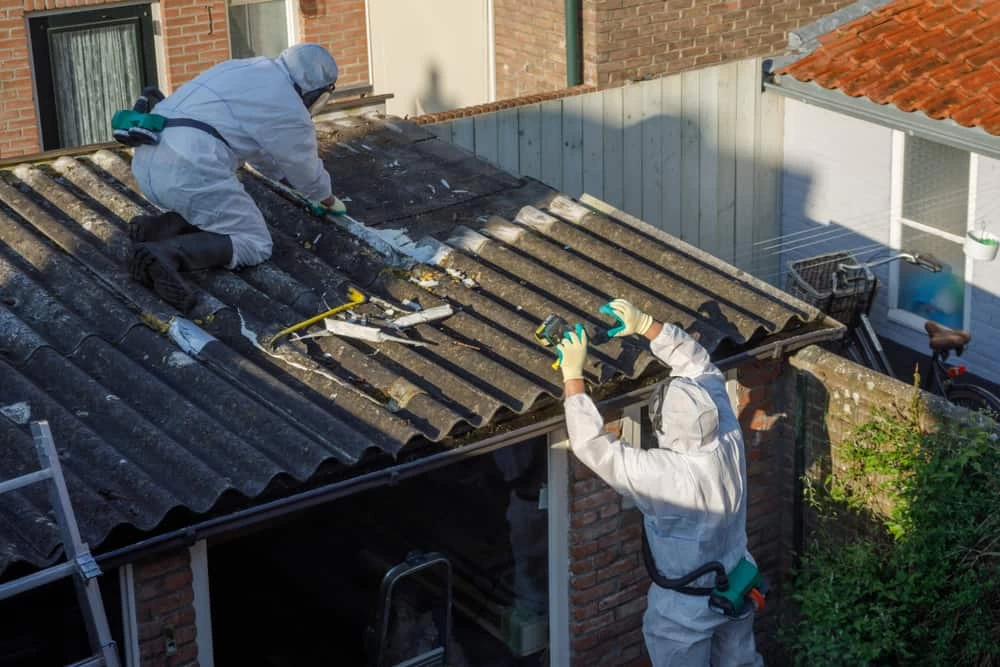
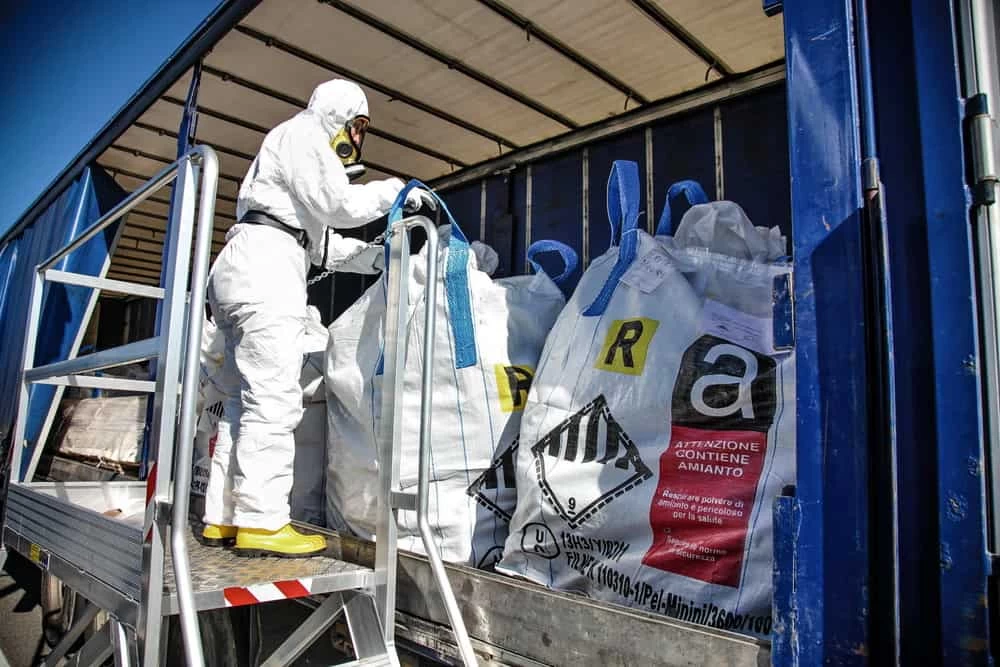
The abatement itself follows strict containment protocol negative air pressure, full enclosure of the work area, licensed removal, and proper waste disposal in sealed, labeled containers to a licensed facility. When the work is complete, an independent air clearance test confirms the space is clean before anyone re-enters. You get the clearance certificate, the waste manifests, and a full project record. That paperwork matters especially if you’re selling the property or pulling additional permits down the line.
The asbestos-containing materials most commonly found in Mattituck’s older homes aren’t random they follow a pretty consistent pattern based on when and how these properties were built. The 9×9 vinyl floor tiles common in homes from the 1950s through the 1970s almost always contain asbestos in both the tile body and the black mastic adhesive underneath. Popcorn and textured ceilings were standard in homes built before the late 1970s. Pipe and boiler insulation in older heating systems, joint compound in pre-1978 drywall, and roofing shingles and felt in pre-1975 construction are all materials we regularly encounter in Mattituck and throughout the North Fork.
We handle asbestos tile removal, popcorn ceiling removal, pipe insulation abatement, and full-structure remediation for renovation and pre-demolition projects. We also work alongside real estate transactions if an inspection has flagged suspected ACMs and your closing timeline is tight, we can prioritize assessment and scheduling to keep things moving.
Every project in Mattituck includes the full regulatory package: NYS DOL pre-notification, daily project documentation, licensed waste disposal, and post-abatement air clearance testing by an independent certified hygienist. There are no shortcuts, and there’s no version of this job where the paperwork is optional. We handle it completely so you don’t have to.
Do I need an asbestos test before renovating my Mattituck home?
If your home was built before 1980, yes and in Mattituck, that covers the majority of the housing stock. The median construction year here is 1967, which puts most homes directly in the era when asbestos was used in floor tiles, ceiling finishes, pipe insulation, roofing materials, and joint compound. New York State requires a certified asbestos survey before any renovation or demolition project that could disturb these materials above threshold quantities.
The survey involves a licensed inspector collecting physical samples from suspected materials, which are then analyzed by an accredited laboratory. It’s not a visual inspection you can’t identify asbestos by looking at it. The lab results tell you definitively what’s present and in what quantity, which determines whether abatement is required before your contractor can proceed. Skipping this step isn’t just a regulatory violation it can expose your contractor, your family, and your neighbors to health risk, and it creates liability that follows the property.
How long does asbestos abatement take from start to finish?
The timeline depends on the scope, but most residential projects in Mattituck run anywhere from a few days to two weeks when you factor in the full process survey, lab results, regulatory notification, abatement, and post-clearance testing. The survey and lab turnaround typically takes three to five business days. Regulatory notification in Suffolk County adds additional lead time because the county routes filings through the health department before they reach the NYS DOL Asbestos Control Bureau a step that’s easy to underestimate if your contractor isn’t familiar with how Suffolk County specifically handles this.
The abatement work itself can range from a single day for a contained floor tile removal to several days for larger projects involving multiple material types or whole-room remediation. After the work is complete, the independent air clearance test needs to be conducted and the results confirmed before the space can be re-entered. If you’re working against a real estate closing deadline or a renovation schedule, give us the timeline upfront we’ll tell you honestly whether it’s workable and build the schedule accordingly.
What materials in a North Fork home are most likely to contain asbestos?
In homes built between roughly 1940 and 1980 which describes a significant portion of Mattituck’s housing inventory asbestos shows up in a fairly predictable set of materials. The most common ones we encounter in Mattituck are 9×9 vinyl floor tiles and the black mastic adhesive used to install them, textured popcorn ceilings, pipe and boiler insulation in older heating systems, joint compound used in drywall finishing before 1978, roofing shingles and roofing felt, and exterior transite siding panels sometimes found on older farm structures and outbuildings.
The coastal environment in Mattituck the humidity and salt air off the Long Island Sound can accelerate the physical deterioration of these materials over time. Pipe insulation or ceiling tiles that have been exposed to moisture intrusion or years of salt air may be in a more fragile, crumbling state than similar materials in drier inland homes. That condition called friable means fibers can become airborne more easily, which raises the health risk and typically requires more careful containment during abatement.
Can asbestos abatement be done while a real estate transaction is in progress?
Yes, and it happens regularly in Mattituck. With home values in this area running around $600,000 and higher, buyers and sellers both have strong incentive to resolve asbestos issues rather than walk away from a deal. When a home inspection flags suspected asbestos-containing materials floor tiles, pipe insulation, a popcorn ceiling the transaction typically pauses until the issue is addressed. That’s where timing matters.
If you’re a seller, the goal is to complete certified abatement and have the air clearance documentation in hand before closing. If you’re a buyer, you may want an independent asbestos survey as part of your due diligence before committing to the purchase. Either way, the key is working with a contractor who can move quickly on the assessment, file the required notifications without delay, and schedule abatement around the closing timeline. We’ve worked through enough North Fork real estate situations to understand how to build a schedule that doesn’t blow up your deal.
Is asbestos abatement disruptive if I'm only at my Mattituck property on weekends?
It’s a real consideration for second-home owners, and it comes up often in Mattituck. The North Fork has a high percentage of seasonal and part-time residents people who own older cottages or farmhouses here but aren’t on-site every day to manage a project. The good news is that asbestos abatement doesn’t require you to be present for the work itself. What it does require is that the space be vacated during active abatement and until air clearance testing is complete.
For most homeowners in this situation, the practical approach is to schedule the survey and assessment during one visit, allow the regulatory notification period and lab turnaround to run during the week, and schedule the actual abatement work to begin and complete within a defined window. We can also coordinate directly with your general contractor so the abatement phase fits cleanly into the broader renovation schedule without requiring you to make additional trips out to the property. Communication is handled by phone and email you don’t need to be standing in the driveway for this to go smoothly.
What documentation do I receive after asbestos abatement is completed in Mattituck, NY?
You receive a complete project record and it’s worth keeping permanently with your property files. The documentation package includes the pre-project asbestos survey report with lab results, the NYS DOL pre-notification confirmation, daily project logs from the abatement work, waste disposal manifests showing how and where the material was legally disposed of, and the post-abatement air clearance certificate issued by an independent certified industrial hygienist.
That clearance certificate is the document that matters most for future transactions and permit applications. If you sell the property, renovate again, or pull additional building permits through the Town of Southold, having a clean, documented abatement record protects you from having to re-survey areas that have already been addressed. For Mattituck homeowners especially those with older properties that may have multiple material types building that paper trail from the start saves time, money, and headaches on every future project.