If your home was built before 1980, asbestos is a real possibility — and in Mineola, most of the housing stock was. We provide certified abatement that protects your family and keeps your project moving.
I needed a professional consultation explanation of procedure for safe removal of Asbestos in my apartment complex. Without having an account yet, I was very impressed with the caring, knowledgeable and generous advice offered by Jessica, and will look forward to doing business in the future. Thank you so much! I feel much more informed about a sometimes scary endeavor. Peace. Nancy Silva Mineola, NY.
Mia Munoz
Used this company to clean up some water flood in my house. They were fast and easy to work with.very professional, Would recommend to anyone!
Nini Valle
Great company, had a flood and they responded quickly and efficiently. Billed my insurance company directly. I highly recommend this company!
joe colapietro, jr
I had pipe freeze in my basement right before a snow storm and they made to within an hour to help start the clean up process. They we by our side throughout the entire process and even helped with the insurance company. They did such a great job with the cleanup, repair, remidiation, I contracted them to perform the repairs and finishes in the basement. They came with enough manpower and material to get the job done. Leo and Jessica were nothing but a pleasure to deal with!!
Cristian Arredondo c
I had some water damage in my home and Green Island was able to take care of my issue quickly and effectively. I am very pleased with the work they did. They responded quickly and were very professional.
Michael M
Outstanding service! From the office to the field crew everyone was friendly, helpful and responsive. I highly recommend Green Island Group.
You stop second-guessing every renovation decision. Whether you’re finally finishing the basement, updating a kitchen with those old 9×9 floor tiles, or prepping a home for sale on the Mineola market, unresolved asbestos hangs over all of it. When it’s handled properly — tested, removed, documented — you move forward without the liability.
Mineola’s housing stock tells the story pretty clearly. A large portion of homes here were built between the 1940s and 1960s, which is exactly when asbestos was standard in everything from pipe insulation to ceiling texture to floor adhesive. These aren’t just older homes — they’re homes that were built during the peak of asbestos use in American construction. It’s the reality of owning property in a post-war Nassau County community.
And because Mineola homes are selling in the $600,000 to $900,000 range, what you do with an asbestos finding matters financially. A clean abatement with proper clearance documentation doesn’t just protect your health — it protects the transaction. Buyers, inspectors, and their attorneys in Nassau County know what to look for. Having the paperwork in order is the difference between a smooth closing and a deal that stalls.
We’re a Long Island-based asbestos abatement company with EPA-certified professionals and direct experience working in Nassau County’s residential and commercial building stock. That matters in Mineola because the village isn’t just any suburb — it’s the county seat, home to NYU Langone Hospital–Long Island, the Nassau County courthouse complex, and thousands of mid-century homes that require a contractor who actually understands what they’re dealing with.
We know the Village of Mineola’s Building Department has specific permit requirements, that the downtown corridor along Jericho Turnpike is actively being redeveloped, and that the homes on the north end near the LIRR station have a different construction vintage than those closer to the Hempstead town line. That kind of familiarity comes from doing the work here, not from building a page targeting your ZIP code.
Every project is handled by our certified professionals under New York State Industrial Code Rule 56. No shortcuts, no unlicensed subcontractors, no paperwork gaps.
No Surprises — Here's Exactly What the Process Looks Like
It starts with a certified inspection. One of our licensed asbestos investigators comes to your property, identifies any suspect materials, and collects samples for laboratory analysis. In Mineola’s older housing stock, that typically means checking the obvious places — floor tiles, pipe insulation, boiler wrap, ceiling texture — but also the less obvious ones, like joint compound behind drywall or roofing underlayment in attic spaces. You get a written report with findings, not a verbal rundown.
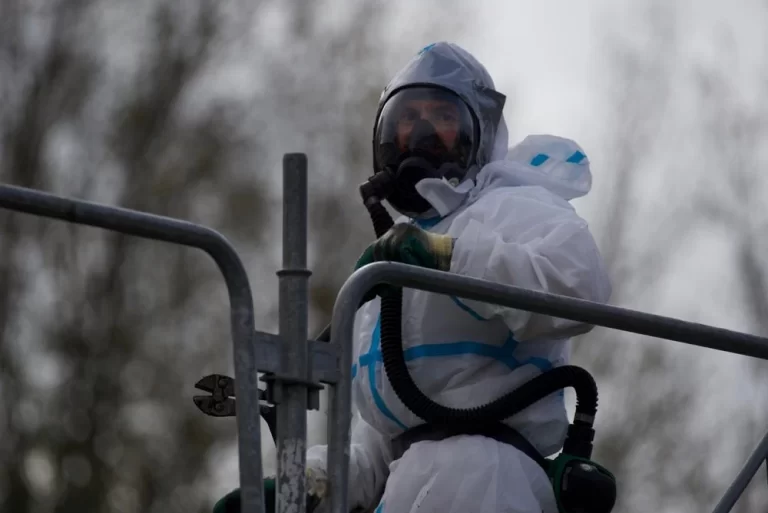
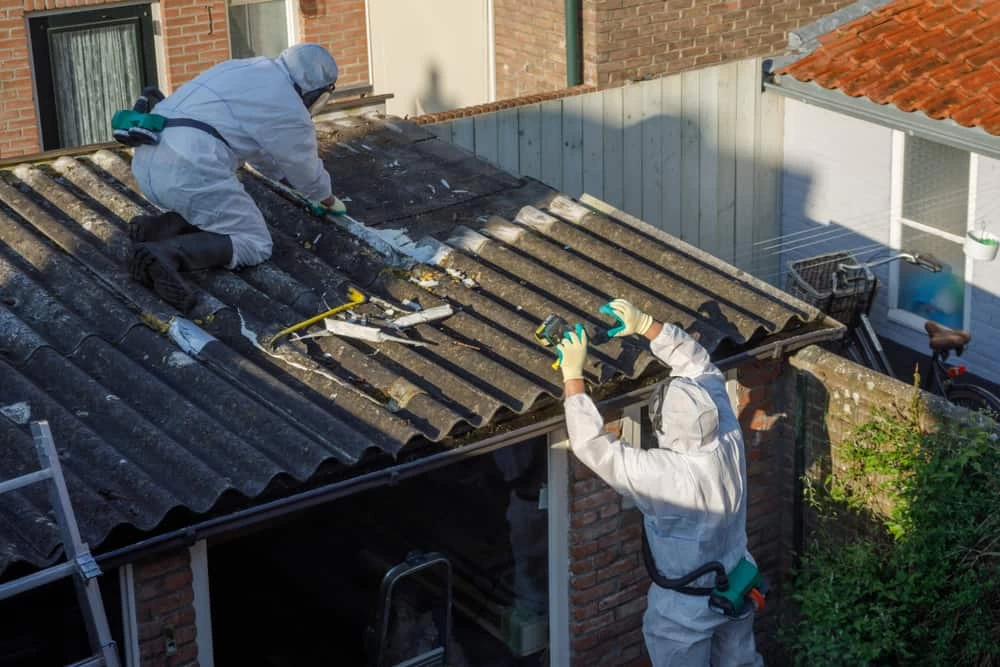
If asbestos-containing materials are confirmed, the next step is project notification to the New York State Department of Labor, which is required under Rule 56 before any abatement work begins. We handle that filing. You don’t have to navigate the regulatory process yourself. Once notification is in place, our abatement crew sets up proper containment, removes the materials under negative air pressure, and disposes of everything at a licensed facility in accordance with state and federal requirements.
The final step is clearance air testing — an independent confirmation that fiber levels are within safe limits before containment comes down. You get the clearance documentation, which is exactly what the Village of Mineola’s Building Department and any future buyer’s attorney will want to see. Spring tends to be the busiest season for abatement work on Long Island as renovation projects kick off, so scheduling early gives you more flexibility on timing.
The Full Scope, Built Around What Mineola Homes Actually Have
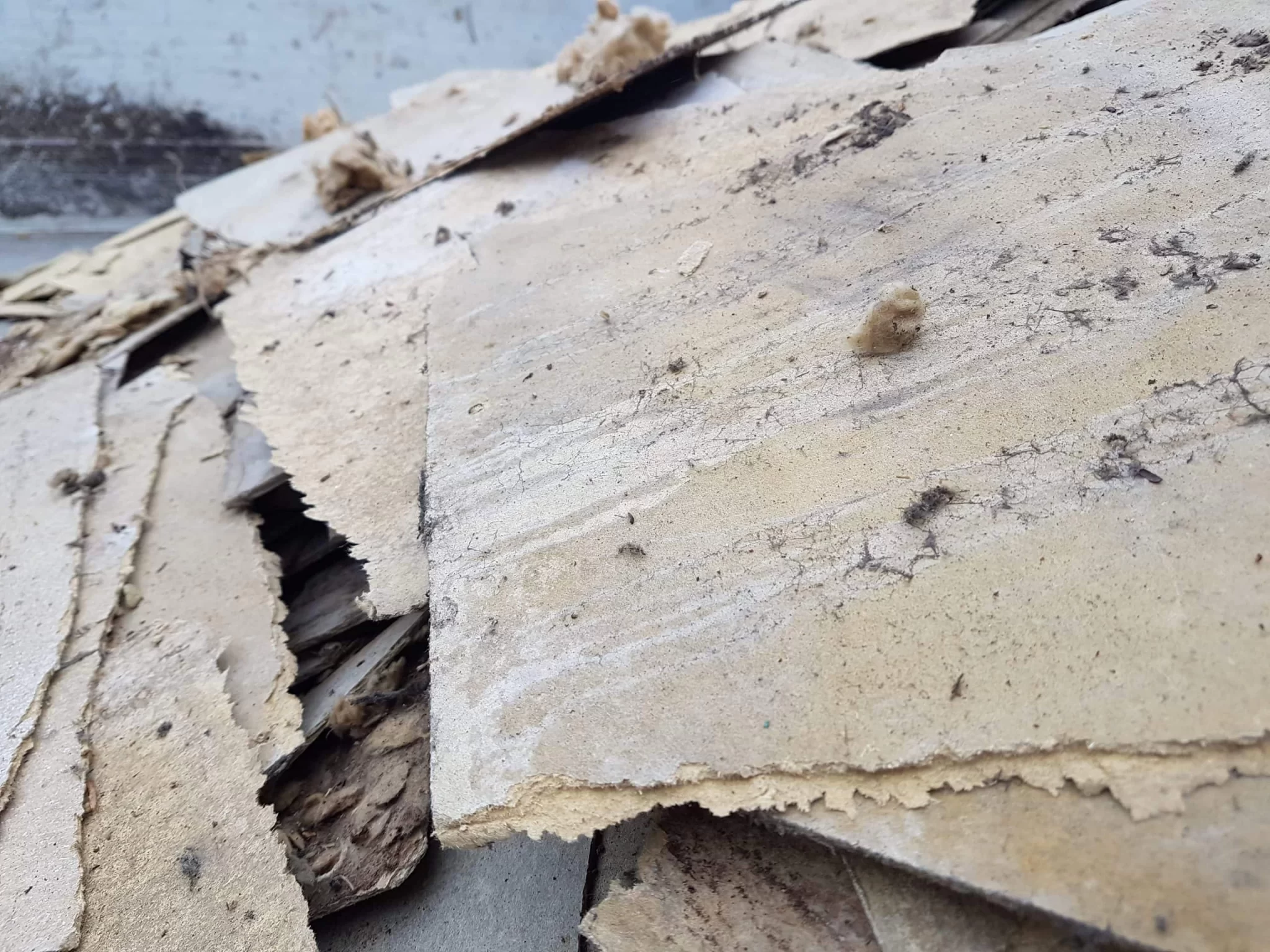
Asbestos abatement isn’t one-size-fits-all, and the materials commonly found in Mineola homes reflect a very specific construction era. The 9×9 vinyl asbestos floor tiles in kitchens and basements, the textured popcorn ceilings in living rooms and hallways, the pipe and boiler insulation in mechanical rooms — these are the materials that show up again and again in Nassau County’s post-war housing stock. Asbestos tile removal and asbestos popcorn ceiling removal are two of the most common project types in this area, and both require proper containment, certified removal, and disposal documentation to be done legally and safely.
For homeowners along the older residential streets of North Mineola or Central Mineola, the scope of a project often expands once work begins — materials that weren’t visible during initial inspection sometimes surface during demolition. We account for that. Our process is thorough, and if additional ACMs are identified mid-project, they’re handled under the same certified framework without starting over.
Commercial and institutional properties in Mineola — including medical offices, legal suites, and older mixed-use buildings along the Jericho Turnpike corridor — are also served. We provide pre-demolition surveys, NESHAP-compliant abatement, and full project documentation for property owners and developers navigating Mineola’s active redevelopment pipeline.
Does my Mineola home actually need asbestos testing before a renovation?
If your home was built before 1980, testing before any renovation isn’t just a good idea — in many cases, it’s legally required. Under New York State Industrial Code Rule 56 and federal NESHAP regulations, any renovation or demolition that may disturb asbestos-containing materials requires a certified inspection first. Skipping that step doesn’t just create a health risk — it creates legal exposure for the homeowner and any contractor involved.
In Mineola specifically, the age of the housing stock makes this a realistic concern for most older properties. Homes built between the 1940s and 1970s — which represent a significant portion of the village’s residential inventory — were constructed during the peak era of asbestos use. Floor tiles, ceiling texture, pipe insulation, and joint compound in those homes frequently contain asbestos. A certified inspection before your project starts is the only way to know for certain what you’re dealing with.
How long does asbestos abatement typically take for a Nassau County home?
Timeline depends on the scope — what materials are present, how much square footage is involved, and whether the project is residential or commercial. For a straightforward residential job in Mineola, like asbestos tile removal in a single room or popcorn ceiling removal in a few areas, the actual abatement work can often be completed in one to two days. What adds time is the required notification period under New York State Rule 56, which must be filed with the NYS Department of Labor before work begins.
For Mineola homeowners managing a renovation timeline or a real estate transaction with a closing date, that notification window is something to plan around. The earlier you schedule the initial inspection, the more flexibility you have on the back end. We work to keep the process moving efficiently, but the regulatory steps are fixed — and any contractor who tells you they can skip them is creating a liability problem, not solving one.
What happens if asbestos is found during a home sale in Mineola, NY?
Finding asbestos during a home sale doesn’t have to kill the deal — but how you handle it matters. In Nassau County’s real estate market, where single-family homes are selling in the $600,000 to $900,000 range, buyers and their attorneys are thorough. An inspection report that flags suspected asbestos-containing materials will need to be addressed before or at closing, and the documentation from a certified abatement project is what gives all parties confidence that the issue was resolved properly.
The most common scenario is that the seller arranges for a certified inspection, and if ACMs are confirmed, a certified abatement contractor removes them with proper air monitoring and disposal documentation. That clearance report — showing that fiber levels tested clean after abatement — is the paper trail that satisfies buyers, inspectors, and lenders. Trying to negotiate around a known asbestos issue without addressing it tends to create more problems than it solves, particularly in a community like Mineola where legal professionals are a significant part of the buyer pool.
Is asbestos popcorn ceiling removal something I can do myself in New York?
Technically, a homeowner can remove their own popcorn ceiling in New York — but only after confirming through certified laboratory testing that the material does not contain asbestos. If it does contain asbestos, the work must be performed by a contractor certified under New York State Industrial Code Rule 56. DIY removal of an asbestos-containing ceiling is illegal, and more importantly, it’s one of the most common ways people expose themselves and their families to airborne asbestos fibers.
Popcorn ceiling texture applied before 1980 has a high probability of containing chrysotile asbestos, particularly in homes built or renovated during the 1960s and 1970s — which describes a large portion of Mineola’s residential housing. The material becomes dangerous when it’s disturbed, because that’s when fibers become airborne. Scraping a ceiling without knowing what’s in it is not a risk worth taking. Get it tested first. If it comes back positive, a certified contractor handles the removal under proper containment so the rest of your home stays clean.
How much does asbestos abatement cost for a typical Mineola property?
Cost varies based on the type of material, the quantity involved, and the accessibility of the work area. For a residential job in Mineola — say, asbestos tile removal in a single room or pipe insulation removal around a basement boiler — you’re generally looking at a range of $1,500 to $4,000 depending on scope. Larger projects, like whole-floor tile removal or multi-room popcorn ceiling abatement, can run higher. Commercial projects are scoped and quoted separately based on square footage and material type.
What’s worth understanding is that the cost of certified abatement includes the regulatory compliance piece: project notification filing, air monitoring during work, and disposal at a licensed facility. Those aren’t optional add-ons. They’re required under New York State law, and they’re what make the clearance documentation legally valid. A significantly lower quote from an unlicensed operator almost always means those steps are being skipped — and the liability for that falls on the property owner, not the contractor.
How does Mineola's downtown redevelopment affect asbestos abatement requirements for commercial properties?
Mineola is in the middle of a real development cycle right now. The NY Forward Program committed $4.5 million to downtown revitalization, and a $70 million transit-oriented apartment project near the LIRR station has already received Nassau County IDA approval. When older commercial or mixed-use buildings along corridors like Second Street, Main Street, or Jericho Turnpike are being renovated or demolished, federal NESHAP regulations under the Clean Air Act require a pre-demolition asbestos survey before any work begins — no exceptions.
If ACMs are identified, a certified abatement contractor must complete the removal and file the appropriate notifications before demolition can proceed. For developers and property owners working within Mineola’s redevelopment pipeline, this isn’t a bureaucratic hurdle — it’s a legal prerequisite that affects your project schedule. Getting the survey done early, before permits are pulled and contractors are mobilized, is the move that keeps everything on track. We handle the full scope for commercial clients: survey, notification, abatement, and clearance documentation.