Minisink's Older Homes Hide This Here's What to Do
If your renovation just hit a wall literally and someone mentioned asbestos, you’re not alone. Asbestos abatement in Minisink, NY is more common than most homeowners expect, and Green Island Group handles it the right way, start to finish.
I needed a professional consultation explanation of procedure for safe removal of Asbestos in my apartment complex. Without having an account yet, I was very impressed with the caring, knowledgeable and generous advice offered by Jessica, and will look forward to doing business in the future. Thank you so much! I feel much more informed about a sometimes scary endeavor. Peace. Nancy Silva Mineola, NY.
Mia Munoz
Used this company to clean up some water flood in my house. They were fast and easy to work with.very professional, Would recommend to anyone!
Nini Valle
Great company, had a flood and they responded quickly and efficiently. Billed my insurance company directly. I highly recommend this company!
joe colapietro, jr
I had pipe freeze in my basement right before a snow storm and they made to within an hour to help start the clean up process. They we by our side throughout the entire process and even helped with the insurance company. They did such a great job with the cleanup, repair, remidiation, I contracted them to perform the repairs and finishes in the basement. They came with enough manpower and material to get the job done. Leo and Jessica were nothing but a pleasure to deal with!!
Cristian Arredondo c
I had some water damage in my home and Green Island was able to take care of my issue quickly and effectively. I am very pleased with the work they did. They responded quickly and were very professional.
Michael M
Outstanding service! From the office to the field crew everyone was friendly, helpful and responsive. I highly recommend Green Island Group.
Your Home Is Safe, Documented, and Move-Forward Ready
Discovering asbestos mid-renovation is one of the most frustrating things that can happen to a homeowner. Work stops. Your timeline shifts. And suddenly you’re searching for answers on something you didn’t even know you needed to know about. The good news is that it’s manageable but only if the right people handle it.
Minisink’s housing stock tells a specific story. From the older colonials and bi-levels along the Route 284 corridor to the farmhouses that have been standing since before the town was formally organized in 1788, a significant share of the homes here were built during the exact decades when asbestos was used in nearly everything floor tiles, pipe insulation, popcorn ceilings, roofing felt, joint compound. If your Minisink home was built between the 1940s and the late 1970s, there’s a real chance some of those materials are still in place.
What you get on the other side of proper abatement is clarity. You get a written clearance certificate from an independent industrial hygienist confirming the air is clean. You get documentation that satisfies lenders, buyers, and real estate attorneys if you’re in the middle of a transaction. And you get your renovation or your life moving again without the anxiety of not knowing what’s in your walls.
Owner-Operated Since 2012 We Know Minisink's Housing Stock
Green Island Group has been operating as a licensed environmental remediation contractor for over 12 years. We’re not a franchise. We’re not a national brand with a local phone number. We’re an independently owned company that holds a verified NYS Department of Labor Asbestos Contractor License the specific credential required by law to legally perform this work anywhere in New York State, including right here in Orange County.
We already serve communities throughout this region, including Minisink and the surrounding towns like Port Jervis and Middletown. We know the housing stock here the colonials built in the 1950s, the ranch homes from the 1960s and 70s, the older farmhouses scattered through Unionville and Westtown. We know what’s typically hiding inside these structures and we know the regulatory environment we’re operating in. Minisink isn’t new territory for us.
Green Island Group also holds dual NYS and NYC Minority/Women-Owned Business Enterprise certification a government-audited designation, not a self-reported one. When state agencies vet your financials and operations before issuing a credential, that means something. It means the company you’re calling has been looked at carefully and passed.
No Guesswork Just a Clear Process From Call to Clearance
It starts with a call and a site assessment. Before any work begins, a certified technician evaluates the materials in question and determines whether testing is needed. If samples are sent to an accredited lab and come back positive, you’ll receive a written scope of work and a transparent estimate before anything moves forward. No surprises, no pressure.
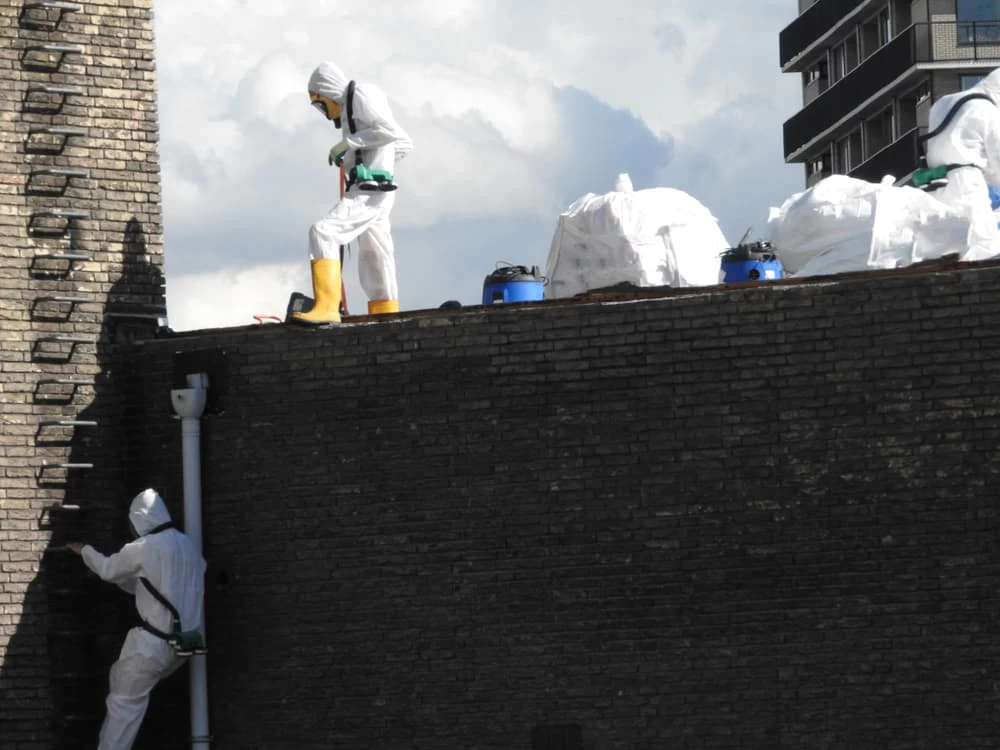
Once the project is approved, the work area is fully contained using negative air pressure and poly barriers meaning the rest of your home stays protected while abatement is underway. All asbestos-containing materials are removed by NYS-certified handlers, sealed in 6-mil poly bags, properly labeled, and transported to a licensed Class II disposal facility. Under New York State’s Industrial Code Rule 56, this isn’t optional procedure it’s the legal standard, and it’s exactly what we follow on every job in Orange County.
After removal is complete, an independent industrial hygienist conducts post-abatement air monitoring. That’s not a Green Island Group policy it’s a regulatory requirement before any space can be reoccupied. Once the air clears and the hygienist issues the written clearance certificate, you have documented proof the work was done correctly. That certificate is what your contractor, your lender, or your buyer’s attorney will ask for and you’ll have it.
Asbestos Tile and Popcorn Ceiling Removal, Minisink NY
Every Material, Every Scenario Handled Under One Roof
The most common asbestos-containing materials we find in Minisink homes are vinyl floor tiles particularly the 9×9 inch format that was standard in homes built through the 1960s along with popcorn ceilings, pipe insulation wrapping in basements, roofing felt, and textured wall compounds. Asbestos tile removal and asbestos popcorn ceiling removal are two of the most frequent requests we get from homeowners in this area, especially from buyers who purchased older homes along the Unionville or Westtown corridors and are now renovating.
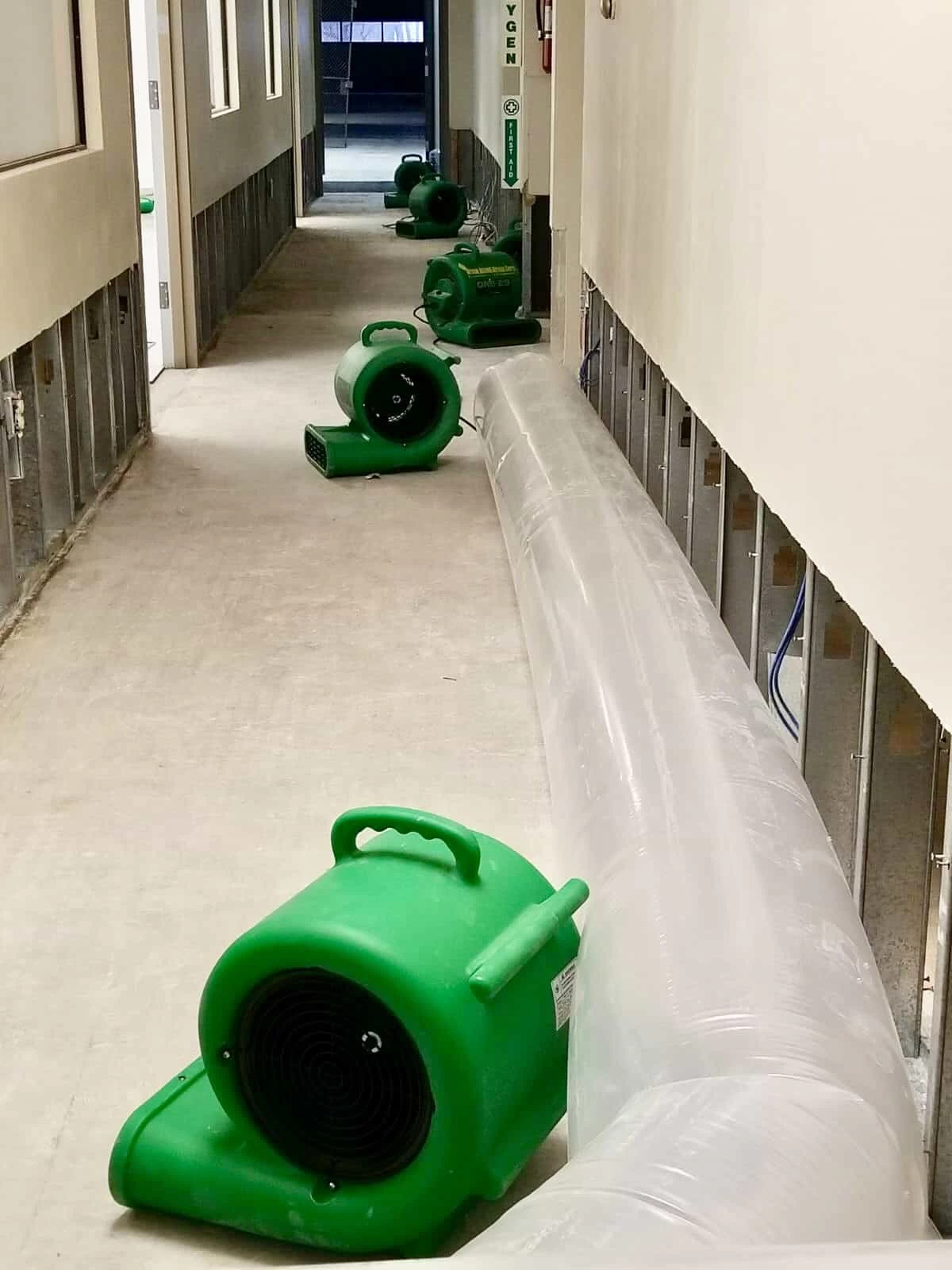
Minisink also sits in a documented flood zone, with tributaries of the Wallkill River running through the area. When water damage hits an older home whether from a storm, a burst pipe, or seasonal flooding it frequently disturbs pipe insulation or floor tiles that contain asbestos. We handle both the water damage restoration and the asbestos abatement, so you’re not trying to coordinate two separate contractors while your home is open and your family is displaced.
Beyond asbestos, we’re equipped to handle mold remediation, lead abatement, fire damage restoration, and full demolition all under the same license and the same crew. And if the cost of an unexpected abatement is hitting your renovation budget hard, we offer 0% APR financing up to $200,000 for qualifying projects. No other contractor in this market offers that.
Does my Minisink home actually need asbestos testing before I start renovating?
If your home was built before 1980, testing before any renovation is strongly recommended and in many cases required under New York State law. New York’s Industrial Code Rule 56 mandates that certain renovation and demolition activities involving older buildings include asbestos assessment before work begins. This isn’t just a formality. Disturbing asbestos-containing materials without proper containment releases fibers into the air that are invisible, odorless, and dangerous with repeated exposure.
In Minisink specifically, the housing stock spans a wide range of construction eras from 19th-century farmhouses in Unionville to mid-century colonials and ranch homes built through the 1970s. The materials used in those homes varied by decade, but many of them floor tiles, pipe wrap, ceiling texture, roofing felt routinely contained asbestos. A lab-confirmed test before you pull up flooring or open a ceiling costs far less than emergency abatement after the fact, and it gives you a clear picture of what you’re working with before your contractor touches anything.
How much does asbestos removal typically cost for a home in Orange County, NY?
Cost depends on the scope what materials are involved, how much square footage needs to be addressed, and how accessible the work area is. For residential projects in the Orange County market, asbestos popcorn ceiling removal typically runs $3 to $8 per square foot. Asbestos tile removal generally falls between $5 and $15 per square foot. Larger or more complex jobs pipe insulation in a basement, for example, or multiple material types in a home undergoing full renovation can range from several thousand dollars into the mid-five figures.
What most homeowners don’t anticipate is that abatement costs in the New York metro area, including Orange County, have risen 8 to 12 percent in recent years due to updated regulatory requirements and increased disposal costs. That’s a reason to get a written estimate early so you can plan accordingly. We offer 0% APR financing up to $200,000 for qualifying projects, which means an unexpected abatement cost doesn’t have to derail the renovation you already had budgeted.
Do we have to leave our house during asbestos abatement in Minisink?
It depends on where the work is located and how large the affected area is. For contained projects a single room, a basement section, or a defined ceiling area it’s often possible for the rest of the home to remain occupied while work is underway, provided proper containment is in place. For larger or whole-home projects, temporary displacement is typically recommended.
What makes this question especially important for Minisink families is that roughly 44 percent of households in this town have children under 18 at home. We take that seriously. Every abatement project we perform uses negative air pressure containment and poly barriers to isolate the work area from the rest of the living space, and no space is cleared for reoccupancy until an independent industrial hygienist has conducted post-abatement air monitoring and issued a written clearance certificate. That certificate is the documented confirmation that the air is safe not our word for it, but a third-party professional’s verified finding.
What is a post-abatement clearance certificate and why does it matter?
A clearance certificate is a written document issued by an independent industrial hygienist after post-abatement air monitoring confirms that airborne asbestos fiber levels have returned to acceptable thresholds. It is a regulatory requirement under New York State law the space legally cannot be reoccupied for its intended use until this testing is completed and the certificate is issued. It is not something a contractor issues about their own work. It comes from a separate, credentialed professional whose only job is to verify the result.
For Minisink homeowners, this document matters beyond just safety. If you’re selling your home, your buyer’s lender or attorney will likely ask for it. If you’re mid-renovation and your general contractor stopped work after discovering a suspect material, the clearance certificate is what gets them back on-site. We coordinate the industrial hygienist as part of the project you don’t have to source that separately. The job isn’t finished until that certificate is in your hands.
What types of asbestos materials are most commonly found in Minisink homes?
The most frequently encountered asbestos-containing materials in Minisink’s residential housing stock fall into a few consistent categories. Vinyl floor tiles particularly the 9×9 inch format common in homes built from the 1940s through the late 1960s are one of the most common finds, especially in kitchens, bathrooms, and basement utility areas. Popcorn ceiling texture, which was widely applied through the 1970s and even into the early 1980s, is another. Pipe insulation wrapping in older basements is a third, and it’s one of the more hazardous forms because it tends to be more friable meaning it crumbles and releases fibers more easily when disturbed.
Homes in the Unionville and Westtown areas of Minisink that date back to the early-to-mid 20th century may also contain asbestos in roofing felt, exterior siding panels, or textured wall compounds. The range of materials and construction eras here is wider than in a newer suburb, which is exactly why a proper inspection matters before any renovation work begins.
Can flooding or water damage in my Minisink home create an asbestos risk?
Yes and this is a scenario that comes up more often in Minisink than homeowners expect. The town sits in a documented flood risk area, with tributaries of the Wallkill River running through the region. Orange County’s hazard mitigation planning specifically identifies Minisink as having elevated flood exposure. When water intrudes into an older home, it doesn’t just damage drywall and flooring it can saturate and disturb materials that contain asbestos, particularly pipe insulation, floor tiles, and ceiling tiles in older construction.
The risk is that once those materials are wet and damaged, they become more friable easier to crumble, more likely to release fibers. A homeowner pulling up water-damaged floor tiles or cutting out wet ceiling sections without knowing those materials contain asbestos is creating an exposure risk that goes well beyond the water damage itself. We handle both water damage restoration and asbestos abatement, so if a storm or flood event affects your home and you’re dealing with both problems at once, one call covers it. You don’t have to manage two separate contractors while your home is open.