If your Mount Pleasant home was built before 1980, there’s a real chance asbestos is somewhere inside it. We offer licensed asbestos abatement in Mount Pleasant, NY with a free on-site inspection and no obligation to commit.
I needed a professional consultation explanation of procedure for safe removal of Asbestos in my apartment complex. Without having an account yet, I was very impressed with the caring, knowledgeable and generous advice offered by Jessica, and will look forward to doing business in the future. Thank you so much! I feel much more informed about a sometimes scary endeavor. Peace. Nancy Silva Mineola, NY.
Mia Munoz
Used this company to clean up some water flood in my house. They were fast and easy to work with.very professional, Would recommend to anyone!
Nini Valle
Great company, had a flood and they responded quickly and efficiently. Billed my insurance company directly. I highly recommend this company!
joe colapietro, jr
I had pipe freeze in my basement right before a snow storm and they made to within an hour to help start the clean up process. They we by our side throughout the entire process and even helped with the insurance company. They did such a great job with the cleanup, repair, remidiation, I contracted them to perform the repairs and finishes in the basement. They came with enough manpower and material to get the job done. Leo and Jessica were nothing but a pleasure to deal with!!
Cristian Arredondo c
I had some water damage in my home and Green Island was able to take care of my issue quickly and effectively. I am very pleased with the work they did. They responded quickly and were very professional.
Michael M
Outstanding service! From the office to the field crew everyone was friendly, helpful and responsive. I highly recommend Green Island Group.
Most homeowners in Mount Pleasant, Thornwood, Hawthorne, and Valhalla aren’t thinking about asbestos until something forces the issue a renovation, a burst pipe, a real estate transaction that suddenly requires documentation. When that moment hits, the last thing you want is to figure out who to call, whether they’re actually licensed, and whether the work will hold up to scrutiny. That’s the situation we’re built for.
Once abatement is done correctly, you get something most contractors don’t hand you: written air clearance documentation. In a market where Mount Pleasant homes are selling at a median of $745,000 and buyers are represented by attorneys who know exactly what to ask for, that paperwork isn’t a formality it’s a transaction asset. Sellers in Pleasantville and Sleepy Hollow are increasingly expected to produce it before closing.
The older housing stock in Mount Pleasant postwar colonials in Thornwood, mid-century ranches in Hawthorne, estate-era properties near Pocantico Hills wasn’t built with removal in mind. It was built with asbestos baked into the floor tiles, the ceiling texture, the pipe insulation. Winters here are hard on older homes. When pipes freeze and burst, they disturb materials that were stable for decades. Getting ahead of that, or responding to it correctly when it happens, is what protects both your family and your investment.
5,000+ Projects. Every License That Actually Matters Here.
We are a licensed asbestos abatement contractor serving Mount Pleasant, Westchester County, and the broader New York metro area. We hold the NYS Department of Labor Asbestos Handling License the specific credential that governs abatement work in Mount Pleasant and every other municipality in New York State outside of New York City. Every worker on every crew holds individual NYS DOL asbestos handler certification. These aren’t company-level claims. They’re public records you can verify.
We’ve completed more than 5,000 abatement projects across the region, which means we’ve worked in homes very much like yours pre-1980 construction in Mount Pleasant and surrounding towns, original materials, sometimes multiple ACM types in the same property. We also carry M/WBE certification from the NYS Office of General Services, which matters to a lot of the healthcare and institutional professionals who call us from the Valhalla and Hawthorne area.
We don’t subcontract. Every phase of your project assessment, containment, removal, disposal, and clearance documentation is handled by our own licensed team.
It starts with a free on-site inspection. One of our licensed team members comes to your Mount Pleasant property, looks at the materials in question, and tells you plainly what they see. If testing is warranted, we explain why. If it’s not, we tell you that too. You leave the inspection with real information, not a sales pitch.
If abatement is needed, we build a containment zone around the work area using polyethylene sheeting and negative air pressure systems. That means air flows into the containment not out of it so fibers stay contained while work is underway. HEPA-filtered air scrubbers run continuously inside the space. For most residential projects in Mount Pleasant, this setup means the rest of your home stays occupiable during the work, though we’ll walk you through the specifics for your situation before anything begins.
In Westchester County, abatement work is governed by New York State Industrial Code Rule 56 a standard that’s more stringent than federal OSHA requirements. We operate to that standard on every project, which is also what your building permit process may require documentation of if you’re renovating a pre-1980 structure in Mount Pleasant. When the work is done, we conduct post-abatement air clearance testing and hand you the written results. That documentation stays with your property.
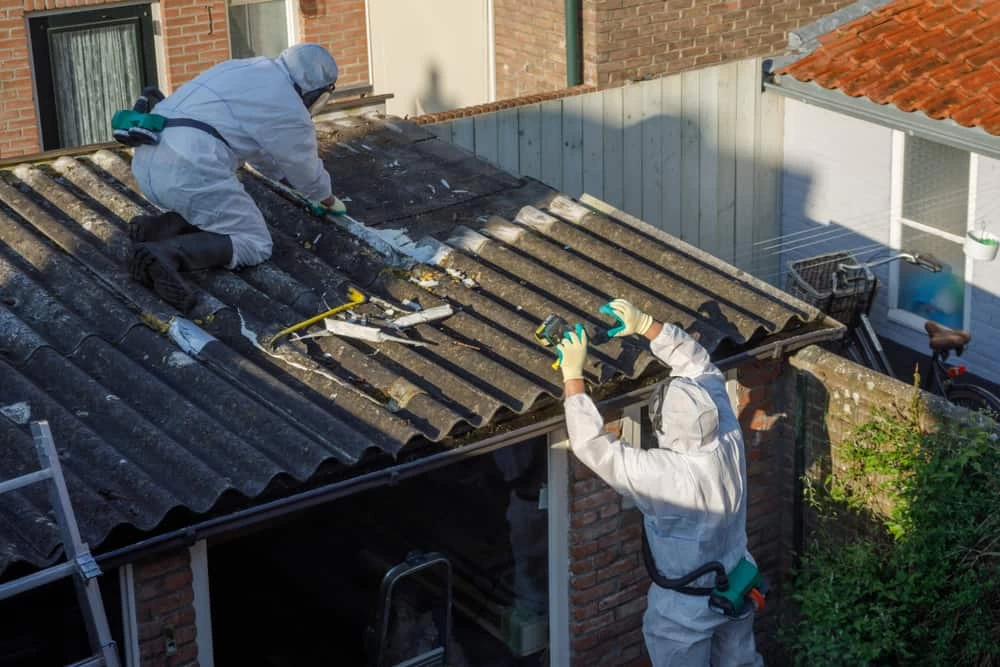
The asbestos-containing materials in pre-1980 Mount Pleasant homes aren’t one-size-fits-all. The postwar housing stock in Thornwood and Hawthorne tends to have 9×9 and 12×12 vinyl floor tiles, acoustic spray ceiling texture, and pipe insulation around older heating systems. Older properties in Pocantico Hills and parts of Sleepy Hollow may have earlier applications plaster with asbestos binders, transite siding, and steam pipe wrapping that becomes friable over time. We handle all of it.
Our asbestos removal services cover floor tile removal, popcorn ceiling removal, pipe and duct insulation removal, drywall joint compound, roofing materials, and transite panels. If a pre-renovation assessment turns up multiple material types which is common in Mount Pleasant homes that haven’t been significantly updated since they were built we’re a single point of contact for the full scope. No referrals, no handoffs.
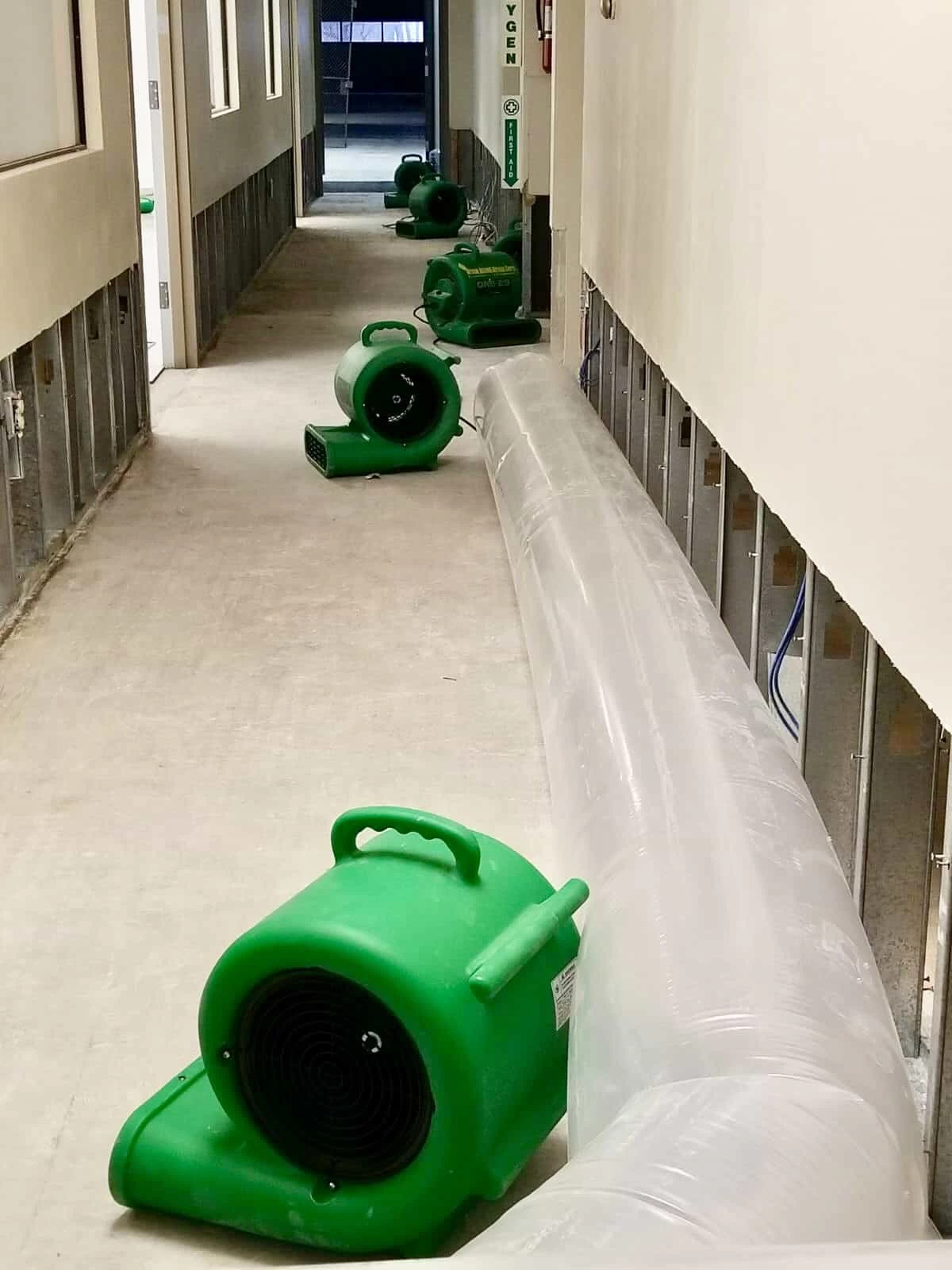
For projects triggered by water damage, we bill insurance carriers directly. If a burst pipe in your Hawthorne basement disturbed insulation around original steam pipes, you shouldn’t have to navigate a claim and a contractor relationship at the same time. We handle the documentation and coordinate with your insurer so the process moves without you being stuck in the middle. The Town of Mount Pleasant’s own guidance is clear: asbestos cannot go in the trash under any circumstances. We manage the full disposal chain proper packaging, licensed transport, approved facility and give you the waste manifest as part of your project file.
Does my Mount Pleasant home actually need asbestos testing before I renovate?
If your Mount Pleasant home was built before 1980, a pre-renovation asbestos assessment isn’t just a good idea in many cases it’s required. New York State Industrial Code Rule 56 governs renovation and demolition work on pre-1980 structures, and the Town of Mount Pleasant Building Department may require documentation of asbestos assessment or clearance before issuing a permit for certain project types. The safest approach is to get the assessment done before your general contractor starts opening walls or pulling up floors.
In practical terms, this protects you from a scenario that happens more often than people expect: a contractor disturbs asbestos-containing material without realizing it, stops work, and now you’re dealing with a contamination issue on top of a stalled renovation. The cost of a pre-renovation assessment is a fraction of what emergency abatement and project delays cost. If you’re planning a kitchen update in a Thornwood colonial or a bathroom renovation in a Hawthorne ranch, the assessment is the right first step and our inspection is free.
How do I know if my floor tiles or popcorn ceiling contain asbestos?
You can’t tell by looking. The only way to know for certain is to have the material sampled and tested by a licensed professional. That said, there are some reliable indicators. If your Mount Pleasant home was built between roughly 1940 and 1978, and the floor tiles are 9×9 or 12×12 inches, there’s a meaningful probability they contain asbestos it was a standard ingredient in vinyl floor tile during that era. Acoustic spray ceiling texture applied before the late 1970s is another common source.
What matters more than identifying the material by sight is understanding the condition. Asbestos-containing materials that are intact and undisturbed generally don’t pose an immediate risk. The concern is disturbance cutting, sanding, demolishing, or water-saturating materials that then release fibers into the air. In Mount Pleasant’s older housing stock, where water damage events are a recurring reality during cold winters and storm seasons, materials that were stable for decades can become a problem quickly. If you’re unsure, the right move is a professional assessment before you touch anything.
What happens to my family during asbestos removal do we have to leave?
It depends on the scope and location of the work, and we’ll give you a straight answer on this during the inspection not a generic one. For most residential abatement projects in Mount Pleasant, the containment setup we use is designed to isolate the work area from the rest of the home. Negative air pressure systems keep fibers from migrating beyond the containment zone, and HEPA-filtered air scrubbers run continuously inside the work area. In many cases, families can remain in unaffected parts of the house.
That said, there are situations where temporary displacement makes more sense particularly for larger projects, projects involving multiple rooms, or work in areas like basements and mechanical rooms where HVAC systems could theoretically circulate air throughout the home. We’ll walk through your specific layout and project scope before work begins and give you a clear recommendation. If you need to be out for a period, we’ll tell you upfront how long and why not after the crew has already arrived.
What documentation do I receive after asbestos abatement is completed?
Every completed project includes post-abatement air clearance documentation a written record of air sampling results confirming that fiber counts were within acceptable limits after the work was done. This is not a verbal assurance. It’s a formal document that certifies the work was completed to regulatory standard under New York State Industrial Code Rule 56, and it stays with your property permanently.
In Mount Pleasant’s real estate market, this document has direct practical value. Buyers, lenders, and title companies are increasingly sophisticated about environmental disclosure on pre-1980 properties, and clearance documentation is something a buyer’s attorney may specifically request before closing. If you’re preparing to sell a home in Pleasantville, Sleepy Hollow, or anywhere else in the town, having this on file before you list removes a potential deal complication entirely. You also receive the waste disposal manifest, which documents the chain of custody from your property to the approved disposal facility another record that demonstrates the work was handled legally and completely.
A pipe burst in my basement and I think it disturbed old insulation what do I do?
Stop disturbing the area and don’t try to clean it up yourself. If the insulation around your pipes is original to a pre-1980 home which is common in the older housing stock throughout Mount Pleasant, Hawthorne, Thornwood, and Valhalla there’s a real possibility it contains asbestos. Water-saturated pipe insulation is one of the most common ways previously stable asbestos-containing materials become a problem. Once it’s wet and crumbling, it releases fibers.
The practical next step is to keep the area closed off, avoid running HVAC systems that draw air from that space, and call a licensed abatement contractor before your plumber or restoration crew goes back in. We can assess the material, determine whether abatement is needed, and coordinate with your insurance carrier directly because this type of event is frequently covered. You shouldn’t be managing a water damage claim, a plumber’s schedule, and an abatement question at the same time. We handle the abatement side and the insurance documentation so the rest of the restoration can move forward cleanly.
How do I verify that an asbestos contractor is actually licensed to work in Westchester County?
The license you’re looking for is the New York State Department of Labor Asbestos Handling License. This is the governing credential for asbestos abatement work in Westchester County and all of New York State outside of New York City. It’s a public record you can look up any contractor’s license status directly on the NYS DOL website using the company name or license number. Any contractor who can’t immediately provide their NYS DOL license number when you ask is a contractor worth walking away from.
Individual workers also need to be certified not just the company. Under NYS Industrial Code Rule 56, every person who enters a regulated work area must hold a valid NYS DOL asbestos handler certificate. This is separate from the company-level license and equally verifiable. We hold the company license and maintain current individual certifications for every crew member. If you want to verify ours before scheduling an inspection, we’ll give you the number directly. That’s not a marketing offer it’s just how this should work.