Murray Hill's Older Homes Deserve More Than a Guess
Most homes in Murray Hill were built in the 1940s and 50s right when asbestos was standard. We handle the inspection, abatement, and clearance so you’re not left wondering what’s inside your walls.
I needed a professional consultation explanation of procedure for safe removal of Asbestos in my apartment complex. Without having an account yet, I was very impressed with the caring, knowledgeable and generous advice offered by Jessica, and will look forward to doing business in the future. Thank you so much! I feel much more informed about a sometimes scary endeavor. Peace. Nancy Silva Mineola, NY.
Mia Munoz
Used this company to clean up some water flood in my house. They were fast and easy to work with.very professional, Would recommend to anyone!
Nini Valle
Great company, had a flood and they responded quickly and efficiently. Billed my insurance company directly. I highly recommend this company!
joe colapietro, jr
I had pipe freeze in my basement right before a snow storm and they made to within an hour to help start the clean up process. They we by our side throughout the entire process and even helped with the insurance company. They did such a great job with the cleanup, repair, remidiation, I contracted them to perform the repairs and finishes in the basement. They came with enough manpower and material to get the job done. Leo and Jessica were nothing but a pleasure to deal with!!
Cristian Arredondo c
I had some water damage in my home and Green Island was able to take care of my issue quickly and effectively. I am very pleased with the work they did. They responded quickly and were very professional.
Michael M
Outstanding service! From the office to the field crew everyone was friendly, helpful and responsive. I highly recommend Green Island Group.
When asbestos is found mid-renovation in a Murray Hill rowhouse, everything stops. The contractor pauses. The timeline shifts. And suddenly you’re researching something you never expected to deal with. That moment doesn’t have to spiral.
The brick homes and attached two-story houses that line Murray Hill’s interior streets most of them built between the 1940s and 1960s commonly contain asbestos in places people don’t think to check: the 9×9 vinyl floor tiles under newer flooring, the pipe wrap around old steam heating systems, the spray-applied ceiling texture in bedrooms that haven’t been touched in decades. These aren’t rare findings here. They’re the norm. And knowing that upfront changes how you approach the whole project.
Once the abatement is done right contained, removed, and cleared with documented air testing you get your renovation back. You get your timeline back. If you’re selling, you get the paper trail your buyer’s attorney is going to ask for. And if you’ve just been living in the home, you get the peace of mind of knowing the air your family is breathing has been tested and confirmed clean. That’s the actual outcome. Not just “asbestos removed” but proof that it’s gone.
Every License Required. No Shortcuts on Murray Hill Jobs.
We’re a full-service environmental remediation and restoration contractor serving all five boroughs, including Queens. We hold the NYS DOL Asbestos license, NYC General Contractor license, NYC BIC Trade Waste certification, and USEPA Lead (RRP) certification the full stack required to work legally and properly on any pre-1987 property in New York City.
For Murray Hill homeowners, that last credential matters more than people realize. Because virtually every home between Northern Boulevard and 46th Avenue was built before 1978, lead paint and asbestos often show up in the same renovation scope. Most contractors are licensed for one or the other. We handle both under one contract, one inspection, one set of documentation.
We operate 24 hours a day, seven days a week, and bill insurance companies directly when the work is tied to a covered loss. If a boiler line fails in a 1950s rowhouse off Parsons Boulevard and disturbs decades-old pipe insulation, you don’t have to manage the insurance fight on top of everything else. That’s already handled.
No Surprises Here's Exactly What the Process Looks Like
It starts with a licensed inspection. A NYS-certified asbestos investigator assesses the materials that will be disturbed by your planned work whether that’s a kitchen gut, a bathroom remodel, a heating system replacement, or damage repair. In Murray Hill, where the median home was built in 1956, that inspection almost always turns up something. The goal isn’t to scare you it’s to know what you’re dealing with before anyone swings a hammer.
From there, if asbestos-containing materials are confirmed, the required ACP-5 or ACP-7 form gets filed with the NYC Department of Environmental Protection through their ARTS system. This is a step that’s specific to New York City and one that has to happen before the NYC Department of Buildings will issue your renovation permit. We handle that filing as part of the job. You don’t need to figure out the DEP’s online portal or track down the right form. That’s already built into the process.
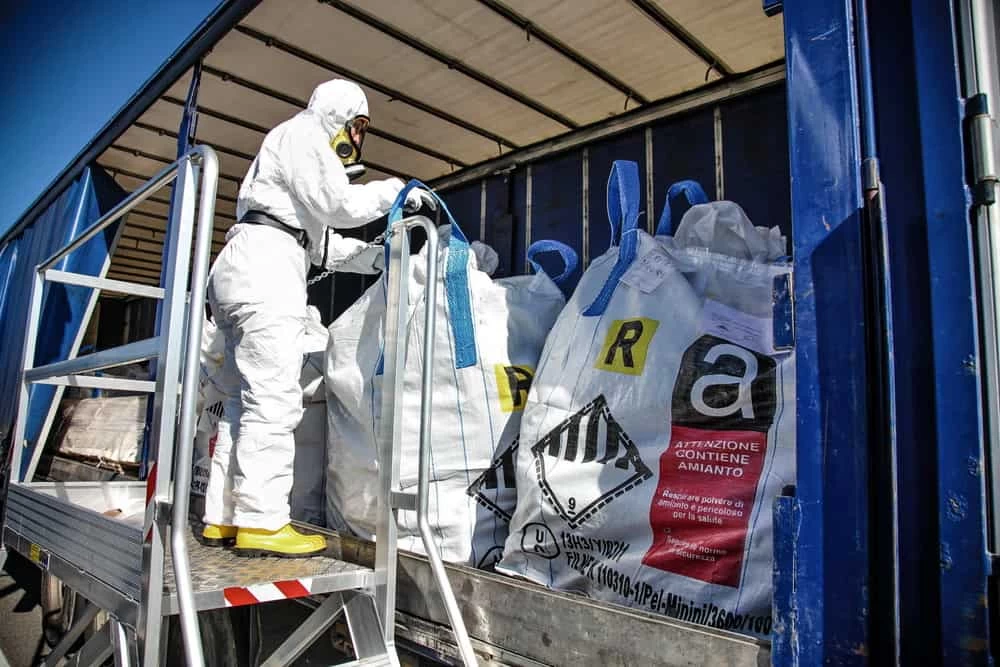
Once the filing is in order, the abatement begins. The work area is sealed and contained. Microtrap air scrubbers run throughout the job. When removal is complete, post-clearance air testing is conducted not as a formality, but because documented results are what actually prove the space is safe. You receive that documentation at the end, whether you need it for a permit, a real estate closing, or your own records.
This isn’t an inspection-only service or a removal-only crew. We cover the full scope: licensed asbestos inspection and testing, NYC DEP filing, contained abatement with air scrubbers running throughout, post-removal air clearance testing, and complete documentation at close-out. If the work uncovers additional hazards lead paint in the window trim, mold behind the tile that’s handled too, under the same contract, without having to bring in a second company.
The materials most commonly found in Murray Hill’s housing stock vinyl floor tiles, pipe insulation on steam heating risers, popcorn and spray-applied ceiling texture, drywall joint compound are exactly what our crews deal with on a regular basis in Queens. Asbestos tile removal and asbestos popcorn ceiling removal in attached brick homes require specific containment approaches that differ from open commercial spaces. We know the difference and work accordingly.
For homeowners managing a real estate transaction, the documentation package at the end the licensed inspection report, the DEP filing confirmation, and the post-clearance air test results is what allows a sale to move forward without complications. Murray Hill’s real estate market doesn’t slow down for asbestos surprises. Having the right paperwork, filed correctly, through a contractor who knows the NYC system, is what keeps your closing on schedule.
Do I need an asbestos inspection before renovating my Murray Hill home?
If your home was built before 1987 which covers virtually every property in Murray Hill New York City requires a licensed asbestos assessment before the Department of Buildings will issue a renovation permit. This isn’t optional, and it’s not something you can skip and sort out later. The NYC DEP requires either an ACP-5 or ACP-7 form to be filed, depending on the scope of the work, before any permitted renovation can legally begin.
In practical terms, this means that before your contractor can pull a permit for a kitchen renovation, bathroom remodel, or heating system replacement in a Murray Hill rowhouse, a NYS-certified asbestos investigator needs to assess the materials being disturbed. We handle that inspection as part of our full-service process so you’re not coordinating a separate inspector, a separate abatement crew, and a separate DEP filing. It’s one call, one scope, one set of documentation at the end.
What does asbestos abatement typically cost for a Queens rowhouse?
Cost depends on what’s found, where it is, and how much of it needs to be removed. For a single material like vinyl floor tile in one room or pipe insulation on a section of steam riser you’re generally looking at a few hundred to a couple thousand dollars for the abatement itself. Larger scopes, like full ceiling texture removal or multi-room tile abatement in a Murray Hill attached home, can run higher. NYC pricing also tends to run above national averages because of the regulatory overhead involved: the DEP filing, the licensed inspection, and the post-clearance air testing all add to the total.
What drives cost up more than anything is scope creep from undiscovered materials. Homes in Murray Hill’s vintage range built primarily in the 1940s through 1960s often have asbestos in multiple locations that weren’t part of the original renovation plan. Getting a thorough inspection upfront, rather than discovering additional materials mid-project, keeps the overall cost more predictable. We provide transparent, line-item quotes so you know what you’re paying for before the work starts.
How long does asbestos removal take in a typical Murray Hill home?
For a focused scope one room, one material type abatement can often be completed in one to two days. Larger projects, or homes where asbestos is present in multiple areas, take longer. The NYC DEP filing process adds time to the front end of the job: the ACP-7 notification, required for projects that constitute a formal asbestos project, involves a mandatory waiting period before work can begin. That timeline is built into the schedule from the start, so there are no surprises mid-project.
Post-clearance air testing adds a step at the end, but it’s not a delay it’s confirmation. The results come back from the lab, they go into your documentation package, and the space is cleared for reconstruction or continued renovation. For Murray Hill homeowners working against a renovation timeline or a real estate closing date, we build the DEP filing timeline and the clearance testing into the project schedule from the first conversation, so you’re not caught off guard by a step you didn’t know existed.
Is asbestos common in the older brick homes along Murray Hill's residential streets?
Yes and not just in one place. The brick rowhouses and attached two-story homes that define Murray Hill’s streetscape were built almost entirely between the 1940s and 1960s, which is squarely within the peak period of asbestos use in American residential construction. The materials most commonly found in these homes include 9×9 vinyl floor tiles (often hidden under newer flooring), pipe insulation wrapped around steam heating risers, spray-applied ceiling texture in bedrooms and hallways, and drywall joint compound in walls that have never been opened.
None of these are exotic industrial applications. They’re everyday postwar building materials that were standard practice at the time. The fact that a home has been lived in comfortably for decades doesn’t mean the asbestos is inert it means it hasn’t been disturbed yet. Once renovation work begins and those materials are cut, scraped, or broken, the risk changes. That’s the point at which a licensed inspection and proper abatement become necessary, not optional.
Can Green Island Group handle both asbestos and lead paint in the same project?
Yes, and for most Murray Hill homes, that’s exactly what’s needed. Any home built before 1978 which is the overwhelming majority of properties in this neighborhood can contain both asbestos-containing materials and lead paint. These hazards frequently show up in the same renovation scope: the floor tiles contain asbestos, and the window trim or door frames contain lead paint. Most abatement contractors are licensed for one or the other, which means homeowners end up coordinating two separate contractors, two separate inspection reports, and two separate regulatory processes.
We hold both the NYS DOL Asbestos license and USEPA Lead (RRP) certification, which means both hazards can be assessed, documented, and remediated under a single contract. For a Murray Hill homeowner doing a kitchen renovation or a full bathroom gut in a home built in the 1950s, that combination isn’t a nice-to-have it’s often the only way to get through the project without hitting a regulatory wall halfway through.
What documentation will I receive after asbestos abatement is completed in Murray Hill?
At the end of a properly completed asbestos abatement project in New York City, you should receive a complete documentation package not just a verbal confirmation that the work is done. That package includes the licensed asbestos inspection report, the DEP filing confirmation (ACP-5 or ACP-7, depending on scope), the post-removal air clearance test results from an accredited laboratory, and the project completion certificates required by NYC DEP.
This documentation matters beyond just peace of mind. If you’re selling your Murray Hill home, your buyer’s attorney will ask for proof of proper abatement and a verbal “we took care of it” won’t satisfy a real estate attorney or a title company. If you’re pulling a renovation permit, the DEP filing confirmation is what allows the Department of Buildings to move forward. And if the work was tied to an insurance claim, the documentation supports the claim file. We provide the full package at close-out, organized and ready to use because the paper trail is part of the job, not an afterthought.