Most homes in Neponsit were built before 1960 and nearly all of them contain materials that were standard back then and hazardous now. We handle asbestos abatement in Neponsit from the first inspection to the final clearance certificate, so your renovation, sale, or rebuild doesn’t stall.
I needed a professional consultation explanation of procedure for safe removal of Asbestos in my apartment complex. Without having an account yet, I was very impressed with the caring, knowledgeable and generous advice offered by Jessica, and will look forward to doing business in the future. Thank you so much! I feel much more informed about a sometimes scary endeavor. Peace. Nancy Silva Mineola, NY.
Mia Munoz
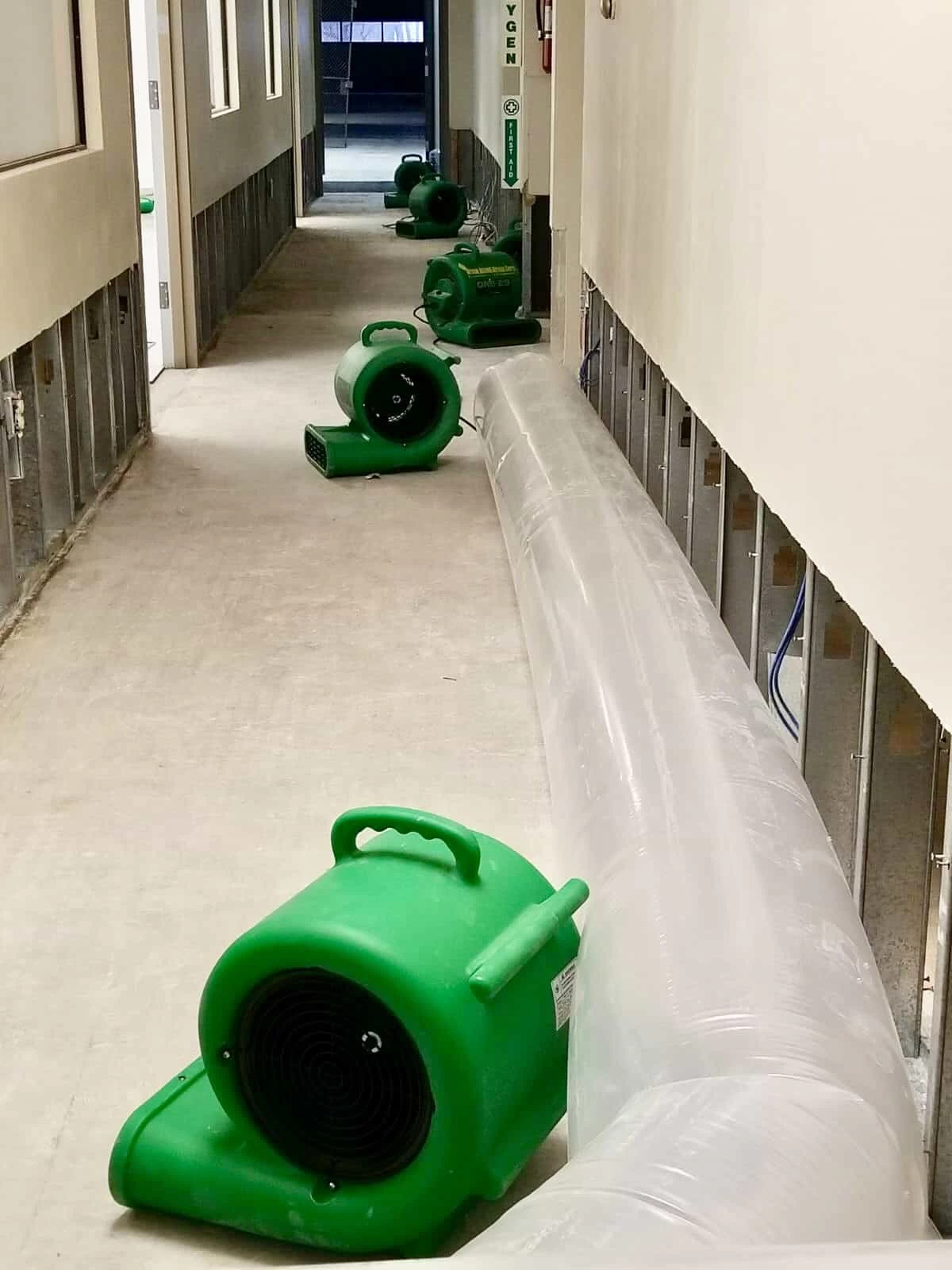
Used this company to clean up some water flood in my house. They were fast and easy to work with.very professional, Would recommend to anyone!
Nini Valle
Great company, had a flood and they responded quickly and efficiently. Billed my insurance company directly. I highly recommend this company!
joe colapietro, jr
I had pipe freeze in my basement right before a snow storm and they made to within an hour to help start the clean up process. They we by our side throughout the entire process and even helped with the insurance company. They did such a great job with the cleanup, repair, remidiation, I contracted them to perform the repairs and finishes in the basement. They came with enough manpower and material to get the job done. Leo and Jessica were nothing but a pleasure to deal with!!
Cristian Arredondo c
I had some water damage in my home and Green Island was able to take care of my issue quickly and effectively. I am very pleased with the work they did. They responded quickly and were very professional.
Michael M
Outstanding service! From the office to the field crew everyone was friendly, helpful and responsive. I highly recommend Green Island Group.
Your renovation gets unstuck. Your permit clears. Your home sale moves forward without a last-minute discovery derailing the deal. That’s what professional asbestos removal actually delivers not just a cleaner house, but the paperwork, the compliance, and the confidence to move forward.
For homeowners in Neponsit specifically, that matters more than it does almost anywhere else in Queens. The salt air and high humidity that come with living between the Atlantic and Jamaica Bay accelerate the breakdown of building materials. Insulation, floor tiles, and ceiling texture that might stay stable for decades in an inland home can become friable faster here crumbling, releasing fibers because of the moisture and coastal exposure your home deals with year-round.
And if you went through a major rebuild after Hurricane Sandy raised the foundation, replaced floors, gutted walls there’s a real chance asbestos-containing materials were disturbed in the process. Getting a proper inspection and clearance now isn’t just about safety. It’s about protecting a home worth well over a million dollars and making sure every future project starts on solid legal ground.
We hold the full stack of credentials required to legally perform asbestos abatement in New York City: NYS Department of Labor Asbestos license, NYC DEP compliance, USEPA Lead and RRP certification, and more than 15 active licenses covering everything from mold remediation to general contracting. That’s not a list for show in a city where the DEP and DOB have separate, overlapping requirements, it’s the difference between a project that closes cleanly and one that gets flagged.
We serve all five boroughs, including the Rockaway Peninsula communities of Neponsit, Belle Harbor, Rockaway Park, and Broad Channel. Getting out to Neponsit across the Marine Parkway Bridge or the Cross Bay Veterans Memorial Bridge is not a problem. We’re available 24/7, including emergency response for post-storm situations where water damage and asbestos exposure happen at the same time.
When your home is on the ocean side of Queens, you need a contractor who shows up, knows the local rules, and can handle whatever the job reveals.
From First Call to Clearance Certificate Here's the Sequence
It starts with an inspection by a DEP-Certified Asbestos Investigator. We assess your home, identify any asbestos-containing materials, and determine whether abatement is required. In Neponsit, where the median construction year is 1960 and a significant portion of homes date back to before 1940, that inspection almost always turns up something floor tiles, pipe insulation, boiler wrap, ceiling texture, or wall plaster. Knowing exactly what you have and where it is gives you a clear picture before anything gets disturbed.
From there, we handle the NYC DEP paperwork. That means filing the ACP-5 form which the NYC Department of Buildings requires before issuing renovation or demolition permits and, if abatement is needed, filing the ACP-7 project notification and obtaining the A-TRU permit. These aren’t optional steps you can skip and sort out later. The DOB won’t sign off on your project without them.
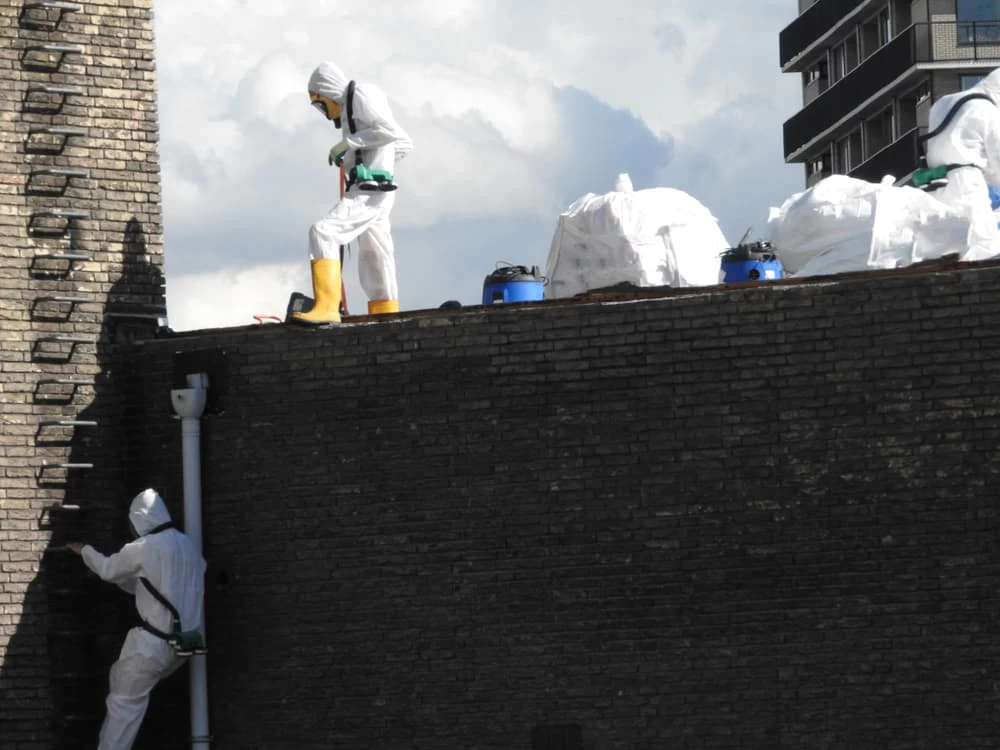
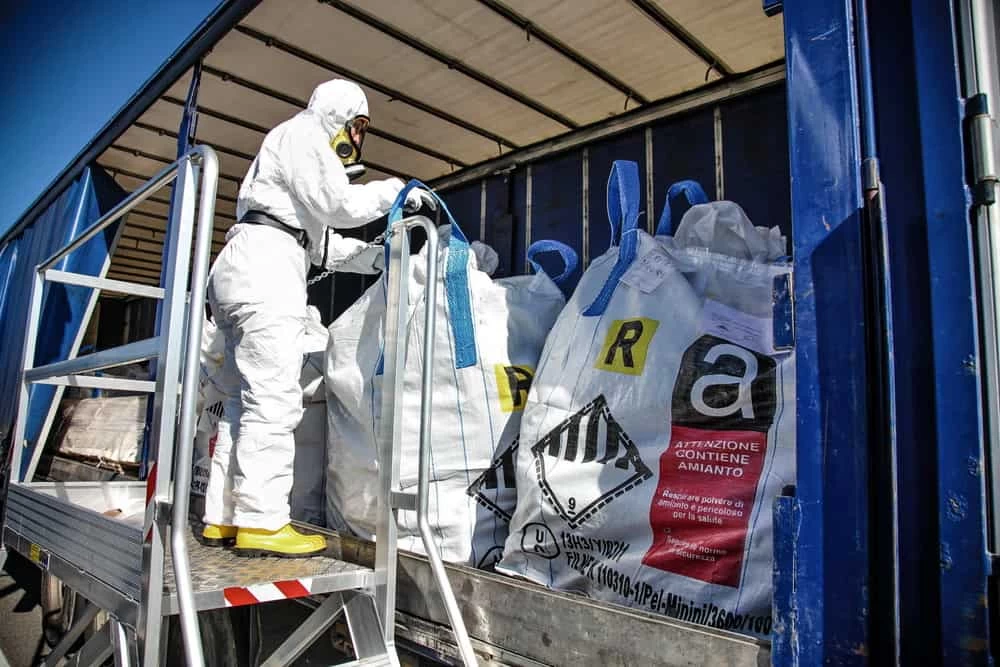
Once the permits are in place, the abatement work happens under controlled conditions contained, monitored, and documented. When the material is removed and the area is cleared, we provide the ACP-21 completion documentation. That’s what your contractor, your real estate attorney, and your insurance company will ask to see. You get a clean record from start to finish, not just a verbal confirmation that the work got done.
Asbestos abatement isn’t one thing it depends on what materials are present, where they are, and what you’re planning to do with the space. In Neponsit homes, the most common materials we encounter are vinyl asbestos floor tiles from the 1940s through 1970s, pipe and boiler insulation in older mechanical systems, popcorn ceiling texture applied during mid-century renovations, and roofing materials on homes that haven’t been fully updated since they were built. Each of those requires a different removal approach and different disposal protocols.
What stays consistent across every job is the regulatory process. Every project in Neponsit falls under the NYC DEP Asbestos Control Program not just state-level rules. That means the inspection, the permit filings, the abatement work, and the post-completion documentation all have to meet NYC DEP standards, which were updated in January 2025. We handle all of it, including electronic filing through the DEP’s ARTS system.
Beyond asbestos, we also handle mold remediation, water damage restoration, lead abatement, and general contracting. For homeowners managing a post-Sandy rebuild or a major renovation of a coastal property, that means you’re not coordinating three separate contractors one call covers the full scope of the project from hazardous material removal through finished reconstruction.
Do I need NYC DEP approval before removing asbestos in my Neponsit home?
Yes and this is one of the most important things to understand before you start any renovation project in New York City. The NYC Department of Environmental Protection has regulated asbestos since 1987, and their requirements apply on top of state-level rules, not instead of them. Before the NYC Department of Buildings will issue a renovation or demolition permit, you need an ACP-5 form completed by a DEP-Certified Asbestos Investigator. That form confirms whether asbestos is present and, if so, whether it’s below the threshold that requires formal abatement.
If abatement is required, an ACP-7 project notification must be filed with the DEP and an A-TRU permit obtained before any work begins. When the project is complete, ACP-21 documentation is issued as the official clearance record. Skipping any of these steps doesn’t just create a regulatory problem it can void permits, delay closings, and create liability that follows the property. In Neponsit, where homes regularly sell for well over a million dollars, that’s not a risk worth taking.
My Neponsit home was renovated after Hurricane Sandy could asbestos have been disturbed?
It’s a real possibility, and it’s worth getting checked. When Hurricane Sandy hit the Rockaway Peninsula in October 2012, the damage was severe enough that many Neponsit homeowners undertook major structural projects afterward raising foundations, replacing floors, gutting interiors, upgrading mechanical systems. Any of those projects could have disturbed asbestos-containing materials that were previously stable, particularly in homes built before 1980.
Water damage alone can make previously stable asbestos materials friable meaning they start to crumble and release fibers into the air. If your post-Sandy renovation happened quickly, under emergency conditions, and without a formal asbestos assessment beforehand, an inspection now will tell you whether any residual risk remains. It also gives you documentation that matters if you ever sell the home or undertake additional renovation work. Getting clarity on what’s there and what was handled, and how is straightforward. Not knowing is the part that creates problems down the line.
What does asbestos abatement typically cost for a single-family home in Queens?
Cost varies depending on what materials are present, how much of it there is, and where it’s located in the home. For most single-family residential projects, asbestos removal runs roughly $5 to $20 per square foot for interior materials, with full projects typically falling somewhere between $1,500 and $6,000 depending on scope. Popcorn ceiling removal tends to run on the higher end of that range around $9 to $20 per square foot because of the containment and air monitoring required.
In New York City, you also need to factor in permit fees. The NYC DEP charges permit fees based on the linear or square footage of material disturbed, ranging from $200 for minor disturbance up to $1,200 for larger projects. For Neponsit homeowners, the practical calculation isn’t just the cost of removal it’s the cost of not having proper documentation when a buyer’s inspector finds something during a sale, or when a contractor discovers material mid-renovation and the project has to stop. Doing it right the first time is almost always cheaper than cleaning up the paperwork later.
How do I know if my old floor tiles or popcorn ceiling in Neponsit contain asbestos?
You can’t tell by looking. Vinyl floor tiles installed between the 1940s and 1970s which are extremely common in Neponsit homes given the neighborhood’s median construction year of 1960 frequently contain asbestos as a binding agent. The same goes for popcorn ceiling texture applied before the mid-1980s, pipe insulation, boiler wrap, and certain types of wall plaster. None of these look different from their non-asbestos counterparts without laboratory testing.
The only way to know for certain is to have a sample collected by a certified asbestos inspector and sent to an accredited laboratory for analysis. That process is straightforward, non-destructive, and typically completed within a few days. If the results come back positive and the material is in good condition and won’t be disturbed, it may not require immediate removal we’ll walk you through what the findings mean and what your options are. If you’re planning any renovation that would disturb the material, abatement needs to happen before that work starts.
Can water damage from a coastal storm cause asbestos to become dangerous in my home?
Yes, and this is a specific concern for homes on the Rockaway Peninsula. Asbestos-containing materials that are intact and undisturbed generally don’t pose an immediate health risk the danger comes when the material becomes friable, meaning it starts to break apart and release microscopic fibers into the air. Water infiltration is one of the primary causes of that breakdown. When moisture gets into pipe insulation, floor tiles, or ceiling texture, it can degrade the binding material and cause the asbestos to crumble.
For Neponsit homeowners, the combination of salt air, high humidity, and the real risk of storm surge flooding creates conditions that accelerate that deterioration faster than in inland homes. If your home has experienced flooding whether from a major storm or a slower moisture intrusion event and you haven’t had an asbestos assessment since, it’s worth scheduling one. The inspection will tell you whether any previously stable materials have been compromised and whether the current condition of those materials poses a risk that needs to be addressed.
Do I need an asbestos inspection before listing my Neponsit home for sale?
You’re not legally required to conduct an asbestos inspection before listing, but in Neponsit’s market, it’s one of the smarter things you can do before going to market. Homes here regularly sell for over a million dollars, and buyers at that price point hire thorough inspectors. If asbestos is discovered during a buyer’s inspection, you’re suddenly negotiating under pressure price reductions, delayed closings, or buyers walking away entirely. Having a clean asbestos clearance certificate in your disclosure package removes that variable before it becomes a problem.
It’s especially relevant if your home was built before 1980 and hasn’t had a full interior renovation, or if you went through significant post-Sandy reconstruction and don’t have documentation of how materials were handled at the time. Neponsit homes move quickly the average days on market is around 20 days and a pre-sale asbestos clearance keeps that momentum going rather than stalling at the inspection stage. The cost of the inspection and any necessary abatement is almost always less than what you’d lose in a last-minute price negotiation.