Most homes along the Route 347 corridor were built during the peak decades of asbestos use and if yours is one of them, asbestos abatement in Nesconset isn’t a maybe. It’s a matter of when.
I needed a professional consultation explanation of procedure for safe removal of Asbestos in my apartment complex. Without having an account yet, I was very impressed with the caring, knowledgeable and generous advice offered by Jessica, and will look forward to doing business in the future. Thank you so much! I feel much more informed about a sometimes scary endeavor. Peace. Nancy Silva Mineola, NY.
Mia Munoz
Used this company to clean up some water flood in my house. They were fast and easy to work with.very professional, Would recommend to anyone!
Nini Valle
Great company, had a flood and they responded quickly and efficiently. Billed my insurance company directly. I highly recommend this company!
joe colapietro, jr
I had pipe freeze in my basement right before a snow storm and they made to within an hour to help start the clean up process. They we by our side throughout the entire process and even helped with the insurance company. They did such a great job with the cleanup, repair, remidiation, I contracted them to perform the repairs and finishes in the basement. They came with enough manpower and material to get the job done. Leo and Jessica were nothing but a pleasure to deal with!!
Cristian Arredondo c
I had some water damage in my home and Green Island was able to take care of my issue quickly and effectively. I am very pleased with the work they did. They responded quickly and were very professional.
Michael M
Outstanding service! From the office to the field crew everyone was friendly, helpful and responsive. I highly recommend Green Island Group.
When asbestos shows up during a home inspection, a renovation, or a furnace replacement the clock starts moving fast. Especially in Nesconset’s real estate market, where median sold prices hit $744,500 in late 2024 and homes move to pending in weeks. A deal doesn’t wait for an abatement contractor who can’t get there.
What you actually want is straightforward: the material gone, the air tested, the paperwork in order, and your project back on track. That’s what proper asbestos remediation delivers. Not just removal full clearance documentation that protects you legally, whether you’re selling, renovating, or simply protecting the people living under your roof.
The homes in Nesconset were built during the 1950s, 60s, and early 70s, when asbestos was standard in everything from floor tiles to pipe insulation. Knowing that going in means fewer surprises, faster assessments, and a cleaner outcome on the other side.
We Know Nesconset's Housing Stock and What's Inside These Walls
We serve Nesconset and the broader Smithtown area with licensed asbestos abatement and remediation. Every technician is certified through NYS DOL-approved training, every project is handled under Industrial Code Rule 56, and every job ends with documented clearance not just a handshake.
This isn’t a national directory routing your call to whoever’s available. Our team at Green Island Group has worked in post-war ranches and colonials throughout Suffolk County homes with the same vinyl tile floors, the same steam boilers, the same popcorn ceilings you’re looking at right now in Nesconset. That familiarity matters when you need an accurate scope and a fast start.
Whether you’re two weeks from a closing date or just found something suspicious while gutting a bathroom off Smithtown Boulevard, the process starts with a straight answer not a sales pitch.
It starts with an assessment. A certified inspector walks the property, identifies any suspected asbestos-containing materials, and gives you a clear picture of what you’re dealing with whether that’s floor tile adhesive in a finished basement, insulation wrapped around a boiler, or a textured ceiling that went up in 1971. For homes in Nesconset built before 1974, New York State Industrial Code Rule 56 requires this survey before any renovation or demolition work begins. That’s not optional, and we handle it correctly from the start.
Once the scope is confirmed, the abatement work begins under full containment. Negative pressure enclosures, wet methods to keep fibers from becoming airborne, HEPA vacuuming throughout the process is methodical because it has to be. Suffolk County routes asbestos project permits through the county health department before NYSDOL notification, which adds a few business days to the timeline. We manage all of that on your behalf so nothing stalls your project.
The job closes with independent clearance air testing. You receive the documentation in writing a complete record that the work was done correctly and that your home is clear. For anyone approaching a sale or a major renovation in this market, that paperwork is worth keeping.
The asbestos-containing materials most commonly found in Nesconset homes aren’t random they’re predictable based on when and how this neighborhood was built. Asbestos tile removal is one of the most frequent requests, particularly the 9×9 and 12×12 vinyl floor tiles and their black mastic adhesive found in basements, kitchens, and utility rooms of homes built in the 50s and 60s. Asbestos popcorn ceiling removal is another the spray-applied textured ceilings that were standard through the late 1970s and are still sitting in split-levels and colonials throughout the area.
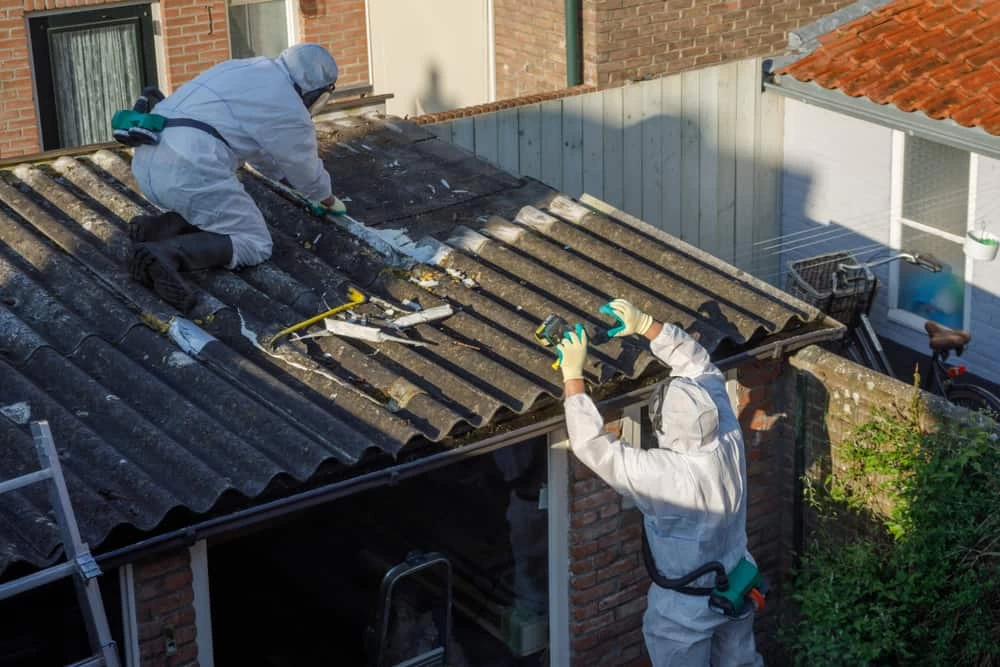
Beyond tile and ceiling work, we handle pipe and boiler insulation removal, joint compound abatement, roofing and siding material remediation, and full pre-renovation surveys for homes where the scope isn’t yet clear. If you’re replacing a heating system, finishing a basement, or doing a full gut renovation, a proper asbestos assessment before the first wall comes down is the move that protects everything downstream.
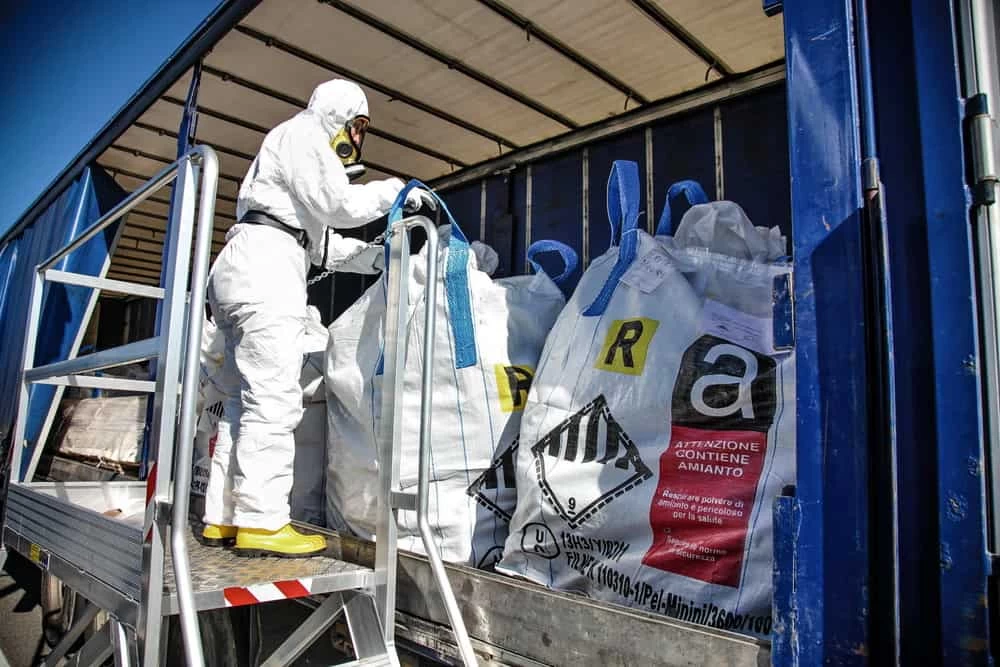
Every project includes pre-work air testing, full containment setup, compliant waste disposal at licensed facilities, and written clearance documentation. The Town of Smithtown’s permitting process and Suffolk County Health Department requirements are built into our workflow not treated as an afterthought. You get a complete job, not just a crew that shows up and pulls material.
Do most Nesconset homes actually contain asbestos, or is that overstated?
It’s not overstated it’s just the math. Nesconset’s housing boom was triggered by the construction of Route 347 in the 1950s, and the overwhelming majority of homes here were built between 1950 and the mid-1970s. That’s the exact window when asbestos was used most heavily in American residential construction. Floor tile adhesives, pipe insulation, popcorn ceilings, roofing shingles, joint compound all of it was standard practice during those decades.
That doesn’t mean every square foot of your home is a hazard. Asbestos-containing materials that are intact and undisturbed generally don’t pose an immediate risk. The problem starts when those materials are cut, drilled, sanded, or demolished which is exactly what happens during a renovation. If your home was built before 1974, a professional inspection before any significant work begins is the smart move.
What does asbestos abatement actually cost for a home in Nesconset?
Based on completed projects in the Nesconset area, asbestos removal typically runs $20 to $65 per square foot, with most residential jobs falling somewhere between $1,200 and $3,000. That said, many homes in this area have multiple floors, finished basements, older heating systems, and original ceilings which means the scope can exceed that range depending on what’s found and where.
The more important number to keep in mind is what’s at stake. With median home values in Nesconset approaching $750,000 and rising, a properly documented abatement project is a straightforward investment. It protects your equity, keeps your renovation on schedule, and removes a disclosure issue that can complicate or kill a real estate transaction. Getting a clear, itemized estimate before work begins with no hidden fees for containment, air monitoring, or disposal is the baseline expectation you should have from any licensed contractor.
Is an asbestos inspection required before I renovate my Nesconset home?
Yes under New York State Industrial Code Rule 56, any building whose construction began before 1974 requires an asbestos survey before demolition, remodeling, renovation, or repair work starts. That applies to virtually every home in Nesconset. This isn’t a suggestion or a best practice it’s a legal requirement, and skipping it exposes you to real liability if something goes wrong during the project.
The survey has to be conducted by a certified inspector, and the results determine whether abatement is required before your contractor can proceed. In Suffolk County, the permitting process also routes through the county health department before the NYS Department of Labor is notified, which affects your project timeline. If you’re working against a deadline a contractor start date, a closing date, a permit window factoring in that lead time from the beginning will save you a significant headache later.
Can I just leave the asbestos alone if it's not being disturbed?
In some cases, yes encapsulation or leaving intact material undisturbed is a legitimate option when the material is in good condition and won’t be touched. A certified inspector can assess whether that’s appropriate for your specific situation. But “leaving it alone” only works if it actually stays alone, and that’s harder to guarantee than most homeowners expect.
The reality in Nesconset is that most people asking this question are in the middle of a renovation, a sale, or a heating system replacement all situations where the material is about to get disturbed whether you plan for it or not. A boiler swap exposes pipe insulation. A kitchen gut hits floor tile adhesive. A roof replacement uncovers asbestos-cement shingles. If there’s any chance the material will be touched during your project, handling it correctly before work begins is significantly less disruptive and less expensive than stopping mid-project to bring in an abatement crew after the fact.
How long does asbestos abatement take, and will it delay my renovation or closing?
Timeline depends on the scope, but most residential abatement projects in the Nesconset area are completed within one to three days for standard material types floor tiles, popcorn ceilings, pipe insulation. Larger jobs involving multiple material types or more complex containment needs can run longer. The part that catches homeowners off guard isn’t the removal itself it’s the permitting lead time.
Suffolk County routes asbestos project notifications through the county health department before they go to the NYS Department of Labor Asbestos Control Bureau. That process adds business days to the front end of the project. If you’re working toward a specific closing date or contractor start date, building that lead time into your schedule rather than discovering it the week you need work to begin is the difference between a smooth transaction and a scramble. Reaching out early gives you the most options.
What should I do if a home inspector flagged asbestos during my Nesconset home purchase?
First, don’t panic and don’t let anyone pressure you into making a fast decision without the right information. An inspector flagging suspected asbestos-containing materials is common in Nesconset’s housing stock, and it doesn’t automatically mean the deal is dead or that you’re looking at a massive remediation project. What it means is that you need a licensed abatement contractor to assess the actual scope before you can make an informed call.
From there, the path forward depends on what’s found, where it is, and what condition it’s in. In many cases, sellers remediate prior to closing. In others, buyers negotiate a credit and handle it after purchase. Either way, having a clear, documented assessment from a licensed contractor not just a general inspector’s note gives you the specific information you need to move the transaction forward. In a market where Nesconset homes are selling fast and buyers are competing, having that clarity quickly is what keeps a deal intact.