Chappaqua Homes Deserve More Than a Generic Abatement Crew
If your home in New Castle was built before 1980, asbestos abatement isn’t a maybe it’s something you need to understand before you renovate, sell, or assume everything’s fine.
I needed a professional consultation explanation of procedure for safe removal of Asbestos in my apartment complex. Without having an account yet, I was very impressed with the caring, knowledgeable and generous advice offered by Jessica, and will look forward to doing business in the future. Thank you so much! I feel much more informed about a sometimes scary endeavor. Peace. Nancy Silva Mineola, NY.
Mia Munoz
Used this company to clean up some water flood in my house. They were fast and easy to work with.very professional, Would recommend to anyone!
Nini Valle
Great company, had a flood and they responded quickly and efficiently. Billed my insurance company directly. I highly recommend this company!
joe colapietro, jr
I had pipe freeze in my basement right before a snow storm and they made to within an hour to help start the clean up process. They we by our side throughout the entire process and even helped with the insurance company. They did such a great job with the cleanup, repair, remidiation, I contracted them to perform the repairs and finishes in the basement. They came with enough manpower and material to get the job done. Leo and Jessica were nothing but a pleasure to deal with!!
Cristian Arredondo c
I had some water damage in my home and Green Island was able to take care of my issue quickly and effectively. I am very pleased with the work they did. They responded quickly and were very professional.
Michael M
Outstanding service! From the office to the field crew everyone was friendly, helpful and responsive. I highly recommend Green Island Group.
Most homeowners in New Castle don’t find out they have asbestos until a contractor stops mid-project and tells them he can’t continue. Or a buyer’s attorney flags it three days before closing on a $1.4 million home in Whippoorwill. That’s the moment you don’t want to be scrambling for answers.
When asbestos is properly identified, removed, and documented, your project gets back on track. You get a clearance certificate that holds up in a real estate transaction. And you stop carrying the liability of not knowing what’s inside the walls, floors, or ceilings of a home that was almost certainly built during the era when asbestos was standard in construction.
New Castle’s housing stock is heavily concentrated in the postwar decades the 1950s, 60s, and early 70s when vinyl asbestos tile, pipe insulation, popcorn ceiling texture, and drywall joint compound containing asbestos were routine in new builds. Add the fact that northern Westchester winters are hard on older homes ice dams, pipe bursts, water intrusion and the odds of a disturbance event go up every year. Getting ahead of it protects your family, your renovation timeline, and the value of your home.
We are a fully licensed asbestos abatement contractor serving New Castle and the broader northern Westchester area. We hold a NYS Department of Labor Asbestos Handling License the specific license required under Industrial Code Rule 56 for any legal asbestos abatement work in Chappaqua, Millwood, and the surrounding communities. That license is a public record. You can look it up.
Beyond licensing, we carry EPA certification, NYS DEC compliance for disposal, lead abatement certification, and M/WBE certification from the NYS Office of General Services a state-issued credential that required formal vetting, not a self-designation. We have completed more than 5,000 projects across residential, commercial, and institutional settings, which means the range of scenarios found in New Castle’s older homes from estate-sized colonials off Roaring Brook Road to condominium units in the Millwood West End is territory we’ve covered before.
No Surprises Here's Exactly How the Work Gets Done
It starts with a free on-site inspection. One of our licensed professionals comes to your New Castle home, assesses the materials in question, and gives you a clear picture of what you’re dealing with whether that’s 9×9 vinyl tile in a basement, popcorn ceiling texture in a bedroom, or pipe insulation around an older boiler. You get a written estimate before anything else happens.
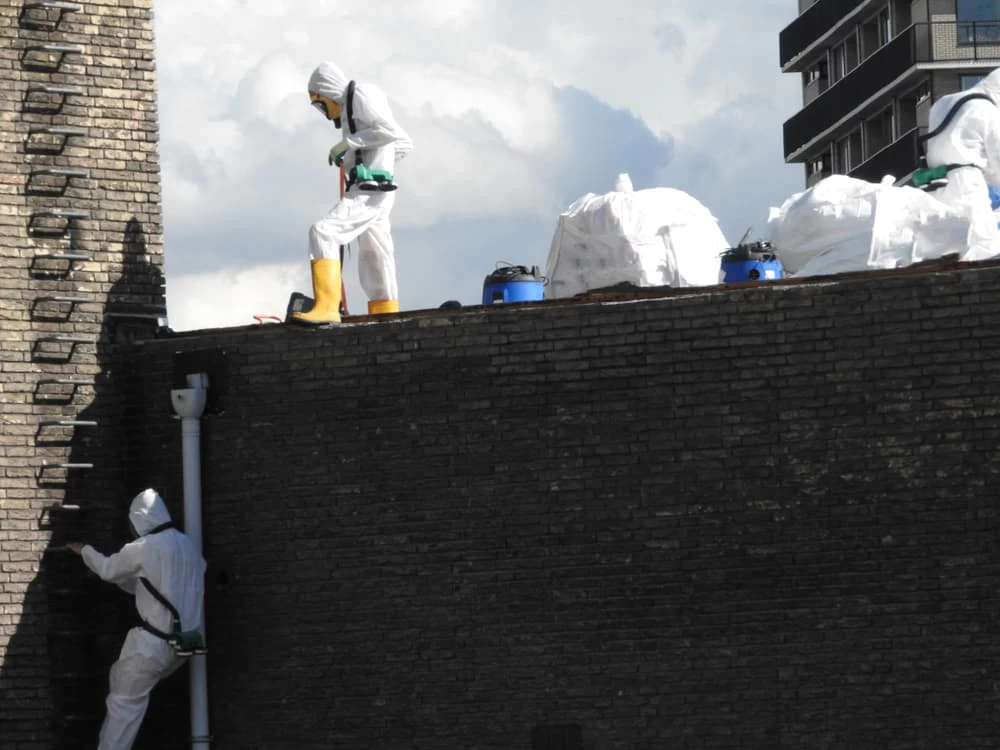
If abatement is needed, we seal the work area using polyethylene containment and put it under negative air pressure. That means air flows into the containment zone, not out of it so fibers can’t migrate to the rest of your home while work is underway. HEPA-filtered air scrubbers run continuously throughout the job. For families in New Castle with kids in the Chappaqua Central School District, this part of the process matters. The rest of your home stays protected.
Once removal is complete, we conduct air clearance testing through an independent party. When the results come back clean, you receive formal post-abatement clearance documentation the written record that the work was done to the required standard under NYS Industrial Code Rule 56. That document is what your real estate attorney, your lender, and your renovation contractor will need. We provide it as a standard deliverable, not an add-on.
Every Material Type, One Licensed Team, Full Documentation
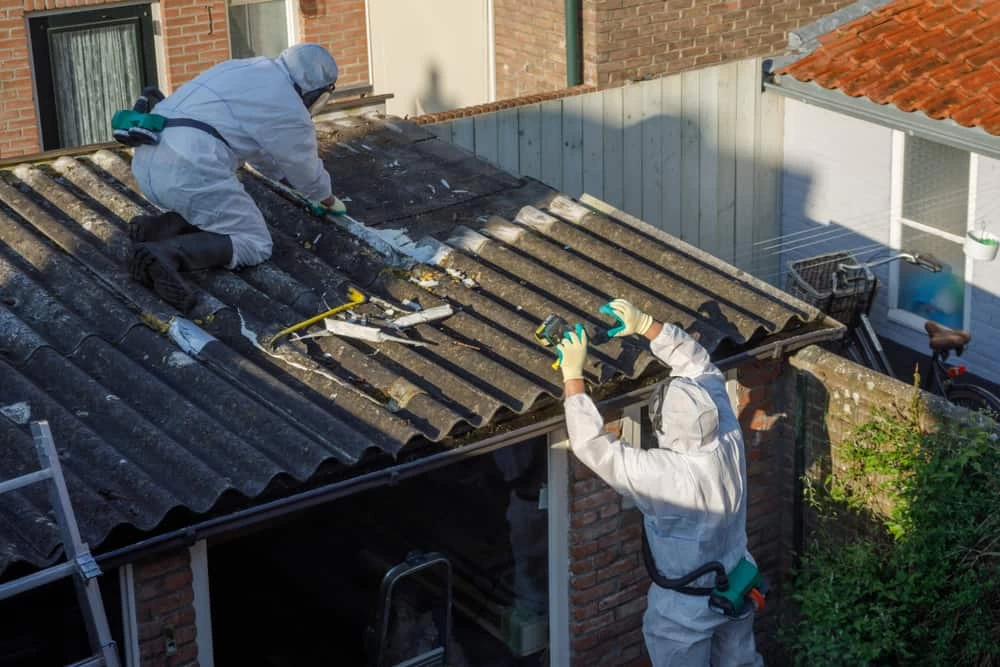
Asbestos doesn’t show up in just one place. In New Castle’s pre-1980 homes, it turns up in floor tiles especially the 9×9 and 12×12 vinyl formats common in postwar basements and kitchens. It shows up in the acoustic texture on ceilings, in the joint compound behind drywall, in the insulation wrapped around pipes and ductwork near older boilers, and in roofing and siding materials on homes that haven’t been fully updated since original construction. We handle all of it under one contract, with one compliance chain and one set of clearance paperwork.
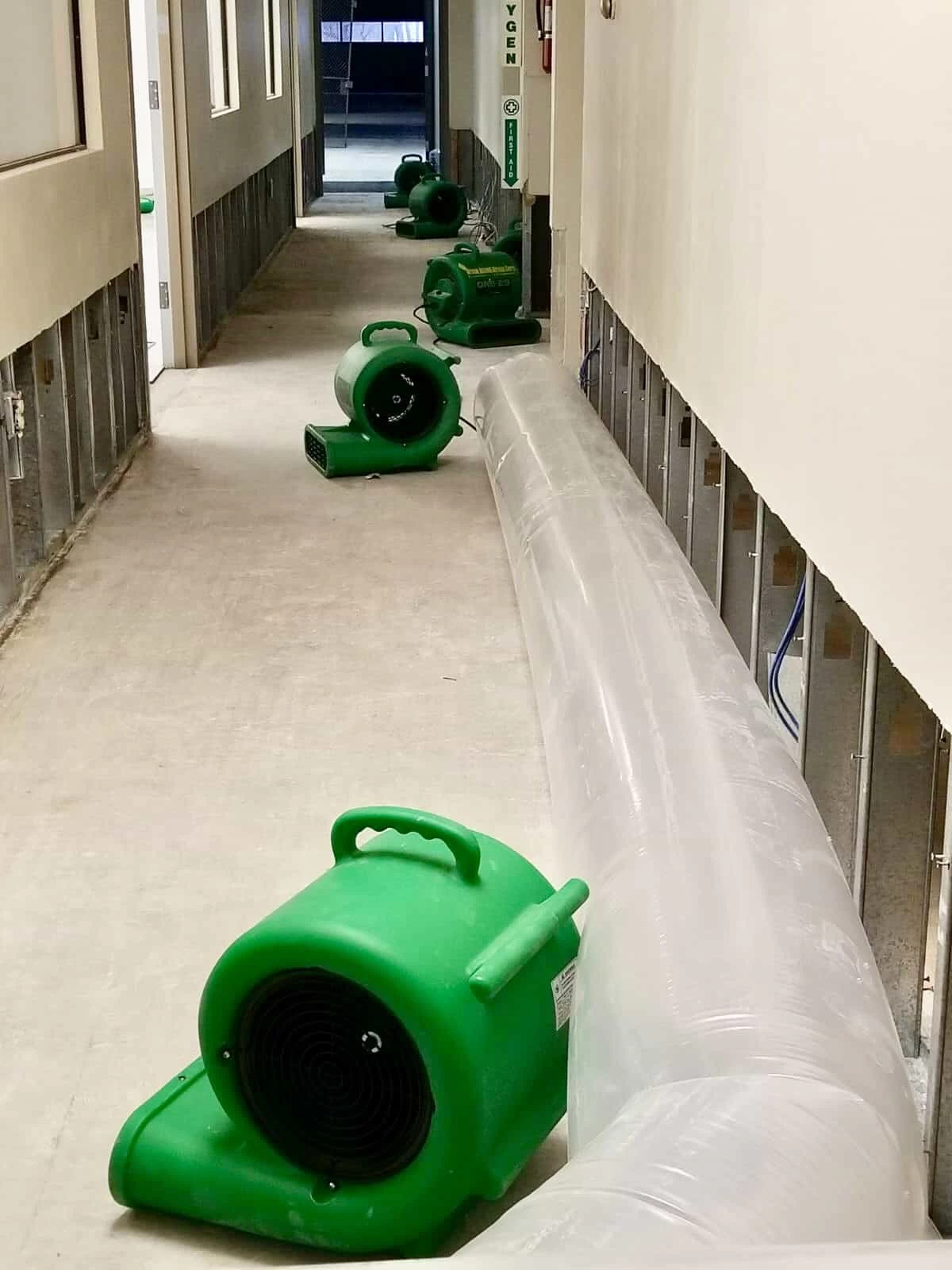
For homeowners in New Castle dealing with water damage a burst pipe in a Chappaqua colonial, storm-related flooding in a Millwood basement asbestos abatement often has to happen before any restoration work can legally begin. We work directly with insurance carriers and handle billing coordination on your behalf, which removes one significant burden from an already stressful situation.
New Castle falls under the NYS DOL and Industrial Code Rule 56 framework not NYC DEP. That distinction matters when it comes to notification requirements, containment standards, and disposal documentation. Every project includes a signed waste manifest tracking asbestos material from removal through transport to an approved disposal facility. That chain of custody is part of the clearance package you receive when the job is done.
How do I know if my Chappaqua home actually has asbestos?
You can’t tell by looking. Asbestos fibers are invisible and odorless, and the materials that contain them floor tiles, ceiling texture, pipe insulation, joint compound look the same whether they’re asbestos-containing or not. The only way to know is to have a sample collected and tested by a licensed professional.
In New Castle, the homes most likely to contain asbestos are those built between roughly 1950 and 1978, which covers a significant portion of the residential stock in neighborhoods like Whippoorwill, Lawrence Farms, and Random Farms. If your home was built during that window and hasn’t had a full environmental assessment, there’s a reasonable chance asbestos is present in at least one material type. A free on-site inspection is the right starting point it gets a licensed professional in front of the actual materials so you’re working with real information, not assumptions.
Does a renovation project in New Castle require asbestos testing before work begins?
Not always legally required for every project, but practically speaking, yes and most reputable renovation contractors in Westchester County won’t open walls, remove flooring, or disturb ceilings in a pre-1980 home without knowing what’s in the material first. If a contractor does disturb asbestos-containing material without proper containment and licensing, that creates a serious liability problem for everyone involved, including the homeowner.
New Castle’s Building Division enforces the NYS Building Code and requires permits for significant renovation work. Any permitted renovation in a pre-1980 home that involves demolition or disturbance of older materials should be preceded by an asbestos assessment. Beyond the regulatory angle, it’s simply the practical move discovering asbestos mid-renovation is far more disruptive and expensive than identifying it before the project starts.
We're selling our home in New Castle does asbestos need to be disclosed or removed?
New York State requires sellers to disclose known material defects, and the presence of asbestos-containing materials in a home generally falls into that category. Whether removal is required before closing depends on the condition of the materials and what the buyer’s attorney negotiates but in New Castle’s real estate market, where homes regularly transact at $1 million and above, buyers and their representatives are thorough.
A buyer purchasing a home in Chappaqua or the Whippoorwill area is likely working with legal counsel who will flag asbestos concerns and may require documentation of condition or abatement before closing. Sellers who get ahead of this completing abatement before listing and providing clearance documentation upfront tend to have smoother transactions and stronger negotiating positions. The clearance certificate we provide is exactly the document that satisfies this requirement.
What happens if water damage in my home disturbs asbestos-containing materials?
This is more common in New Castle than most homeowners realize. Northern Westchester winters bring ice dams, pipe freeze-and-burst events, and storm-related water intrusion and when water damages a pre-1980 basement floor, a utility room, or an older ceiling, there’s a real possibility it has disturbed asbestos-containing tile, insulation, or texture in the process.
When that happens, abatement has to happen before restoration can proceed. You can’t just dry out and rebuild over disturbed asbestos material it has to be properly contained, removed by a licensed contractor, and cleared by air testing first. We handle both sides of this: the abatement and the coordination with your insurance carrier. We work directly with insurance companies on billing and documentation, which means you’re not stuck managing two separate contractors and two separate claims processes during an already difficult situation.
How long does asbestos abatement take for a typical New Castle home?
It depends on the scope what materials are involved, how many areas of the home are affected, and whether the work is localized (one room, one material type) or part of a broader pre-renovation or whole-home assessment. A single-room floor tile removal in a Chappaqua basement might be completed in one to two days. A larger project involving multiple material types across a 1960s colonial pipe insulation, ceiling texture, floor tiles could run several days to a week or more.
The timeline also includes post-abatement air clearance testing, which is conducted after the physical work is done. Results from that testing need to come back clean before the containment is removed and the space is cleared for occupancy or renovation work. We walk you through a realistic timeline during the free inspection so you can plan your renovation schedule or closing date around the actual scope of work, not a guess.
Is Green Island Group licensed to do asbestos abatement in Westchester County specifically?
Yes and the distinction matters. New Castle and the rest of Westchester County fall under the NYS Department of Labor’s regulatory framework, specifically Industrial Code Rule 56, which governs all asbestos abatement work in New York State outside of New York City. The NYS DOL Asbestos Handling License is the legal requirement for this work, and we hold it. That license is publicly verifiable on the NYS DOL website you don’t have to take anyone’s word for it.
Some contractors who primarily operate in the five boroughs hold NYC DEP licensure and are less familiar with the NYS-specific requirements that apply in Westchester. Those aren’t the same regulatory framework, and the differences in notification requirements, containment standards, and disposal documentation are real. We work regularly throughout northern Westchester and understand exactly what compliance looks like for a project in New Castle, from the permit process through the final waste manifest.