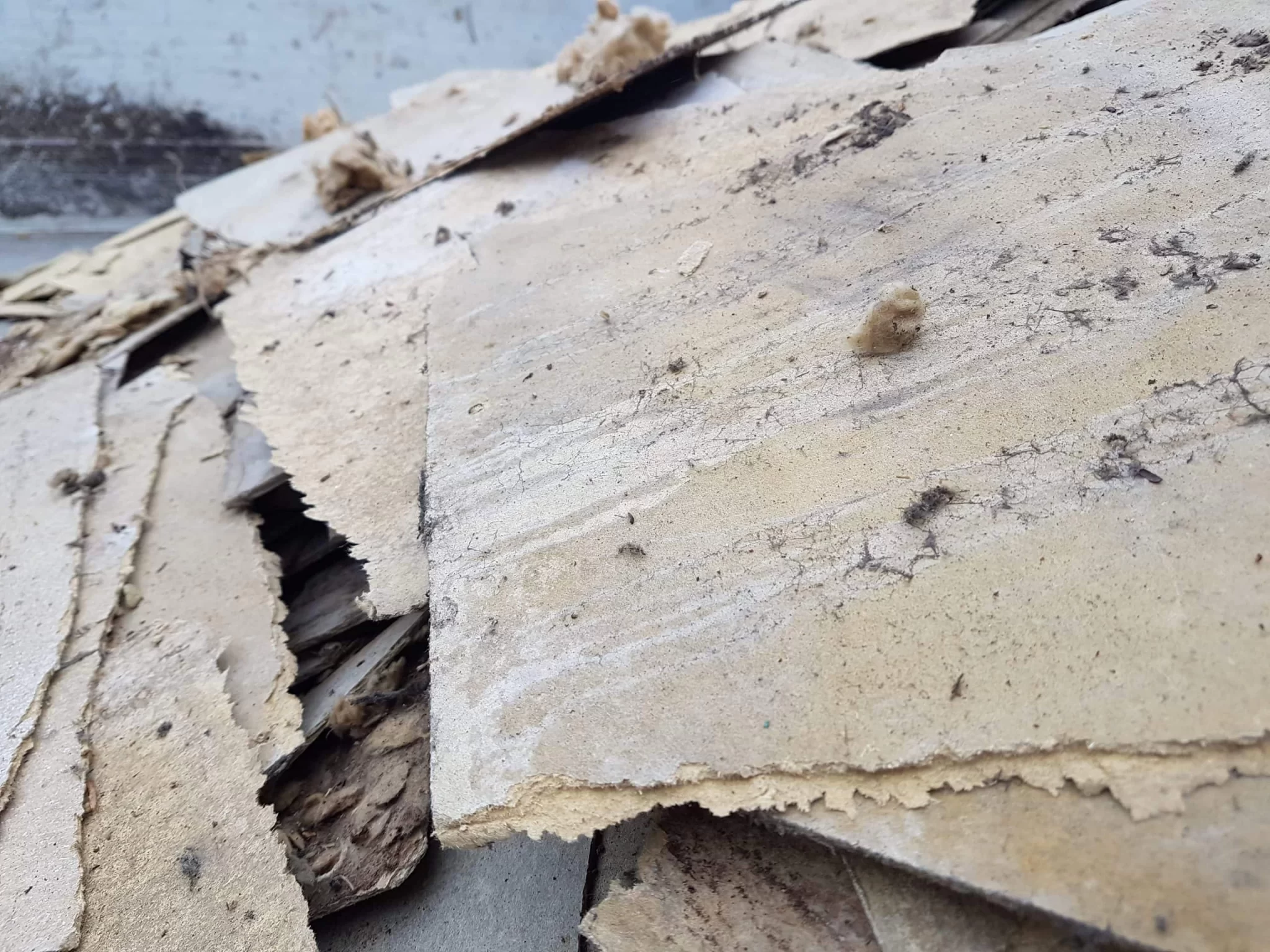
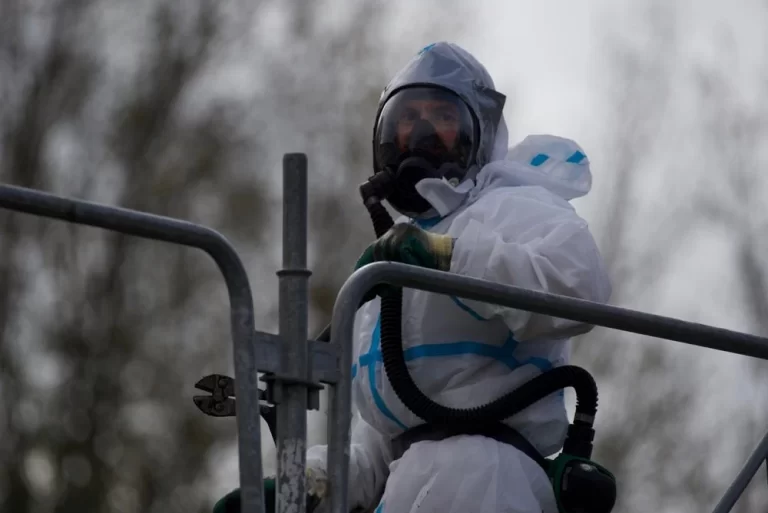
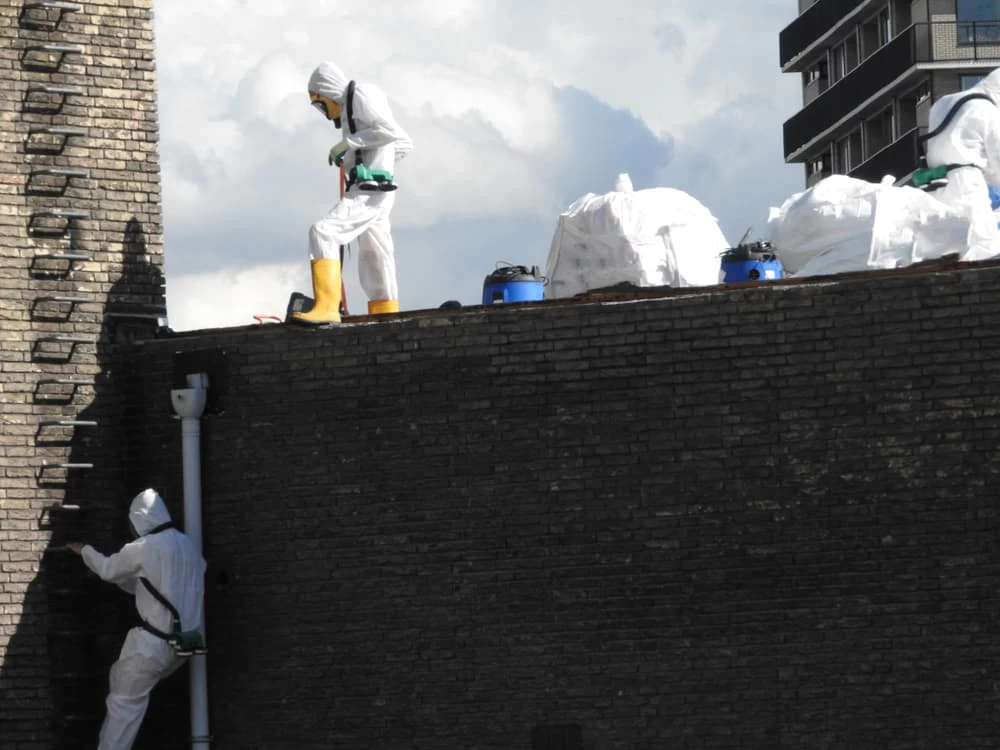
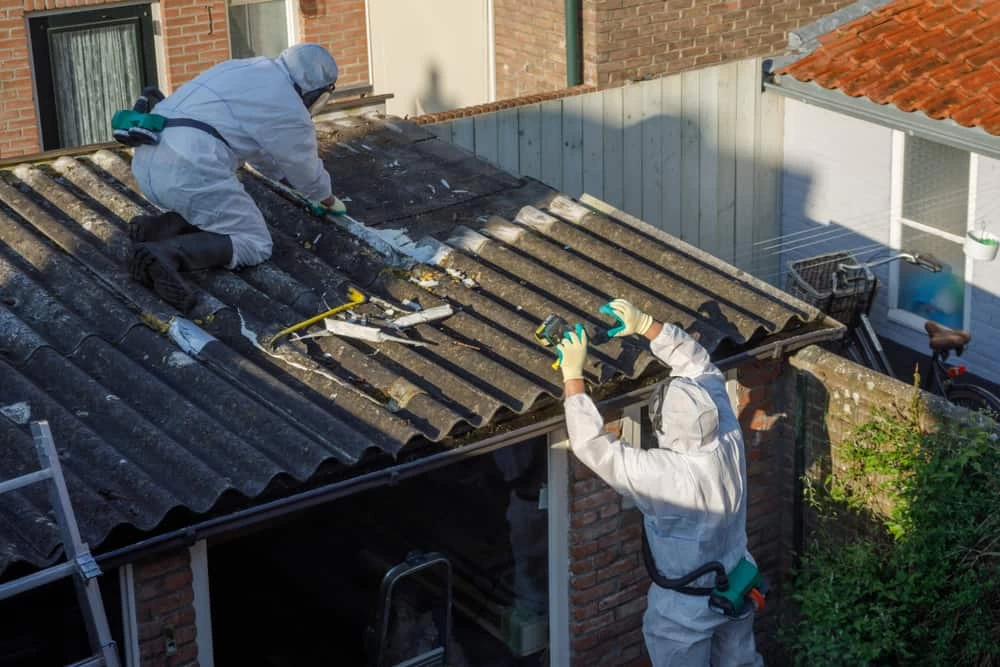
Most New Hyde Park homes were built when asbestos was standard — and if yours is one of them, the right asbestos abatement team makes all the difference.
I needed a professional consultation explanation of procedure for safe removal of Asbestos in my apartment complex. Without having an account yet, I was very impressed with the caring, knowledgeable and generous advice offered by Jessica, and will look forward to doing business in the future. Thank you so much! I feel much more informed about a sometimes scary endeavor. Peace. Nancy Silva Mineola, NY.
Mia Munoz
Used this company to clean up some water flood in my house. They were fast and easy to work with.very professional, Would recommend to anyone!
Nini Valle
Great company, had a flood and they responded quickly and efficiently. Billed my insurance company directly. I highly recommend this company!
joe colapietro, jr
I had pipe freeze in my basement right before a snow storm and they made to within an hour to help start the clean up process. They we by our side throughout the entire process and even helped with the insurance company. They did such a great job with the cleanup, repair, remidiation, I contracted them to perform the repairs and finishes in the basement. They came with enough manpower and material to get the job done. Leo and Jessica were nothing but a pleasure to deal with!!
Cristian Arredondo c
I had some water damage in my home and Green Island was able to take care of my issue quickly and effectively. I am very pleased with the work they did. They responded quickly and were very professional.
Michael M
Outstanding service! From the office to the field crew everyone was friendly, helpful and responsive. I highly recommend Green Island Group.
Your Home Safe, Documented, and Ready to Move Forward
When asbestos shows up in a New Hyde Park home — under the floor tiles, wrapped around basement pipes, or mixed into that old popcorn ceiling — the anxiety hits fast. You’re not just thinking about your family’s health. You’re thinking about your renovation timeline, your closing date, or what this means for a home that’s worth close to $900,000. Those concerns are completely valid, and they’re exactly what a proper abatement job addresses.
New Hyde Park’s housing stock is almost entirely built from the 1940s through the 1960s — the peak decades for asbestos use in residential construction. That means the 9×9 vinyl floor tiles in your kitchen, the pipe wrap in your basement, and the textured ceilings in your bedrooms are all candidates. This is the reality of owning an older home in western Nassau County, and knowing it puts you ahead of the problem.
Once the work is done correctly, you get more than a clean space. You get a documented clearance — air monitoring results, disposal records, and a paper trail that holds up when a future buyer’s inspector comes knocking. For homeowners in New Hyde Park, where real estate moves fast and buyers do their homework, that documentation is worth as much as the abatement itself.
We are a licensed asbestos abatement contractor serving Nassau County, including New Hyde Park and the adjacent North New Hyde Park community that shares the same 11040 ZIP code. We work under New York State Code Rule 56 — the state’s mandatory licensing framework for all asbestos abatement — and every technician on our team is individually certified. That’s not optional in New York, and we wouldn’t have it any other way.
What sets us apart in a market like New Hyde Park isn’t a sales pitch — it’s familiarity. We know the Cape Cods and brick colonials along Jericho Turnpike. We understand how the Village’s Building Department works, including the dual-town governance that affects which permits go where depending on your address. That kind of local knowledge saves time and prevents the delays that cost homeowners real money, especially when a closing date is on the line.
What the Process Looks Like in a New Hyde Park Home
It starts with an inspection. A certified asbestos investigator assesses the materials in question — floor tiles, ceiling texture, pipe insulation, roofing felt, whatever triggered the concern — and collects samples for lab testing. You’ll know exactly what you’re dealing with before any work begins, and you won’t be asked to make a decision without the facts.
If abatement is needed, we handle the permit coordination with the Village of New Hyde Park’s Building Department. Because the village straddles both the Town of Hempstead and the Town of North Hempstead, the right department depends on your specific address — and getting that wrong causes delays. We know the difference, and we handle it.
The abatement itself is done under full containment: negative air pressure, sealed work zones, HEPA filtration running throughout the job. Your household doesn’t need to be turned upside down, but the affected area is completely isolated while work is underway. After removal, all materials are disposed of through licensed facilities with a certified manifest — the legal record that the waste was handled properly. Then comes clearance air testing, conducted independently, to confirm the space is clean. You receive the full documentation package when the job is complete.
New Hyde Park homes tend to have asbestos in predictable places, and we’re equipped for all of them. Asbestos tile removal is one of the most common calls we get — specifically the 9×9 inch vinyl floor tiles and the black mastic adhesive beneath them that was used almost universally in post-WWII construction. That adhesive is often more of a concern than the tile itself, and it requires careful handling that not every contractor is prepared for.
Asbestos popcorn ceiling removal is another frequent project, particularly in homes where the original spray-applied texture was never updated. In New Hyde Park’s tightly packed neighborhoods, where homes sit close together and families are living in the space throughout the process, containment and air quality management aren’t just regulatory requirements — they’re practical necessities. We treat every job with that in mind.
Beyond tiles and ceilings, we handle pipe and boiler insulation wrap in basements, roofing felt and shingles, attic vermiculite, joint compound, and exterior transite siding. Each material type has its own removal protocol under NYS DOL Code Rule 56, and we follow them without cutting corners. Whether you’re mid-renovation, preparing to list, or dealing with a finding that came out of nowhere, the scope of what we cover means you’re not calling three different contractors to solve one problem.
Does my New Hyde Park home likely have asbestos if it was built before 1970?
The short answer is yes — it’s very likely that at least one material in your home contains asbestos if it was built before 1970. New Hyde Park’s dominant construction era runs from the late 1940s through the 1960s, and during that period, asbestos was used in floor tile adhesive, pipe insulation, boiler wrap, ceiling texture, roofing materials, and even joint compound. It was considered a feature, not a hazard, and it ended up in nearly every category of residential building product.
Asbestos-containing materials that are intact and undisturbed generally don’t pose an immediate health risk. The risk comes when those materials are disturbed — during a renovation, a demo, or even aggressive cleaning. If you’re planning any work on a pre-1970 home in New Hyde Park, having the relevant materials tested before work begins is the right move.
How do I know if my floor tiles actually contain asbestos before starting a renovation?
You can’t tell by looking at them. The 9×9 inch vinyl tiles that show up in so many New Hyde Park homes from the 1950s and 1960s are a well-known indicator — that size and era is strongly associated with asbestos content — but visual identification isn’t reliable enough to act on. The only way to know for certain is to have a certified asbestos investigator collect a sample and send it to an accredited lab for analysis.
The process is straightforward and doesn’t take long. A small sample is taken from the tile and the adhesive beneath it, sent to a certified lab, and results typically come back within a few days. If the material tests positive, you have a clear scope of work and a licensed contractor who can handle it properly. If it comes back negative, you proceed with your renovation with confidence. Either way, you’re not guessing — and in a home worth close to $900,000, guessing isn’t a strategy.
What happens if asbestos is found during a home inspection in New Hyde Park?
This comes up regularly in New Hyde Park’s active real estate market, and it doesn’t have to derail a transaction. When an inspector flags a suspected asbestos-containing material, the next step is confirmation testing. If testing confirms the presence of asbestos, the buyer and seller typically negotiate who handles the abatement and when, with many transactions proceeding to closing after we complete the work and provide clearance documentation.
The timeline is the critical factor. Abatement in a residential home of the size typical in New Hyde Park — a Cape Cod or colonial, usually under 2,000 square feet — can often be completed within a few days once permits are in order. The Village of New Hyde Park has its own Building Department, and because the village straddles two towns, permit coordination needs to happen correctly from the start. Working with a contractor who already knows that process avoids the delays that can push a closing date back or, in worst cases, kill a deal entirely.
Is asbestos abatement in New Hyde Park required to be done by a licensed contractor?
Yes, and this is not a gray area. New York State Code Rule 56 — administered by the NYS Department of Labor’s Asbestos Control Bureau — requires that all asbestos abatement in New York be performed by a licensed contractor. Individual workers must also be certified. This applies to residential properties, not just commercial or institutional buildings. There are no exemptions for small jobs or owner-occupied homes.
The consequences of unlicensed asbestos work fall on both the contractor and the property owner. That includes fines, stop-work orders, and potential liability if the work is later found to be non-compliant. Beyond the legal exposure, improperly handled asbestos abatement can leave contamination behind that’s difficult and expensive to remediate after the fact. Before you hire anyone for this work in New Hyde Park — or anywhere in Nassau County — ask to see their NYS DOL license number and verify it directly with the state. Any legitimate contractor will hand that over without hesitation.
How long does asbestos abatement typically take for a home in New Hyde Park?
It depends on what’s being removed and how much of it there is, but for the most common scenarios in New Hyde Park homes — floor tile removal in a kitchen or basement, pipe insulation wrap around a boiler, or popcorn ceiling removal in one or two rooms — the actual abatement work typically takes one to three days. The full project timeline, including inspection, permitting, abatement, and clearance testing, usually runs one to two weeks from first contact to final documentation.
The permit step is where delays most commonly happen, and it’s worth understanding upfront. The Village of New Hyde Park requires building permits for renovation and demolition work, and because the village sits across two town boundaries, the right permit path depends on your specific address. Working with a contractor who handles that coordination correctly from day one keeps the project on schedule. If you’re working against a real estate closing deadline, that local knowledge isn’t a minor detail — it’s the difference between meeting your date and missing it.
What does asbestos abatement cost for a typical New Hyde Park home?
Costs vary based on the type and quantity of material being removed, but for the most common residential projects in New Hyde Park, here’s a realistic range: asbestos floor tile removal in a single room typically runs between $1,500 and $3,500 depending on square footage and whether the black mastic adhesive requires separate treatment. Popcorn ceiling removal with confirmed asbestos content usually falls in a similar range per room. Pipe and boiler insulation removal in a basement can range from $1,500 to $5,000 or more depending on the extent of the wrap and the complexity of the space.
What you’re paying for isn’t just labor — it’s the full compliance package. That includes the certified disposal of all removed materials with a legal manifest, air monitoring throughout the job, post-abatement clearance testing, and the documentation that proves your home is clean. In a community where homes regularly sell at or above $895,000, the cost of doing this correctly is a small fraction of what’s at stake. The alternative — cutting corners with an unlicensed crew — can create liability that follows the property through future sales and inspections for years.