North Babylon's 1960s Homes Deserve More Than a Guess
Most homes in North Babylon were built during the peak years of asbestos use and if yours is one of them, a renovation without a proper assessment isn’t just risky. In New York State, it’s illegal. We handle asbestos abatement the right way, from the first survey to final clearance.
I needed a professional consultation explanation of procedure for safe removal of Asbestos in my apartment complex. Without having an account yet, I was very impressed with the caring, knowledgeable and generous advice offered by Jessica, and will look forward to doing business in the future. Thank you so much! I feel much more informed about a sometimes scary endeavor. Peace. Nancy Silva Mineola, NY.
Mia Munoz
Used this company to clean up some water flood in my house. They were fast and easy to work with.very professional, Would recommend to anyone!
Nini Valle
Great company, had a flood and they responded quickly and efficiently. Billed my insurance company directly. I highly recommend this company!
joe colapietro, jr
I had pipe freeze in my basement right before a snow storm and they made to within an hour to help start the clean up process. They we by our side throughout the entire process and even helped with the insurance company. They did such a great job with the cleanup, repair, remidiation, I contracted them to perform the repairs and finishes in the basement. They came with enough manpower and material to get the job done. Leo and Jessica were nothing but a pleasure to deal with!!
Cristian Arredondo c
I had some water damage in my home and Green Island was able to take care of my issue quickly and effectively. I am very pleased with the work they did. They responded quickly and were very professional.
Michael M
Outstanding service! From the office to the field crew everyone was friendly, helpful and responsive. I highly recommend Green Island Group.
You can move forward. That’s the real outcome. Whether you’ve been sitting on a renovation because a contractor flagged something suspicious, or a home inspector just handed you a report that stopped your sale cold, the goal is the same get it handled correctly so your life isn’t on hold.
For North Babylon homeowners specifically, that matters more than it might in other areas. The median construction year here is 1960, and the Cape Cods, ranch homes, and split-levels that line the streets off Deer Park Avenue were built during the height of asbestos use in American residential construction. Kitchen floor tiles, basement pipe insulation, popcorn ceilings, boiler wrap these materials were standard in homes built between 1950 and 1975, and a large portion of North Babylon’s housing stock falls squarely in that window.
Once abatement is complete and clearance testing confirms the area is clean, you’re not just checking a box. You’re protecting your family, satisfying your legal obligations under New York State Industrial Code Rule 56, and removing the one thing standing between you and the renovation, sale, or repair you’ve been trying to get done. That’s what a finished job actually looks like.
We are a Long Island–based environmental services company licensed by the New York State Department of Labor to perform asbestos abatement. That license isn’t a formality under Industrial Code Rule 56, it’s a legal requirement, and it’s something you can verify directly on the NYSDOL’s Asbestos Contractors Listing before you sign anything.
Serving North Babylon and the surrounding communities in Suffolk County means knowing how things actually work here. Asbestos project notifications in this county route through the Suffolk County Department of Health Services before they reach the NYSDOL Asbestos Control Bureau. That adds administrative steps that can delay a project if your contractor isn’t familiar with the process. We’ve navigated that process for homeowners across the Town of Babylon including the neighborhoods within North Babylon and we know how to keep your timeline from slipping because of paperwork.
Our existing customers have described the consultation process as caring and knowledgeable. That’s not an accident. This is work that involves your home, your family, and a legal framework with real consequences it deserves that level of attention.
No Surprises Here's Exactly What the Process Looks Like
It starts with an asbestos survey. Under New York State law, any building constructed before 1974 must be surveyed before renovation, demolition, or repair begins. Since the vast majority of homes in North Babylon were built before that cutoff many in the 1950s and early 1960s this step applies to nearly every project in the area. The survey identifies what materials are present, where they are, and whether they’re in a condition that poses a risk.
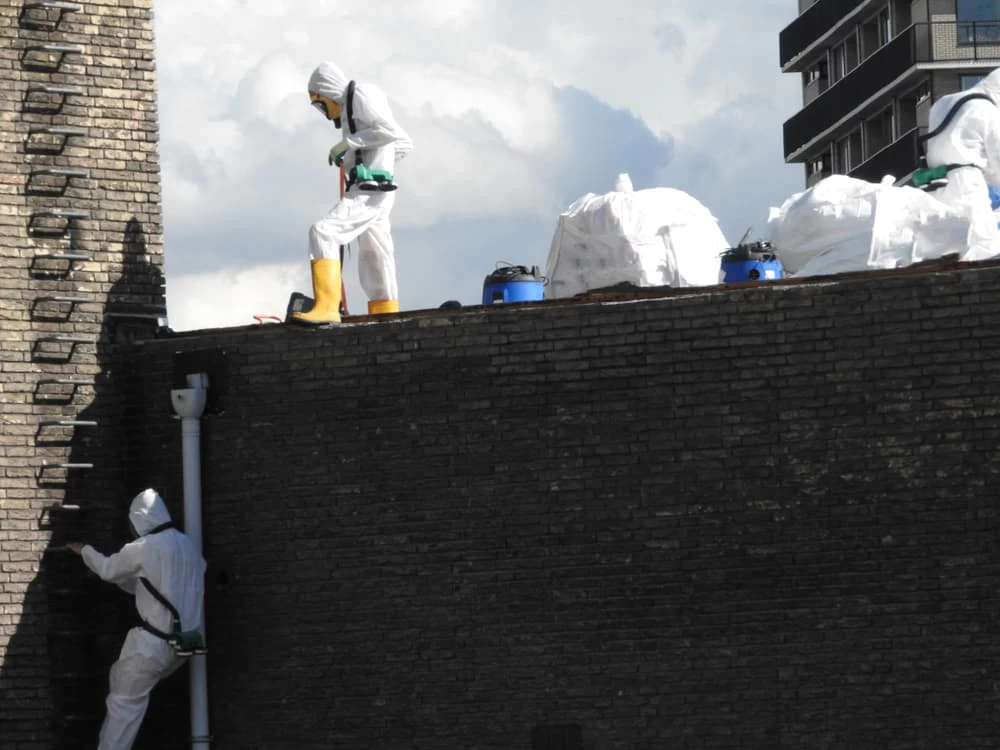
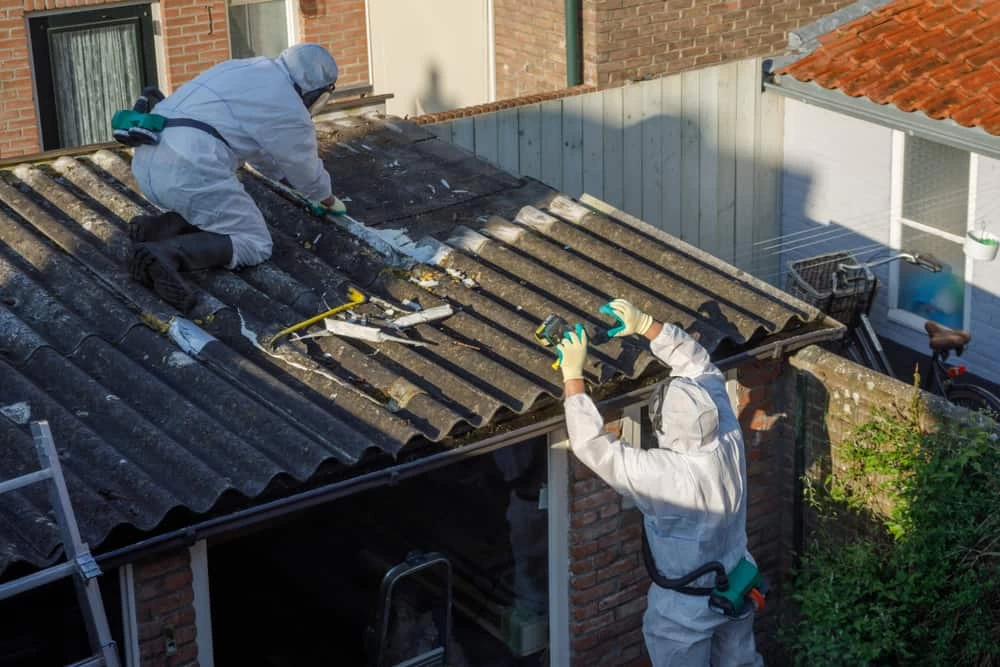
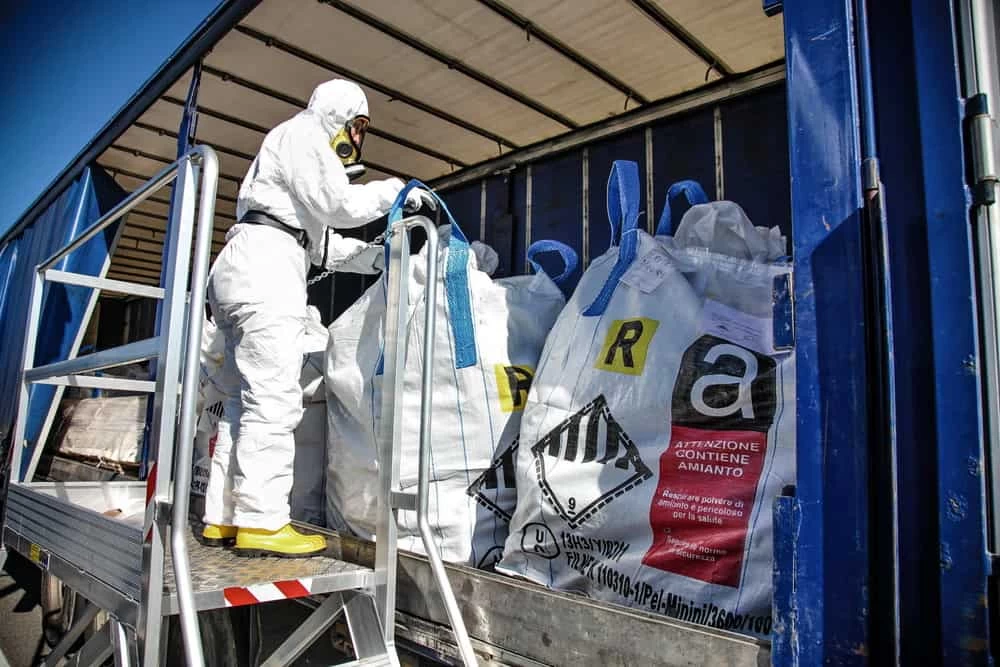
If asbestos-containing materials are confirmed, the next step is containment and removal. The work area is sealed off and negative air pressure is established using HEPA filtration equipment to prevent fibers from migrating into the rest of your home. Removal follows strict EPA and NYSDOL protocols wet methods, proper PPE, and no shortcuts. Materials are bagged, labeled, and disposed of through licensed waste channels. This isn’t something a general contractor can legally do on the side.
After removal, clearance air testing is conducted by a qualified inspector to confirm the space is safe before anyone re-enters. We manage the full sequence survey, permits, abatement, and clearance so you’re not coordinating between three different companies while your renovation sits idle. One call, one team, one process from start to finish.
The Materials Most North Babylon Homes Actually Have
The most common asbestos-containing materials found in North Babylon homes aren’t obscure industrial products they’re the everyday building components that were standard in residential construction during the postwar boom. Vinyl floor tiles, particularly the 9×9 inch format common in 1950s and 1960s kitchens, bathrooms, and basements, frequently contain chrysotile asbestos. The black mastic adhesive beneath them often does too. Asbestos tile removal requires containment, wet methods, and licensed disposal not a floor scraper and a contractor who’s willing to look the other way.
Popcorn ceilings are another common find. Spray-applied textured ceilings were widely used in homes built through the mid-1970s, and many in North Babylon still have them. Asbestos popcorn ceiling removal isn’t just a cosmetic project if the material tests positive, it becomes a regulated abatement job. The same applies to pipe and boiler insulation in older basements, joint compound around drywall seams, and duct wrap on older HVAC systems.
We handle all of these materials under one roof. Whether your project involves a single room of floor tile or a full basement remediation ahead of a renovation, the scope is assessed honestly and the work is done to the standard New York State requires no more, no less, and no surprises on the back end.
Does New York State require an asbestos test before renovating my North Babylon home?
Yes and this applies to the overwhelming majority of homes in North Babylon. Under New York State Industrial Code Rule 56, any building where construction commenced before 1974 must undergo an asbestos survey before any renovation, demolition, repair, or remodeling work begins. Given that North Babylon’s median home construction year is 1960 and most of the housing stock was built between the late 1940s and early 1970s, virtually every home in the community falls under this requirement.
This isn’t a technicality that gets overlooked it’s enforced. The NYSDOL Asbestos Control Bureau conducts inspections during rehabilitation and demolition projects and responds to complaints. If asbestos-containing materials are disturbed without proper survey and abatement, the homeowner and contractor can both face significant fines and liability. The safest move before any renovation project in North Babylon is to have a licensed contractor assess the materials involved before the first tool is picked up.
How much does asbestos abatement typically cost for a home in North Babylon, NY?
The honest answer is that it depends heavily on scope, and anyone who gives you a firm number before seeing the job should raise a flag. For Suffolk County homeowners, current estimates range from roughly $213 on the low end for minor, localized work to over $4,000 for larger-scale remediation involving multiple material types or significant square footage. Most residential projects in North Babylon a single room of floor tile removal, a popcorn ceiling, or a section of pipe insulation tend to fall somewhere in the middle of that range.
What drives cost up is usually the extent of the affected area, the type of material involved, and the number of phases required. Asbestos tile removal in a basement is a different scope than pipe insulation wrap around a boiler system, which is different again from a full ceiling remediation. The survey step exists partly to give you an accurate picture of what you’re dealing with before any commitment is made and a contractor who skips that step to give you a low number upfront is one to avoid.
What happens if I accidentally disturb asbestos during a DIY project at home?
Stop work immediately and don’t try to clean it up yourself. Disturbing asbestos-containing materials even briefly can release microscopic fibers into the air that aren’t visible and don’t settle quickly. Vacuuming or sweeping the area can actually make things worse by spreading fibers further. The first step is to seal off the area as best you can, limit foot traffic through it, and call a licensed abatement contractor to assess the situation.
This scenario comes up more often than people expect in North Babylon, particularly during DIY kitchen or bathroom renovations where homeowners pull up old floor tiles without realizing what’s underneath. The 9×9 vinyl tiles common in homes built in the 1950s and 1960s are one of the most frequently encountered sources of residential asbestos in this area. If you’re not sure whether what you disturbed contains asbestos, a licensed contractor can collect a sample for laboratory analysis that result typically comes back within a few days and tells you exactly what you’re dealing with before any remediation decisions are made.
Can I sell my North Babylon home if it has asbestos-containing materials?
Technically, yes having asbestos-containing materials in a home doesn’t automatically prevent a sale. But in practice, it almost always becomes a negotiating issue. Buyers in the North Babylon market are increasingly requesting asbestos inspections as part of their due diligence, and if ACMs are found during the inspection phase, you’re likely looking at either a price reduction, an abatement contingency, or both. Sellers who discover the issue mid-transaction are in the weakest possible negotiating position.
The smarter approach one that more North Babylon sellers are taking as home values in the Babylon area have risen is to address known or suspected asbestos before listing. A pre-sale abatement gives you a clean disclosure, removes the contingency risk, and lets you price the home without the cloud of an unresolved environmental issue hanging over the deal. We work on pre-sale timelines specifically because those projects have real deadlines attached to them, and delays cost money.
How long does asbestos abatement take from start to finish in a typical home?
For a straightforward residential project a single room of floor tile removal or a section of popcorn ceiling the actual abatement work often takes one to two days. What adds time to the overall timeline is the administrative process on either end. In Suffolk County, asbestos project notifications route through the county health department before reaching the NYSDOL Asbestos Control Bureau, which can add several business days to the front end of a project if the paperwork isn’t handled correctly from the start.
After the physical work is done, clearance air testing must be completed and results confirmed before the space can be re-occupied or turned back over to other contractors. That testing process typically takes an additional day or two. From the initial survey to final clearance, most North Babylon homeowners should plan for a total timeline of one to two weeks for a standard residential project though larger or more complex jobs can run longer. Working with a contractor who’s already familiar with the Suffolk County notification process helps avoid the delays that catch people off guard.
Is the asbestos in old popcorn ceilings actually dangerous, or is it okay to leave it alone?
Whether it’s dangerous depends on the condition of the material, not just its presence. Asbestos-containing popcorn ceilings that are intact, undisturbed, and in good condition are generally considered non-friable meaning they’re not actively releasing fibers into the air. In that state, encapsulation or simply leaving the ceiling alone may be a reasonable option, and a licensed inspector can help you make that call based on what they actually find.
The risk increases when the material is deteriorating, water-damaged, or about to be disturbed. Long Island’s humid summers and wet winters and North Babylon’s proximity to the South Shore can accelerate moisture infiltration in older homes, which causes ceiling materials to soften and become friable over time. If you’re planning to renovate, repaint, or do any work that involves the ceiling, the material needs to be tested before anything touches it. Scraping a popcorn ceiling that hasn’t been tested is one of the more common ways homeowners unknowingly create an asbestos exposure situation and at that point, what could have been a routine abatement job becomes a more involved remediation.