Most homes in North Highland were built around 1965 right in the middle of the era when asbestos was standard. Before you renovate, sell, or even touch a wall, you need to know what’s there.
I needed a professional consultation explanation of procedure for safe removal of Asbestos in my apartment complex. Without having an account yet, I was very impressed with the caring, knowledgeable and generous advice offered by Jessica, and will look forward to doing business in the future. Thank you so much! I feel much more informed about a sometimes scary endeavor. Peace. Nancy Silva Mineola, NY.
Mia Munoz
Used this company to clean up some water flood in my house. They were fast and easy to work with.very professional, Would recommend to anyone!
Nini Valle
Great company, had a flood and they responded quickly and efficiently. Billed my insurance company directly. I highly recommend this company!
joe colapietro, jr
I had pipe freeze in my basement right before a snow storm and they made to within an hour to help start the clean up process. They we by our side throughout the entire process and even helped with the insurance company. They did such a great job with the cleanup, repair, remidiation, I contracted them to perform the repairs and finishes in the basement. They came with enough manpower and material to get the job done. Leo and Jessica were nothing but a pleasure to deal with!!
Cristian Arredondo c
I had some water damage in my home and Green Island was able to take care of my issue quickly and effectively. I am very pleased with the work they did. They responded quickly and were very professional.
Michael M
Outstanding service! From the office to the field crew everyone was friendly, helpful and responsive. I highly recommend Green Island Group.
What You Get When Asbestos Removal Is Done Right in North Highland
When asbestos is handled correctly, you get something most homeowners don’t expect: clarity. You know exactly what was found, where it was, how it was removed, and that the air was tested and cleared before anyone walked back in. That documentation doesn’t just protect your family it protects your closing when the time comes to sell.
North Highland’s housing stock is older than most people realize. The median construction year here is 1965, which means original floor tiles, pipe insulation, popcorn ceilings, and joint compound are common in homes throughout the hamlet. These materials were installed legally and widely they’re not a sign something went wrong with your house. But they do need to be addressed before any renovation work begins, and they need to be addressed by someone licensed to do it under New York State law.
The freeze-thaw cycles and seasonal moisture that come with living in the Hudson Highlands don’t help. Older insulation and ceiling materials that have been through decades of temperature swings are more likely to become brittle and friable which is exactly the condition that makes asbestos a health concern. Getting ahead of it before a renovation, a sale, or a water event is the move that saves you from a much more complicated situation later.
Licensed Asbestos Contractor Serving North Highland
12 Years In, Every License Earned
We’ve been doing asbestos abatement and environmental remediation for over 12 years. Green Island Group holds the NYS Department of Labor Asbestos Contractor License required under Industrial Code Rule 56 the state law that governs every abatement project in Putnam County, including North Highland. That license is publicly verifiable on the NYS DOL website. It’s not a self-issued badge; it requires meeting strict state standards for training, equipment, work practices, and insurance.
We already serve Philipstown, Cold Spring, Garrison, and the surrounding corridor along Route 9 and Route 9D. These aren’t unfamiliar roads or unfamiliar homes. The mid-century colonials and hillside ranches that make up North Highland’s residential landscape are exactly the type of properties we’ve been working in for years. Beyond asbestos, we also hold EPA Lead and RRP certifications and a NYS DOL Mold Remediation License which matters in older homes where these hazards tend to show up together.
Asbestos Inspection and Removal Process, North Highland
No Surprises Here's Exactly What Happens When We Work in Your North Highland Home
It starts with an inspection. A licensed inspector walks the property and collects samples from any materials suspected of containing asbestos floor tiles, ceiling texture, pipe insulation, joint compound, roofing, siding. Those samples go to an accredited lab. Once results are back, you get a clear picture of what’s present and where, and a recommended scope of work before anything else moves forward.
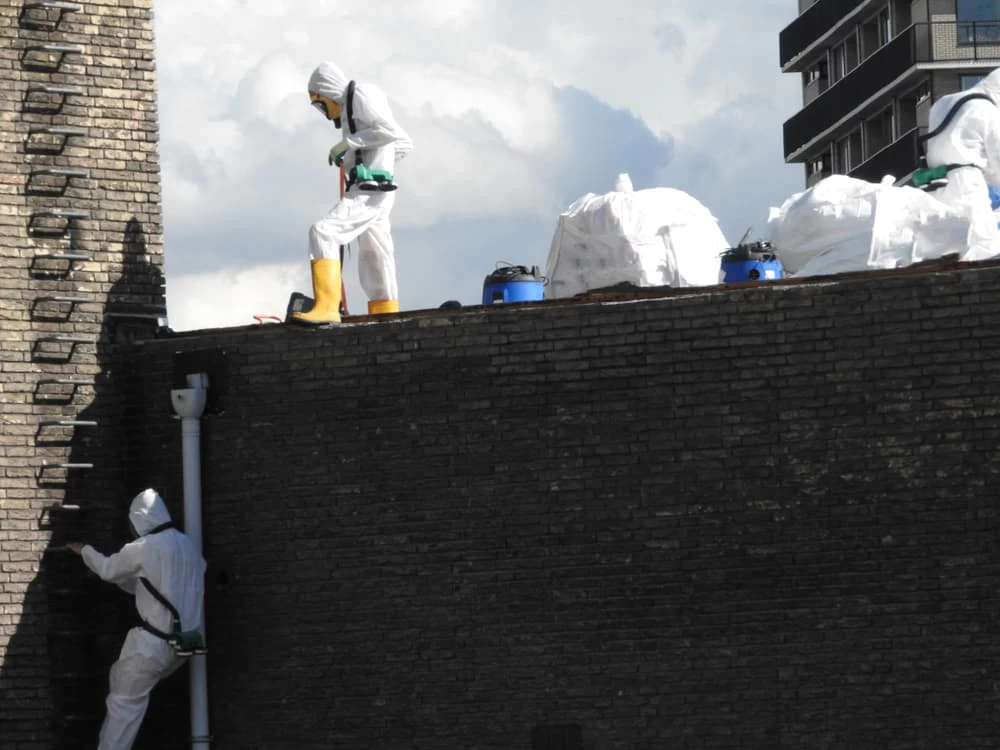
If abatement is needed, the work area is sealed under negative air pressure with full containment established before removal begins. We use wet methods throughout to keep fibers from becoming airborne. All removed material is properly packaged, labeled, and transported to a licensed disposal facility with a disposal manifest documenting the entire chain of custody. For projects in Philipstown, we handle the required NYS DOL notifications and coordinate with the local building permit process so you’re not navigating that paperwork on your own.
When the removal is complete, an independent licensed air monitoring contractor conducts post-abatement clearance testing. The containment doesn’t come down until the air meets OSHA and NIOSH clearance standards. You receive a written clearance letter along with the full abatement file survey report, disposal manifest, permit records, and air clearance results. That’s the documentation your contractor needs to start work, and the documentation a buyer’s attorney will ask for at closing.
Asbestos Remediation Services for North Highland Homes
What's Covered When We Work in Your North Highland Home
We handle the full range of asbestos-containing materials found in North Highland’s older housing stock. That includes asbestos tile removal from original 1960s vinyl floor installations, asbestos popcorn ceiling removal from homes where the acoustic spray finish has never been touched, pipe and duct insulation abatement, joint compound removal in walls and ceilings, and transite siding or roofing where applicable. If it was a common building material in the mid-century construction era, we’ve removed it.
Every project includes the complete compliance package: pre-abatement inspection and lab testing, NYS DOL permit filing, full containment and negative air pressure setup, wet removal methods, licensed waste transport and disposal, independent post-abatement air clearance testing, and a written clearance letter with full documentation. There are no partial jobs or documentation gaps the abatement file you receive at the end is complete and legally defensible.
For North Highland homeowners dealing with more than one hazard which is common in homes of this age our lead and mold certifications mean you can address asbestos, lead paint, and mold remediation under one contractor and one contract. Given the age of homes throughout Philipstown and the moisture conditions that come with the Hudson Highlands terrain, that multi-hazard capability is often exactly what a full renovation or pre-sale remediation requires.
Do I need asbestos testing before renovating my North Highland home?
Under New York State law, any renovation or demolition project in a building that may contain asbestos-containing materials requires an asbestos inspection before work begins. For North Highland, where the median housing construction year is 1965, that applies to the vast majority of homes in the hamlet. This isn’t a technicality that gets overlooked it’s a condition that affects your building permit. The Philipstown Building Department incorporates state environmental compliance requirements into the permit process, which means your contractor will need documentation of asbestos compliance before certain permits are approved.
Even if you’re doing work that seems minor replacing flooring, opening a wall, removing a popcorn ceiling if the home was built before 1980, testing first is the right call. Disturbing asbestos-containing material without proper containment creates a health risk and a legal liability. A licensed inspection is a straightforward process that gives you a clear answer before any work starts, not a problem to manage after the fact.
How much does asbestos removal typically cost for a North Highland home?
The national average for asbestos removal runs around $2,200, with most residential projects falling somewhere between $500 and $6,000 depending on the scope how many materials are affected, how accessible they are, and how large the area is. A single room of floor tile removal is a very different project from whole-house pipe insulation abatement or a full popcorn ceiling removal across multiple floors.
For North Highland homeowners, the more useful way to think about cost is in proportion to what you’ve invested in the property. Homes in the Philipstown area are selling in the $550,000 to $700,000+ range. Spending $2,000 to $5,000 on proper abatement before a renovation or before listing is a rational investment that protects both the project and the sale. Cutting corners on asbestos removal to save a few hundred dollars creates documentation gaps that buyers’ attorneys notice and that can complicate or kill a closing. The cost of doing it right is almost always less than the cost of doing it twice.
What parts of an older North Highland home are most likely to contain asbestos?
In homes built between the 1940s and late 1970s which covers most of North Highland’s housing stock asbestos was used in a surprisingly wide range of materials. The most common locations are vinyl floor tiles and the adhesive used to install them, acoustic or popcorn ceiling texture, pipe and duct insulation (especially around boilers and older heating systems), joint compound used in drywall finishing, roofing shingles, and cement board or transite siding on the exterior.
The tricky part is that asbestos-containing materials don’t look different from non-asbestos versions. You can’t identify them visually. A floor tile from 1965 looks the same whether it contains asbestos or not the only way to know is lab testing. In North Highland homes that have been in the same family for decades and never fully renovated, it’s common to find multiple original materials still in place throughout the house. That’s not a disaster it just means a thorough inspection before any renovation work is the starting point, not an optional step.
Do I have to leave my home during the asbestos abatement process?
It depends on the scope and location of the work. For contained projects a single room, a section of flooring, or an isolated ceiling area it’s often possible to remain in other parts of the house while work is underway, as long as proper containment is in place and the work area is fully sealed under negative air pressure. The containment setup is designed specifically to prevent fibers from migrating into adjacent living spaces.
For larger projects involving multiple areas, or work in central parts of the home like main living areas or HVAC systems, temporary relocation during the active abatement phase is the safer and more practical choice. We’ll walk you through what to expect based on the specific scope of your project before work begins. For North Highland families with children at home or residents working remotely, that conversation happens upfront so you can plan accordingly not the morning the crew arrives.
How long does asbestos abatement take from start to finish?
The timeline has a few distinct phases. The inspection and lab testing phase typically takes several days to a week samples are collected, sent to an accredited lab, and results come back before any removal work is scoped or scheduled. Once abatement is approved and scheduled, the actual removal work for a typical residential project can range from one day for a small, isolated area to several days for a larger scope involving multiple materials or floors.
After removal is complete, the post-abatement air clearance testing adds another step before the containment comes down and the area is cleared for reoccupancy. That testing is conducted by an independent air monitoring contractor and typically produces results within 24 to 48 hours. For North Highland homeowners working against a renovation timeline or a real estate closing date, the key is starting the inspection process as early as possible not waiting until your contractor is already scheduled to begin demo. Building in that lead time keeps the overall project on track.
Can asbestos abatement be done in winter in the North Highland area?
Yes asbestos abatement is an interior process, so it’s not weather-dependent the way exterior construction work is. Winter is actually a common time for North Highland homeowners to schedule abatement, particularly when a water event or heating system failure has disturbed older insulation or building materials. Frozen pipe bursts and ice dam damage are real seasonal risks in the Hudson Highlands, and when they reach walls or ceilings in a 1960s home, they can create an urgent abatement situation that can’t wait for spring.
Scheduling abatement in the off-season also has a practical advantage: contractors tend to have more availability in winter months, which can mean faster scheduling and a quicker turnaround before your spring renovation timeline begins. Many North Highland homeowners who are planning a renovation for spring use the winter months to get the inspection and abatement completed so their general contractor can start immediately when the weather turns. It’s one of the more straightforward ways to avoid the bottleneck that happens when everyone tries to schedule environmental work at the same time in April and May.