North Sea Homes Built Before 1980 Need More Than a Guess
If your North Sea home was built before 1980, asbestos is likely somewhere inside it and that describes most of the housing stock here. Get licensed removal with full documentation, handled right the first time.
I needed a professional consultation explanation of procedure for safe removal of Asbestos in my apartment complex. Without having an account yet, I was very impressed with the caring, knowledgeable and generous advice offered by Jessica, and will look forward to doing business in the future. Thank you so much! I feel much more informed about a sometimes scary endeavor. Peace. Nancy Silva Mineola, NY.
Mia Munoz
Used this company to clean up some water flood in my house. They were fast and easy to work with.very professional, Would recommend to anyone!
Nini Valle
Great company, had a flood and they responded quickly and efficiently. Billed my insurance company directly. I highly recommend this company!
joe colapietro, jr
I had pipe freeze in my basement right before a snow storm and they made to within an hour to help start the clean up process. They we by our side throughout the entire process and even helped with the insurance company. They did such a great job with the cleanup, repair, remidiation, I contracted them to perform the repairs and finishes in the basement. They came with enough manpower and material to get the job done. Leo and Jessica were nothing but a pleasure to deal with!!
Cristian Arredondo c
I had some water damage in my home and Green Island was able to take care of my issue quickly and effectively. I am very pleased with the work they did. They responded quickly and were very professional.
Michael M
Outstanding service! From the office to the field crew everyone was friendly, helpful and responsive. I highly recommend Green Island Group.
What Getting This Right Actually Means for Your North Sea Property
When asbestos is found in a North Sea home, the clock starts ticking. Whether you’re mid-renovation, heading toward a closing, or dealing with damage from a coastal storm, the outcome you need is simple: a clean property, proper documentation, and zero regulatory loose ends. That’s what licensed abatement delivers and it’s the only version that actually protects you.
North Sea’s housing stock was largely built during the 1950s through the 1970s, when asbestos was standard in floor tiles, pipe insulation, boiler wrap, popcorn ceilings, and roofing. The homes here are older, well-loved, and often in the middle of major renovations or pre-sale prep. Discovering asbestos during that process doesn’t have to derail everything but only if you handle it correctly from the start.
The coastal position of North Sea adds another layer. Proximity to Little Peconic Bay means moisture, humidity, and occasional flooding are real factors. Wet pipe insulation and deteriorating basement materials are some of the most common ways asbestos-containing materials become friable meaning they’re already releasing fibers before anyone picks up a tool. Getting ahead of that is the difference between a contained project and a serious health and liability problem.
Green Island Group is a Suffolk County-based environmental services company with direct experience working in North Sea and across the Town of Southampton. We know the permit process through the Southampton Town Building Department, we know the housing stock on the South Fork, and we know what Industrial Code Rule 56 requires because we work under it every day.
When you’re dealing with asbestos in North Sea, the last thing you need is a national call center routing your job to whoever’s available. You need a contractor who has actually pulled permits in Southampton Town, understands the local building department’s documentation requirements, and can move on a timeline that fits your renovation schedule or closing date.
That’s what we do. From the initial survey through final air clearance, every step is handled by our licensed team no subcontractors, no handoffs, no gaps in the paperwork that comes back to bite you later.
No Surprises Here's What the Process Looks Like for Your North Sea Home
It starts with a pre-abatement survey. Before any work begins, a certified inspector identifies the asbestos-containing materials present in your home floor tiles, pipe insulation, popcorn ceilings, roofing, siding, or anything else that needs to be assessed. In North Sea, that often means older homes with multiple material types, and sometimes secondary structures like detached garages or outbuildings that get overlooked by less thorough contractors.
Once the scope is confirmed, we file the required notifications with the New York State Department of Labor’s Asbestos Control Bureau and pull the appropriate permits through the Town of Southampton Building Department. Nothing moves forward until the regulatory groundwork is done because skipping that step creates problems at closing, during inspections, and sometimes years later.
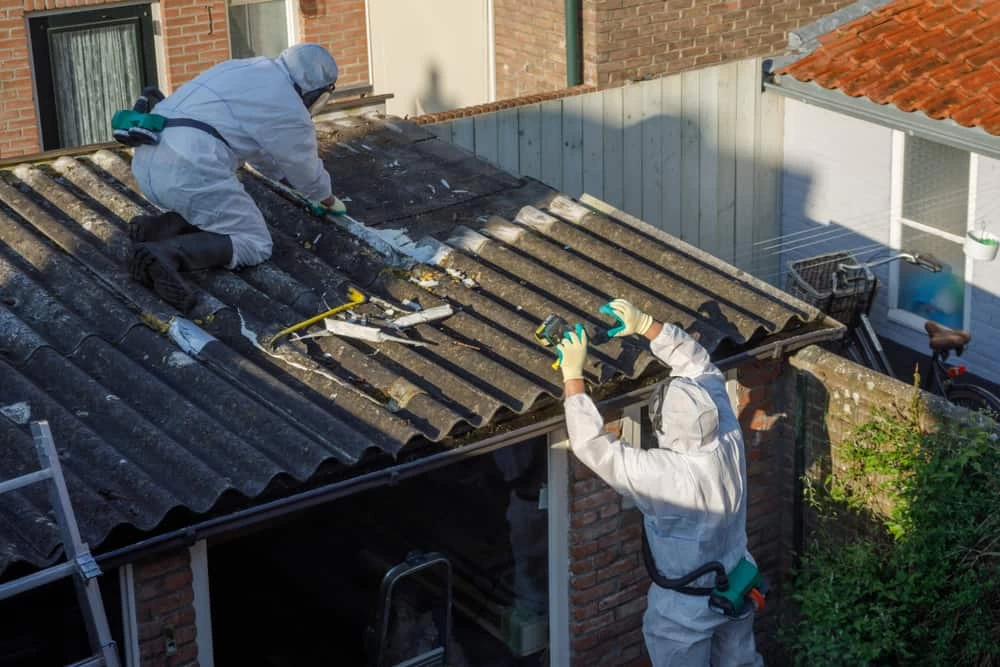
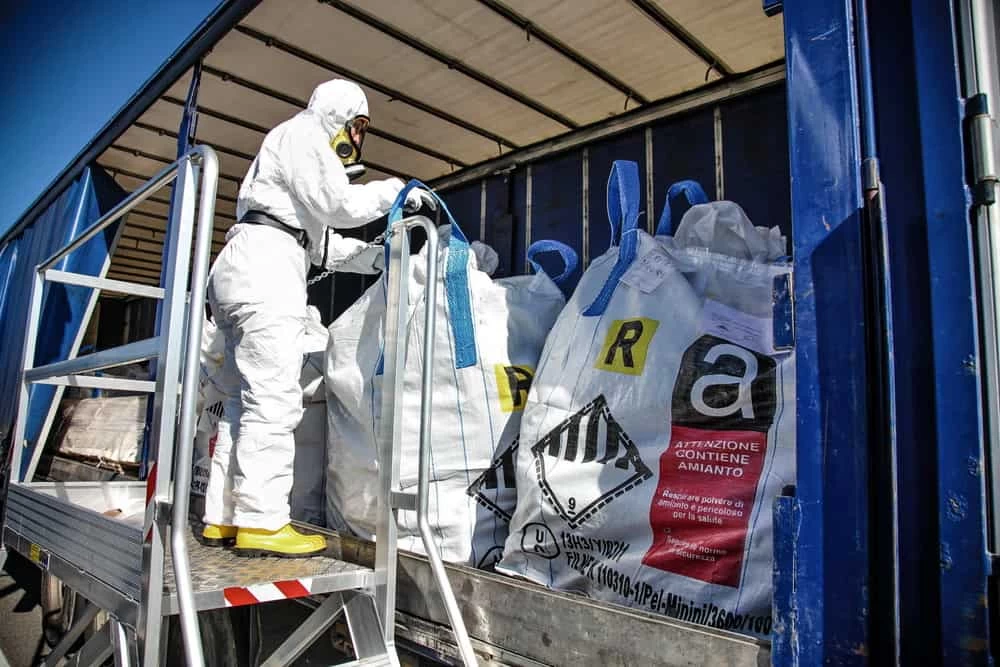
The removal itself is done under full containment: negative air pressure, HEPA filtration, proper personal protective equipment, and strict protocols that keep fibers out of your living space. After removal, we conduct post-abatement air monitoring to confirm clearance. You receive a complete documentation package air test results, waste disposal manifests, and project completion records that satisfies the Town of Southampton, the state, and any buyer’s attorney who asks for it.
Every Material Type in North Sea Homes, Handled by the Book
Asbestos shows up in more places than most homeowners expect, and in North Sea’s mid-century homes, it’s rarely just one material. Vinyl asbestos tile on the floors, mastic adhesive underneath it, popcorn texture on the ceilings, wrap on the pipes and boiler, cement shingles on the roof or siding these are the materials our team removes regularly in homes throughout the South Fork.
Asbestos tile removal and popcorn ceiling removal are two of the most common requests we handle in North Sea, particularly from homeowners renovating older properties before listing them or before a major remodel. Both require licensed abatement under New York State law you cannot legally scrape a popcorn ceiling or pull up old floor tiles in a pre-1980 home without testing first. If the material tests positive, removal has to be done by a certified contractor. That’s not optional, and it’s not something a general contractor can handle on the side.
For North Sea properties near the water, we also see a higher frequency of deteriorated pipe and boiler insulation materials that have been exposed to coastal humidity and moisture intrusion over decades. These are among the highest-risk asbestos-containing materials because they crumble easily and release fibers quickly. If your basement has taken on water, or if you’ve noticed damaged insulation around older pipes, that’s worth a professional assessment before anyone touches it.
Do I need an asbestos test before renovating my North Sea home?
If your North Sea home was built before 1980, yes and in most cases, it’s not optional. New York State requires a pre-abatement survey conducted by a certified asbestos inspector before any renovation or demolition work that could disturb potential asbestos-containing materials. The Town of Southampton Building Department also requires documentation of asbestos clearance before issuing permits for certain renovation projects, so skipping this step can stall your entire project before it starts.
In North Sea, where a significant portion of the housing stock dates to the 1950s through the 1970s, this applies to a lot of homes. Floor tiles, pipe insulation, textured ceilings, roofing, and siding are all common locations. The survey identifies what’s present, where it is, and whether it’s in a condition that requires abatement before work proceeds. It’s a straightforward step that protects you, your contractor, and anyone else on the property.
What happens if asbestos is found during a home inspection before a sale in North Sea?
It depends on the condition of the material and what the buyer’s attorney requires, but in most cases, discovery of asbestos-containing materials during a pre-sale inspection in North Sea will trigger a request for abatement or at minimum, a licensed assessment confirming the material is stable and not a health risk. In the Southampton Town real estate market, where transactions routinely involve attorneys and environmental due diligence, leaving asbestos unaddressed is rarely an option if you want the deal to close on schedule.
The good news is that abatement doesn’t have to blow up your timeline if you act quickly. We can assess the scope, complete the removal, and provide the documentation your buyer’s attorney needs air clearance results, waste manifests, and project completion records in time to keep your North Sea closing on track. The key is not waiting until the last week before closing to deal with it.
Is asbestos in popcorn ceilings common in North Sea, NY homes?
Very common. Popcorn ceilings also called acoustic or textured ceilings were widely installed in homes built between the early 1960s and the late 1970s, and asbestos was a standard ingredient in the texture compound during that period. In North Sea, where much of the residential development happened during exactly that era, popcorn ceilings with asbestos content are something we encounter regularly.
The problem is that a lot of homeowners assume they can just scrape the ceiling themselves before a renovation. Under New York State law, that’s not allowed without testing first. If the material tests positive for asbestos, removal must be performed by a licensed abatement contractor under proper containment not scraped dry into a garbage bag. The fibers released during improper removal can linger in a home’s air and surfaces long after the work is done. Getting it tested first is a simple step that keeps your renovation legal and your household safe.
How long does asbestos abatement typically take for a residential project?
For most residential projects in North Sea a single material type like floor tiles, pipe insulation, or a popcorn ceiling in one or two rooms the actual removal typically takes one to three days. Larger projects involving multiple material types or whole-house abatement can run longer, sometimes up to a week or more depending on scope.
What adds time to the overall process isn’t usually the removal itself it’s the regulatory steps on either end. Pre-abatement notification to the New York State Department of Labor’s Asbestos Control Bureau, permit coordination with the Town of Southampton Building Department, and post-abatement air monitoring all take time. That’s why it’s important to start the process early, especially if you’re working against a renovation schedule or a closing date. In the Hamptons construction season, contractors book up fast, and waiting until the last minute often means losing weeks on your project timeline.
Can water damage in my North Sea home make asbestos more dangerous?
Yes, and this is one of the more underappreciated risks for homeowners in coastal communities like North Sea. Asbestos-containing materials that are dry and undisturbed are generally considered non-friable meaning they’re not releasing fibers into the air. But when those same materials get wet repeatedly, or when flooding or moisture intrusion causes them to deteriorate, they can become friable crumbling and releasing fibers that become airborne and breathable.
Pipe insulation and boiler wrap are the most common culprits. These materials were standard in homes built before 1980, and in North Sea homes near Little Peconic Bay, decades of coastal humidity and occasional basement flooding can leave them in rough shape. If your basement has taken on water whether from a nor’easter, a plumbing issue, or general moisture over time and you have older pipe insulation that looks deteriorated or crumbly, that’s not something to poke around with before getting a professional assessment. It’s worth a call before anyone goes near it.
Does asbestos abatement require a permit in the Town of Southampton?
For most abatement projects, yes. In North Sea which falls under the Town of Southampton’s jurisdiction, not an incorporated village building permits and regulatory filings run through the Town of Southampton Building Department. Any renovation or demolition project involving a structure built before 1980 typically requires an asbestos survey before permits are issued, and abatement work itself must be filed with the New York State Department of Labor’s Asbestos Control Bureau under Industrial Code Rule 56.
What this means practically is that if you’re planning a renovation and you skip the asbestos step, the Town can stop your project when the building inspector shows up. Beyond the permit side, improper abatement work done without licensing, containment, or proper disposal can create liability that follows the property. That matters a lot in a market like North Sea, where homes change hands at significant values and buyers’ attorneys look closely at the environmental history of a property. Doing it right the first time, with full documentation, is the version that holds up.