North Fork Homes Hide This. Most Owners Don't Know Until It's Too Late.
If your Northville home was built before 1980, asbestos abatement isn’t a maybe it’s something you need to understand before you renovate, sell, or demo anything.
I needed a professional consultation explanation of procedure for safe removal of Asbestos in my apartment complex. Without having an account yet, I was very impressed with the caring, knowledgeable and generous advice offered by Jessica, and will look forward to doing business in the future. Thank you so much! I feel much more informed about a sometimes scary endeavor. Peace. Nancy Silva Mineola, NY.
Mia Munoz
Used this company to clean up some water flood in my house. They were fast and easy to work with.very professional, Would recommend to anyone!
Nini Valle
Great company, had a flood and they responded quickly and efficiently. Billed my insurance company directly. I highly recommend this company!
joe colapietro, jr
I had pipe freeze in my basement right before a snow storm and they made to within an hour to help start the clean up process. They we by our side throughout the entire process and even helped with the insurance company. They did such a great job with the cleanup, repair, remidiation, I contracted them to perform the repairs and finishes in the basement. They came with enough manpower and material to get the job done. Leo and Jessica were nothing but a pleasure to deal with!!
Cristian Arredondo c
I had some water damage in my home and Green Island was able to take care of my issue quickly and effectively. I am very pleased with the work they did. They responded quickly and were very professional.
Michael M
Outstanding service! From the office to the field crew everyone was friendly, helpful and responsive. I highly recommend Green Island Group.
Your renovation moves forward. Your real estate deal doesn’t fall apart at the inspection table. Your family isn’t breathing something that was quietly sitting inside the walls of a farmhouse built in 1962.
That’s the real outcome here. Northville’s housing stock older ranches, converted agricultural buildings, mid-century homes along Sound Avenue was built during the era when asbestos was standard practice. Floor tiles, pipe insulation, popcorn ceilings, roofing materials, siding on outbuildings. It was everywhere, and a lot of it is still there.
When you get it handled properly, you get documentation. You get clearance. You get the ability to hand a contractor a clean bill of health and say “go ahead.” For anyone dealing with a real estate transaction in this market and the North Fork has been moving fast that paperwork is the difference between closing and starting over. That’s not a small thing.
We’re a New York State Department of Labor licensed asbestos abatement contractor serving Suffolk County, including Northville and the broader Town of Riverhead. We’re not learning this area on your job we’ve been working the North Fork corridor and understand what’s inside these properties.
We know the Town of Riverhead Building Department’s process. We know what older homes along Northville Turnpike and Sound Avenue tend to contain. We know that agricultural outbuildings on working farms like the ones near Northville Farms don’t get treated the same way as a suburban bathroom renovation and we know how to handle both.
What you get from us is straightforward: a licensed team, a clear process, and documentation that holds up whether you’re satisfying a buyer, a lender, a building inspector, or your own peace of mind.
No Guesswork Here's Exactly What Happens on Your Property
It starts with an inspection. Before anything is touched, a licensed inspector surveys the materials in question floor tiles, ceiling coatings, pipe insulation, roofing, siding, whatever applies to your property. If suspect materials are found, samples are collected and sent for lab analysis. You don’t move forward based on a guess.
Once confirmed, we put together a scope of work and walk you through it. In Northville, that sometimes means coordinating with the Town of Riverhead Building Department on permit requirements before abatement begins especially on renovation or demolition projects where the town needs documentation upfront. New York State Industrial Code Rule 56 governs all of this, and every step we take is compliant with those requirements.
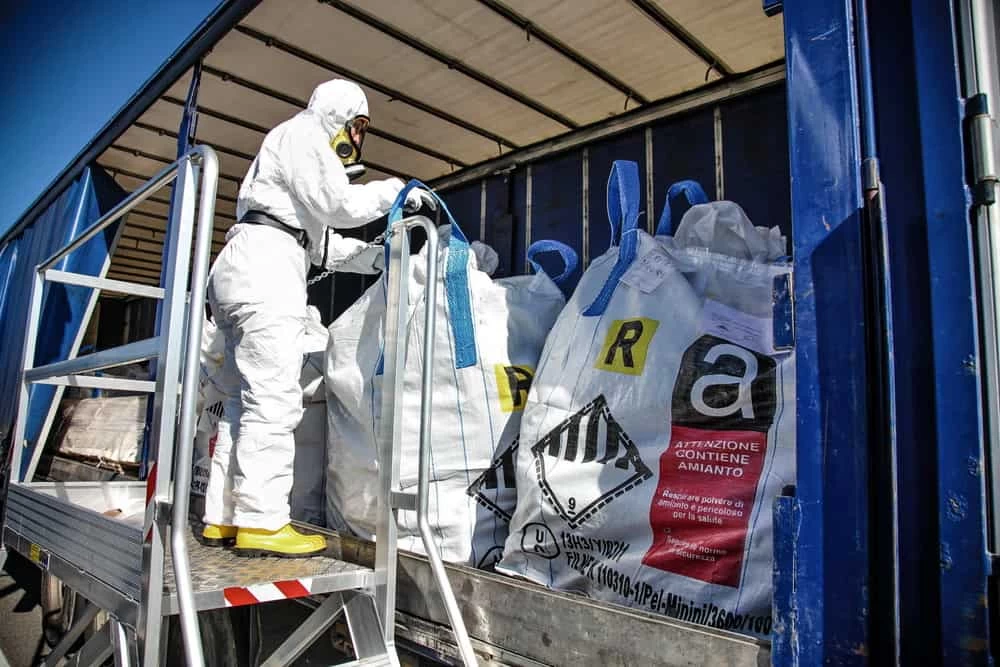
The abatement itself is done under controlled conditions containment, negative air pressure, proper PPE, the full protocol. When the work is complete, air clearance testing is conducted by an independent party to confirm fiber levels are within safe limits. Then you get the documentation package: clearance results, waste disposal manifests, and a project completion report. That’s what you hand to your contractor, your buyer, or your building department.
What We Handle and Why It Matters in Northville Specifically
Asbestos abatement isn’t one-size-fits-all, and the types of materials we encounter in Northville reflect the area’s specific building history. The 9×9 vinyl floor tiles common in mid-century North Fork kitchens and bathrooms and the black mastic adhesive underneath them frequently contain asbestos. Popcorn ceiling coatings applied through the late 1970s are another common find. So is pipe and duct insulation on older steam and hot water heating systems, which are standard in homes of this era.
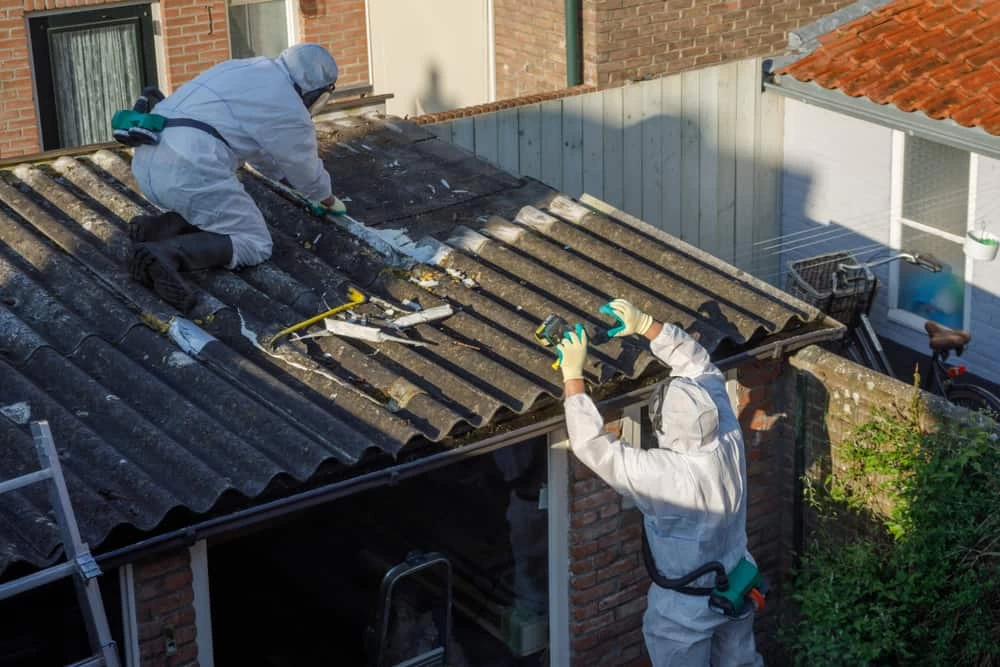
Beyond the typical residential scope, Northville’s rural character adds a layer that most abatement companies aren’t set up for. Barns, equipment sheds, and agricultural outbuildings on local properties often have corrugated asbestos-cement roofing or Transite board siding materials that require their own handling protocols when a structure is being demolished or converted. If you’re sitting on acreage with older outbuildings and you’re planning any kind of work, that’s something to address before a crew shows up with a sledgehammer.
We also handle pre-sale abatement for homeowners whose inspection flagged suspect materials, renovation support for contractors who’ve uncovered something mid-project, and full clearance documentation for any scenario that requires it. Whatever brought you here, we can walk you through what applies to your specific property.
Does my Northville home actually need asbestos testing before I renovate?
If your home was built before 1980 which covers a large portion of Northville’s residential stock then yes, testing before renovation is not just a good idea, it’s required under New York State law. Industrial Code Rule 56 mandates that asbestos-containing materials be identified and properly abated before any renovation or demolition work that would disturb them. That applies whether you’re gutting a kitchen, replacing flooring, removing a popcorn ceiling, or tearing out old pipe insulation.
The practical reality is that many older homes in Northville have never been tested. They’ve been lived in, maintained, and updated in small ways over the decades but nobody ever pulled a floor tile or ceiling sample for lab analysis. If you’re planning anything beyond cosmetic work, a licensed inspector should walk the property first. It protects you legally, protects your contractor, and gives you a clear picture of what you’re actually working with before the project starts.
How long does the asbestos abatement process typically take from start to finish?
It depends on the scope, but for a typical residential project in Northville a room or two of floor tile, a section of pipe insulation, or a popcorn ceiling the abatement work itself usually takes one to three days. Add in the time for pre-abatement inspection and lab results, and you’re generally looking at one to two weeks from first call to clearance documentation in hand.
Larger projects, or situations where multiple material types are involved across a whole house, can take longer. Projects that require pre-notification to the NYS Department of Labor Asbestos Control Bureau generally those involving significant quantities of material have a mandatory waiting period before work can begin. If you’re on a renovation timeline or a real estate closing deadline, the earlier you call, the better. Waiting until a contractor is already on-site is one of the most common ways projects in this area get delayed.
What are the most common asbestos-containing materials found in North Fork homes?
In homes built along the North Fork between the 1940s and late 1970s, the most common finds are 9×9 inch vinyl floor tiles and the black adhesive mastic beneath them, textured popcorn ceiling coatings, pipe and duct insulation on older heating systems, and roofing felt or shingles. Joint compound and plaster used in walls and ceilings before 1978 can also contain asbestos, though this is less commonly tested for during standard inspections.
On rural properties in and around Northville specifically, corrugated asbestos-cement roofing panels and Transite board siding on agricultural outbuildings are also common materials that tend to get overlooked because they’re on a barn or a shed rather than the main house. If you’re planning to demolish, convert, or significantly alter any older structure on your property, those outbuildings deserve the same attention as the house itself.
Will asbestos abatement affect my home sale in Northville, NY?
It can but handled correctly, it actually helps rather than hurts. If a home inspection flags suspect materials during a sale, buyers, lenders, and their attorneys will often require documented abatement before closing. Without it, you’re either negotiating a price reduction, delaying the closing, or watching the deal fall apart entirely.
Getting abatement done before you list or moving quickly once it’s flagged keeps the transaction on track. The key is the documentation: clearance air monitoring results, waste disposal manifests, and a project completion report from a licensed contractor. That paperwork is what satisfies the buyer’s attorney and the lender’s underwriter. The North Fork real estate market has been active, and sellers in Northville who come to the table with clean documentation move faster than those who don’t. If you’re preparing to list a property in the area, it’s worth a conversation before the inspector gets there.
Is asbestos abatement required for outbuildings and barns on rural Northville properties?
Yes New York State’s asbestos regulations apply to all structures, not just residential homes. If you’re demolishing, renovating, or significantly altering an agricultural outbuilding, barn, or storage structure, the same ICR 56 requirements that govern a house renovation apply here. That means a survey before work begins, licensed abatement if ACMs are present, and proper disposal of any asbestos waste at an approved facility.
This is something that catches a lot of rural property owners off guard. The assumption is often that a barn or an old equipment shed doesn’t need the same level of scrutiny as a house but the law doesn’t make that distinction. Corrugated asbestos-cement roofing and Transite siding were widely used on farm structures throughout this region, and they’re still present on properties across Northville. If you’re planning any kind of demolition or conversion work on an older outbuilding, get a survey done first. It’s a straightforward step that prevents a much larger problem.
How do I know if an asbestos contractor is actually licensed to work in New York State?
The New York State Department of Labor maintains a publicly searchable list of licensed asbestos abatement contractors, searchable by name and zip code. Before you hire anyone for asbestos work in Northville or anywhere in New York that’s the first place to check. A license isn’t a formality; it’s the legal requirement. Only licensed contractors can legally perform abatement under Industrial Code Rule 56, and hiring an unlicensed contractor exposes you to real liability both for the work itself and for any regulatory issues that follow.
Beyond the license, ask for proof of insurance and ask how they handle clearance air monitoring. Clearance testing should be conducted by an independent party not the same company doing the abatement to confirm that post-abatement fiber levels meet the required standards. If a contractor can’t clearly explain that process or can’t produce their NYS DOL license number on request, that’s a reason to keep looking. Our licensing is current and verifiable, and we walk every client through the documentation process before work begins.