Fire Island's Bungalows Hide What You Can't Afford to Ignore
If you’re renovating, elevating, or selling a property in Ocean Beach, asbestos abatement isn’t optional and finding a contractor who can actually get there, legally handle it, and clear it before your rental season opens is harder than it should be.
I needed a professional consultation explanation of procedure for safe removal of Asbestos in my apartment complex. Without having an account yet, I was very impressed with the caring, knowledgeable and generous advice offered by Jessica, and will look forward to doing business in the future. Thank you so much! I feel much more informed about a sometimes scary endeavor. Peace. Nancy Silva Mineola, NY.
Mia Munoz
Used this company to clean up some water flood in my house. They were fast and easy to work with.very professional, Would recommend to anyone!
Nini Valle
Great company, had a flood and they responded quickly and efficiently. Billed my insurance company directly. I highly recommend this company!
joe colapietro, jr
I had pipe freeze in my basement right before a snow storm and they made to within an hour to help start the clean up process. They we by our side throughout the entire process and even helped with the insurance company. They did such a great job with the cleanup, repair, remidiation, I contracted them to perform the repairs and finishes in the basement. They came with enough manpower and material to get the job done. Leo and Jessica were nothing but a pleasure to deal with!!
Cristian Arredondo c
I had some water damage in my home and Green Island was able to take care of my issue quickly and effectively. I am very pleased with the work they did. They responded quickly and were very professional.
Michael M
Outstanding service! From the office to the field crew everyone was friendly, helpful and responsive. I highly recommend Green Island Group.
A Clean Property Before Memorial Day Changes Everything for Ocean Beach Landlords
For most Ocean Beach property owners, the rental season is the whole game. Missing Memorial Day because an abatement project ran long or wasn’t scheduled at all isn’t just frustrating. It’s lost income you don’t get back. When asbestos abatement is handled correctly and on time, you move into the season with a property that’s legally clear, inspection-ready, and safe for every tenant who walks through the door.
The bungalows in Ocean Beach were mostly built in an era when asbestos was standard floor tiles, ceiling finishes, pipe insulation, roofing materials. That’s just the reality of mid-century construction on Fire Island. And the post-Sandy elevation projects still happening across the island are disturbing those materials right now, which means the risk isn’t theoretical. It’s in the walls, under the floors, and above the ceilings of properties being touched up, gutted, or lifted every off-season.
What changes after proper abatement is simple: you stop carrying the liability. Your contractor can work without stopping. Your buyer, tenant, or inspector doesn’t find a problem you didn’t know about. And if you’re in the middle of a FEMA elevation project, you have the documentation you need to keep the job moving without regulatory interference.
Green Island Group is a Suffolk County-based environmental services company, fully licensed under NYS DOL Code Rule 56. That means certified workers, formal project notifications, and every step of the process handled by people who are accountable to New York State not a call center routing your job to whoever’s available.
Working in Ocean Beach isn’t like working in Bay Shore or Islip. Everything crosses the Great South Bay on the Fire Island Ferry. Crew, containment materials, negative air machines, waste containers all of it. We’ve coordinated that logistics before. We know the ferry schedule, the village’s summer construction restrictions, and the fact that building permit applications in Ocean Beach require written notification to the Superintendent of Fire Island National Seashore within five days. That’s not something you figure out on the fly.
We serve the Town of Islip and the surrounding South Shore communities, and we’re familiar with the disposal routes to the Brookhaven Landfill in Suffolk County the permitted monofill used for regulated asbestos waste in this region. We’re not new to this.
From the First Inspection to Your Clearance Certificate
It starts with an inspection. A certified inspector comes to your Ocean Beach property, identifies any suspect materials, and collects bulk samples for laboratory analysis. For pre-1980 bungalow construction which describes nearly every home in the village there are specific areas we always examine: vinyl floor tiles and the mastic adhesive beneath them, popcorn or textured ceiling finishes, pipe and boiler insulation, roofing materials, and joint compound. Lab results tell you exactly what you’re dealing with before any abatement decision is made.
If abatement is required, we handle the full regulatory process. That includes filing the project notification with the NYS Asbestos Control Bureau, coordinating the village building permit, and making sure the Fire Island National Seashore notification requirement is satisfied. Given Ocean Beach’s strict summer construction window which limits outdoor work to just a handful of consecutive days between July 3 and Labor Day most abatement projects are best scheduled in the fall through spring window. We build your timeline around that reality from the start.
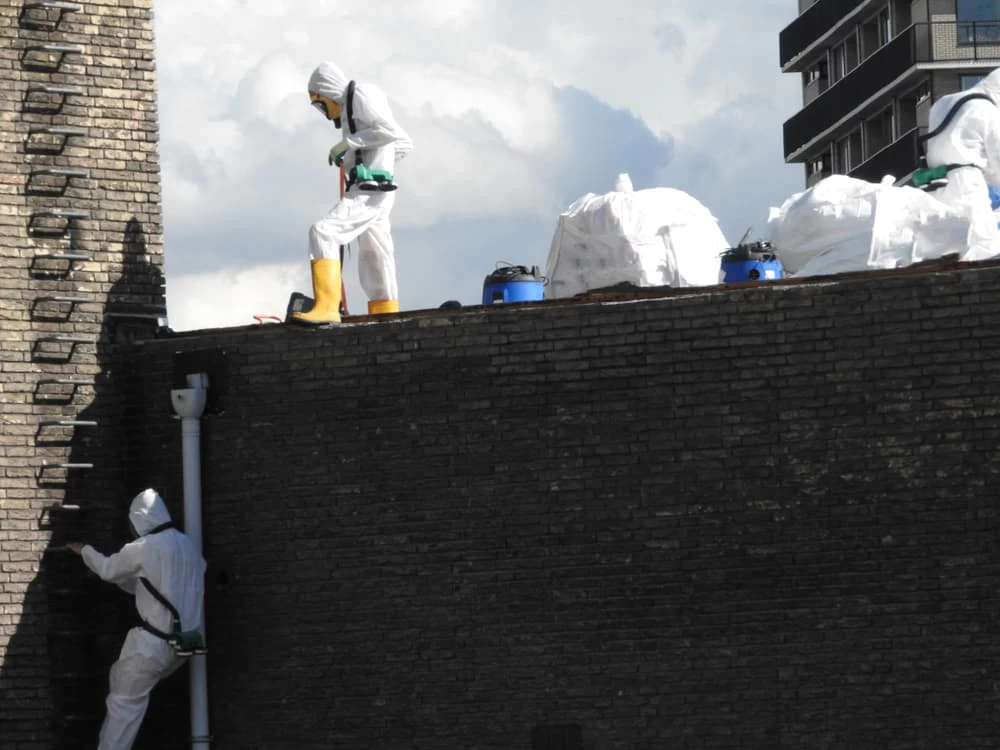
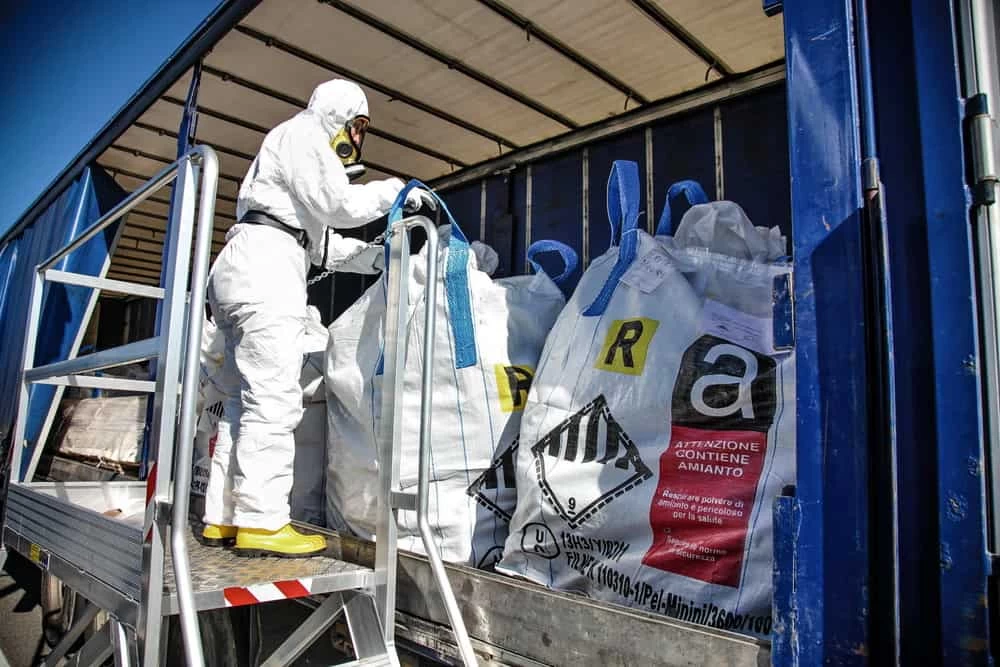
On-site, the work is done under full negative air pressure containment. Materials are removed, bagged, and labeled according to NYS DEC transport regulations. Once abatement is complete, a post-clearance air test is conducted by a third party to confirm the space is clean. You receive the full documentation package inspection report, project notification, waste manifests, clearance results everything you need for a permit, a sale, or a rental season.
What's Included When You're Dealing With Ocean Beach's Coastal Bungalow Stock
Ocean Beach’s housing inventory is almost entirely pre-1980 construction small, wood-framed bungalows built close together on lots that are, by the village’s own accounting, 95% built out. There’s no new construction here. Every project is a renovation, an elevation, or a gut job on an existing structure. And in that building stock, asbestos-containing materials are common enough that testing before any significant work isn’t just smart it’s legally required.
Asbestos tile removal is one of the most frequent requests we handle in Ocean Beach and surrounding Fire Island communities. The 9×9 and 12×12 vinyl tiles installed from the 1940s through the 1970s along with the black mastic adhesive underneath frequently contain chrysotile asbestos. Asbestos popcorn ceiling removal is another. Many Fire Island cottages still have original spray-applied acoustic ceilings from before the EPA’s 1978 ban. Disturbing either of those materials without proper containment in a small, enclosed bungalow interior is a serious health risk.
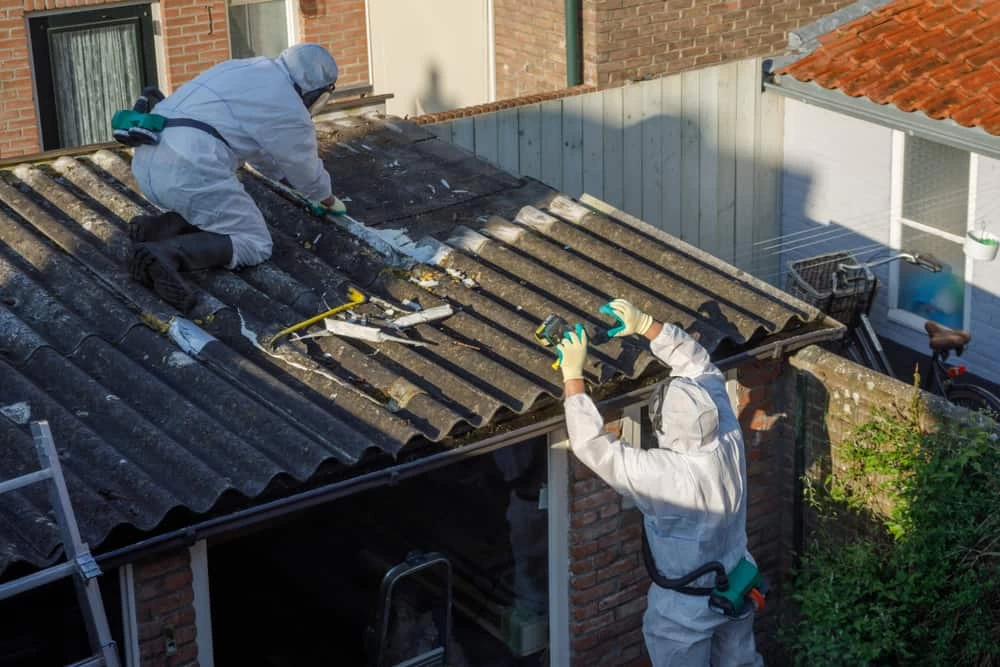
Beyond tile and ceiling work, our asbestos removal services cover pipe and boiler insulation, roofing materials, transite siding, and joint compound the full range of what shows up in this era of construction. The salt air and humidity on the barrier island accelerate material deterioration, which means materials that look intact sometimes aren’t. We assess condition, not just presence, so you get an accurate picture of what actually needs to be addressed.
Do asbestos contractors actually service Ocean Beach and Fire Island properties?
It’s a fair question, and the honest answer is that not all of them do or can. Ocean Beach is car-free and only accessible by ferry from the Bay Shore terminal, which means every contractor who takes a job there has to plan for crew and equipment crossing the Great South Bay. That’s not a dealbreaker, but it does require coordination that a lot of mainland contractors haven’t done before and don’t want to figure out mid-project.
We’re based in Suffolk County and have worked in Fire Island communities. We know the ferry logistics, we understand Ocean Beach’s construction permit restrictions, and we’re familiar with the federal overlay that comes with being inside the Fire Island National Seashore boundary. If a contractor you’re talking to has never worked on the island before, ask them specifically how they plan to transport containment equipment and waste containers. The answer will tell you a lot.
When is the best time to schedule asbestos abatement in Ocean Beach, NY?
The off-season window roughly October through April is when almost all abatement work in Ocean Beach should happen. The village code severely restricts construction during the summer season, limiting outdoor work permits to just one per season covering a handful of consecutive days between July 3 and Labor Day. That’s not enough time to run a full abatement project, and emergency construction permits during summer are only granted under specific extenuating circumstances.
More practically, most property owners in Ocean Beach need their homes ready before Memorial Day weekend the start of the rental season. That’s a hard deadline. If you’re planning a renovation, a FEMA elevation project, or any gut work, the abatement needs to be scheduled and completed well before spring to give your general contractor enough runway. Waiting until March to start the conversation usually means you’re already behind.
My Ocean Beach bungalow was built in the 1950s does it definitely have asbestos?
Not definitely, but the probability is high enough that you should find out before doing any work. Asbestos was widely used in residential construction from the 1920s through the late 1970s, and the bungalow-style homes that make up virtually all of Ocean Beach’s housing stock fall squarely in that era. Common locations include vinyl floor tiles and the adhesive beneath them, spray-applied popcorn ceiling finishes, pipe and boiler insulation, roofing felt and shingles, and joint compound used around drywall seams.
The only way to know for certain is bulk sampling and lab analysis a visual inspection alone isn’t enough to confirm or rule out asbestos-containing materials. The good news is that a pre-abatement inspection is relatively straightforward, and if the results come back clean, you have documentation that protects you in any future sale, permit application, or tenant dispute. If materials do test positive, you know exactly what you’re dealing with before your contractor touches anything.
Does the post-Sandy FEMA elevation process require asbestos testing in Ocean Beach?
Yes, and this catches a lot of Ocean Beach property owners off guard. Under NYS DOL Code Rule 56, any renovation, reconstruction, or demolition project that disturbs building materials in a structure that may contain asbestos requires a pre-disturbance inspection. Lifting a home, cutting into its foundation, or gutting the interior to accommodate a new elevation all of that qualifies. It doesn’t matter that the project is FEMA-driven; the state asbestos regulations apply regardless of the funding source or reason for the work.
Ocean Beach’s mayor has publicly noted that eventually everything on the island will need to reach flood height. That means the elevation cycle isn’t winding down it’s ongoing. If your home is in the queue for elevation work and you haven’t had an asbestos inspection done, that needs to happen before your general contractor starts. Discovering asbestos mid-project, after materials have already been disturbed, creates a much more complicated and expensive situation than addressing it upfront.
What types of asbestos materials are most common in Fire Island bungalows?
Based on the construction era and building style of most Ocean Beach homes, the materials we find most frequently are vinyl floor tiles particularly the 9×9 and 12×12 square tiles common from the 1940s through the 1970s and the black mastic adhesive used to install them. Both can contain chrysotile asbestos, and both are disturbed the moment you start pulling up flooring for a renovation.
Popcorn or textured acoustic ceilings are the second most common issue. Many Fire Island cottages still have original spray-applied ceiling finishes from before the EPA’s 1978 ban on asbestos in surfacing materials. Pipe insulation, boiler wrap, roofing materials, and transite siding also show up regularly. One factor that’s specific to barrier island properties is the accelerating effect of salt air and coastal humidity on material deterioration materials that appear intact on the surface can be significantly more degraded underneath, which affects both the risk level and the abatement approach.
What documentation will I receive after asbestos abatement is completed in Ocean Beach?
You’ll receive a complete documentation package that covers every stage of the project. That includes the pre-abatement inspection report with bulk sample results, the project notification filed with the NYS Asbestos Control Bureau, waste transport manifests showing how and where the material was disposed of, post-abatement clearance air test results from a third-party testing firm, and a final project certificate confirming the space has been cleared.
This documentation matters beyond just having a record. If you’re selling your Ocean Beach property, buyers and their attorneys will ask about any known environmental issues having a clean clearance certificate is straightforward proof. If you’re applying for a village building permit for follow-on renovation work, you’ll need it. And if you’re a landlord renewing an Ocean Beach rental permit, documentation showing that known hazards have been properly addressed is the kind of paper trail that protects you if a tenant ever raises a concern. We make sure you leave the project with everything you need, not just the work itself.