If your home was built before 1980 and you’re planning a renovation or just wondering what’s inside those walls asbestos abatement in Oceola Lake starts with a free on-site inspection from our fully licensed team.
I needed a professional consultation explanation of procedure for safe removal of Asbestos in my apartment complex. Without having an account yet, I was very impressed with the caring, knowledgeable and generous advice offered by Jessica, and will look forward to doing business in the future. Thank you so much! I feel much more informed about a sometimes scary endeavor. Peace. Nancy Silva Mineola, NY.
Mia Munoz
Used this company to clean up some water flood in my house. They were fast and easy to work with.very professional, Would recommend to anyone!
Nini Valle
Great company, had a flood and they responded quickly and efficiently. Billed my insurance company directly. I highly recommend this company!
joe colapietro, jr
I had pipe freeze in my basement right before a snow storm and they made to within an hour to help start the clean up process. They we by our side throughout the entire process and even helped with the insurance company. They did such a great job with the cleanup, repair, remidiation, I contracted them to perform the repairs and finishes in the basement. They came with enough manpower and material to get the job done. Leo and Jessica were nothing but a pleasure to deal with!!
Cristian Arredondo c
I had some water damage in my home and Green Island was able to take care of my issue quickly and effectively. I am very pleased with the work they did. They responded quickly and were very professional.
Michael M
Outstanding service! From the office to the field crew everyone was friendly, helpful and responsive. I highly recommend Green Island Group.
Most homes in the Oceola Lake area were built between the 1940s and 1970s. That’s not a coincidence it’s the exact window when asbestos was standard in floor tiles, ceiling texture, pipe insulation, and drywall compound. If you’re opening walls, pulling up floors, or updating a basement, there’s a real chance you’re going to encounter it. The question isn’t whether to deal with it it’s whether you deal with it the right way.
Living near Oceola Lake adds another layer to this. Homes close to the water deal with higher ambient humidity and seasonal moisture that ages building materials faster than homes a few miles inland. Pipe insulation and floor tiles that might still be stable in a drier environment can deteriorate faster here, reaching the point where fibers become airborne. That’s when it stops being a renovation issue and becomes a health issue.
Getting proper asbestos abatement done means you walk away with more than a clean space. You get documented clearance a formal record that the work was completed by a licensed contractor under New York State Industrial Code Rule 56, with post-abatement air testing to confirm your home is safe. If you’re planning to sell your Oceola Lake home, that documentation isn’t just peace of mind. It’s a real asset that buyers, lenders, and real estate attorneys are increasingly asking for on pre-1980 properties.
We hold the NYS Department of Labor Asbestos Handling License, EPA certification, and NYS DEC compliance for certified waste disposal. We also carry a Minority/Women-owned Business Enterprise certification from the New York State Office of General Services a government-issued credential that requires formal state review, not a self-designation. We’re an approved contractor for New York State agencies, which means we’ve cleared vetting requirements that go well beyond holding a license.
What that means for you as a homeowner in Oceola Lake or the broader Yorktown area is straightforward: every credential is verifiable, every worker on-site is individually certified under NYS DOL requirements, and no part of your project gets handed off to a subcontractor. We handle the full scope inspection, containment, removal, disposal, and clearance documentation under one roof.
With over 5,000 completed projects across the New York metro area, we’ve worked in homes identical to the ones surrounding Oceola Lake. The 1960s split-level, the ranch house with original basement tile, the cape cod with a cast-iron boiler and original pipe insulation these aren’t new scenarios. We’ve handled them before, and we’ll handle them correctly.
It starts with a free on-site inspection. Our inspector visits your property, assesses the materials in question, and tells you exactly what was found, what condition it’s in, and what if anything needs to happen next. You get a written estimate before any work begins. No pressure, no obligation.
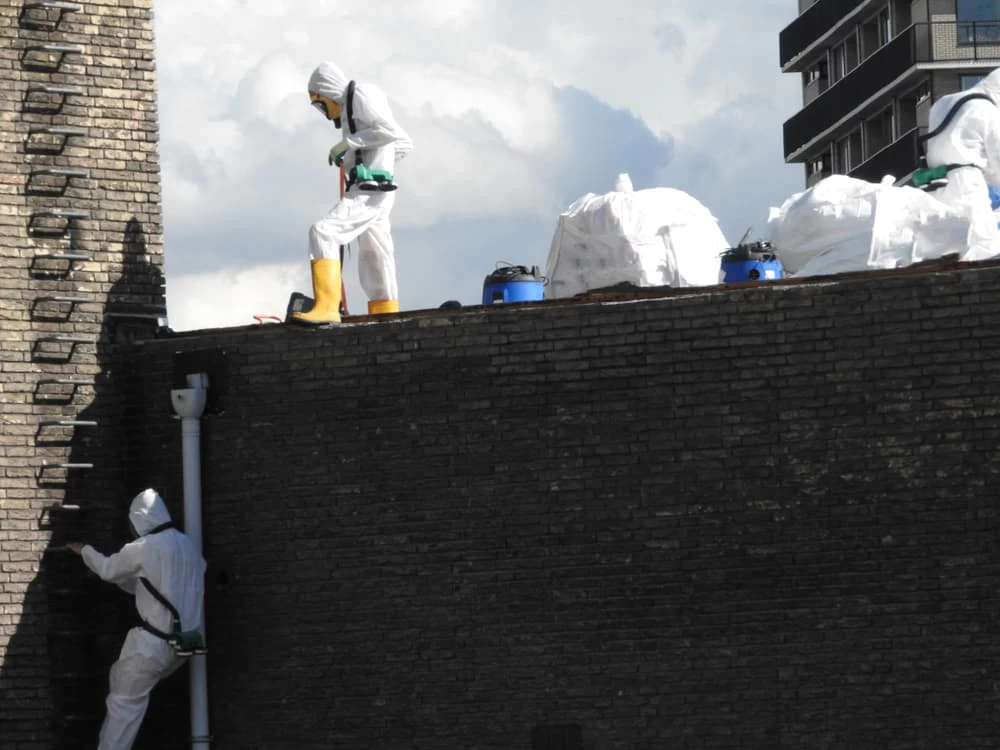
If abatement is required, we establish full containment before any material is disturbed. That means polyethylene barriers sealing off the work area, negative air pressure systems so air flows in rather than out, and HEPA-filtered air scrubbers running throughout the job. The rest of your home stays protected while work is underway. For homes in the Oceola Lake area, where renovation projects often involve basements and crawl spaces that are more moisture-exposed than typical, proper containment is especially important deteriorating materials in those spaces can be more friable and require additional care during removal.
Once removal is complete, all asbestos-containing waste is transported and disposed of under a certified NYS DEC chain-of-custody manifest. Then comes post-abatement air testing. When the results clear, you receive your formal clearance certificate the document that confirms the job was done correctly under New York State law and that your home is safe to reoccupy. That certificate is yours to keep, and if you ever sell, it goes with the property.
The homes in and around Oceola Lake don’t usually have just one type of asbestos-containing material they have several. The 9×9 vinyl floor tiles common in postwar basements and kitchens. The acoustic ceiling texture applied in living areas throughout the 1960s and 70s. Pipe insulation wrapped around boilers and hot water lines. Drywall joint compound behind walls that haven’t been touched in decades. We handle all of it asbestos tile removal, popcorn ceiling removal, pipe insulation abatement, and full interior remediation in a single project with a single clearance certificate at the end.
For homeowners in Jefferson Valley and the Yorktown area who are mid-renovation, that single-contractor model matters. If your renovation contractor is scheduled to start in three weeks, you need abatement completed and documented before they can legally proceed. We work within your timeline, give you a specific start date, and don’t leave you coordinating between multiple vendors to get one job done.
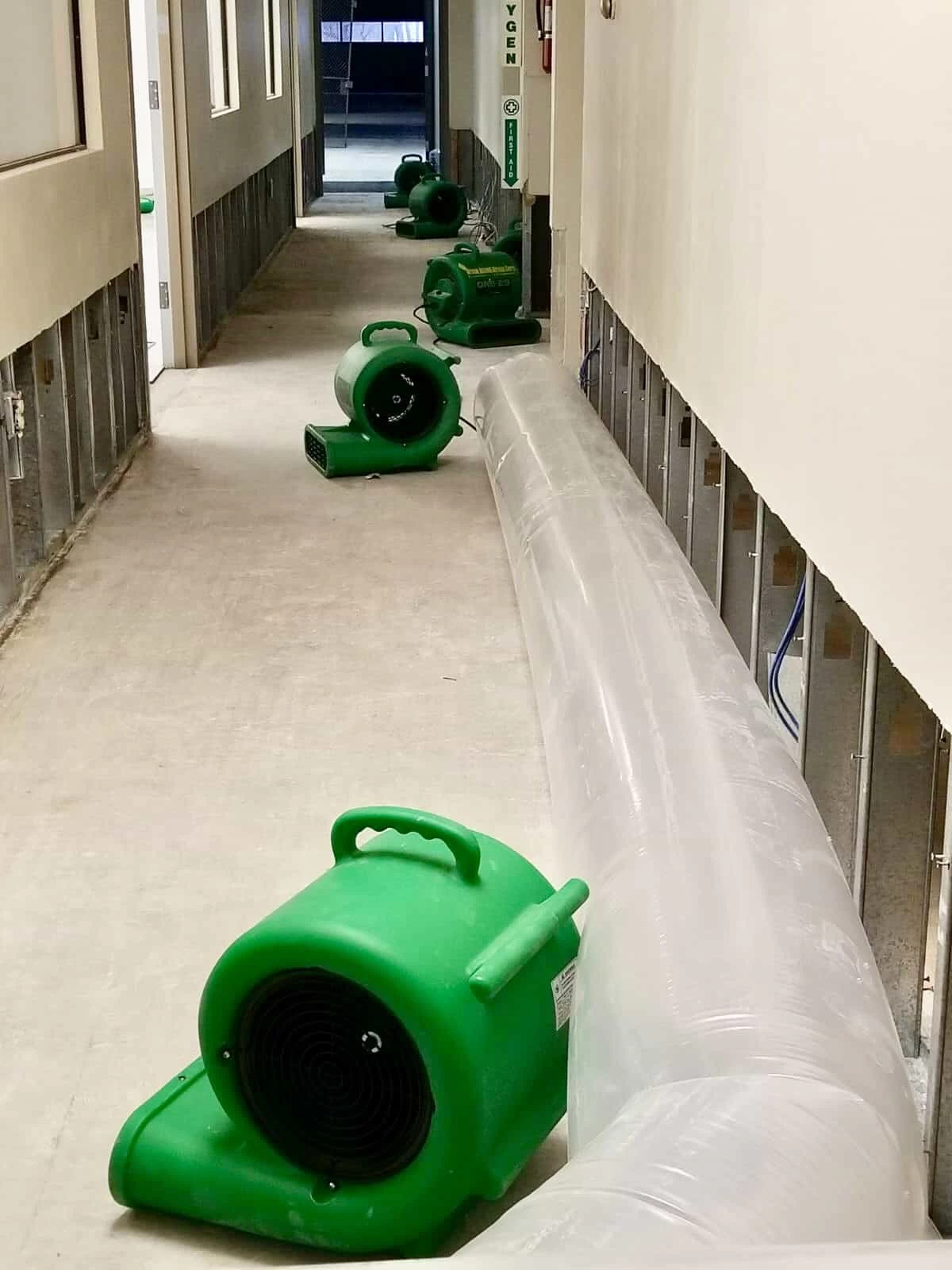
If you’re dealing with a water damage situation a pipe burst or moisture infiltration that’s disturbed existing insulation or flooring we also work directly with insurance carriers and handle billing on your behalf. That takes one significant burden off your plate when you’re already managing a stressful situation. Whatever the scenario, the process is the same: licensed, documented, and fully compliant with NYS Industrial Code Rule 56.
Does my older home near Oceola Lake definitely contain asbestos?
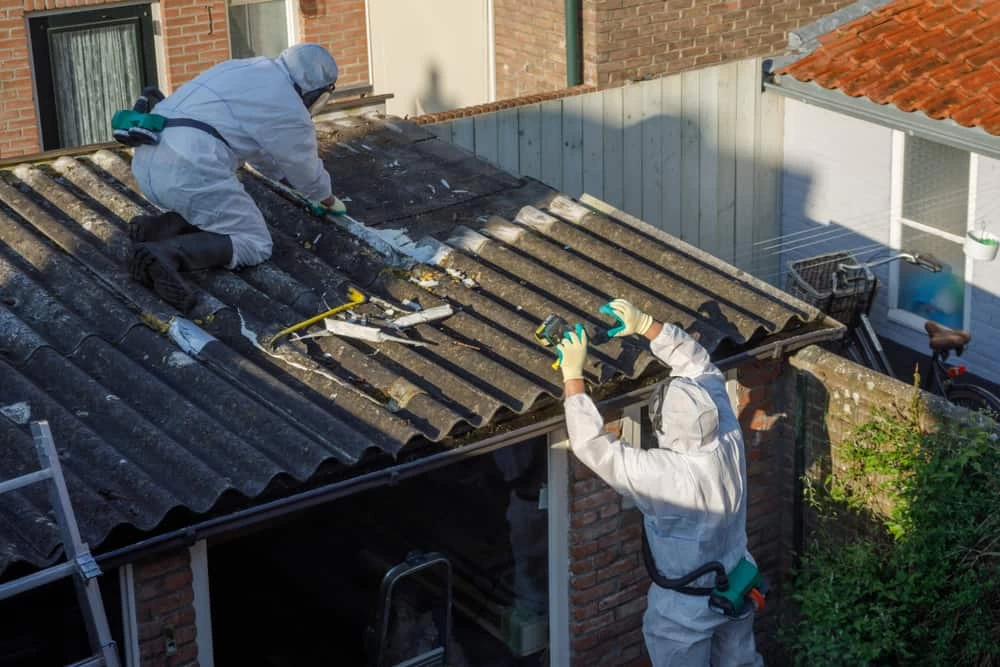
Not every older home has asbestos, but if your home was built before 1980 which describes the majority of the housing stock in the Oceola Lake and Jefferson Valley area the probability is high enough that you shouldn’t assume otherwise. Asbestos was used in dozens of residential building materials during that era: floor tiles, ceiling texture, pipe insulation, roofing shingles, drywall joint compound, and more. It wasn’t a specialty product it was standard.
The only way to know for certain is to have the materials tested by a licensed inspector. We offer free on-site inspections, so there’s no cost to getting a real answer. If asbestos is present and the materials are stable and undisturbed, abatement may not be immediately required. If they’re deteriorating which is more common in lake-adjacent homes where moisture is a constant factor the conversation changes. Either way, you’ll know what you’re dealing with instead of guessing.
Do I need a permit for asbestos abatement in Yorktown or Westchester County?
Asbestos abatement in New York State is governed by NYS Industrial Code Rule 56, administered by the NYS Department of Labor Asbestos Control Bureau. The rule requires that all abatement work be performed by a licensed asbestos contractor with individually certified workers, and that proper containment, air monitoring, and certified disposal procedures are followed throughout. This applies to residential projects in Yorktown and throughout Westchester County it’s not just a commercial requirement.
Unlike New York City, Westchester County doesn’t have a separate county-level asbestos contractor license requirement on top of the NYS DOL license. But NYS DEC regulations still govern waste disposal, requiring a complete chain-of-custody manifest for every load of asbestos-containing material transported from your property. We manage all of this licensing, compliance, disposal documentation so you don’t have to track it yourself. Your clearance certificate at the end of the project is your proof that everything was handled correctly under state law.
What happens if asbestos is found during a renovation in my Jefferson Valley home?
If asbestos-containing materials are discovered in an area that’s going to be disturbed during renovation, work has to stop until licensed abatement is completed. This is a legal requirement under NYS Industrial Code Rule 56 your general contractor cannot legally proceed through materials that contain asbestos without a licensed abatement contractor handling them first. It’s not a judgment call; it’s the rule.
The practical impact depends on how much material is involved and where it’s located. In many Jefferson Valley homes from the 1950s and 60s, a single renovation project can uncover asbestos in multiple locations simultaneously floor tiles under new flooring, joint compound behind drywall, insulation around pipes in a wall cavity. We handle all of it in one project, which keeps your renovation timeline moving instead of stalling while you coordinate multiple contractors. The sooner abatement is completed and cleared, the sooner your renovation team can get back to work.
How long does asbestos abatement typically take for a home in this area?
Timeline depends on the scope how many materials are involved, where they’re located, and how large the affected area is. A single-room floor tile removal in an Oceola Lake ranch house might be completed in one to two days. A whole-home abatement involving multiple material types across several areas of the house could take a week or more. Post-abatement air testing adds time as well, since the results need to come back before clearance can be issued and the space can be reoccupied.
What we commit to is a specific start date and a realistic completion estimate before any work begins. If you have a renovation contractor scheduled or a real estate closing on the calendar, that timeline matters and it factors into the planning from the first conversation. For homeowners near Oceola Lake who are working through spring renovation season, when demand picks up significantly across northern Westchester, booking early is worth doing.
Is asbestos popcorn ceiling removal different from other types of abatement?
The process follows the same regulatory requirements containment, licensed removal, certified disposal, post-abatement air testing but acoustic ceiling texture (commonly called popcorn ceiling) does have some specific handling considerations. The material is applied in a thin, textured layer that can become friable relatively easily, especially in older homes where it’s been painted over multiple times or where moisture has gotten into the ceiling. In homes near Oceola Lake, where humidity levels run higher than average, deteriorated popcorn ceiling texture is something we pay close attention to during inspections.
Before any ceiling texture is disturbed whether for a renovation, a room remodel, or a full ceiling replacement it should be tested. Not all popcorn ceilings contain asbestos, but those applied before 1980 have a meaningful chance of testing positive. If yours does, we handle the full removal under proper containment, with HEPA air scrubbing running throughout and clearance documentation provided when the job is done. It’s a straightforward process when handled correctly from the start.
Can asbestos abatement affect the sale of my Oceola Lake home?
It can in both directions. Undisclosed or unaddressed asbestos in a pre-1980 home can complicate a transaction significantly. Buyers’ attorneys in Westchester County increasingly request environmental documentation on older properties, and lenders sometimes require it as well. If asbestos is discovered during a buyer’s inspection, it can delay closing, reduce the sale price, or cause a deal to fall apart entirely.
On the other hand, a home with documented asbestos abatement and a formal clearance certificate is in a stronger position. It removes a potential objection before it becomes a negotiation point. For waterfront and water-view properties near Oceola Lake where homes already carry premium valuations having that documentation in hand before listing is a straightforward way to protect the price you’re asking for. We provide the clearance certificate as a standard deliverable on every project. It’s yours to keep and, when the time comes, to hand over to a buyer who wants proof the work was done right.