Oyster Bay's Older Homes Deserve More Than a Guess
If your Oyster Bay home was built before 1980, asbestos isn’t a maybe — it’s a real possibility. We provide certified asbestos abatement in Oyster Bay, so you know exactly what you’re dealing with and exactly how it gets handled.
I needed a professional consultation explanation of procedure for safe removal of Asbestos in my apartment complex. Without having an account yet, I was very impressed with the caring, knowledgeable and generous advice offered by Jessica, and will look forward to doing business in the future. Thank you so much! I feel much more informed about a sometimes scary endeavor. Peace. Nancy Silva Mineola, NY.
Mia Munoz
Used this company to clean up some water flood in my house. They were fast and easy to work with.very professional, Would recommend to anyone!
Nini Valle
Great company, had a flood and they responded quickly and efficiently. Billed my insurance company directly. I highly recommend this company!
joe colapietro, jr
I had pipe freeze in my basement right before a snow storm and they made to within an hour to help start the clean up process. They we by our side throughout the entire process and even helped with the insurance company. They did such a great job with the cleanup, repair, remidiation, I contracted them to perform the repairs and finishes in the basement. They came with enough manpower and material to get the job done. Leo and Jessica were nothing but a pleasure to deal with!!
Cristian Arredondo c
I had some water damage in my home and Green Island was able to take care of my issue quickly and effectively. I am very pleased with the work they did. They responded quickly and were very professional.
Michael M
Outstanding service! From the office to the field crew everyone was friendly, helpful and responsive. I highly recommend Green Island Group.
Oyster Bay’s housing stock tells the story. The town grew fast between the 1950s and 1980s, and the materials used to build those homes — floor tiles, pipe insulation, popcorn ceilings, boiler wrap — were loaded with asbestos. That’s just what was standard at the time. And if you’re renovating, selling, or simply noticing something that doesn’t look right in your basement or ceiling, it matters.
Once asbestos is properly removed from your Oyster Bay property, you can move forward with your renovation without stopping to wonder if you’re disturbing something dangerous. You can get your building permit processed through the Town of Oyster Bay’s Building Division without a certification hold-up. You can close on a real estate transaction without the deal falling apart over a hazmat disclosure. That’s what this actually looks like on the other side of it.
For homeowners in the Oyster Bay area specifically, the North Shore’s cold winters and damp conditions accelerate the breakdown of older building materials. Freeze-thaw cycles crack pipe insulation and floor tiles over time, which is when asbestos fibers can become airborne. If you’ve got aging materials in a basement mechanical room or an older addition that took on moisture, that’s not something to sit on.
We are a NYS Department of Labor-certified asbestos contractor serving Long Island and the greater New York metro area. That certification isn’t a marketing badge — it’s a legal requirement under NYS Industrial Code Rule 56, and it means every crew member, every procedure, and every disposal method meets state standards. You’re not hiring a general contractor who handles asbestos on the side. This is what we do.
We know the Oyster Bay area well — the Victorian-era homes near the harbor, the post-war additions in the surrounding villages, the older mechanical systems common in homes throughout Oyster Bay Cove and East Norwich. We also know what the Town of Oyster Bay’s Building Division at 74 Audrey Avenue requires when you’re pulling a permit on a property with asbestos-containing materials. That local familiarity saves you time and keeps your project moving.
From First Call to Final Clearance — Here's the Process
It starts with an inspection. A NYS-certified asbestos inspector comes to your property, identifies suspect materials, and collects samples for lab testing. In Oyster Bay homes — especially those built between the late 1940s and early 1980s — that can mean looking at floor tiles, ceiling texture, pipe and boiler insulation, roofing materials, joint compound, and exterior siding. We don’t assume. We test.
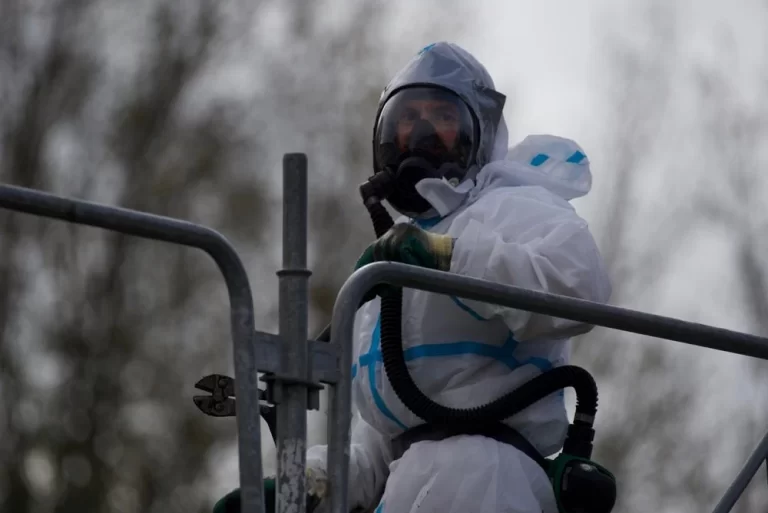
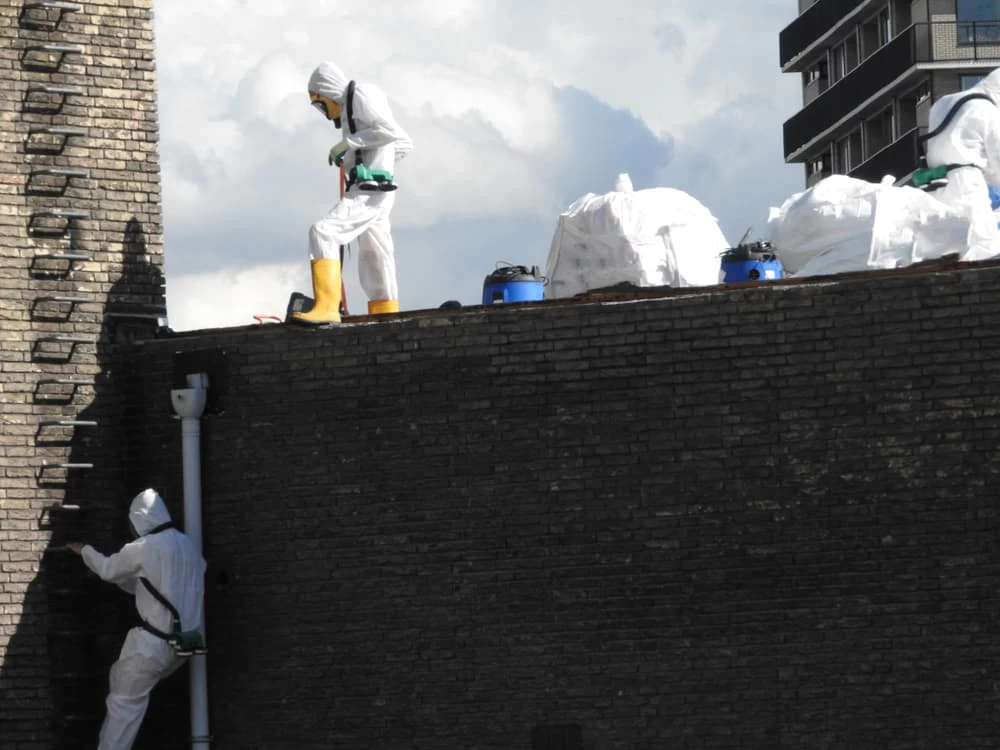
Once results come back and asbestos is confirmed, we submit the required notification to New York State before any work begins. That’s not optional under ICR 56 — it’s the law. We handle that paperwork, so you don’t have to track it down yourself. Then the abatement begins: full containment of the work area, negative air pressure to prevent fiber migration, and removal by certified workers using proper protective equipment. Nothing leaves your property in a contractor’s pickup bed. Asbestos waste is sealed, labeled, and transported to a state-approved disposal facility by licensed haulers.
When the work is done, we conduct final air clearance testing to confirm the space is clean. That clearance report is what you hand to the Town of Oyster Bay’s Building Division when you’re submitting your permit application, and it’s what your real estate attorney or buyer’s agent needs to move a transaction forward. You get documentation that holds up — not just a verbal assurance.
Asbestos Tile and Popcorn Ceiling Removal, Oyster Bay
Every Material, Every Location, Done to Code
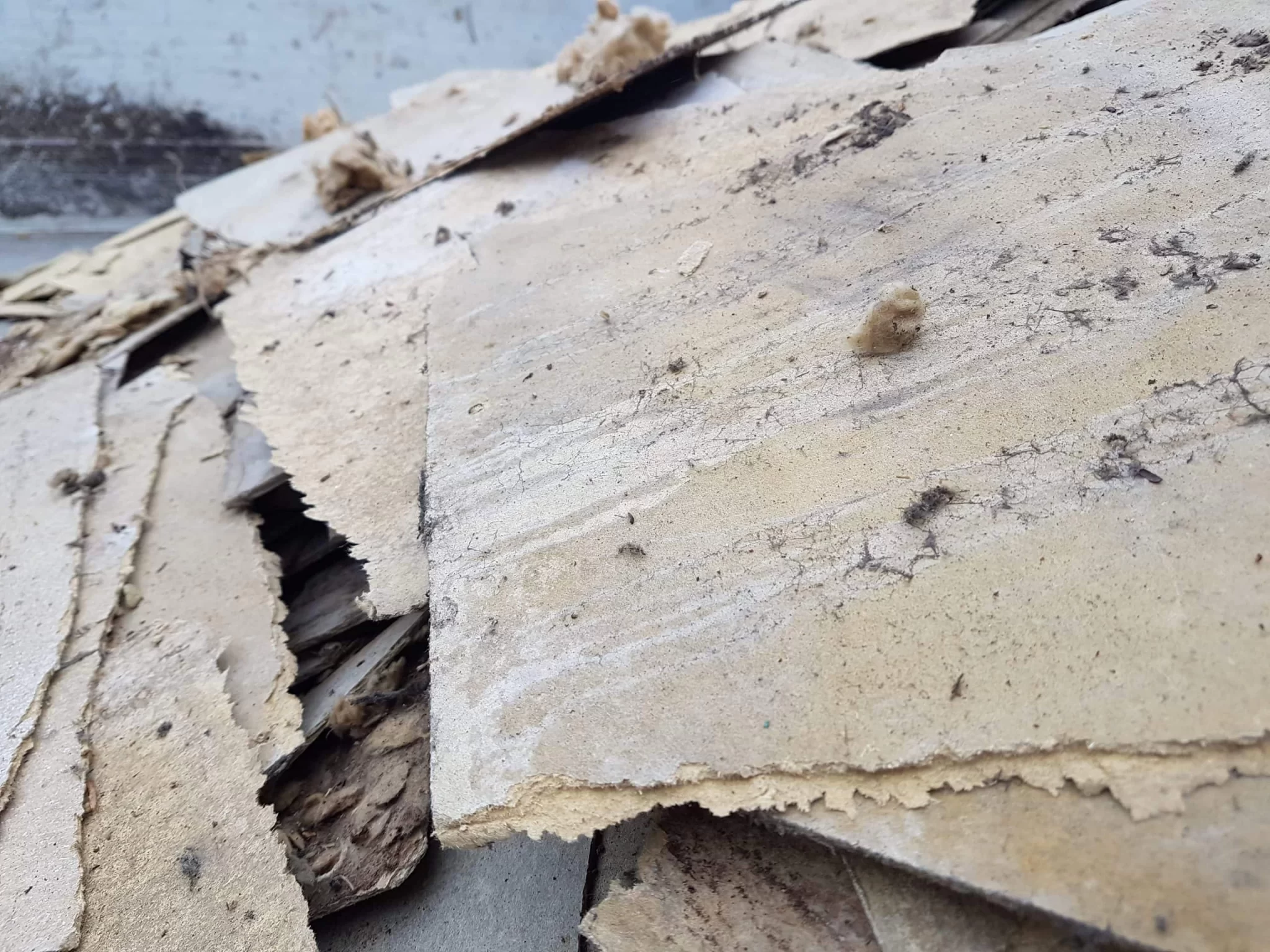
Asbestos doesn’t show up in just one place, and in Oyster Bay’s older homes, it rarely does. The 9-inch vinyl asbestos floor tiles that were standard in post-war construction are one of the most common things we find — in basements, kitchens, utility rooms, and entryways of homes built throughout the 1950s, 60s, and 70s. The adhesive mastic beneath those tiles can also contain asbestos, and it has to be addressed as part of any proper asbestos tile removal. Pulling the tiles and leaving the mastic behind isn’t abatement — it’s a problem deferred.
Asbestos popcorn ceiling removal is another frequent call we get from Oyster Bay homeowners who are renovating older bedrooms, living rooms, or hallways. Textured ceiling compounds applied before 1978 commonly contained asbestos, and disturbing that material without proper containment can spread fibers throughout an entire floor of your home. We set up full containment before anything is touched, and we test the air after we’re done.
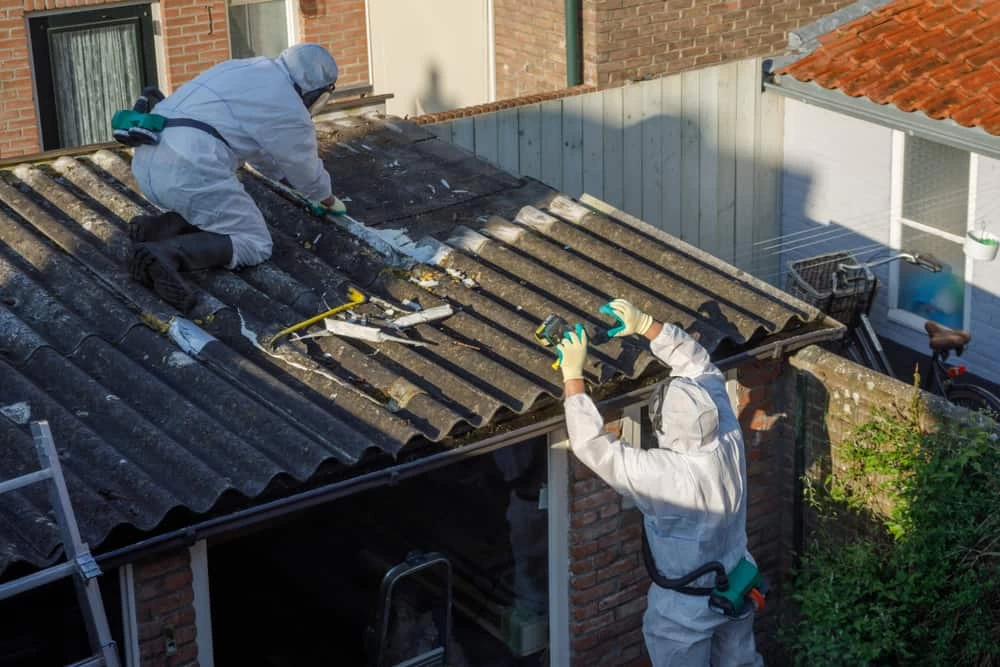
Beyond tiles and ceilings, we handle pipe and boiler insulation, attic insulation, roofing shingles, joint compound, and transite siding — the full range of materials common in Nassau County’s older residential and commercial properties. Whatever your property has, we identify it, remove it legally, and document everything your permit office or closing attorney needs.
Do I need an asbestos survey before renovating my Oyster Bay home?
Yes — and it’s not just a recommendation, it’s a legal requirement under NYS Industrial Code Rule 56. Before any renovation or demolition project that could disturb suspect materials, New York State requires a mandatory asbestos survey conducted by a certified inspector. This applies to residential and commercial properties alike. If you skip it and a problem surfaces later — during a permit inspection, a real estate transaction, or a contractor’s discovery — you’re looking at work stoppages, potential fines, and the cost of doing the abatement properly anyway.
For Oyster Bay specifically, the Town’s Building Division requires that property owners submit asbestos certification as part of the building permit application process. That means if you’re pulling a permit for a kitchen remodel, a basement renovation, or an HVAC replacement in a pre-1980 home, you need that survey completed and the abatement documented before your permit moves forward. Getting this done upfront — rather than after a contractor flags something mid-project — keeps your timeline intact and your costs predictable.
How do I know if my Oyster Bay house actually has asbestos in it?
The honest answer is that you can’t know for certain without testing. Visual identification isn’t reliable — asbestos fibers are microscopic, and many asbestos-containing materials look identical to their non-asbestos counterparts. What you can do is use the age of your home as a starting point. If your home was built before 1980, there’s a meaningful chance that one or more materials contain asbestos, particularly floor tiles, ceiling texture, pipe insulation, and joint compound.
In Oyster Bay, a large share of the housing stock was built during the post-war construction boom of the 1950s through 1970s — exactly the era when asbestos use in building materials was at its peak. Older homes in the hamlet itself and in surrounding villages like Oyster Bay Cove, East Norwich, and Centre Island may also contain pre-war materials in plaster, early thermal insulation systems, and vintage mechanical equipment. A certified inspection is the only way to confirm what’s actually there, and it’s the only documentation that will hold up with a permit office or a buyer’s attorney.
What happens if I disturb asbestos-containing materials without knowing it?
If asbestos-containing materials are disturbed without proper containment, the fibers can become airborne and spread through your home’s air supply. Once that happens, the remediation scope expands significantly — you’re no longer just dealing with a floor tile or a ceiling texture. You may be dealing with contaminated ductwork, adjacent rooms, and HVAC systems that have circulated the fibers. That’s a much larger and more expensive problem than the original abatement would have been.
From a regulatory standpoint, disturbing asbestos without a prior survey and certified abatement is a violation of NYS Industrial Code Rule 56. If this surfaces during a permit inspection or a real estate transaction, it can trigger a stop-work order and require a full remediation before the project can continue. The practical takeaway: if you’re renovating a pre-1980 home in Oyster Bay and your contractor hasn’t mentioned asbestos, that’s worth asking about before the first tile gets pulled or the first ceiling gets scraped.
How long does asbestos abatement typically take for a residential project in Oyster Bay?
Timeline depends on the scope — how many materials are involved, where they’re located, and how large the affected area is. A single-room floor tile removal in a basement might take one to two days. A more involved project covering pipe insulation, ceiling texture, and floor tiles across multiple areas of a home can take several days to a week. The inspection and lab testing phase typically adds a few days before abatement can begin, and final air clearance testing happens after the work is complete.
One thing that affects timing in Oyster Bay specifically is the permit process. If you’re renovating and need a building permit from the Town’s Building Division, the abatement and clearance documentation need to be completed before that permit can fully process. Planning the inspection early — before your renovation contractor is scheduled to start — gives you the most flexibility and avoids the situation where your crew is standing by while paperwork catches up. If you’re working against a real estate closing date, let us know upfront and we’ll work around that timeline as best we can.
Is asbestos popcorn ceiling removal something I can do myself in New York?
Technically, New York State law does not prohibit a homeowner from removing asbestos-containing materials in their own single-family residence under certain conditions. But the practical reality is that doing it safely — in a way that doesn’t contaminate your home and doesn’t create a documentation problem for a future permit or sale — requires equipment, training, and disposal access that most homeowners simply don’t have.
Asbestos popcorn ceiling removal is one of the higher-risk DIY scenarios because ceiling texture is friable by nature — meaning it crumbles easily and releases fibers readily when disturbed. Without proper containment, negative air pressure, and protective equipment, you can spread asbestos throughout an entire floor of your home in the time it takes to scrape one room. Beyond the health risk, if you ever sell your Oyster Bay home or pull a permit for future work, you’ll need certified documentation showing the abatement was done properly. A self-performed removal with no paperwork trail creates a liability that follows the property — and you.
How does Green Island Group handle asbestos disposal after a job in Nassau County?
Every piece of asbestos-containing material removed from your property gets double-bagged in approved containers, labeled according to state requirements, and transported by a licensed hauler to a state-approved disposal facility. This isn’t something that goes in a dumpster or gets mixed with regular construction debris. NYS regulations are specific about the entire disposal chain, and we follow it completely on every job.
For Nassau County homeowners, this matters beyond just compliance. If you’re selling a property, your buyer’s attorney or title company may ask for disposal documentation as part of the transaction. If you’re pulling a permit, the Town of Oyster Bay’s Building Division may require proof that the abatement was handled by a certified contractor using proper disposal methods. The paperwork we generate — from the initial notification to the state through final clearance testing and disposal records — gives you a complete, documented chain of custody that holds up wherever you need it.