Parkside's Pre-War Homes Deserve More Than a Guess
If your home was built before 1980 and most in Parkside were asbestos abatement isn’t a maybe. We handle the full process at Green Island Group, from inspection to clearance, so you’re not left managing three different contractors.
I needed a professional consultation explanation of procedure for safe removal of Asbestos in my apartment complex. Without having an account yet, I was very impressed with the caring, knowledgeable and generous advice offered by Jessica, and will look forward to doing business in the future. Thank you so much! I feel much more informed about a sometimes scary endeavor. Peace. Nancy Silva Mineola, NY.
Mia Munoz
Used this company to clean up some water flood in my house. They were fast and easy to work with.very professional, Would recommend to anyone!
Nini Valle
Great company, had a flood and they responded quickly and efficiently. Billed my insurance company directly. I highly recommend this company!
joe colapietro, jr
I had pipe freeze in my basement right before a snow storm and they made to within an hour to help start the clean up process. They we by our side throughout the entire process and even helped with the insurance company. They did such a great job with the cleanup, repair, remidiation, I contracted them to perform the repairs and finishes in the basement. They came with enough manpower and material to get the job done. Leo and Jessica were nothing but a pleasure to deal with!!
Cristian Arredondo c
I had some water damage in my home and Green Island was able to take care of my issue quickly and effectively. I am very pleased with the work they did. They responded quickly and were very professional.
Michael M
Outstanding service! From the office to the field crew everyone was friendly, helpful and responsive. I highly recommend Green Island Group.
Most Parkside homeowners don’t go looking for asbestos. They find it mid-renovation floor tiles cracked open, pipe insulation disturbed, a ceiling texture that suddenly looks suspicious. Work stops. Questions pile up. And the clock starts ticking, especially if there’s a closing date on the calendar or a contractor waiting on standby.
When asbestos removal is handled correctly, that pressure lifts. You get a clearance certificate that holds up with a real estate attorney, an insurance adjuster, or a building inspector. You get documented air monitoring results, not just a verbal “we got it all.” And you get your space back, cleared and confirmed safe, without having to coordinate a second or third company to finish what the first one started.
Parkside’s housing stock is predominantly pre-war. The majority of homes here were built no later than 1939, and a significant portion from 1940 to 1969. That means vinyl floor tiles, pipe and boiler insulation, joint compounds, ceiling tiles these aren’t hypothetical concerns. They’re in the buildings. And in a neighborhood where median home values sit above $1.1 million, getting this wrong isn’t just a health risk. It’s a financial one.
One License Stack. Every Layer of This Job Covered.
We’re a licensed environmental remediation and restoration contractor serving all five NYC boroughs, including every corner of Queens County. That includes the pre-war apartment buildings along Queens Boulevard in Parkside, the mid-century homes near Metropolitan Avenue, and the single-family properties that back up against Forest Park. This isn’t a franchise routing calls from out of state it’s a team that works in Parkside regularly and knows what we’re walking into before the door opens.
The credential stack matters here. NYS DOL Asbestos licensing, NYC DEP compliance, USEPA Lead/RRP certification, IICRC Water and Fire Damage all current, all active. In a borough where asbestos, lead paint, and mold frequently share the same wall cavity in the same pre-war building, having one contractor who can legally and competently address all three isn’t a convenience. It’s the only way to avoid a coordination gap that costs you time and money.
We also handle reconstruction after abatement. That means when the hazardous material is gone, the space doesn’t stay gutted while you hunt for a GC. The same company that cleared it can close it back up.
No Surprises Here's What the Job Actually Looks Like
It starts with an assessment. Before anything is touched, a licensed inspector identifies what materials are present, where they are, and what condition they’re in. In Parkside’s older housing stock, that often means looking at multiple material types in the same space floor tile adhesives, pipe wrap, ceiling texture, plaster compounds. You get a clear picture of what’s there and what the right course of action is, whether that’s removal, encapsulation, or continued monitoring.
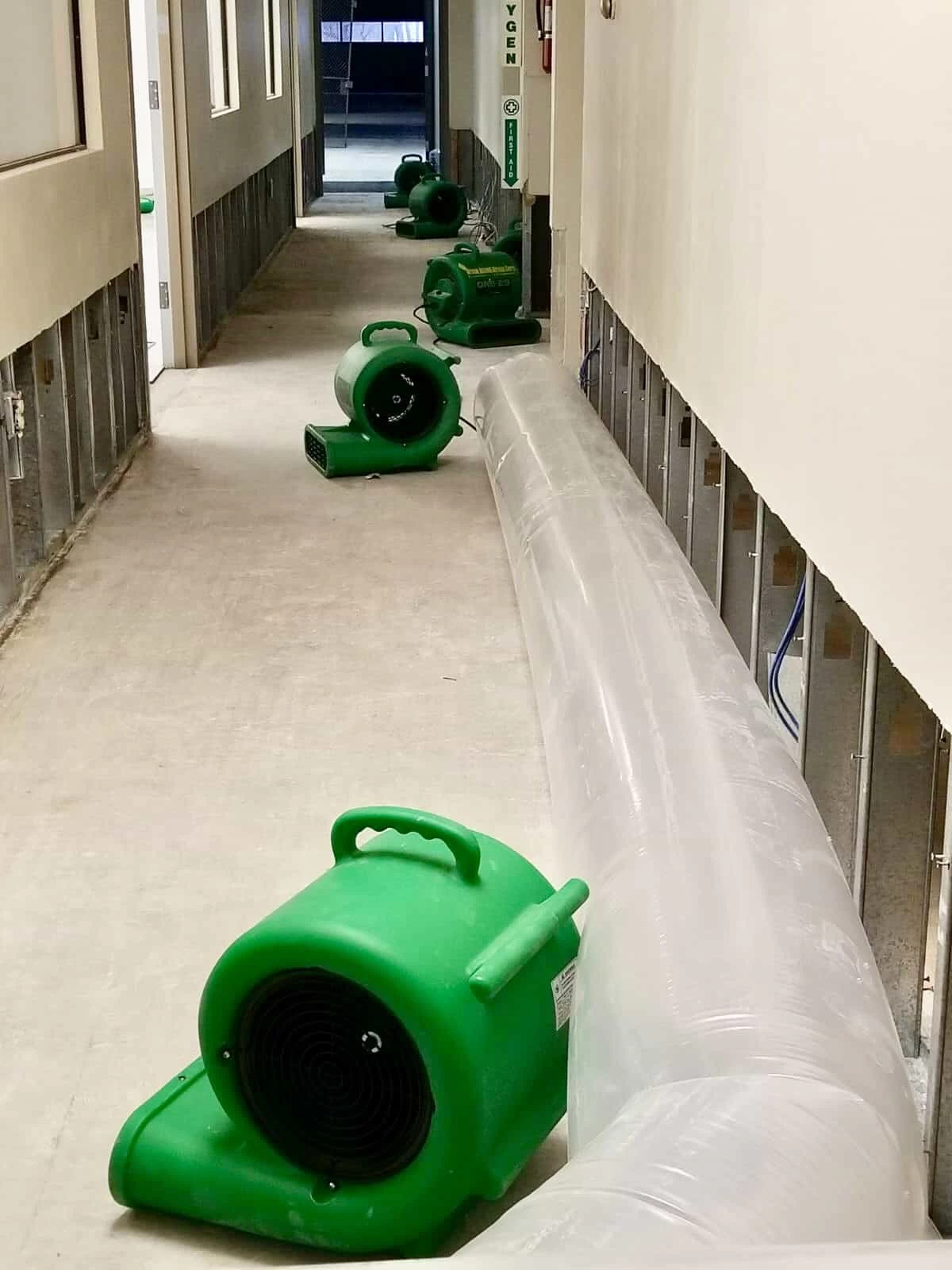
If abatement is the call, the next step is proper notification and permitting. In New York City, the NYC DEP requires notification before asbestos is disturbed this isn’t optional, and it’s the property owner’s legal responsibility to ensure it’s done. We handle that process as part of the job. Containment goes up, negative air pressure is established, and Microtrap air scrubbers run throughout the removal. The work area is isolated from the rest of your home or building so the rest of your space stays unaffected.
After removal, an independent air monitoring firm conducts post-clearance testing a mandatory step under NYC DEP rules. That report is what gives you the documentation you need. Once clearance is confirmed, if reconstruction is part of the scope, that work begins immediately under the same contract. From first call to final sign-off, you’re dealing with one company.
The Materials Most Common in Parkside and How We Handle Them
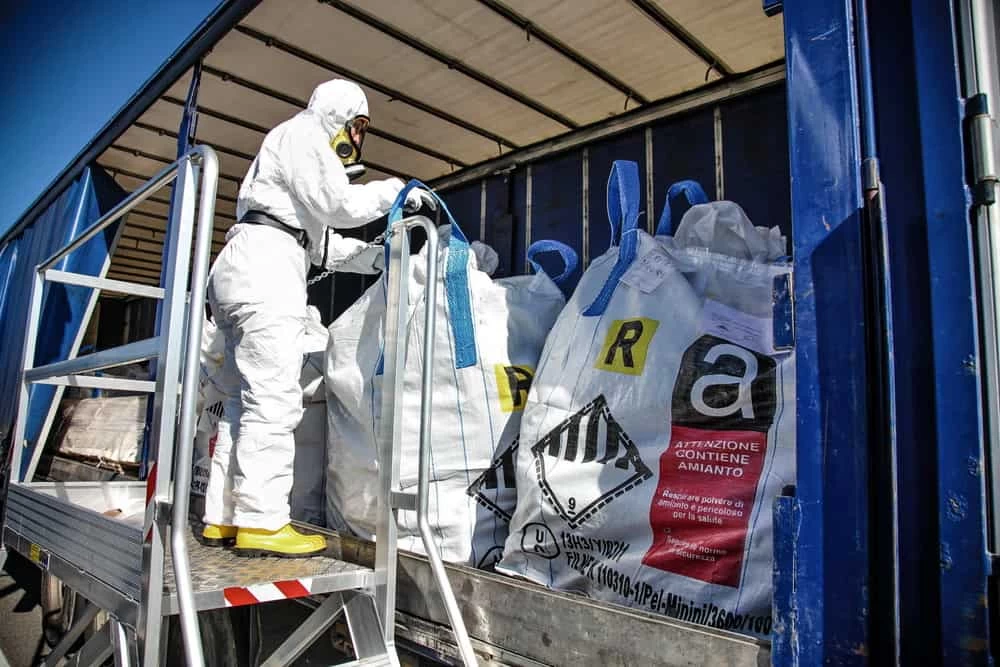
Two of the most frequently encountered asbestos-containing materials in Parkside homes are vinyl floor tiles and spray-applied popcorn ceiling texture. The 9×9-inch floor tile format was standard in mid-century construction across Parkside and Queens, and the adhesive beneath it often contains asbestos even when the tile itself tests clean. Asbestos tile removal in these older homes requires careful containment and proper disposal not a shop vac and a dumpster. The same applies to asbestos popcorn ceiling removal, which was common in Parkside homes built between the 1950s and 1970s, right in the window of the neighborhood’s secondary housing cohort.
Beyond tile and ceiling work, pipe and boiler insulation is a major concern in pre-war buildings particularly in basements where a pipe freeze or water damage event has already disturbed the material. When a covered insurance event is involved, we bill your insurance company directly, handling the claim navigation while the remediation work moves forward. That dual capability licensed abatement plus direct insurance billing is something most abatement-only contractors in Queens can’t offer.
For property managers and landlords overseeing Parkside’s apartment buildings, asbestos remediation documentation is often required to satisfy DEP compliance or respond to a tenant complaint. We provide the full paper trail: DEP notification records, project documentation, air monitoring results, and clearance certification everything needed to demonstrate that the work was done legally and completely.
Do I need a permit for asbestos removal in Parkside, Queens, NY?
Yes, and the requirements in New York City go beyond what most homeowners expect. The NYC Department of Environmental Protection requires notification and approval before asbestos-containing materials are disturbed in any property within the five boroughs including Parkside. This is separate from NYS DOL licensing requirements and applies specifically to NYC properties. Additionally, if you’re pulling a building permit through the NYC Department of Buildings, the PW1 application form requires you to address asbestos status directly. If abatement is required, a licensed abatement contractor and an independent air monitoring firm must both be on the job.
The legal responsibility for ensuring compliance sits with the property owner, not just the contractor. That means if you hire someone who isn’t properly licensed or skips the DEP notification step, you’re the one exposed to fines and liability not them. We handle the notification process, the permit coordination, and the post-clearance air monitoring as standard parts of every project, so nothing falls through the gap.
How do I know if my Parkside home's floor tiles contain asbestos?
You can’t tell by looking. The 9×9-inch vinyl floor tiles that were standard in Parkside and Queens homes built between the 1940s and 1970s frequently contain asbestos in both the tile itself and the adhesive beneath it. The only way to know for certain is to have a sample tested by a licensed inspector using accredited laboratory analysis.
What matters most is that you don’t disturb the material before testing. Scraping, sanding, or breaking these tiles even during a routine renovation can release asbestos fibers into the air. If your Parkside home was built before 1980 and still has its original flooring, the safest first step is an inspection before any demo work begins. Our licensed inspectors can assess the material, collect samples, and give you a clear answer before anything is touched.
What happens if asbestos is found during a renovation in my Queens home?
Work stops. That’s the short answer and it’s the right call. Continuing renovation activity after suspected asbestos is identified can disturb the material, spread fibers to other areas of the home, and create a much larger and more expensive remediation scope. It can also create legal liability if the work was being done under a permit that didn’t account for asbestos abatement.
Once work is paused, the next step is a licensed inspection to confirm what’s present and where. In Parkside’s pre-war buildings, it’s common for an inspection to reveal multiple asbestos-containing materials in the same space floor tiles, pipe insulation, joint compound, ceiling texture so a thorough assessment up front saves time and avoids mid-project surprises. From there, we can manage the DEP notification, perform the abatement under proper containment, coordinate post-clearance air testing, and then continue with reconstruction all under one contract. The renovation doesn’t have to die. It just needs to be sequenced correctly.
Does homeowner's insurance cover asbestos removal in Parkside, NY?
It depends on how the asbestos was discovered and what triggered the claim. Standard homeowner’s insurance policies typically don’t cover asbestos removal as a standalone maintenance issue but when asbestos is exposed as a result of a covered event, like a pipe freeze, water damage from a roof leak, or fire damage, the abatement required to complete that repair is often covered as part of the broader claim.
This is particularly relevant in Parkside, where pre-war buildings with aging plumbing are vulnerable to pipe freeze events during cold winters. When a pipe bursts in a basement wrapped with asbestos insulation, the water damage claim and the asbestos abatement are connected. We bill insurance companies directly, which means you’re not fronting costs and waiting for reimbursement while the project is on hold. If you’re unsure whether your situation qualifies, a quick call can help clarify what’s likely covered before you commit to anything.
How long does asbestos abatement take in a Parkside home or apartment?
For most residential projects a single room’s worth of floor tile, a section of pipe insulation, or a popcorn ceiling in one or two rooms the abatement work itself typically takes one to three days. The total project timeline, however, depends on a few additional steps that are specific to New York City. DEP notification must be submitted before work begins, and post-clearance air monitoring must be completed and confirmed before the space is reoccupied. Those steps add time to the overall schedule, even when the physical removal is straightforward.
For larger projects multi-room abatement in a Parkside apartment building, or a full-floor removal in a pre-war multi-family property the timeline extends accordingly. Federal EPA NESHAP regulations also require a 10 working-day advance notice before removing more than 160 square feet of regulated asbestos material, which affects scheduling for larger scopes. We’ll give you a realistic timeline at the assessment stage, not an optimistic estimate that shifts once the job is underway.
Is asbestos common in popcorn ceilings in Forest Hills and Parkside homes?
Yes, and it’s one of the more frequently overlooked sources. Spray-applied popcorn ceiling texture also called acoustic ceiling texture was widely used in residential construction from the late 1950s through the late 1970s. Parkside’s secondary housing cohort, the homes built between 1940 and 1969, falls squarely in that window. Asbestos was added to the texture mix because it improved fire resistance and durability, and it was considered a standard building material at the time.
The concern with popcorn ceilings specifically is that the texture is inherently friable meaning it can crumble or release fibers with relatively minor disturbance, including sanding, scraping, or even aggressive cleaning. If you’re planning to repaint, skim coat, or remove a popcorn ceiling in a Parkside home built before 1980, testing before you touch it is the right move. We perform asbestos popcorn ceiling removal under full containment with air scrubbers running throughout, followed by mandatory post-clearance air testing so the ceiling comes down cleanly and the documentation confirms it.