If your renovation just hit a wall or your contractor walked off the job asbestos abatement in Patchogue starts with a licensed inspection, not a sales pitch.
I needed a professional consultation explanation of procedure for safe removal of Asbestos in my apartment complex. Without having an account yet, I was very impressed with the caring, knowledgeable and generous advice offered by Jessica, and will look forward to doing business in the future. Thank you so much! I feel much more informed about a sometimes scary endeavor. Peace. Nancy Silva Mineola, NY.
Mia Munoz
Used this company to clean up some water flood in my house. They were fast and easy to work with.very professional, Would recommend to anyone!
Nini Valle
Great company, had a flood and they responded quickly and efficiently. Billed my insurance company directly. I highly recommend this company!
joe colapietro, jr
I had pipe freeze in my basement right before a snow storm and they made to within an hour to help start the clean up process. They we by our side throughout the entire process and even helped with the insurance company. They did such a great job with the cleanup, repair, remidiation, I contracted them to perform the repairs and finishes in the basement. They came with enough manpower and material to get the job done. Leo and Jessica were nothing but a pleasure to deal with!!
Cristian Arredondo c
I had some water damage in my home and Green Island was able to take care of my issue quickly and effectively. I am very pleased with the work they did. They responded quickly and were very professional.
Michael M
Outstanding service! From the office to the field crew everyone was friendly, helpful and responsive. I highly recommend Green Island Group.
When asbestos shows up mid-renovation, everything stops. The contractor steps back, the timeline blows up, and suddenly you’re searching for answers on a problem you didn’t know you had yesterday. That’s where most Patchogue homeowners find themselves not because they did anything wrong, but because the village’s housing stock is old. The median construction year here is 1966, and nearly one in four homes was built before 1940.
What asbestos abatement actually gives you is forward motion. A licensed inspection tells you exactly what you’re dealing with, where it is, and what needs to happen before your contractor can safely get back to work. If removal is needed, it gets done right contained, documented, and cleared. You get the air clearance report, the disposal manifests, and the paperwork your lender or buyer’s attorney will eventually ask for.
Patchogue’s coastal position on the Great South Bay matters here too. The humidity, salt air, and freeze-thaw cycles that come with South Shore living accelerate the breakdown of older insulation and floor tile materials. Asbestos that’s been sitting in a damp basement or crawl space for fifty years doesn’t always stay intact. Disturbing it without proper containment even during routine plumbing or HVAC work can create a real problem fast.
Licensed for This Work. Familiar With Patchogue's Homes.
We’re a Long Island–based environmental remediation company focused on asbestos abatement and related services across Suffolk County. This isn’t a side service bolted onto a water damage or mold franchise it’s the work we do. Our crews are trained specifically on the materials found in Patchogue and the surrounding South Shore homes: the 9″x9″ vinyl floor tiles common in post-war kitchens, the pipe wrap in older boiler rooms, the acoustic ceiling texture sprayed on in the 1960s and 1970s.
We know Patchogue well. From the older residential blocks near Main Street and the Patchogue River waterfront to the homes along the NY-112 corridor heading north toward Medford, the building stock here has a specific character and so do the materials inside it. We already serve East Patchogue and the surrounding central Suffolk area, which means when you call, you’re getting a crew familiar with this exact market. Every project comes with NYS DOL licensing, full documentation, and no surprises on scope or cost before work begins.
It starts with an inspection by a NYS-certified asbestos investigator. Suspect materials get sampled and sent to an accredited lab not eyeballed on-site. That report tells you definitively what contains asbestos, what doesn’t, and what the scope of any required abatement looks like. In Patchogue, where homes commonly contain multiple types of asbestos-containing materials layered across different decades of renovation, a thorough inspection often turns up more than one material type. That’s normal, and it’s better to know upfront than discover it mid-project.
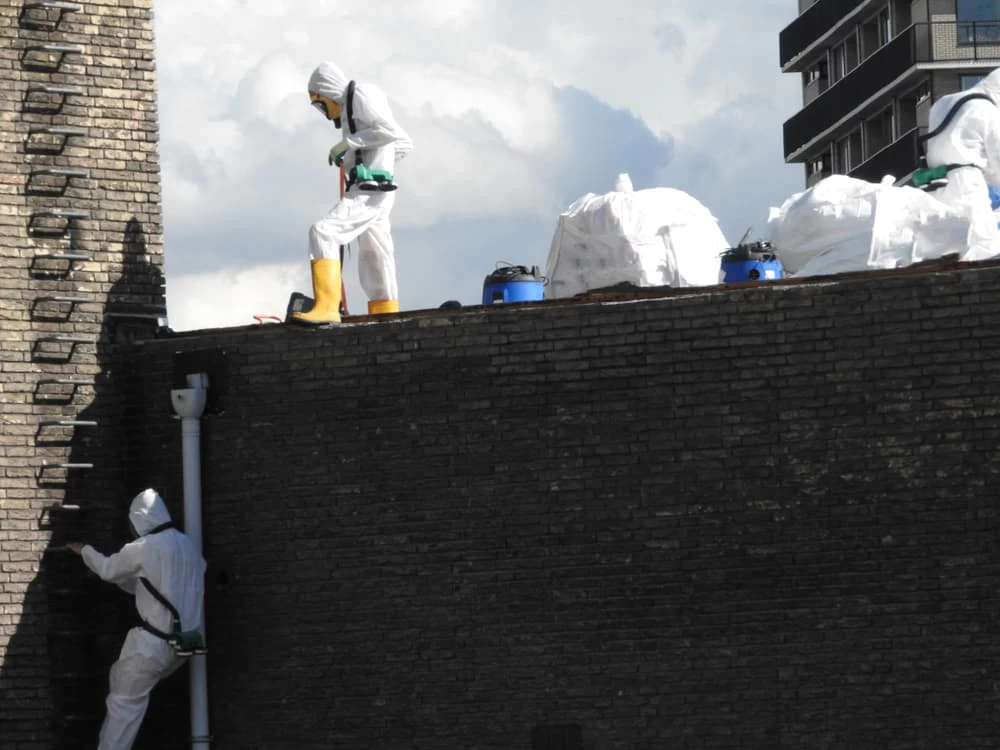
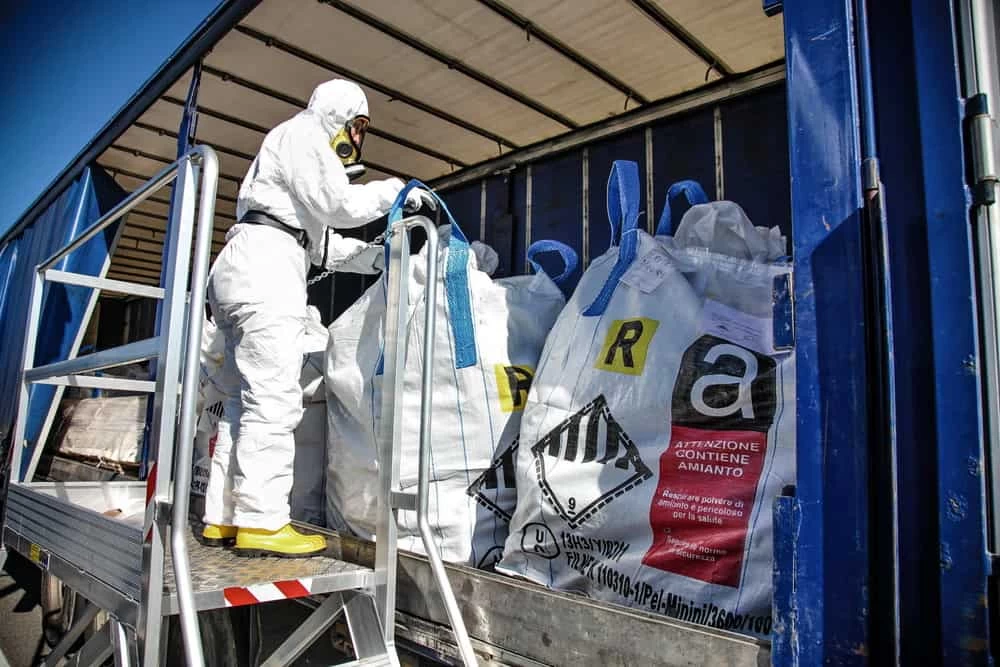
If abatement is required, the work area gets fully contained with negative air pressure and HEPA filtration before anything is touched. Materials are removed wet to suppress fiber release, double-bagged, labeled, and transported to a NYSDEC-approved disposal facility. Because Patchogue is an incorporated village with its own building department separate from the Town of Brookhaven’s jurisdiction over East Patchogue and North Patchogue some projects may require a local building permit in addition to the NYS DOL notification filing. We handle that coordination.
After removal, post-abatement air monitoring confirms the space is safe before containment comes down. You receive the full documentation package: inspection report, lab results, abatement completion report, air clearance results, and disposal manifests. That paperwork matters whether you’re selling, refinancing, or simply picking up where your renovation left off.
What We Actually Remove And Why It Matters in Patchogue
The most common materials we remove in Patchogue homes are asbestos floor tiles particularly the 9″x9″ black and marbled vinyl tiles used throughout Long Island’s post-war construction boom and spray-applied acoustic ceiling texture, better known as popcorn ceilings. Asbestos tile removal requires wet methods and full containment because the adhesive beneath the tiles can also be a source of asbestos fibers. Asbestos popcorn ceiling removal is similarly contained, and the ceiling area is never dry-scraped. Both services include post-removal air clearance before the space is handed back.
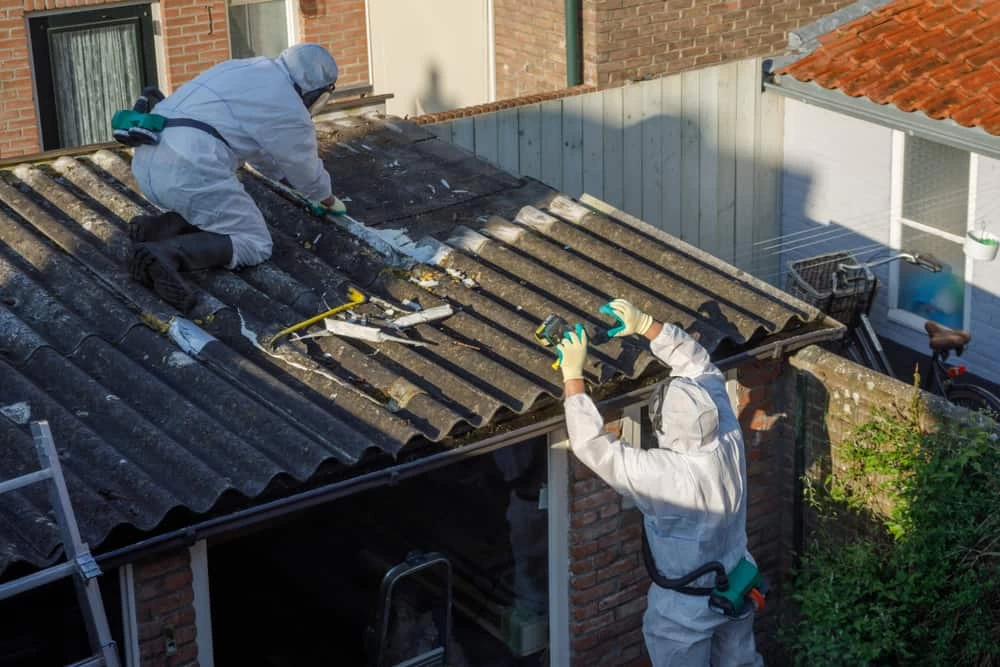
Beyond tile and ceiling work, we also handle pipe insulation, duct wrap, joint compound, and roofing materials all of which appear regularly in Patchogue’s older housing stock. For the commercial properties along Main Street or the mixed-use buildings that are part of the village’s ongoing downtown revitalization, our asbestos abatement services extend to ceiling tiles, mechanical room insulation, and pre-demolition surveys required before any structural work begins.
Every project residential or commercial includes the full NYS DOL compliance documentation required under Industrial Code Rule 56. If you’re a homeowner in the 11772 ZIP code preparing to renovate, sell, or simply address something a contractor flagged, the process starts with a single call. Scope, cost, and timeline are discussed before anything is scheduled.
Does my Patchogue home actually need an asbestos inspection before renovating?
Under New York State Industrial Code Rule 56, any renovation or demolition of a pre-1980 structure requires an asbestos survey by a NYS-certified inspector before work begins regardless of the size or scope of the project. This applies throughout Suffolk County, including the Village of Patchogue. It’s not optional, and it’s not something a general contractor can skip on your behalf.
In practical terms, if your Patchogue home was built before 1980 which describes the majority of homes in the village, given a median construction year of 1966 you need an inspection before tearing out a kitchen, removing a bathroom floor, replacing a ceiling, or touching any pipe insulation. The inspection itself is straightforward: a certified investigator collects samples of suspect materials, sends them to an accredited lab, and provides a written report. If nothing comes back positive, you’re cleared to proceed. If something does, you’ll know exactly what needs to be addressed before your contractor picks up a tool.
How much does asbestos abatement typically cost for a Patchogue homeowner?
Cost depends on the type of material, the quantity, the location within the home, and the complexity of containment required. For a single room of asbestos floor tile removal say, a kitchen with original 9″x9″ vinyl tiles you’re generally looking at $1,500 to $3,500 depending on square footage and accessibility. Popcorn ceiling removal in a similar-sized space typically falls in a comparable range. Projects involving pipe insulation, multiple rooms, or materials in tight crawl spaces will cost more.
What drives cost up in older Patchogue homes specifically is the frequency of layered materials multiple types of asbestos-containing products installed across different renovation periods. A home built in the 1940s and updated in the 1960s might have original pipe wrap, mid-century floor tiles, and later acoustic ceiling texture all in the same structure. A thorough inspection scopes all of it upfront, so there are no surprises once abatement begins. We provide written pricing before any work is scheduled no estimates that shift after the crew arrives.
What types of asbestos-containing materials are most common in Patchogue homes?
The materials that show up most frequently in Patchogue’s residential housing stock are vinyl floor tiles particularly the 9″x9″ black or marbled tiles used in kitchens, bathrooms, basements, and utility rooms throughout Long Island’s post-war construction era and spray-applied acoustic ceiling texture, commonly called popcorn ceilings, which were standard in homes built from the late 1950s through the early 1980s. Both are high-priority materials to test before any renovation that disturbs them.
Beyond those two, pipe insulation in basement boiler rooms is extremely common in the village’s pre-1960 homes, and the adhesive beneath floor tiles even tiles that have already been removed can also contain asbestos. Joint compound on original plaster walls and duct wrap on older HVAC systems round out the most frequently encountered materials. Given Patchogue’s coastal environment and the moisture conditions common in South Shore basements, some of these materials particularly pipe insulation may already be in deteriorating condition, which increases the risk of fiber release during any disturbance.
My contractor found something suspicious in my Patchogue home. What should I do right now?
Stop the work. That’s the first and most important step. If a contractor has flagged a suspect material and stepped back from the job, don’t try to remove it yourself or ask them to keep going. Disturbing asbestos-containing materials without proper containment can spread fibers throughout the home into HVAC systems, into adjacent rooms, into areas that weren’t part of the original project.
The next step is to call a NYS-certified asbestos inspector to collect samples and have them analyzed by an accredited lab. The turnaround on lab results is typically 24 to 48 hours for standard analysis, or faster with rush processing if your timeline is urgent. If results come back positive, abatement needs to happen before the renovation continues. We can coordinate the inspection, abatement, and post-clearance air monitoring so your contractor isn’t waiting on multiple separate vendors. In a market like Patchogue where renovation timelines are tied to competitive real estate deals and rising property values getting this resolved quickly and correctly matters.
Can I sell my Patchogue home if it has asbestos?
Yes, but the situation needs to be handled carefully. Asbestos that is in good condition and not being disturbed is not necessarily a deal-killer but it does need to be disclosed, and it will almost certainly come up during the buyer’s inspection. In Patchogue’s current real estate market, where median sold prices have crossed $541,000 and competition is real, buyers have options. A positive asbestos finding without a clear remediation plan can give a buyer reason to renegotiate or walk away.
The cleaner path especially if you’re renovating before listing is to address any asbestos-containing materials before the home goes on the market. That way, you can provide the buyer’s attorney with a full documentation package: the inspection report, lab results, abatement completion report, and air clearance confirmation. That paperwork removes the uncertainty from the transaction and often makes the negotiation simpler. We work with Patchogue sellers and their agents to complete abatement on timelines that keep listings on track.
Is asbestos abatement in Patchogue regulated differently than in other parts of Long Island?
The core regulatory framework New York State Industrial Code Rule 56 applies uniformly across all of Long Island, including Nassau and Suffolk Counties. What makes Patchogue slightly different from surrounding areas is its status as an incorporated village with its own municipal government and building department. In unincorporated hamlets like East Patchogue or North Patchogue, the Town of Brookhaven’s building department has jurisdiction. Inside the Village of Patchogue, there’s a separate layer of local authority that may require its own building permit when abatement is part of a larger renovation or demolition project.
This distinction matters in practice. A homeowner or contractor who files the required NYS DOL notification but overlooks the village-level permit requirement can face complications at the building department when trying to close out a renovation permit. We’re familiar with this layered regulatory environment and coordinate with the appropriate offices both state and local before work begins. It’s one of the reasons working with a contractor who knows this specific area is more useful than calling a regional franchise that treats all Long Island municipalities the same.