Most homes in Peekskill were built before asbestos was banned and if yours is one of them, a free inspection from a licensed abatement contractor is the only way to know what you’re actually dealing with.
I needed a professional consultation explanation of procedure for safe removal of Asbestos in my apartment complex. Without having an account yet, I was very impressed with the caring, knowledgeable and generous advice offered by Jessica, and will look forward to doing business in the future. Thank you so much! I feel much more informed about a sometimes scary endeavor. Peace. Nancy Silva Mineola, NY.
Mia Munoz
Used this company to clean up some water flood in my house. They were fast and easy to work with.very professional, Would recommend to anyone!
Nini Valle
Great company, had a flood and they responded quickly and efficiently. Billed my insurance company directly. I highly recommend this company!
joe colapietro, jr
I had pipe freeze in my basement right before a snow storm and they made to within an hour to help start the clean up process. They we by our side throughout the entire process and even helped with the insurance company. They did such a great job with the cleanup, repair, remidiation, I contracted them to perform the repairs and finishes in the basement. They came with enough manpower and material to get the job done. Leo and Jessica were nothing but a pleasure to deal with!!
Cristian Arredondo c
I had some water damage in my home and Green Island was able to take care of my issue quickly and effectively. I am very pleased with the work they did. They responded quickly and were very professional.
Michael M
Outstanding service! From the office to the field crew everyone was friendly, helpful and responsive. I highly recommend Green Island Group.
You stop guessing. That’s the most honest way to put it. Whether you found suspicious floor tiles in a 1950s kitchen, disturbed something during a basement renovation, or just bought a home in the Fort Hill neighborhood and want to know what you’re working with the uncertainty is the worst part. Once the material is tested, removed by a licensed crew, and cleared by post-abatement air testing, you have documentation. Real documentation. Not a contractor’s word, but a signed clearance certificate that shows the air was tested and passed.
For Peekskill homeowners specifically, this matters more than it might in a newer suburb. The majority of homes in the 10566 ZIP code were built in the 1940s and 1950s, with more than a third of all housing units constructed before 1940. That’s not a coincidence Peekskill was a major industrial city during the exact decades when asbestos was used as a standard building material in floor tiles, pipe insulation, boiler wrap, and ceiling texture. The building stock here reflects that history.
If you’re a landlord managing rental units in Peekskill and with over half of the city’s housing renter-occupied, there’s a good chance you are that clearance certificate is also your liability protection. A tenant complaint about asbestos in an older building without documented abatement creates a very different situation than one where you have a full paper trail showing the work was done, done correctly, and cleared by independent air testing. That’s the difference proper abatement makes.
Licensed Asbestos Contractor Serving Peekskill, NY
Credentials You Can Look Up Before You Call
We hold the New York State Department of Labor Asbestos Handling License a government-issued credential that’s publicly verifiable on the NYS DOL database. That’s not a marketing claim. You can look it up right now, before you ever pick up the phone. We also hold EPA certification and carry M/WBE certification from the NYS Office of General Services, which means we’ve been formally vetted at the state level and are approved to work on state agency projects.
With more than 5,000 completed abatement projects across the New York metro area including throughout Westchester County and the Hudson Valley we’ve worked in the exact type of pre-war and postwar housing that makes up most of Peekskill’s residential and commercial building stock. From the converted industrial buildings near Annsville to the older rental housing in the city’s downtown core, this isn’t unfamiliar territory.
We do the work in-house. No subcontracting the core abatement to whoever’s available. The same licensed crew that shows up for your inspection is the crew doing the work.
No Surprises Here's Exactly What the Process Looks Like
It starts with a free on-site inspection. A licensed inspector comes to your property, walks the areas of concern, and identifies any materials that may contain asbestos. If samples need to go to a lab for confirmation, that gets handled. You’ll know what you have, where it is, and what removing it actually involves before you commit to anything.
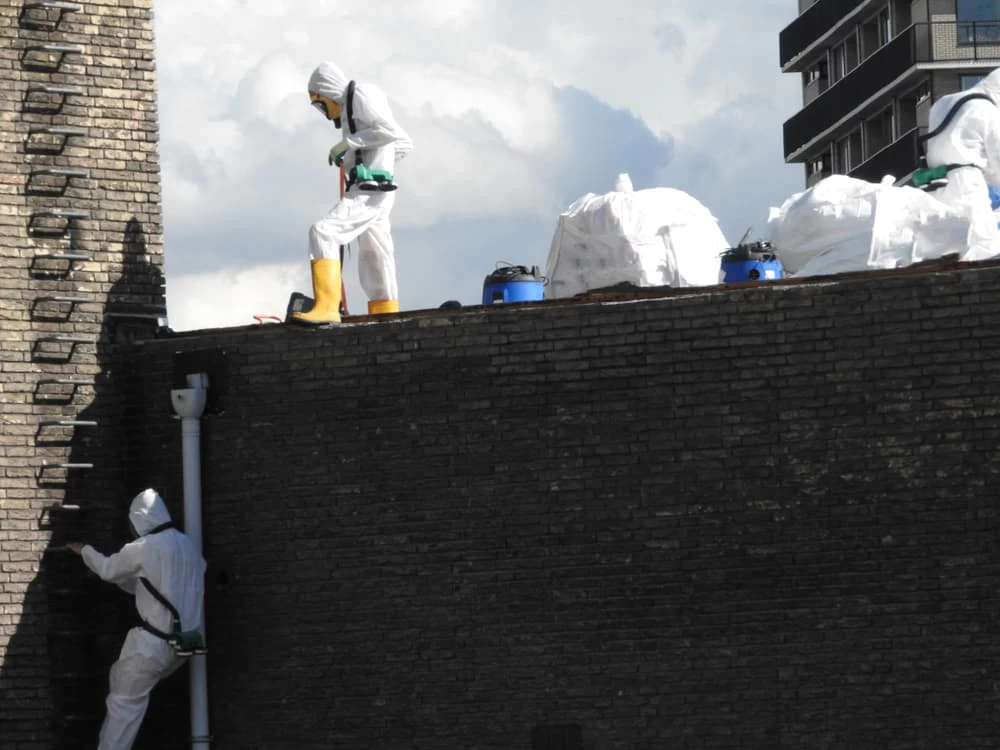
If abatement is needed, we set up proper containment around the work area. In New York State, this isn’t optional or informal it’s governed by NYS Industrial Code Rule 56, which sets specific standards for containment, worker protection, air monitoring during the work, and waste handling. We operate to those standards on every project. Asbestos waste is bagged, labeled, and transported to an approved disposal facility with a complete chain-of-custody manifest the documentation that proves the material left your property legally and was disposed of properly.
Once the work is complete, post-abatement air clearance testing is conducted. This is independent verification that the space is safe fiber counts are measured, compared against the clearance standard, and documented in writing. That clearance certificate is yours to keep. For Peekskill homeowners navigating a renovation, a sale, or an insurance claim after a flood event, it’s the document that closes the loop.
Every Material Type, Every Project Scale Handled Here
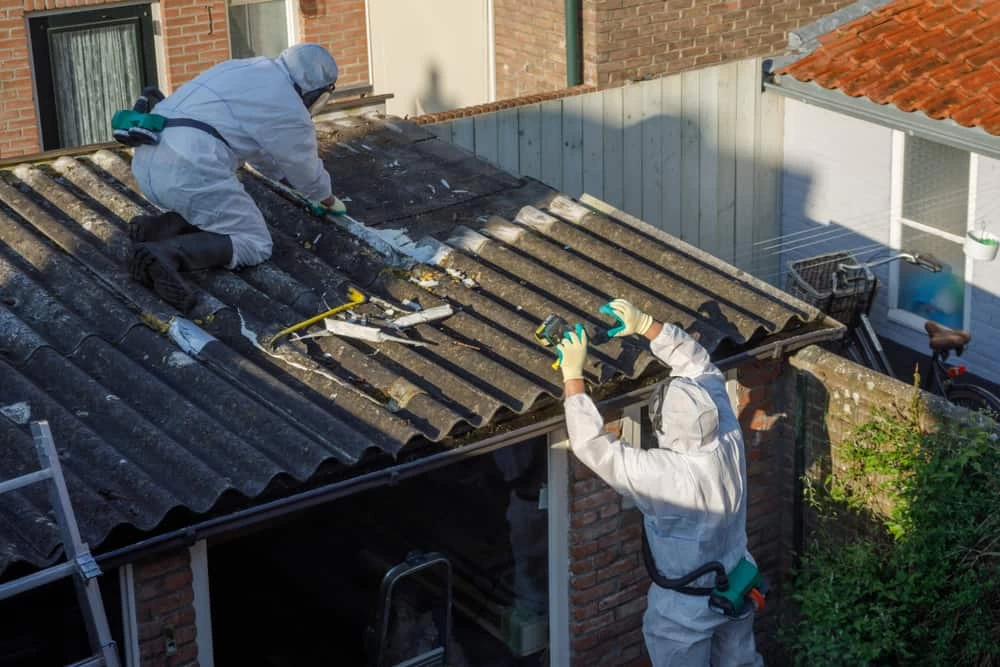
Asbestos shows up differently depending on when and how a building was constructed. In Peekskill’s postwar housing stock the homes built in the 1940s, 1950s, and 1960s that make up the bulk of the city’s residential inventory the most common materials are 9×9 and 12×12 vinyl asbestos floor tiles, acoustic ceiling texture (popcorn ceilings), pipe insulation around cast-iron boilers, and drywall joint compound. We handle asbestos tile removal and asbestos popcorn ceiling removal as standard residential services, along with pipe and boiler insulation, duct wrap, and roofing materials.
For commercial and industrial properties and Peekskill has no shortage of those, given the city’s history as a manufacturing hub with former foundries, warehouses, and factory buildings now being converted or renovated the material inventory is often more complex. Pipe insulation, structural fireproofing, and duct wrap in industrial-era buildings can involve larger quantities and more involved containment than a typical residential project. We handle that too, with the same licensed crew and the same documentation standards.
If a flood or water damage event at your property has disturbed asbestos-containing materials a real scenario in a city actively investing in flood mitigation infrastructure along its Hudson River waterfront we work directly with insurance carriers and handle billing on your behalf. You don’t have to be the go-between.
Does my older Peekskill home actually contain asbestos, or is that just a concern?
If your home was built before 1980, there’s a realistic chance some materials in it contain asbestos and in Peekskill, that covers the vast majority of the housing stock. The 10566 ZIP code has more than a third of its housing units built before 1940, with most of the rest concentrated in the 1940s and 1950s. During those decades, asbestos was used in floor tiles, ceiling texture, pipe insulation, boiler wrap, joint compound, and roofing materials as a matter of standard construction practice not as a rare exception.
The only way to know for certain is to have the suspect materials sampled and tested by a licensed inspector. Visual identification alone isn’t reliable asbestos-containing materials often look identical to non-asbestos versions. A free inspection gives you a real answer without any upfront cost, and it’s the only starting point that makes sense before any renovation or demolition work begins.
How much does asbestos removal typically cost in Westchester County?
Cost varies depending on what materials are present, how much of it there is, where it’s located in the building, and how complex the containment setup needs to be. A single-room floor tile removal in a Peekskill home is a very different project from a full pipe insulation removal in a multi-unit rental building or a commercial property in the downtown core. That said, most residential asbestos abatement projects in the Westchester County area fall somewhere between a few hundred dollars for a small, contained scope and several thousand for larger or more complex work.
What drives cost up is usually scope and access not the contractor’s markup. Materials in tight mechanical rooms, multiple material types across different areas of a home, or projects that need to be phased around an occupied rental unit all add time and complexity. The most useful thing you can do before worrying about price is get an inspection so the scope is actually defined.
Do I need a permit for asbestos abatement in Peekskill, and who handles that?
In New York State, asbestos abatement projects are regulated under NYS Industrial Code Rule 56, and certain projects particularly those involving demolition or renovation of commercial or public buildings require notification to the NYS Department of Labor before work begins. Under federal EPA NESHAP regulations, pre-demolition asbestos surveys and notifications are also required for structures above a certain size threshold. These aren’t optional steps, and the paperwork burden falls on the contractor, not the homeowner.
We handle all required notifications, documentation, and regulatory filings as part of the project. You don’t have to figure out which forms go where or which agency needs to be notified that’s managed on your behalf. For residential projects in Peekskill that don’t involve demolition, the requirements are less involved, but the work still has to meet NYS DOL standards for containment, air monitoring, and waste disposal. That’s non-negotiable regardless of project size.
A flood damaged part of my Peekskill home could it have disturbed asbestos materials?
Yes, and this is a more common situation in Peekskill than most people realize. The city sits on a Hudson River bay with Annsville Creek running through it, and the flood risk here is documented enough that the city is actively investing in a $26 million flood mitigation infrastructure project. When water gets into a pre-1980 home whether through a flooded basement, a backed-up sewer line, or storm-driven water intrusion it frequently contacts the exact materials most likely to contain asbestos: vinyl floor tiles in basements and kitchens, pipe insulation in mechanical rooms, and ceiling materials on lower floors.
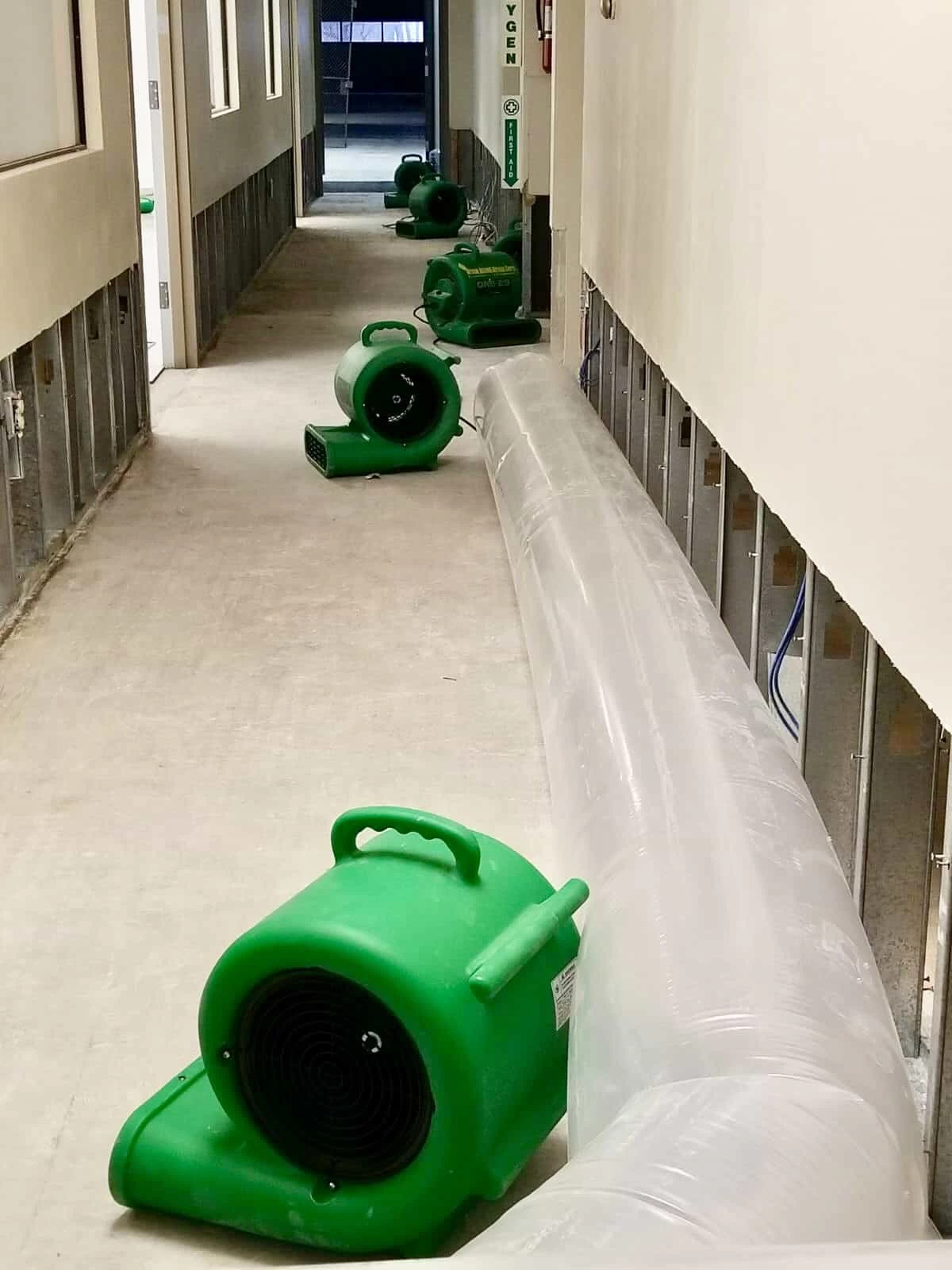
Disturbed asbestos-containing materials especially if they’ve been soaked, cracked, or broken can release fibers into the air. That’s when the risk goes from manageable to immediate. If you’ve had water damage in an older Peekskill home and you’re not sure what the flooring or insulation is made of, don’t start tearing things out. Get an inspection first. If abatement is required and it’s tied to a covered water damage event, we work directly with insurance carriers and can handle the billing coordination so you’re not managing that on top of everything else.
Can I remove asbestos floor tiles or popcorn ceiling myself in New York State?
Technically, New York State law does allow homeowners to remove certain asbestos-containing materials in their own single-family residence without hiring a licensed contractor but the practical and legal reality is more complicated than that one sentence suggests. The exemption applies only to owner-occupied single-family homes, only under specific conditions, and it does not exempt you from proper disposal requirements. Asbestos waste must still be disposed of at an approved facility with the correct labeling and documentation you can’t put it in a regular dumpster or leave it at the curb.
More practically, the risk of improper removal is real. Asbestos floor tiles and popcorn ceiling texture can release fibers if they’re broken, sanded, or disturbed without proper wet methods and containment. Without air monitoring during and after the work, you have no way to know whether the removal was clean. For Peekskill homeowners, the cost of a licensed asbestos tile removal or asbestos popcorn ceiling removal especially with a free inspection to scope it first is usually far more manageable than people expect, and it comes with the clearance documentation that a DIY removal never can.
How do I verify that an asbestos contractor is actually licensed to work in Peekskill?
New York State makes this straightforward. The NYS Department of Labor maintains a public database of licensed asbestos contractors that anyone can search online you just need the contractor’s name or license number. A legitimate asbestos contractor in Peekskill or anywhere else in Westchester County should be able to give you their NYS DOL Asbestos Handling License number without hesitation, and you should be able to confirm it’s active before any work begins.
This matters because unlicensed asbestos work is a real problem in the industry. An unlicensed contractor who performs abatement incorrectly doesn’t just create a health risk they create a legal and financial one. If the work isn’t documented properly, if the waste wasn’t disposed of through an approved facility, or if there’s no post-abatement air clearance on file, that becomes your problem when you go to sell the property or file an insurance claim. Our NYS DOL license is active and verifiable. So is our EPA certification. Look us up that’s exactly the kind of due diligence a contractor with nothing to hide expects you to do.