Most homes in Pelham were built before 1940 and that means asbestos is less of a maybe and more of a when. We provide licensed asbestos removal with the documentation your contractor, realtor, or building department actually needs.
I needed a professional consultation explanation of procedure for safe removal of Asbestos in my apartment complex. Without having an account yet, I was very impressed with the caring, knowledgeable and generous advice offered by Jessica, and will look forward to doing business in the future. Thank you so much! I feel much more informed about a sometimes scary endeavor. Peace. Nancy Silva Mineola, NY.
Mia Munoz
Used this company to clean up some water flood in my house. They were fast and easy to work with.very professional, Would recommend to anyone!
Nini Valle
Great company, had a flood and they responded quickly and efficiently. Billed my insurance company directly. I highly recommend this company!
joe colapietro, jr
I had pipe freeze in my basement right before a snow storm and they made to within an hour to help start the clean up process. They we by our side throughout the entire process and even helped with the insurance company. They did such a great job with the cleanup, repair, remidiation, I contracted them to perform the repairs and finishes in the basement. They came with enough manpower and material to get the job done. Leo and Jessica were nothing but a pleasure to deal with!!
Cristian Arredondo c
I had some water damage in my home and Green Island was able to take care of my issue quickly and effectively. I am very pleased with the work they did. They responded quickly and were very professional.
Michael M
Outstanding service! From the office to the field crew everyone was friendly, helpful and responsive. I highly recommend Green Island Group.
When you’re renovating a pre-war Tudor in Pelham Manor or finishing a basement in Chester Park, the last thing you want is your contractor stopping mid-project to tell you there’s a problem. That stop-work moment costs time, money, and momentum and it’s almost always avoidable. Knowing what you’re dealing with before the first wall comes down puts you back in control of your own timeline.
Pelham’s housing stock is older than almost anywhere else in Westchester County. The town dates back to 1654, and nearly 60% of its homes were built before 1940. That era of construction is exactly when asbestos was used in floor tiles, pipe insulation, boiler wrap, ceiling texture, and drywall compound often in the same house. If your home in Pelham was built during that window, there’s a real chance it contains more than one type of asbestos-containing material, and a renovation that disturbs any one of them without proper abatement is a legal and health risk.
There’s also the flooding angle. The Hutchinson River watershed runs through Pelham, and the village has been actively working on drainage infrastructure because flooding here is a documented, recurring problem. When water gets into a pre-war basement in Pelham, it doesn’t just damage floors it can make stable asbestos-containing materials friable and airborne. If you’ve had water intrusion in an older Pelham home, asbestos testing isn’t optional. It’s the responsible next step.
We hold the NYS Department of Labor asbestos handling license the legal requirement for any contractor performing abatement in New York State, including every property in Westchester County and throughout Pelham. That license is public record. You can verify it. Beyond that, we carry EPA certification, NYC DEP contractor certification, NYS DEC disposal compliance, and M/WBE certification from the NYS Office of General Services. That last one isn’t a membership badge it’s a formal state designation that required documentation and government review.
With more than 5,000 completed projects across the New York metro area, we’ve worked in homes just like yours pre-war Colonials, 1920s Tudors, postwar Cape Cods throughout southern Westchester and beyond. We know what Pelham homes contain, where asbestos-containing materials tend to hide, and what the Village of Pelham Building Department requires before a renovation permit moves forward. That kind of specific, local familiarity isn’t something you get from a national franchise or a contractor who added Pelham to a zip code list.
It starts with a free on-site inspection. One of our licensed inspectors walks your Pelham property, identifies any suspected asbestos-containing materials, and collects samples for laboratory analysis. For most Pelham homes particularly pre-1940 construction in the Village or Pelham Manor that inspection covers floor tiles, pipe and boiler insulation, ceiling texture, and any drywall compound from mid-century updates. You get a clear picture of what you have before anything else happens.
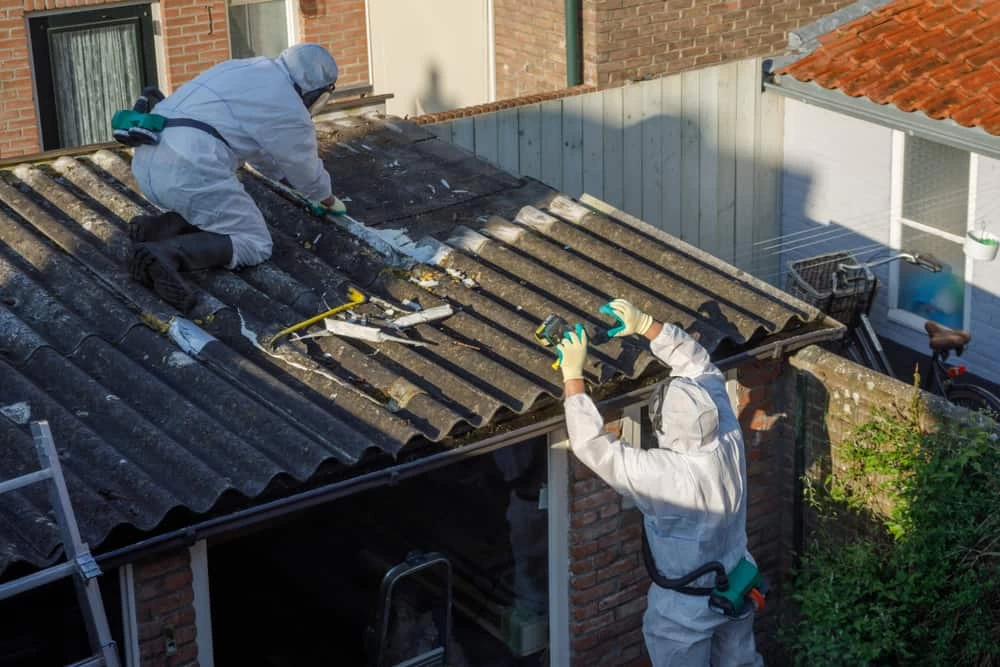
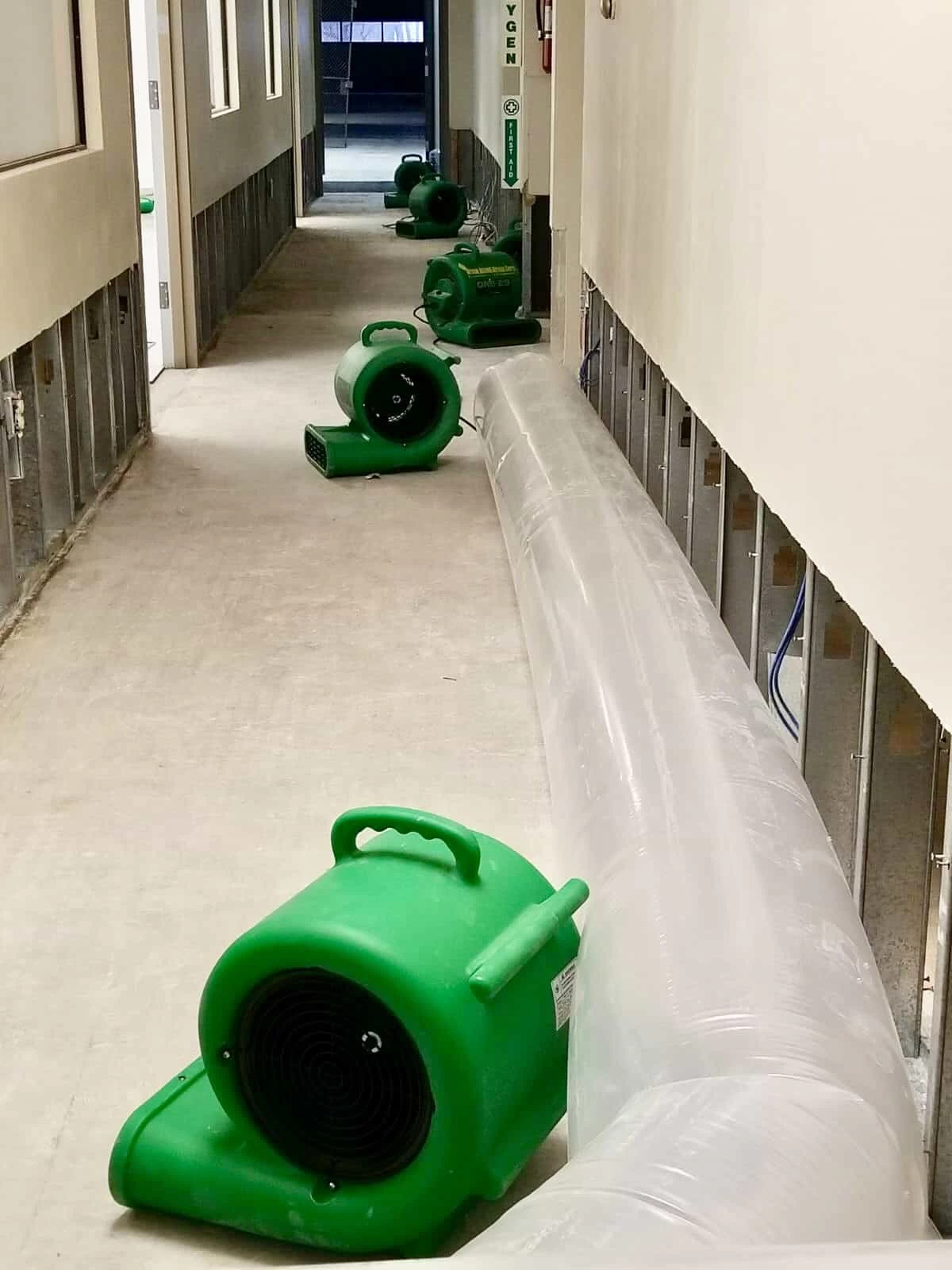
If abatement is needed, we seal off the work area with physical containment barriers and place it under negative air pressure using HEPA-filtered machines. That negative pressure means air flows into the containment zone, not out of it so fibers can’t migrate to the rest of your home while work is underway. We remove materials wet to suppress fiber release, collect them in sealed disposal bags, and transport them to a licensed disposal facility with a full chain-of-custody manifest.
Once removal is complete, we conduct post-abatement air clearance testing. That clearance report is the formal documentation your renovation contractor needs to resume work, your realtor needs for disclosure, and the Village of Pelham Building Department may require before closing out a permit. You don’t have to ask for it it’s a standard part of every project. If your abatement is tied to a water damage insurance claim, we handle billing directly with your carrier so you’re not stuck in the middle managing paperwork during an already stressful situation.
Every Material Type Found in Pelham Homes, Covered
Pelham’s pre-war housing stock doesn’t contain just one type of asbestos it often contains several. A 1920s Tudor in Pelham Manor might have asbestos pipe insulation in the basement, 9×9 vinyl asbestos tile in the kitchen, and asbestos-containing drywall compound in rooms that were updated decades later. We’re licensed and equipped to handle all of it under a single project scope, with one chain of custody for disposal documentation. You don’t need to coordinate multiple contractors for different material types.
The most common materials we remove in Pelham properties include vinyl asbestos floor tile, asbestos popcorn ceiling texture, pipe and boiler insulation, duct wrap, and drywall joint compound. Asbestos tile removal and asbestos popcorn ceiling removal are among the most frequent requests from homeowners in Pelham planning kitchen and bathroom renovations both are materials that were standard in Pelham homes built through the 1960s. Each of these requires a specific removal approach and proper disposal documentation under NYS Industrial Code Rule 56, which applies to any pre-1987 building undergoing renovation.
For Pelham homeowners preparing to sell, that documentation matters beyond the permit process. In a market where the median home value sits near $900,000, an undisclosed asbestos issue gives buyers significant negotiating leverage. Proactive abatement before listing backed by our clearance report removes that leverage entirely and protects your asking price. Whether you’re renovating, selling, or just doing your due diligence on a home you recently purchased in Pelham, the process starts the same way: a free inspection that tells you exactly what you’re dealing with.
Does my pre-war home in Pelham actually need asbestos testing before renovating?
If your home was built before 1980 which describes the vast majority of properties in Pelham then yes, asbestos testing before any renovation that disturbs building materials is both legally required and practically important. Under NYS Industrial Code Rule 56, pre-1987 buildings must have an asbestos survey completed before renovation work that could disturb suspect materials. The Village of Pelham Building Department issues permits for structural alterations, HVAC replacements, and major interior renovations, and that permit process can require asbestos clearance documentation before work proceeds.
Beyond the legal requirement, the practical reality is that Pelham’s pre-1940 homes were built during the peak era of asbestos use. Floor tiles, pipe insulation, ceiling texture, and drywall compound from that period routinely contain asbestos. Testing before your renovation starts means your contractor doesn’t stop mid-project when they encounter something unexpected and that alone is worth the cost of the inspection, which we provide at no charge.
How long does asbestos abatement typically take for a Pelham home?
Timeline depends on the scope specifically, how many materials are involved and where they’re located. A single-room floor tile removal in a Pelham Cape Cod might be completed in one to two days. A more comprehensive project in a pre-1920 Tudor that involves pipe insulation, boiler wrap, and multiple rooms of floor tile could take four to five days or more. The inspection phase, which includes lab analysis of samples, typically adds two to three business days before abatement work begins.
What extends timelines most often is discovering additional materials during the project that weren’t visible during the initial inspection something that happens more frequently in Pelham’s oldest homes, where layers of renovation over a century can obscure what’s underneath. We build that possibility into the project conversation upfront so you’re not caught off guard. Post-abatement air clearance testing adds another day before your renovation contractor can re-enter the space, and we coordinate that testing as part of the standard project close-out.
What happens if flooding in my Pelham basement disturbed asbestos-containing materials?
This is a real scenario for Pelham homeowners, and it’s more common than most people expect. The Hutchinson River watershed drainage issues that have prompted the village’s infrastructure studies mean that basement flooding whether from storm events or pipe failures is a recurring problem in parts of Pelham, particularly in the North Pelham watershed area. When water enters a pre-war basement and contacts asbestos-containing floor tiles or pipe insulation, it can make those materials friable, meaning fibers can be released into the air when the materials dry out or are disturbed during cleanup.
If you’ve had water intrusion in a Pelham home built before 1980, the safe approach is to have asbestos testing done before any cleanup or restoration work begins. Disturbing water-damaged asbestos-containing materials without containment can spread fibers through the HVAC system and into living areas. We handle both the asbestos abatement component and coordinate with water damage restoration, and can work directly with your homeowner’s insurance carrier on billing so you’re not managing two separate contractors and two separate claims simultaneously.
Do I need to leave my home during asbestos removal in Pelham, NY?
It depends on where the work is happening and how extensive it is. For a contained, single-area project like asbestos tile removal in a basement or a closed-off utility room many homeowners remain in the home during abatement as long as the work area is fully sealed and under negative air pressure, which is our standard protocol on every project. The containment barrier and negative air pressure system prevent fibers from migrating to the rest of the living space.
For larger projects involving multiple rooms, HVAC-adjacent materials, or ceiling texture removal in occupied living areas, temporary relocation during the active abatement phase is the safer and more practical choice. We’ll walk you through this decision during the inspection phase not as a blanket recommendation, but based on the specific scope of work in your home. If you have children or anyone with respiratory sensitivities in the household, that factors into the recommendation as well. The goal is always to give you a clear, honest picture of what the work involves so you can plan accordingly.
How much does asbestos abatement cost for a home in Pelham, NY?
Cost varies based on the type of material, the quantity, and the accessibility of the work area. As a general range, asbestos tile removal for a single room typically runs between $1,500 and $3,000. Pipe insulation removal in a basement can range from $2,000 to $5,000 or more depending on linear footage. Popcorn ceiling removal with asbestos content is usually priced per square foot, often in the range of $3 to $7 per square foot for the abatement work itself. Larger or more complex projects in Pelham’s older homes particularly those involving multiple material types across several areas can run higher.
What’s worth factoring into that number is what it prevents. In Pelham’s real estate market, where homes routinely sell near or above $900,000, an undisclosed asbestos issue discovered during a buyer’s inspection gives the other side significant negotiating leverage often far more than the cost of abatement. For homeowners mid-renovation, the cost of a contractor stop-work delay while emergency abatement is arranged almost always exceeds the cost of proactive testing and removal. We provide free on-site inspections so you know what you’re looking at before committing to anything.
Is asbestos common in Pelham homes, and which materials should I be most concerned about?
Yes and the numbers back that up. Nearly 60% of homes in Pelham were built before 1940, which puts the majority of the town’s housing stock squarely in the era when asbestos was a standard building material. The most commonly found asbestos-containing materials in Pelham homes are 9×9 vinyl floor tiles especially in kitchens, basements, and utility rooms pipe and boiler insulation in older heating systems, acoustic ceiling texture applied through the 1970s, and drywall joint compound used in mid-century renovations.
Tudor-style homes, which are prevalent throughout Pelham and Pelham Manor, are particularly likely to have asbestos pipe insulation and boiler wrap given their age and original heating systems. Homes that have gone through multiple rounds of renovation over the decades can have asbestos in layers original materials underneath updated finishes which is why a thorough inspection matters more than a visual walkthrough. If your home was built before 1980 and hasn’t had a formal asbestos survey, the honest answer is that you don’t know what you have. A free inspection from us gives you that answer without any obligation to proceed further.