Old Homes, Real Risk Pine Plains Deserves a Real Answer
Most homes in Pine Plains were built long before anyone stopped using asbestos. If you’re renovating, buying, or just finally dealing with that old boiler room, we provide licensed asbestos abatement that gets it done right documented, cleared, and done.
I needed a professional consultation explanation of procedure for safe removal of Asbestos in my apartment complex. Without having an account yet, I was very impressed with the caring, knowledgeable and generous advice offered by Jessica, and will look forward to doing business in the future. Thank you so much! I feel much more informed about a sometimes scary endeavor. Peace. Nancy Silva Mineola, NY.
Mia Munoz
Used this company to clean up some water flood in my house. They were fast and easy to work with.very professional, Would recommend to anyone!
Nini Valle
Great company, had a flood and they responded quickly and efficiently. Billed my insurance company directly. I highly recommend this company!
joe colapietro, jr
I had pipe freeze in my basement right before a snow storm and they made to within an hour to help start the clean up process. They we by our side throughout the entire process and even helped with the insurance company. They did such a great job with the cleanup, repair, remidiation, I contracted them to perform the repairs and finishes in the basement. They came with enough manpower and material to get the job done. Leo and Jessica were nothing but a pleasure to deal with!!
Cristian Arredondo c
I had some water damage in my home and Green Island was able to take care of my issue quickly and effectively. I am very pleased with the work they did. They responded quickly and were very professional.
Michael M
Outstanding service! From the office to the field crew everyone was friendly, helpful and responsive. I highly recommend Green Island Group.
You stop guessing. That’s the first thing. When you’re living in a pre-1980 farmhouse off Route 82 or a mid-century home near the hamlet, you’ve probably wondered more than once whether the floor tiles, the pipe wrap, or that popcorn ceiling are a problem. Proper asbestos abatement gives you a clear answer and a clearance test result you can hold in your hand.
For Pine Plains homeowners in the middle of a renovation, the stakes are practical. Work stops the moment suspect material is disturbed. The longer it sits unaddressed, the more your project timeline and budget stretch. Getting a licensed crew in fast with a documented process and post-abatement air clearance testing means your renovation gets back on track without cutting corners that could come back to haunt you during a future sale.
And if you’re selling? Buyers in today’s Hudson Valley market are thorough. Their inspectors flag potential asbestos-containing materials in older properties routinely. Having proper abatement paperwork from a licensed contractor isn’t just peace of mind it’s a deal-protecting document that keeps your closing on schedule.
Licensed Asbestos Contractor Serving Pine Plains, NY
12 Years In. 5,000 Projects Done. No Shortcuts.
We’ve been handling asbestos abatement, mold remediation, and environmental restoration across New York State for over 12 years with more than 5,000 completed projects behind us. We’re not a general contractor who handles asbestos on the side. This is what we do, full-time, with the licensing and track record to back it up.
We hold the required NYS Department of Labor asbestos contractor credentials and carry Minority and Woman-Owned Business Enterprise (MWBE) certification an approval level that means we’ve been vetted by the State of New York itself. That’s not a marketing badge. It’s a standard most local competitors never reach.
Dutchess County’s older housing stock from the historic hamlet core of Pine Plains to the farmhouses and equestrian properties spread across the Shekomeko Valley is exactly the kind of work we know. If you’ve got a pre-1980 home anywhere in the 12567 ZIP code, we’ve likely worked in a property just like yours.
No Mystery Here's Exactly What Happens on Your Property
It starts with a free assessment. Someone comes out, looks at the materials in question whether that’s floor tile in a basement, pipe insulation around an old boiler, or a popcorn ceiling in a bedroom and gives you a straight answer about what you’re dealing with and what it will cost to address it. No obligation, no pressure.
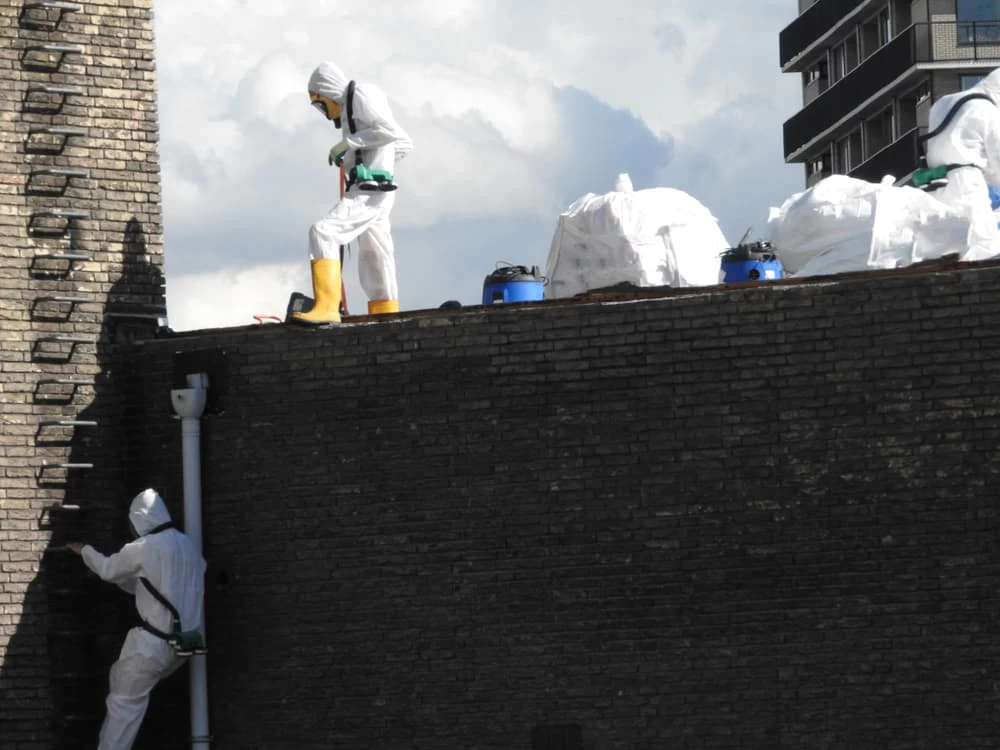
If testing confirms asbestos-containing materials, the abatement work is planned and permitted according to NYS Department of Labor Industrial Code Rule 56. In Pine Plains, that means proper notification, licensed handlers on site, full containment of the work area, and regulated disposal through approved New York State facilities. The process is not something you can shortcut and with us, you won’t need to. Every step follows the regulatory framework that protects you, your family, and your property’s legal standing.
Once the removal is complete, post-abatement air clearance testing is conducted before anyone re-enters the space. You get the results in writing. That documentation matters whether you’re staying in the home, finishing a renovation, or preparing for a sale. For properties in northern Dutchess County where freeze-thaw winters can crack older pipe insulation and basement flooding can disturb floor tile adhesive, timing the work right and sealing it with proper clearance testing is the only way to know the job is truly finished.
Asbestos Tile and Popcorn Ceiling Removal, Pine Plains
Every Material Type, Every Corner of Your Pine Plains Property
The asbestos-containing materials most commonly found in Pine Plains homes aren’t always obvious. The 9×9 vinyl floor tiles in mid-century basements and kitchens the ones with the slightly waxy look are one of the most frequent discoveries. Popcorn ceilings applied before the mid-1980s often contain chrysotile asbestos. Pipe insulation and boiler wrap in older heating systems, roofing shingles, exterior siding, and even the adhesive (mastic) beneath old flooring can all test positive. We handle all of it asbestos tile removal, popcorn ceiling removal, pipe and boiler insulation abatement, and full residential and commercial remediation.
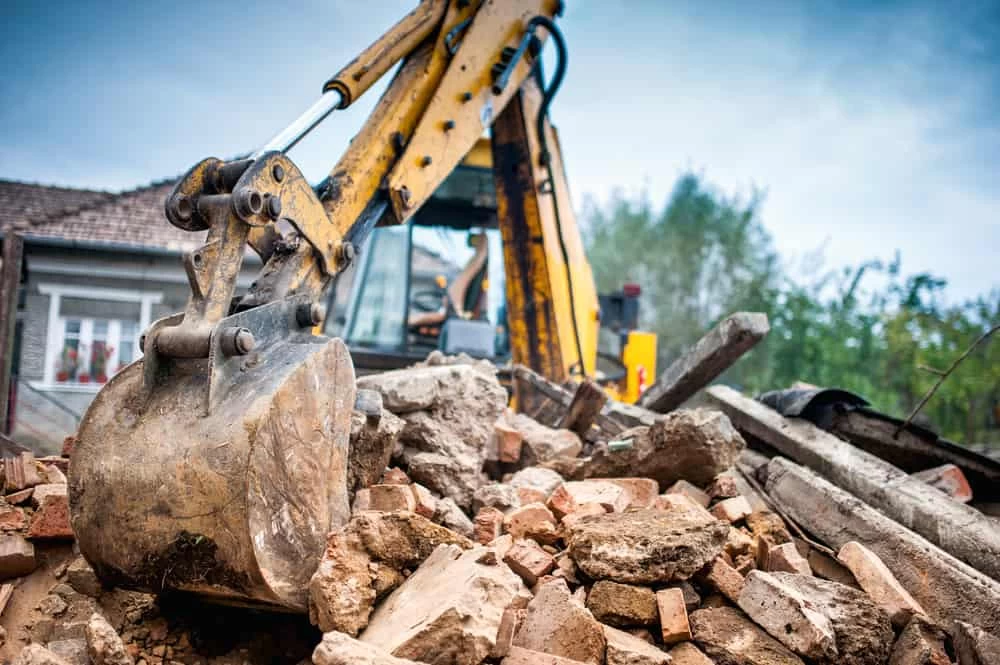
For Pine Plains specifically, agricultural and equestrian properties add a layer that most abatement companies don’t think about. Barns and outbuildings constructed in the 1940s through 1970s frequently used corrugated asbestos-cement panels for roofing and siding. If you’re converting a barn, demolishing an outbuilding, or renovating a farm structure anywhere in the 12567 area, a pre-demolition asbestos survey isn’t optional under EPA NESHAP regulations it’s required.
We also handle asbestos abatement as part of broader remediation when water damage or storm damage is involved. If a flooded basement has disturbed pipe insulation, or ice damage has cracked older roofing materials, we can address the asbestos and the underlying damage without you needing to coordinate separate contractors. One team, one scope, one process from start to clearance.
Does my Pine Plains home actually have asbestos if it was built before 1980?
There’s no way to know for certain without testing but the odds are meaningful. Asbestos was used in dozens of building materials from the 1940s through the late 1970s, and Pine Plains has a high concentration of housing stock from exactly that era. Floor tiles, pipe insulation, boiler wrap, roofing shingles, exterior siding, plaster, and popcorn ceilings were all common applications. The material isn’t always dangerous just by existing asbestos that’s intact and undisturbed is generally stable. The risk comes when it’s disturbed: during a renovation, after water damage, or when freeze-thaw cycling causes older pipe insulation to crack.
If you’re planning any work on a pre-1980 home in Pine Plains even something as routine as pulling up old flooring or replacing a boiler testing before you start is the responsible move. It’s not a major undertaking, and knowing what you’re dealing with before work begins is far less disruptive than stopping a renovation mid-project because something unexpected turned up.
How much does asbestos removal typically cost for a home in New York?
Most residential asbestos removal projects in New York fall somewhere between $1,296 and $3,050, with the statewide average around $2,170. The actual number for your property depends on how much material needs to be removed, where it’s located, how accessible the space is, and how many different material types are involved. A single room of floor tile is a different scope than a full basement with pipe insulation and a boiler wrap.
Costs in the Hudson Valley have also increased in recent years driven by updated NYS DOL contractor licensing requirements, higher disposal fees at the limited number of permitted facilities serving this region, and the requirement for post-abatement air clearance testing on residential projects. Our free assessment gives you a real number for your specific property before you commit to anything. There’s no obligation, and knowing the actual cost upfront is far better than discovering it mid-project.
Can I remove asbestos floor tiles or a popcorn ceiling myself in New York State?
Technically, New York State law allows homeowners to remove certain asbestos-containing materials in their own single-family residence under limited conditions but the practical risks make DIY removal a genuinely bad idea. Disturbing asbestos without proper containment, protective equipment, and regulated disposal procedures can release fibers into the air throughout your home. Once airborne, those fibers don’t settle quickly, and there’s no reliable way to clean them up without professional equipment.
Beyond the health risk, improper removal creates a legal and financial problem. If asbestos debris is found during a future inspection or if a buyer’s inspector finds evidence of disturbed material without clearance documentation it can derail a sale or trigger liability. In New York State, anyone who handles asbestos in a commercial or multi-family property must hold a NYS DOL Asbestos Handler license, which requires a 32-hour training course just to qualify. The regulatory framework exists for a reason. Licensed removal with proper documentation is the only version that fully protects you.
What happens if asbestos is found during a home inspection in Pine Plains?
It depends on the condition of the material and what the buyer’s contract requires. If the asbestos-containing material is intact and not in an area that will be disturbed, some buyers and sellers negotiate around it either through price adjustment or an agreement to remediate before closing. But if the material is damaged, friable, or in an area that poses active risk, most buyers will require remediation as a condition of the transaction.
The more pressing issue is timing. Real estate transactions in Pine Plains move on a schedule, and adding an unplanned abatement project to the mix creates pressure. Our 24/7 availability and documented fast response times exist precisely for situations like this. If a home inspection has flagged a potential issue and your closing is on the calendar, the sooner you get a licensed contractor on site for an assessment, the more options you have. Waiting to see if the buyer lets it go is rarely the right move.
Do old barns and farm buildings in Pine Plains need asbestos surveys before demolition?
Yes and this is one of the most overlooked asbestos issues in northern Dutchess County. Under EPA NESHAP regulations, any structure above a certain size threshold requires a pre-demolition asbestos survey before demolition work begins. Agricultural buildings constructed between the 1940s and 1970s frequently used corrugated asbestos-cement panels for roofing and siding a material that was common in farm construction because it was durable, fire-resistant, and inexpensive at the time.
Pine Plains has a significant inventory of working farms, equestrian estates, and agricultural outbuildings, many of which are being converted, renovated, or demolished as properties change hands. If you’re planning to tear down a barn, repurpose an outbuilding, or clear structures as part of a larger land development including the kind of conservation subdivision projects currently under review in the area a pre-demolition asbestos survey isn’t optional. It’s a federal regulatory requirement, and skipping it creates liability that falls on the property owner.
Is it safe to stay in my home during asbestos abatement in Pine Plains, NY?
In most cases, no at least not in the areas being worked on. During active asbestos abatement, the work area is fully contained with negative air pressure and sealed off from the rest of the home. Depending on the scope and location of the work, you may be able to remain in unaffected parts of the house, or you may need to stay elsewhere for the duration of the project. We’ll walk you through what’s realistic for your specific situation during the assessment, so you’re not caught off guard.
What matters most is what happens after the work is done. Before you or your family re-enters the abated space, post-abatement air clearance testing is conducted to confirm that airborne fiber levels are below the safe threshold. You receive that result in writing. For families with children attending Pine Plains Central School District, elderly residents, or anyone with respiratory concerns, that documentation isn’t a formality it’s the actual proof that the space is safe. No clearance result, no re-entry. That’s the standard we hold to on every job.