Plattekill's Older Homes Deserve More Than a Guess
If you’re renovating a farmhouse off Route 44, dealing with a pre-sale inspection, or you just found something suspicious under old floor tiles asbestos abatement in Plattekill, NY starts with a licensed contractor who actually knows what they’re looking at. We’ve worked through dozens of projects in the Plattekill area, and we know what the building stock looks like here.
I needed a professional consultation explanation of procedure for safe removal of Asbestos in my apartment complex. Without having an account yet, I was very impressed with the caring, knowledgeable and generous advice offered by Jessica, and will look forward to doing business in the future. Thank you so much! I feel much more informed about a sometimes scary endeavor. Peace. Nancy Silva Mineola, NY.
Mia Munoz
Used this company to clean up some water flood in my house. They were fast and easy to work with.very professional, Would recommend to anyone!
Nini Valle
Great company, had a flood and they responded quickly and efficiently. Billed my insurance company directly. I highly recommend this company!
joe colapietro, jr
I had pipe freeze in my basement right before a snow storm and they made to within an hour to help start the clean up process. They we by our side throughout the entire process and even helped with the insurance company. They did such a great job with the cleanup, repair, remidiation, I contracted them to perform the repairs and finishes in the basement. They came with enough manpower and material to get the job done. Leo and Jessica were nothing but a pleasure to deal with!!
Cristian Arredondo c
I had some water damage in my home and Green Island was able to take care of my issue quickly and effectively. I am very pleased with the work they did. They responded quickly and were very professional.
Michael M
Outstanding service! From the office to the field crew everyone was friendly, helpful and responsive. I highly recommend Green Island Group.
Your renovation doesn’t have to stay on hold. Once licensed abatement is complete, your contractor can get back in, your timeline can move forward, and the part of the project that had everything stalled is finally behind you. That matters a lot when you’re trying to get a project wrapped up before a Hudson Valley winter sets in.
For homeowners in Plattekill’s hamlets Clintondale, Modena, New Hurley, Ardonia the building stock runs old. Railroad-era construction, mid-century farmhouses, homes that were built or renovated when asbestos was standard in floor tiles, pipe insulation, and ceiling texture. When you’re dealing with that kind of history in your walls, you need written proof that the hazard is gone not just someone’s word. Post-abatement air clearance testing gives you exactly that: a documented result you can show your contractor, your buyer, or your insurance company.
There’s also the legal side. Under New York State Industrial Code Rule 56, any asbestos disturbance over 10 square feet requires licensed abatement. That applies to every gut renovation, bathroom remodel, or basement conversion in Plattekill’s older homes. Getting it done right the first time means you’re not dealing with stop-work orders, liability exposure, or a buyer who walks away from the table.
We hold the NYS Department of Labor Asbestos Handling License the specific state credential required to legally perform asbestos work in New York. Not a general contractor license. Not a handyman registration. The actual license that NYS DOL requires before a single tile gets touched. That’s the baseline, and it’s non-negotiable.
Beyond that, we carry IICRC certification, USEPA Lead and RRP certifications, and MBE, WBE, MWBE, and SBE designations which matters for Plattekill homeowners, commercial property owners, and institutional clients like the Wallkill Central School District, which serves this area and operates buildings with the same asbestos risks as any mid-century structure in Ulster County.
Our customers consistently describe the same experience: they were scared, they didn’t know what to expect, and we walked them through it clearly before they ever signed anything. That’s not a policy. It’s just how we do the work.
No Surprises Here's Exactly What Happens From Start to Finish
It starts with a consultation. You describe what you’ve found, where it is, and what your project looks like. From there, we conduct a site assessment to confirm whether the material is asbestos-containing and determine the scope of what needs to happen. You don’t have to figure out the regulatory side of this we file the NYS DOL project notification required before any licensed abatement work begins in New York State. That’s handled for you.
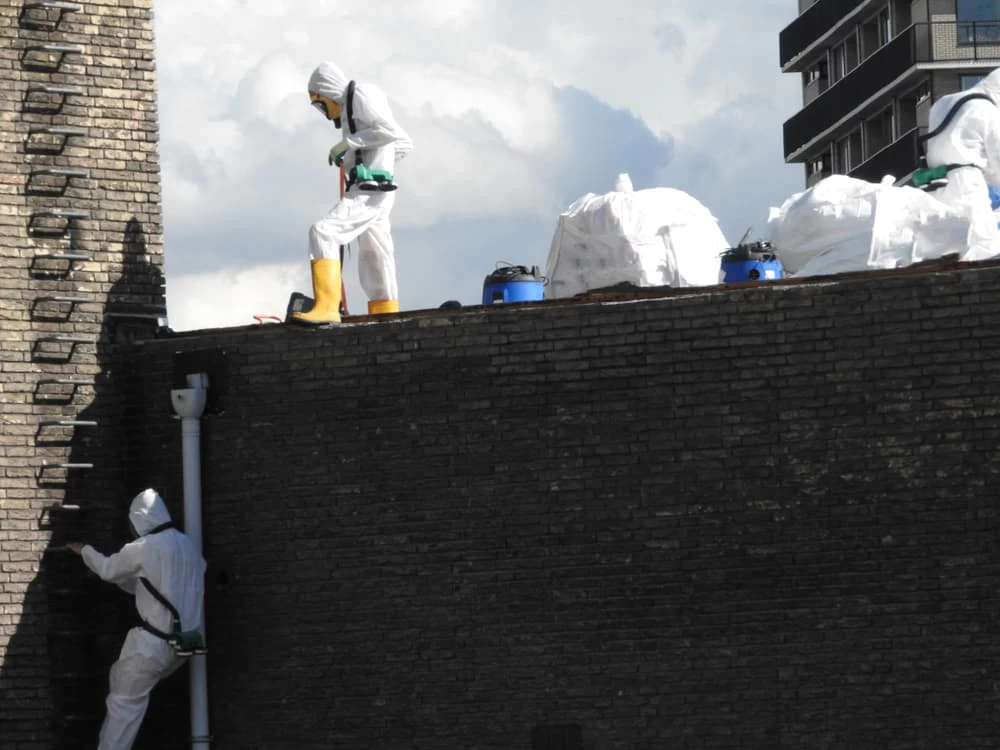
Once the project is approved and scheduled, the abatement work itself follows strict containment protocols: the affected area is sealed, negative air pressure is established, and materials are removed using methods that prevent fiber release. Our workers are certified. Waste is packaged, labeled, and transported to a licensed disposal facility not left for you to deal with. For Plattekill homeowners managing a broader renovation, we coordinate directly with your general contractor so the project sequence stays intact.
After the work is complete, we conduct post-abatement air monitoring by qualified personnel. You receive written clearance documentation confirming fiber counts are within acceptable limits. That paperwork is yours to keep and under NYS law, project records must be maintained for 30 years. If your abatement is connected to storm damage or a covered loss, we bill your insurance company directly.
Asbestos abatement isn’t one thing it depends on what’s in your home and where. In Plattekill’s older building stock, the most common materials include 9×9 floor tiles and black mastic adhesive from mid-century renovations, asbestos pipe insulation in basements and mechanical rooms, popcorn ceiling texture applied through the 1970s, and joint compound in walls of homes built before the late 1970s. Each of these requires a different removal approach, and each carries its own regulatory requirements under NYS Industrial Code Rule 56.
We handle the full scope: asbestos testing and inspection, licensed abatement and removal, air monitoring during and after the project, waste disposal using licensed facilities, NYS DOL notification and documentation, and written clearance reporting. For older Ulster County properties that also show signs of lead paint common in the same pre-1978 building stock our USEPA Lead and RRP certifications mean you’re not calling a second contractor to handle a second hazard.
For commercial property owners, landlords, and institutional clients in the Plattekill area, our MBE, WBE, MWBE, and SBE certifications make us eligible for government-funded and publicly procured projects. Whether it’s a farmhouse in New Hurley, a commercial building near the Route 32 and Route 44/55 intersection in Modena, or a school building in the Wallkill CSD, the process and the standards are the same.
Does my older Plattekill farmhouse actually need a licensed asbestos contractor?
If your home was built or substantially renovated before 1980, there’s a real chance it contains asbestos-containing materials and in New York State, the answer to your question is almost always yes. Under NYS Industrial Code Rule 56, any asbestos disturbance of 10 square feet or more requires a licensed abatement contractor. That threshold is lower than most people expect. A bathroom gut, a kitchen demo, or pulling up old floor tiles in a Clintondale cape can all cross it.
The risk of skipping licensed abatement isn’t just legal it’s medical. Asbestos fibers released during improper removal can contaminate an entire living space and remain airborne for hours. And if the work is done by an unlicensed contractor, you’re also exposed to liability: undocumented abatement can complicate a future sale, trigger stop-work orders on your renovation, and create problems with your homeowner’s insurance. The cost of doing it right is a fraction of what it costs to undo it wrong.
How much does asbestos removal typically cost in the Plattekill, NY area?
The honest answer is that it depends on the scope but for residential projects in Plattekill, most homeowners are looking at somewhere between $1,500 and $5,000 for smaller, contained abatement jobs like floor tile removal or pipe insulation. Larger projects full basement abatements, popcorn ceiling removal across multiple rooms, or whole-home assessments prior to a major renovation can run $10,000 to $30,000 or more depending on square footage and material type.
What affects the number most is the type of material, how accessible it is, the size of the affected area, and whether the project requires phased work to accommodate a general contractor’s timeline. For Plattekill homes with multiple asbestos-containing materials which is common in pre-1960 construction throughout the hamlets a thorough inspection upfront will give you a realistic scope and a real number before any work begins. That consultation is free.
What asbestos-containing materials are most common in Hudson Valley homes?
The materials that show up most often in Plattekill and the broader Ulster County building stock are 9×9 vinyl floor tiles and the black mastic adhesive underneath them, pipe and duct insulation in basements and mechanical rooms, popcorn or textured ceiling coatings applied between the 1950s and late 1970s, and joint compound used in drywall finishing before the late 1970s. Older homes particularly the farmhouses and hamlet-area residential buildings throughout Modena, Clintondale, and New Hurley can contain several of these at once.
Asbestos-containing roof shingles and exterior siding are also present in some of Plattekill’s older structures, particularly homes built during the early 20th century railroad-era development period. The material itself isn’t always dangerous when it’s undisturbed the risk comes when it’s cut, broken, or demo’d. That’s exactly when proper containment and licensed removal become non-negotiable.
Do I need a permit for asbestos abatement work in Plattekill?
Yes and there are actually two separate requirements to be aware of. First, any asbestos abatement project in New York State that exceeds the regulatory threshold requires a formal project notification to the NYS Department of Labor Asbestos Control Bureau before work begins. This isn’t a building permit it’s a state-level notification that documents the scope of work, the licensed contractor, and the disposal plan. We handle this filing as part of every project.
Second, if your asbestos abatement is part of a larger renovation, the Town of Plattekill’s Building Department requires a building permit for the renovation work itself. That’s a separate process through the town’s Building Inspector. Coordinating both the NYS DOL notification and the local building permit is something homeowners often don’t anticipate, and it’s one of the reasons working with a contractor who handles the administrative side is genuinely valuable. You don’t want your renovation delayed because paperwork was missed.
Can I stay in my home while asbestos abatement is being done?
It depends on the location and scope of the work. For small, contained projects like removing floor tiles in a single room it’s sometimes possible to remain in the home if the affected area is properly sealed off and the rest of the living space is not disrupted. For larger projects, or any abatement that involves a central area like a basement, HVAC system, or main living space, temporary relocation is typically recommended for the duration of the work.
This is a question worth asking directly during your consultation, because the answer is specific to your home’s layout and the materials being removed. What you should never do is stay in the home and attempt to access the work area during active abatement. The containment protocols exist for a reason negative air pressure, sealed barriers, and certified workers in protective equipment aren’t theater. They’re what keeps fibers out of the rest of your home. Post-abatement air clearance testing will confirm the space is safe before it’s reoccupied.
How do I know the asbestos is actually gone after the work is complete?
You get written documentation that’s how. After every abatement project, we conduct post-abatement air monitoring by qualified personnel to measure airborne fiber concentrations in the cleared space. The results are compared against the clearance standards set by NYS Industrial Code Rule 56. If the space passes, you receive a written clearance report confirming it. If it doesn’t, we address the issue before the space is released. You don’t have to take anyone’s word for it.
This documentation matters beyond peace of mind. If you’re selling a home in Plattekill, a buyer’s attorney or inspector may ask for abatement records. If you’re a landlord or property manager, it’s part of your compliance file. Under New York State law, asbestos project records must be maintained for 30 years which means that clearance report isn’t just for today, it’s part of the permanent record of your property. We provide this documentation on every project, residential or commercial.