If your Pleasant Ridge property was built before 1978, there’s a real chance asbestos is somewhere inside it and a renovation, flood, or simple repair could disturb it without warning. We handle licensed asbestos abatement throughout Pleasant Ridge and Dutchess County, so you know exactly what you’re dealing with and what happens next.
I needed a professional consultation explanation of procedure for safe removal of Asbestos in my apartment complex. Without having an account yet, I was very impressed with the caring, knowledgeable and generous advice offered by Jessica, and will look forward to doing business in the future. Thank you so much! I feel much more informed about a sometimes scary endeavor. Peace. Nancy Silva Mineola, NY.
Mia Munoz
Used this company to clean up some water flood in my house. They were fast and easy to work with.very professional, Would recommend to anyone!
Nini Valle
Great company, had a flood and they responded quickly and efficiently. Billed my insurance company directly. I highly recommend this company!
joe colapietro, jr
I had pipe freeze in my basement right before a snow storm and they made to within an hour to help start the clean up process. They we by our side throughout the entire process and even helped with the insurance company. They did such a great job with the cleanup, repair, remidiation, I contracted them to perform the repairs and finishes in the basement. They came with enough manpower and material to get the job done. Leo and Jessica were nothing but a pleasure to deal with!!
Cristian Arredondo c
I had some water damage in my home and Green Island was able to take care of my issue quickly and effectively. I am very pleased with the work they did. They responded quickly and were very professional.
Michael M
Outstanding service! From the office to the field crew everyone was friendly, helpful and responsive. I highly recommend Green Island Group.
Most people calling about asbestos aren’t panicking they’re frustrated. A contractor pulled up old floor tiles mid-renovation, or a basement flooded and now there’s damaged pipe insulation exposed. You stopped the project. Now you need someone who can tell you what’s actually there, what it means, and what it takes to fix it. That’s where this starts.
The older farmhouses and mid-century colonials throughout Pleasant Ridge and the surrounding Beekman area almost universally contain asbestos-containing materials 9×9 vinyl floor tiles, pipe wrap, popcorn ceilings, boiler insulation. These aren’t rare finds out here. They’re standard in the housing stock, and they require a licensed abatement contractor under NYS Code Rule 56 before any renovation work can continue legally.
What you get on the other side of this process is a home you can work on again with air clearance documentation proving the space is safe. Whether you’re mid-renovation, preparing to sell, or just dealing with unexpected storm damage, the goal is the same: get the hazard out, get it done right, and get your project moving again.
We’ve been handling asbestos abatement and environmental remediation across New York State for over 12 years, with more than 5,000 completed projects. That kind of volume means your situation whatever it looks like isn’t new to us. We’ve seen the old boiler rooms, the original plaster walls, the converted barns off Route 55 with asbestos-cement siding. Properties throughout Pleasant Ridge and Southern Dutchess County have their own character, and we know how to work in them.
We’re NYS DOL licensed under Code Rule 56, MWBE certified, and approved for state agency contracts credentials that matter because they’re verifiable, not just claimed. We also handle mold remediation, water damage, and fire restoration under the same roof, which matters when a flooded basement in Pleasant Ridge turns into more than just an asbestos problem. One call, one team, no juggling contractors.
From First Call to Air Clearance Here's the Sequence
It starts with an assessment. We come out to your Pleasant Ridge property, evaluate the materials in question, and give you a straight read on what’s there, where it is, and what removal involves. No pressure, no upsell just information you can make a decision with.
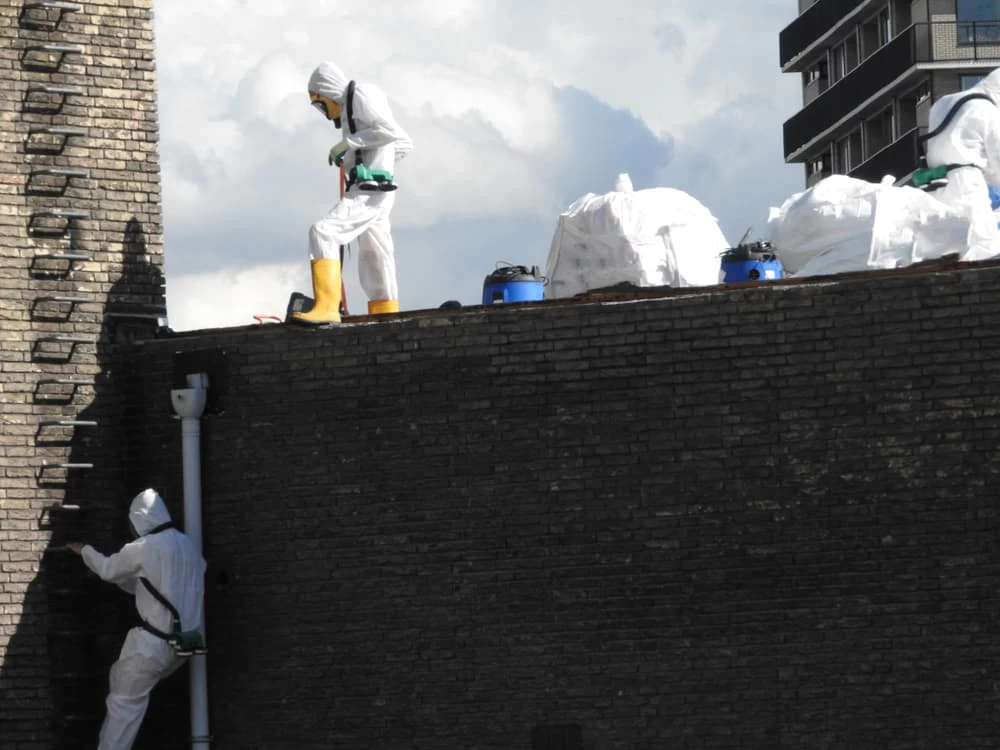
Once the scope is confirmed, we set up full containment using negative air pressure systems and sealed work zones before any material is touched. This keeps asbestos fibers from migrating into other areas of your home. In older Pleasant Ridge properties especially those with open floor plans, original ductwork, or post-and-beam construction proper containment setup is non-negotiable. NYS Code Rule 56 requires it, and we follow it completely on every job.
After removal, all asbestos-containing material is packaged and transported by licensed haulers under NYS DEC regulations and disposed of at an approved facility. Then comes post-abatement air clearance testing independent sampling that confirms fiber levels are within safe limits before you reoccupy the space. You get that documentation in writing. That’s not a bonus; it’s part of every job we complete.
Asbestos doesn’t show up the same way in every home, and in Pleasant Ridge and the surrounding Beekman area, it tends to show up in several places at once. The most common materials we remove in pre-1978 properties around Pleasant Ridge include 9×9 vinyl floor tiles and the mastic adhesive underneath them, pipe and boiler insulation, spray-applied popcorn ceilings, asbestos-cement siding and roofing shingles, and plaster walls. Asbestos tile removal and popcorn ceiling removal are two of the most frequent calls we get from homeowners in this area often discovered mid-renovation when a contractor starts demo work.
We handle all of these material types within a single project. You don’t need a separate contractor for the floor and another for the ceiling. The full scope gets managed by one licensed team, under one project timeline, with one set of documentation at the end.
For Pleasant Ridge homeowners navigating a real estate transaction, that documentation matters beyond just safety. New York State requires disclosure of known material defects, and properly remediated asbestos with air clearance records protects your legal standing and keeps the sale from falling apart at inspection. If you’re dealing with a post-flood scenario where insurance may apply, we handle direct billing to your carrier so you’re not managing that paperwork on top of everything else.
Does my older Pleasant Ridge home definitely contain asbestos-containing materials?
Not every pre-1978 home has been tested, but industry guidance is clear: if your home was built before 1978, the likelihood of asbestos-containing materials being present somewhere is very high. In Pleasant Ridge and the surrounding Beekman and Poughquag area, the housing stock skews older farmhouses, mid-century ranches, colonials and nearly all of them were built during the era when asbestos was standard in floor tiles, pipe insulation, ceiling texture, roofing, and siding.
The only way to know for certain is testing. Visual identification is not reliable asbestos-containing materials often look identical to non-asbestos versions. A licensed inspector takes samples and sends them to an accredited lab. If the results come back positive, you’ll know exactly which materials are affected and what your options are. That’s the starting point before any abatement work is scoped or priced.
What does asbestos abatement actually cost for a Dutchess County home?
Cost depends on the scope what materials are involved, how much square footage, and how accessible the affected areas are. For most residential projects in New York, you’re looking at a range of roughly $1,300 to $3,100, with the average landing around $2,200. Projects in Dutchess County tend to fall at or above that midpoint because NYS DOL licensing requirements, certified handlers, and regulated disposal all add real cost to the work.
What’s worth understanding is what you’re paying for. Licensed abatement in New York isn’t just a contractor pulling material out it’s containment setup, certified removal, regulated transport, approved disposal, and post-abatement air clearance testing. All of that is required under NYS Code Rule 56. A quote that skips those steps isn’t a bargain; it’s a liability. When comparing estimates, make sure every contractor you’re speaking with holds a current NYS DOL asbestos contractor license it’s verifiable, and it matters.
Can I keep living in my home while asbestos abatement is being done?
It depends on where the work is happening and how large the scope is. For smaller, contained jobs a single room with asbestos floor tiles, for example it’s sometimes possible to remain in unaffected parts of the home during the project. For larger scopes involving multiple areas, pipe insulation throughout the basement, or work in shared HVAC spaces, temporary relocation is usually the safer and more practical call.
We walk through this with you before the project starts. Containment under NYS Code Rule 56 requires sealed work zones with negative air pressure, which means the affected area is completely isolated from the rest of your Pleasant Ridge home during removal. But the specifics of your property the layout, the HVAC system, how the affected materials are positioned all factor into what’s realistic. You’ll know exactly what to expect before any work begins, not after.
Is a permit required for asbestos removal in Pleasant Ridge, NY?
Asbestos abatement in Pleasant Ridge is governed by New York State, not local municipal code. Dutchess County doesn’t operate a separate county-level permitting system for asbestos work the controlling framework is NYS DOL Industrial Code Rule 56, and the Albany District Office has jurisdiction over this area. Under that framework, the contractor performing the work must hold a current NYS DOL asbestos contractor license, and every worker on the job must be a certified handler with at least 32 hours of approved training.
For larger projects involving significant quantities of asbestos-containing material, EPA NESHAP notification requirements may also apply these are federal regulations that require advance notice before certain renovation or demolition activities. Your abatement contractor is responsible for managing those notifications on your behalf. If you’re working with a contractor who isn’t mentioning any of this, that’s worth paying attention to.
What happens if asbestos is found during a renovation in Pleasant Ridge?
Stop the work. That’s the first step, and it’s the right one. Once a contractor suspects or confirms the presence of asbestos-containing materials, continuing demo or renovation work can disturb those materials and release fibers into the air. The project needs to pause until a licensed abatement contractor has assessed the situation, sampled the materials if needed, and cleared the affected area.
This scenario is common in Pleasant Ridge and throughout the area especially with the volume of NYC-area buyers who’ve purchased older properties in recent years and are now renovating them significantly. Kitchen gut jobs, bathroom remodels, basement conversions these are the projects that most frequently uncover asbestos tile, pipe wrap, or ceiling texture that nobody knew was there. We operate 24 hours a day and have responded to mid-renovation calls within two hours. The faster you get a licensed contractor on-site, the faster your project gets back on track.
How do flooding and storm damage in the Hudson Valley relate to asbestos exposure?
It’s a connection a lot of homeowners don’t think about until they’re already dealing with it. When a basement floods in an older Pleasant Ridge home, the water doesn’t just damage the structure it can disturb asbestos pipe insulation, saturate floor tile adhesive, and compromise materials that were previously stable and posing no immediate risk. Once those materials are wet, damaged, or physically disturbed, the situation changes.
The Hudson Valley has seen a documented increase in flooding frequency, and Dutchess County’s freeze-thaw cycles also cause older building materials to crack and degrade over time including pipe insulation and asbestos-cement siding. If you’ve had water intrusion in a pre-1978 home, it’s worth having the affected areas assessed before you assume everything is fine. We handle both the asbestos abatement and the water damage restoration, so if a post-flood call turns into a multi-issue project, you’re not starting over with a different contractor.