I needed a professional consultation explanation of procedure for safe removal of Asbestos in my apartment complex. Without having an account yet, I was very impressed with the caring, knowledgeable and generous advice offered by Jessica, and will look forward to doing business in the future. Thank you so much! I feel much more informed about a sometimes scary endeavor. Peace. Nancy Silva Mineola, NY.
Mia Munoz
Used this company to clean up some water flood in my house. They were fast and easy to work with.very professional, Would recommend to anyone!
Nini Valle
Great company, had a flood and they responded quickly and efficiently. Billed my insurance company directly. I highly recommend this company!
joe colapietro, jr
I had pipe freeze in my basement right before a snow storm and they made to within an hour to help start the clean up process. They we by our side throughout the entire process and even helped with the insurance company. They did such a great job with the cleanup, repair, remidiation, I contracted them to perform the repairs and finishes in the basement. They came with enough manpower and material to get the job done. Leo and Jessica were nothing but a pleasure to deal with!!
Cristian Arredondo c
I had some water damage in my home and Green Island was able to take care of my issue quickly and effectively. I am very pleased with the work they did. They responded quickly and were very professional.
Michael M
Outstanding service! From the office to the field crew everyone was friendly, helpful and responsive. I highly recommend Green Island Group.
You can move forward with your renovation without stopping every five minutes to wonder whether the dust in the air is something you should be worried about. That’s the most immediate thing that changes. The uncertainty lifts, and the project can actually begin.
For homes in Pocantico Hills, that matters more than it does in most places. The hamlet is almost entirely composed of pre-1980 construction former estate worker cottages, Dutch Colonials, mid-century homes that were built when asbestos was in everything from floor tiles to pipe insulation to the texture on your ceiling. These aren’t just old houses. Some of them are historically significant structures that have been maintained and preserved for decades. Abatement here isn’t a routine job it requires someone who understands older building materials and won’t cause collateral damage to the fabric of a home you’ve invested in.
Beyond the renovation itself, there’s the real estate side. With median home values in this area approaching $850,000, a clean asbestos record isn’t a formality it’s a financial asset. Buyers’ attorneys ask about it. Lenders flag it. Having documented clearance from a licensed contractor protects your sale and removes one of the most common deal-killers in pre-1980 Westchester transactions.
We hold the full stack of credentials required to legally perform asbestos abatement in New York the NYS Department of Labor Asbestos Handling License, the NYC DEP Asbestos Contractor License, EPA certification, and NYS DEC compliance for waste disposal. Every one of those licenses is a matter of public record. You can look them up. That’s the point.
Beyond the licensing, we are a certified Minority/Women-owned Business Enterprise through the New York State Office of General Services a formal state vetting process that goes beyond the minimum contractor requirements. No local competitor found in searches for the Westchester and Mount Pleasant area holds or mentions this credential.
With over 5,000 completed abatement projects across the New York metro area including Westchester County and the Town of Mount Pleasant, the governing jurisdiction for Pocantico Hills this isn’t a crew learning on your home. We’ve worked in older, complex building stock throughout this region. We know what we’re dealing with before we arrive.
No Surprises Here's Exactly How the Work Gets Done
It starts with a free on-site inspection. One of our representatives comes to your home, looks at the materials in question, and gives you a straight answer about what’s there, what needs to be addressed, and what your options are. There’s no charge for this and no obligation attached to it. You leave the conversation knowing more than you did going in.
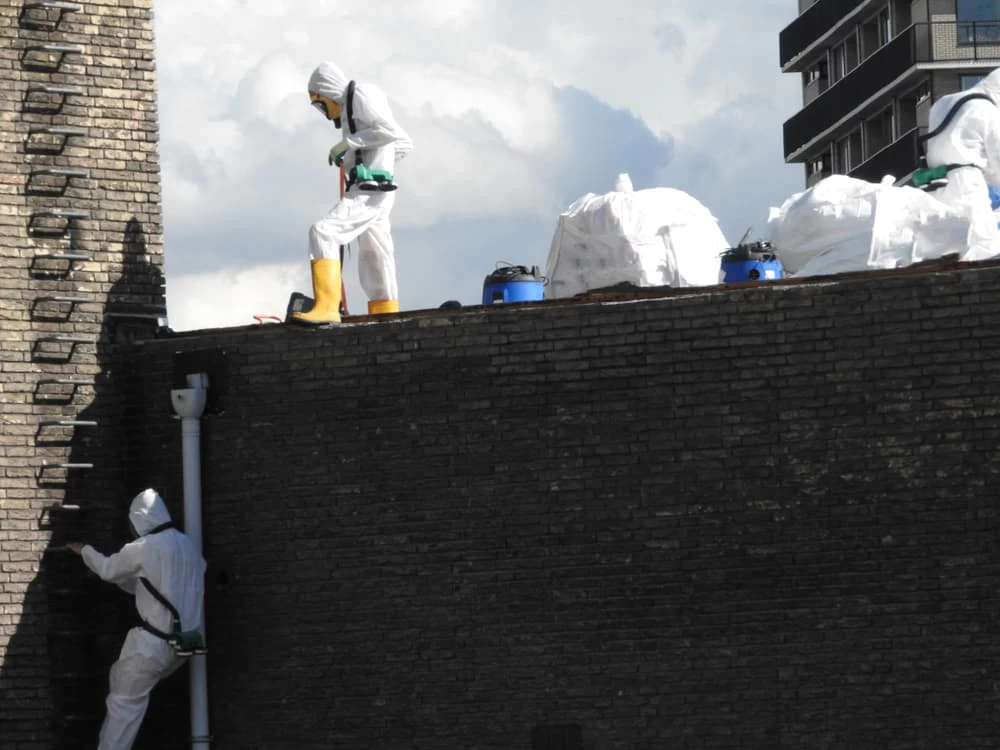
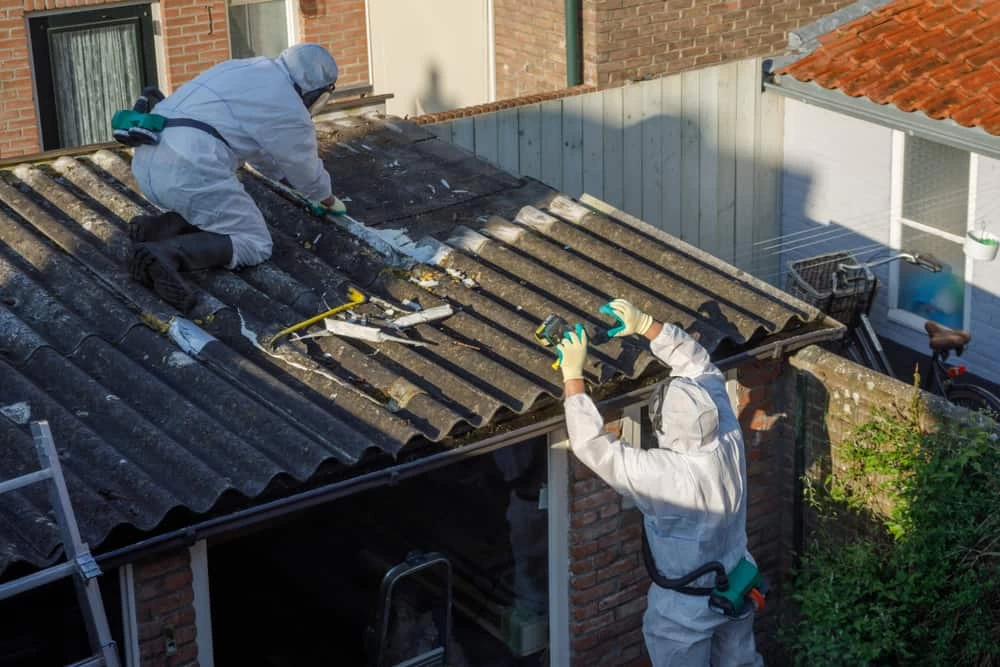
If abatement is needed, the project follows the requirements of NYS Industrial Code Rule 56 New York State’s asbestos abatement regulation, which is stricter than federal OSHA standards in several areas. The work area is fully sealed with polyethylene containment, negative air pressure machines with HEPA filtration are set up to prevent any fiber migration beyond the contained zone, and all removal is done using wet methods to suppress fiber release. For homes in Pocantico Hills where the Mount Pleasant Building Department oversees permit compliance and where the community’s historic preservation culture means the rest of your home needs to stay intact this level of precision isn’t optional. It’s the baseline.
After removal, a certified air monitor conducts post-abatement clearance testing. When the results pass, you receive formal documentation confirming the work is complete and the space is clear. That paperwork is yours to keep for your renovation contractor, your insurance carrier, or the buyer’s attorney at your next closing.
Every Material Type Found in Pocantico Hills Homes, Covered
The homes in and around Pocantico Hills don’t contain just one type of asbestos-containing material they often contain several, layered across different renovation eras. A single property might have pipe insulation wrapping a steam heating system from the 1920s, vinyl asbestos floor tiles from a 1950s kitchen update, acoustic popcorn ceiling texture from the 1960s, and drywall joint compound from a 1970s remodel. We handle all of it under one contract. One crew, one chain of custody, one set of clearance documentation at the end.
Asbestos tile removal and asbestos popcorn ceiling removal are two of the most common scopes in this area, and both require careful handling to avoid fiber release during the process. For the older homes near the Rockefeller State Park Preserve where environmental sensitivity is built into the community’s identity proper containment and certified disposal aren’t just regulatory requirements. They’re what the community expects.
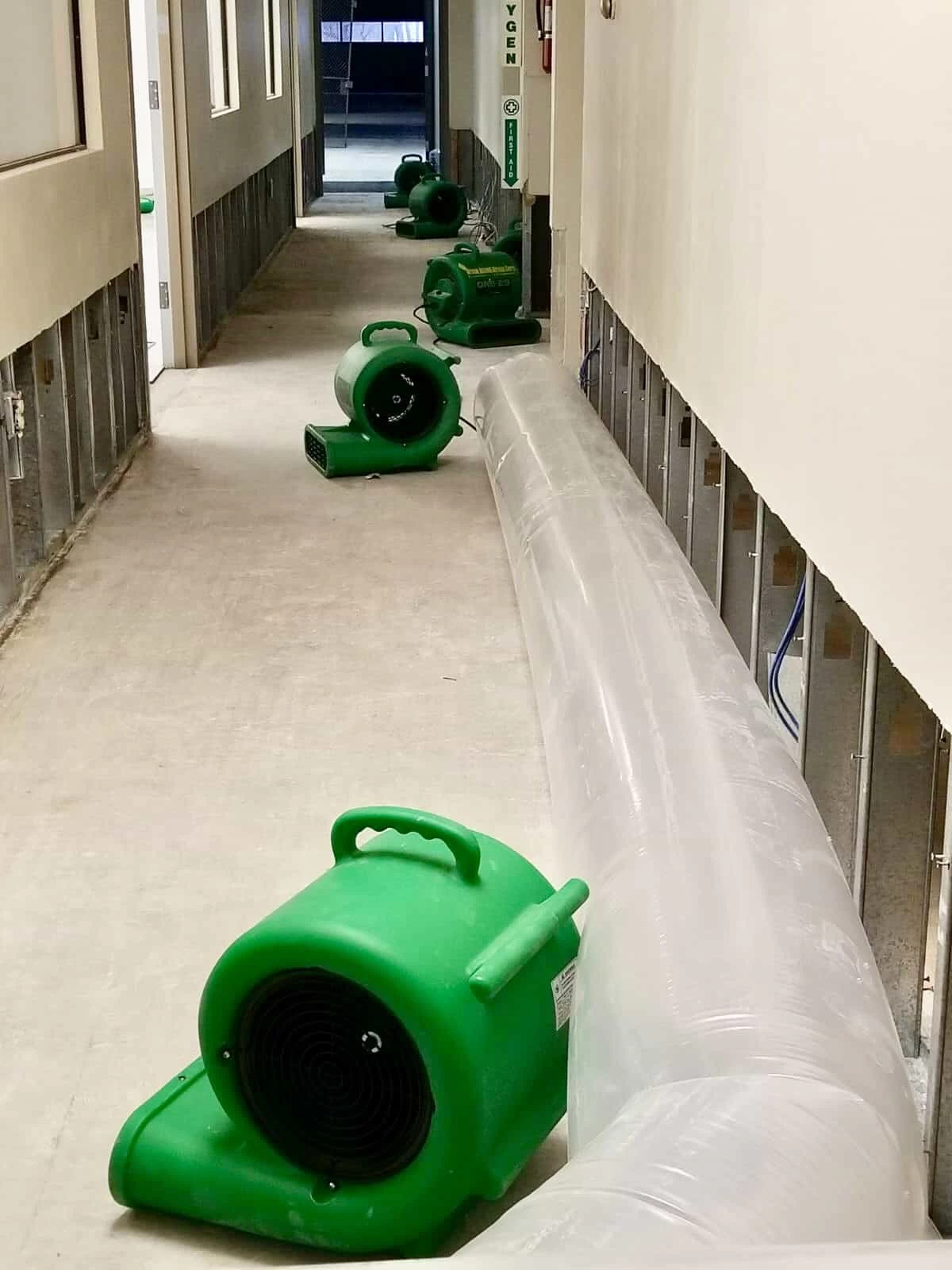
We also work directly with insurance carriers when abatement is triggered by water damage a real scenario in older Westchester homes where aging plumbing, roof systems, and basement drainage can disturb asbestos-containing materials during a leak or storm event. If your situation involves an insurance claim, we handle the billing directly so you’re not managing that paperwork on top of everything else.
Does my older Pocantico Hills home likely contain asbestos-containing materials?
If your home was built before 1980, the honest answer is probably yes at least in some form. Asbestos was used in over 3,000 building products manufactured before it was phased out, and the housing stock in Pocantico Hills skews older than most of Westchester County. The former estate worker cottages and mid-century homes that make up much of the hamlet’s residential inventory were built during the peak era of asbestos use in American construction.
The most common materials to flag are vinyl floor tiles (especially the 9×9 inch format common in kitchens and basements from the 1950s and 1960s), acoustic ceiling texture, pipe and duct insulation, and drywall joint compound. The only way to know for certain is to have a licensed professional assess the materials in question visual identification alone isn’t reliable. We offer a free on-site inspection for exactly this reason, so you can get a clear answer before any renovation work begins.
Is asbestos removal in Pocantico Hills required before starting a renovation?
Under New York State Industrial Code Rule 56, any renovation that disturbs asbestos-containing materials requires licensed abatement before or during the work. This isn’t optional, and it applies regardless of the size of the project. If you’re pulling up old floor tiles, opening walls, replacing a boiler, or doing anything that touches materials in a pre-1980 home, you’re legally required to assess for asbestos first.
In Pocantico Hills, building permits for renovation work are issued by the Mount Pleasant Building Department. Any permitted project triggers the obligation to comply with all applicable state environmental regulations including NYS ICR 56. Beyond the legal requirement, there’s a practical one: renovation contractors who disturb asbestos-containing materials without proper abatement create a liability problem for themselves and for you. Getting the assessment and abatement done before work starts is the cleaner path by every measure.
What types of asbestos abatement does Green Island Group handle in Westchester County?
We handle the full range of asbestos-containing materials found in residential and commercial properties asbestos tile removal, asbestos popcorn ceiling removal, pipe and duct insulation, boiler and furnace wrap, drywall joint compound, roofing materials, and plaster additives. For older Westchester County homes, it’s common to encounter multiple material types in the same property, particularly in homes that were built in the early 20th century and have gone through several renovation cycles since.
The abatement scope is determined during the initial inspection, so you know exactly what’s being addressed before any work begins. We don’t subcontract the core abatement work the same licensed crew that scopes the project executes it, which matters for chain-of-custody documentation and regulatory compliance. For Pocantico Hills homeowners dealing with historically significant properties, having one accountable contractor managing the entire scope is a meaningful difference from firms that hand off portions of the job.
How long does asbestos abatement typically take, and do I need to leave my home?
The timeline depends on the scope how many material types are present, how much square footage is involved, and the complexity of the containment setup. A focused scope like asbestos tile removal in a single room can often be completed in one to two days. A broader project involving multiple material types across several areas of an older home will take longer, and the inspection phase will give you a realistic estimate before anything starts.
Whether you need to vacate during abatement depends on the scope and the location of the work area within your home. For contained work in a basement or a single room, it’s sometimes possible to remain in unaffected areas of the house. For larger scopes or work in central living areas, temporary relocation is typically recommended. We walk through this with you during the inspection so you can plan accordingly there are no surprises on the day the crew arrives.
Is asbestos abatement covered by homeowners insurance in New York?
It depends on how the abatement need was triggered. If asbestos-containing materials were disturbed by a covered event a burst pipe, a roof leak, storm water intrusion the abatement is often covered under the homeowners policy as part of the remediation of that event. This is a real scenario in Pocantico Hills, where older homes with aging plumbing and roofing systems are susceptible to water intrusion events during the Hudson Valley’s wet winters and freeze-thaw cycles.
If the abatement is driven by a planned renovation rather than a covered event, insurance typically does not apply. In that case, the cost is a project expense and on a Pocantico Hills home with a median value approaching $850,000, it’s a modest one relative to the protection it provides. We work directly with insurance carriers when a claim is involved, handling the billing on your behalf so you’re not managing that process on top of the renovation itself.
How do I verify that an asbestos contractor is actually licensed to work in New York State?
The NYS Department of Labor maintains a public database of licensed asbestos contractors that anyone can search. You’ll want to confirm that the company holds an active NYS DOL Asbestos Handling License this is the license required for any asbestos abatement work in New York State, and it’s distinct from a general contractor’s license or a business registration. Individual workers also need to hold current NYS DOL asbestos handler certificates, which are separate from the company license.
For work in the Westchester County area, it’s also worth asking whether the contractor holds the NYC DEP Asbestos Contractor License, which applies to certain project types and signals a higher bar of regulatory compliance. We hold both, along with EPA certification and NYS DEC compliance for waste disposal the complete credential set for asbestos work in this region. If a contractor can’t give you a specific license number to look up, that’s a meaningful red flag in a state with some of the strictest asbestos regulations in the country.