If your home was built before 1985 and you’re planning a renovation or just replaced that aging oil boiler asbestos abatement in Poughquag isn’t a maybe. It’s a real conversation worth having before the work starts.
I needed a professional consultation explanation of procedure for safe removal of Asbestos in my apartment complex. Without having an account yet, I was very impressed with the caring, knowledgeable and generous advice offered by Jessica, and will look forward to doing business in the future. Thank you so much! I feel much more informed about a sometimes scary endeavor. Peace. Nancy Silva Mineola, NY.
Mia Munoz
Used this company to clean up some water flood in my house. They were fast and easy to work with.very professional, Would recommend to anyone!
Nini Valle
Great company, had a flood and they responded quickly and efficiently. Billed my insurance company directly. I highly recommend this company!
joe colapietro, jr
I had pipe freeze in my basement right before a snow storm and they made to within an hour to help start the clean up process. They we by our side throughout the entire process and even helped with the insurance company. They did such a great job with the cleanup, repair, remidiation, I contracted them to perform the repairs and finishes in the basement. They came with enough manpower and material to get the job done. Leo and Jessica were nothing but a pleasure to deal with!!
Cristian Arredondo c
I had some water damage in my home and Green Island was able to take care of my issue quickly and effectively. I am very pleased with the work they did. They responded quickly and were very professional.
Michael M
Outstanding service! From the office to the field crew everyone was friendly, helpful and responsive. I highly recommend Green Island Group.
When asbestos is properly removed and documented by a licensed contractor, you’re not just clearing a material you’re clearing a liability. For homeowners in Poughquag, where the median home value sits above $450,000, that documentation matters. Buyers ask about it. Lenders ask about it. And if you’re selling, an asbestos disclosure without a certified abatement report can stall or kill a deal entirely.
There’s also the day-to-day reality. A significant portion of Poughquag residents work from home and if your home office is 30 feet from a basement full of asbestos-wrapped pipe insulation, that’s not a background detail. It’s an active concern. Proper abatement with sealed containment zones and HEPA air filtration means the rest of your home stays clean while the work is done, and you get a clearance report when it’s over not just a handshake.
And then there’s the boiler situation. Over 73% of homes in the 12570 ZIP code heat with fuel oil. Those aging oil-fired systems the ones installed in the 1960s, 70s, and 80s were almost universally wrapped in asbestos insulation. Before a new heating system goes in, that material has to come out. Legally. By someone licensed by the New York State Department of Labor. That’s not a technicality it’s how you protect your home, your family, and your investment.
12 Years In, 5,000 Projects Deep Right Here in Dutchess County
We’ve been doing this work across New York State for over 12 years and have completed more than 5,000 abatement and restoration projects. We’re not a national franchise with a local phone number we’re a certified, NYS Department of Labor-licensed asbestos contractor with an established presence throughout Dutchess County, including Poughquag and the surrounding Town of Beekman.
We hold MWBE certification as a Minority and Woman-Owned Business Enterprise, which makes us an approved contractor for New York State agencies a credential most of the competition in this market doesn’t hold. We also handle mold remediation, water damage, and fire restoration under the same roof. So if your basement flood revealed asbestos pipe insulation and a mold problem at the same time which happens more than people expect in older Dutchess County homes you’re not juggling two separate contractors.
When you call, a real person picks up. We’re available 24 hours a day, and we bill insurance directly. For homeowners in Poughquag managing a renovation, a home sale, or an unexpected discovery, that combination of credentials and accessibility makes a real difference.
No Surprises Here's What the Process Actually Looks Like
It starts with an inspection. Before anything is removed, a certified inspector identifies and tests the materials in question whether that’s pipe insulation around your oil boiler, 9×9 vinyl floor tiles in the kitchen, popcorn ceiling material in a bedroom, or attic insulation. In Poughquag’s housing stock, which skews heavily toward homes built between 1970 and 1999, these materials show up regularly. The inspection tells you exactly what you’re dealing with and what has to go before renovation work can legally proceed.
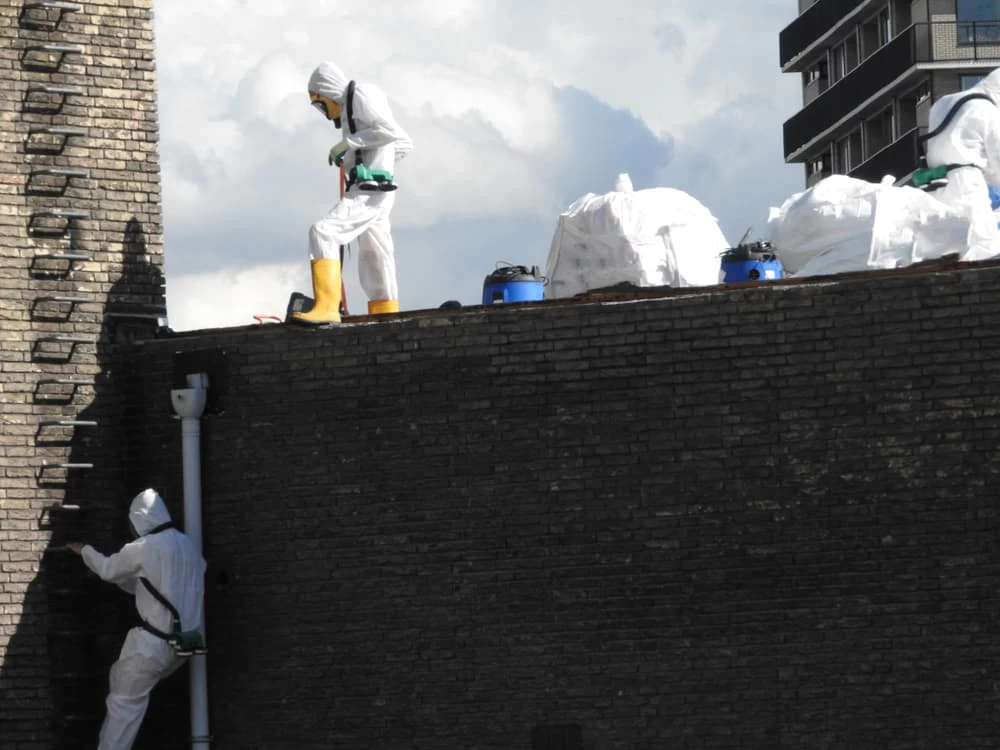
Once the scope is confirmed, we seal the work area and place it under negative air pressure. HEPA filtration units run continuously throughout the job to prevent any fibers from migrating into the rest of the house. This containment setup is especially important if you’re working from home the goal is to keep your living space fully functional while the abatement happens in a controlled zone.
After removal, all asbestos-containing material is packaged, transported, and disposed of according to NYS Department of Environmental Conservation requirements. Then comes air clearance testing an independent confirmation that the space is clean. That test result, along with your project documentation, is what satisfies home inspectors, real estate attorneys, and the Town of Beekman’s building department when permitted renovation work is involved. You walk away with paperwork that actually means something.
The Materials Found in Poughquag Homes and How We Handle Them
Asbestos doesn’t look like anything in particular. That’s the problem. The 9×9 floor tiles in the laundry room, the textured popcorn ceiling in the guest bedroom, the insulation wrapped around the boiler pipes in the basement none of it announces itself. But in a home built before 1985 in the 12570 ZIP code, the odds that at least one of those materials contains asbestos are genuinely high. Our teams know what to look for because we’ve worked in homes exactly like yours throughout Dutchess County.
Asbestos tile removal requires a different approach than asbestos popcorn ceiling removal, which requires a different setup than pipe insulation abatement. The containment, the tools, the disposal protocol it all changes based on the material and where it sits in the structure. We’re equipped and licensed for all of it. Whether you’re finishing a basement, replacing a heating system, or preparing a Poughquag home for sale, the scope gets assessed and handled correctly from the start.
Every project includes pre-abatement inspection, full containment setup, licensed removal, compliant disposal through NYS DEC-approved channels, and post-abatement air clearance testing. That final clearance report is what closes the loop for your renovation contractor, your real estate attorney, or your own peace of mind. No guesswork, no shortcuts, and no unlicensed crews cutting corners on a job that has real health consequences if it’s done wrong.
Does my Poughquag home built in the 1970s likely contain asbestos materials?
Almost certainly, yes and that’s not meant to alarm you, just to be straight with you. Homes built between roughly 1940 and the mid-1980s were constructed during the peak of asbestos use in residential building materials. In Poughquag and the surrounding Town of Beekman, the dominant housing stock falls squarely in that window, with most homes built between 1970 and 1999. That era’s construction commonly included asbestos in vinyl floor tiles, pipe and boiler insulation, popcorn ceiling texture, roofing shingles, siding, and joint compound.
The most common scenario we see in this area specifically is asbestos insulation on oil-fired boiler systems and over 73% of homes in the 12570 ZIP code use fuel oil as their primary heat source. If you have an older boiler and haven’t had the insulation tested, it’s worth doing before any renovation or heating system replacement. The material only becomes a hazard when it’s disturbed, so knowing what’s there before work starts is how you stay ahead of it.
How much does asbestos removal typically cost for a Dutchess County home?
For most residential projects in the Dutchess County area, asbestos removal runs somewhere between $1,300 and $3,100 depending on the material type, the amount being removed, and how accessible the work area is. A single room of asbestos floor tile removal lands differently than a full boiler pipe insulation job, which is more labor-intensive and requires more extensive containment.
For Poughquag homeowners specifically, the most common cost driver we see is heating system insulation pipe wrap and boiler jacket material on aging oil-fired systems. These jobs tend to be more involved because the insulation is often in tight mechanical spaces and has to be removed carefully before a new system can be installed. On the higher end, full attic insulation abatement or multi-room tile removal can push past $3,000. The best way to get an accurate number is a proper inspection first not a phone estimate based on square footage alone.
Is it legal to remove asbestos yourself in New York State?
In most cases, no not legally, and not safely. New York State requires that asbestos abatement work be performed by contractors licensed by the NYS Department of Labor’s Asbestos Control Bureau. Handlers must complete a 32-hour DOL-approved training course, and supervisors require additional certification on top of that. If you’re doing permitted renovation work in Beekman say, a basement finish or a kitchen remodel that requires a building permit the building department expects that any asbestos in the work area has been properly abated by a licensed contractor before the renovation begins.
Beyond the legal side, the health risk of disturbing asbestos without proper containment is real. Asbestos fibers are microscopic and can stay airborne for hours. Mesothelioma, the cancer most directly linked to asbestos exposure, has a latency period of 20 to 50 years meaning the consequences of a DIY mistake today might not surface until decades from now. The licensed process exists for a reason. It’s not bureaucratic red tape; it’s how you make sure the job actually protects the people in the house.
Can I stay in my house during asbestos abatement in Poughquag?
In many cases, yes but it depends on the scope and location of the work. For localized jobs like a single room of floor tile removal or pipe insulation in a basement mechanical room, proper containment with sealed barriers and negative air pressure can allow the rest of the house to remain occupied. We use HEPA filtration units throughout the abatement area to prevent fiber migration, and the work zone is fully sealed before removal begins.
For larger-scale projects full attic abatement, whole-floor tile removal, or work in a central area of the home temporary relocation during the active removal phase may be the safer call. This is something that gets assessed during the inspection, not assumed. Given how many Poughquag residents work from home, this is one of the first questions that comes up, and it’s worth having an honest conversation about before the project starts. The answer depends on your specific floor plan, where the material is located, and how the containment can realistically be set up.
What happens if asbestos is found during a home inspection before a sale in Poughquag?
It’s more common than most sellers expect, and it doesn’t have to kill the deal but it does have to be handled correctly. When asbestos is identified during a home inspection in Poughquag, the buyer’s attorney and lender will typically require documentation of licensed abatement before closing. That means a certified contractor removes the material, post-abatement air clearance testing is completed, and you have a written project report to hand over. Without that paperwork, the transaction stalls.
The good news is that with a median home value above $450,000 in this area, buyers and sellers are generally motivated to resolve the issue rather than walk away. Getting abatement done quickly with a contractor who can mobilize fast and produce clean documentation is usually the path of least resistance. We work on timelines that real estate transactions require, and we can coordinate directly with your real estate attorney or agent if needed. The clearance report we provide at project completion is exactly what satisfies title companies, lenders, and buyers’ counsel.
Does Green Island Group handle asbestos abatement for boiler replacements in Poughquag?
Yes, and this is actually one of the most common calls we get from Poughquag and the broader Town of Beekman area. With over 73% of homes in the 12570 ZIP code running on fuel oil heat, there are a lot of aging boiler systems in this community many installed in the 1960s and 70s that are reaching the end of their useful life. When a homeowner or HVAC contractor goes to replace one of those systems, the pipe insulation and boiler jacket material almost always needs to be tested and, in most cases, abated before the new equipment can go in.
This isn’t something your HVAC installer can handle it requires a separate, NYS DOL-licensed abatement contractor. We coordinate directly with heating contractors so the sequence works: abatement first, new system installation after, with clearance documentation in hand before the mechanical work picks back up. If you’re planning a boiler replacement this fall before the heating season hits, getting the abatement scheduled early is the move it keeps your project on timeline and your contractor from showing up to a job they legally can’t start.