Most Putnam Lake homes were built as summer cottages and the materials used back then didn’t age quietly. We handle asbestos abatement from first inspection to final air clearance, so you’re not guessing what’s in your walls.
I needed a professional consultation explanation of procedure for safe removal of Asbestos in my apartment complex. Without having an account yet, I was very impressed with the caring, knowledgeable and generous advice offered by Jessica, and will look forward to doing business in the future. Thank you so much! I feel much more informed about a sometimes scary endeavor. Peace. Nancy Silva Mineola, NY.
Mia Munoz
Used this company to clean up some water flood in my house. They were fast and easy to work with.very professional, Would recommend to anyone!
Nini Valle
Great company, had a flood and they responded quickly and efficiently. Billed my insurance company directly. I highly recommend this company!
joe colapietro, jr
I had pipe freeze in my basement right before a snow storm and they made to within an hour to help start the clean up process. They we by our side throughout the entire process and even helped with the insurance company. They did such a great job with the cleanup, repair, remidiation, I contracted them to perform the repairs and finishes in the basement. They came with enough manpower and material to get the job done. Leo and Jessica were nothing but a pleasure to deal with!!
Cristian Arredondo c
I had some water damage in my home and Green Island was able to take care of my issue quickly and effectively. I am very pleased with the work they did. They responded quickly and were very professional.
Michael M
Outstanding service! From the office to the field crew everyone was friendly, helpful and responsive. I highly recommend Green Island Group.
When you’re living in or renovating a home that went up in the early 1930s which describes a lot of Putnam Lake the question isn’t really “do I have asbestos?” It’s “where is it, and what do I do about it?” Once it’s properly removed by a licensed contractor, you stop carrying that uncertainty. Your renovation moves forward. Your real estate transaction doesn’t stall. And if you’ve got kids or older family members in the house, you’re not wondering anymore.
Putnam Lake’s housing stock is specific. Those original cottages were built fast, between 1930 and 1932, on 20-by-100-foot lots, using whatever insulation, tile, and pipe wrap was standard at the time which meant asbestos, routinely. Decades of seasonal use, freeze-thaw winters, and incremental renovations have layered over those original materials without ever fully addressing them. When you finally do address them in Putnam Lake, the difference isn’t abstract. It’s a home you can renovate without stopping mid-project. It’s documentation that holds up when you go to sell. It’s air quality you don’t have to think about anymore.
Putnam Lake also sits within the Croton Watershed, which means environmental compliance here carries weight beyond your own property line. Proper abatement licensed, documented, disposed of correctly isn’t just the right call for your family. It’s the call that keeps you clear of the kind of regulatory exposure that watershed communities attract.
Over 12 Years of Licensed Work in Putnam Lake and Beyond
We’ve been doing licensed asbestos abatement in New York for over 12 years, including work for the NYS Office of General Services, the Dormitory Authority of the State of New York, and county governments clients who vet contractors hard before they let anyone near their buildings. The same standard comes to your Putnam Lake home.
The NYS DOL Asbestos License is what legally separates a compliant contractor from someone doing this work without authorization. We hold it. We’re also USEPA-certified for lead abatement and NYS DOL-licensed for mold remediation which matters in a community like Putnam Lake where a 90-year-old cottage often has more than one problem hiding behind the walls.
If you’re in the Town of Patterson, navigating the local permit process and NYS DOL notification requirements on your own is a real headache. We handle that too. One contractor, full scope, no hand-off to someone else mid-project.
No Surprises Here's What the Job Actually Looks Like
It starts with an inspection. A licensed inspector assesses your home, identifies any suspect materials insulation, floor tiles, pipe wrap, ceiling texture, roofing and samples are sent to an accredited lab for confirmation. In a Putnam Lake home with 60 to 90 years of building history, that inspection often turns up materials in more than one location. You’ll know exactly what you’re dealing with before any work begins.
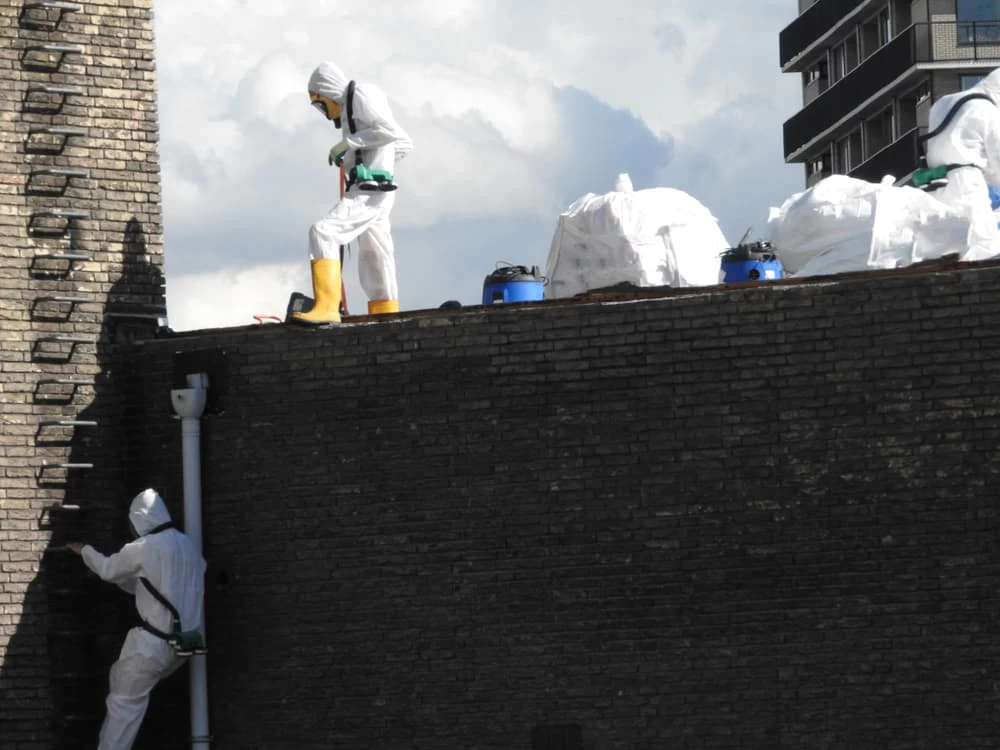
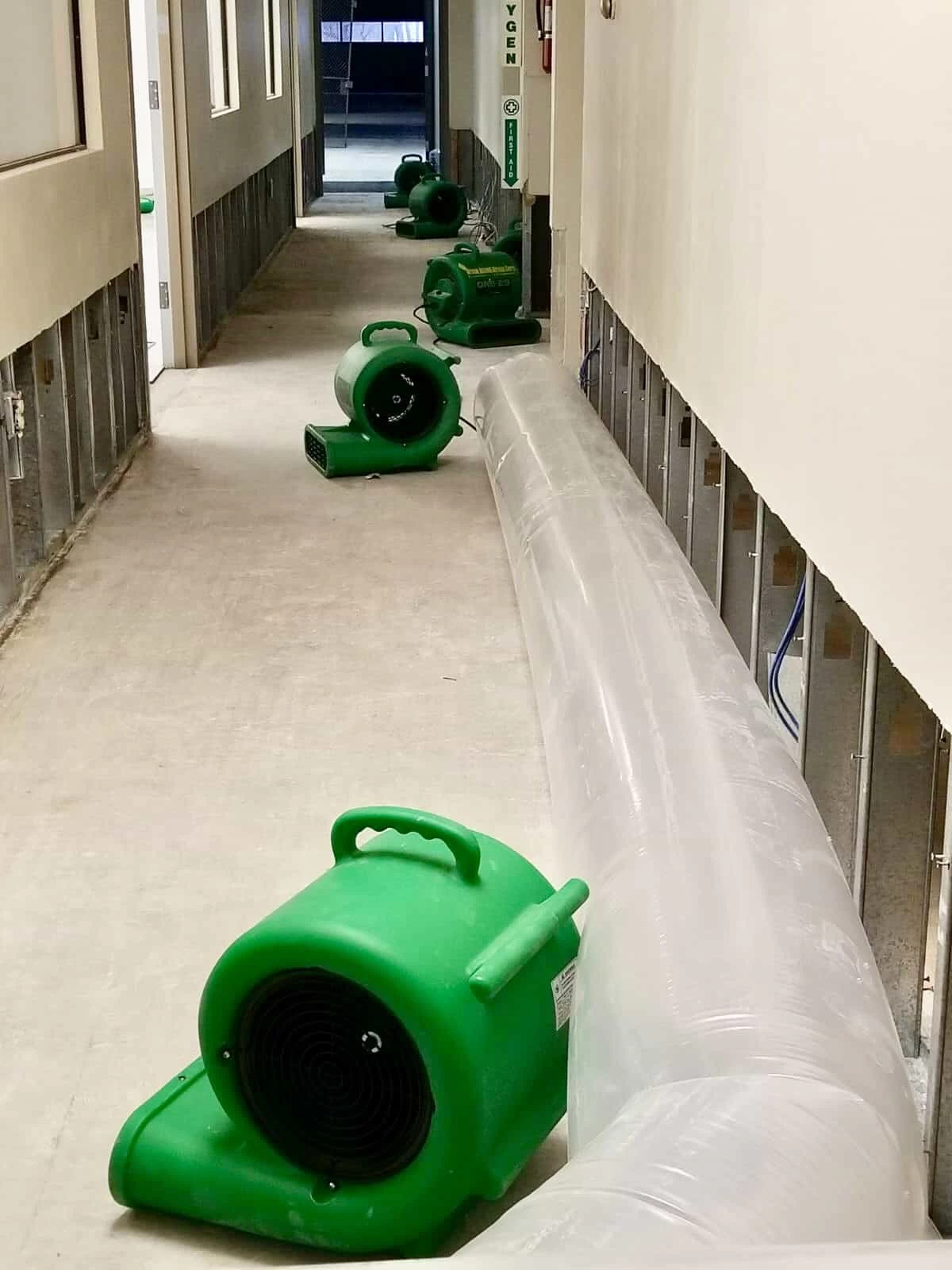
Once the scope is confirmed, we handle the permit application through the Town of Patterson’s building department and file any required notifications with the NYS Department of Labor. Then the physical work begins: full containment of the affected area, negative air pressure to prevent fiber migration, wet removal methods to keep material from becoming airborne, and proper disposal at a certified hazardous waste facility all required under NYS Industrial Code Rule 56.
After removal, an independent licensed air monitoring contractor conducts post-abatement clearance testing. That’s not us grading our own work it’s a separate professional confirming that fiber levels meet OSHA and NIOSH clearance standards before the containment comes down and you return to the space. You get the documentation. That paperwork matters whether you’re finishing a renovation, closing a sale, or simply want a record that the job was done right.
Our asbestos abatement service covers the full range of materials commonly found in Putnam Lake’s pre-1970 housing stock. That includes asbestos floor tile removal vinyl asbestos tiles were standard in 1930s through 1960s cottage construction and are one of the most frequently discovered materials during kitchen and basement renovations. It includes pipe and boiler insulation, which deteriorates over time and becomes friable, especially in homes that have cycled through decades of seasonal heating and cooling. It covers asbestos popcorn ceiling removal, a common issue in Putnam Lake homes where the original 1930s structure received cosmetic updates in the 1960s and 1970s. And it covers roofing, siding, and HVAC insulation all materials that show up regularly in homes of this era.
Every abatement project includes the inspection, containment setup, wet removal, certified disposal, permit management, and independent air clearance testing. Nothing is handed off or left for you to coordinate separately. For Putnam Lake homeowners dealing with an older property whether you’re renovating, selling, or just finally dealing with something you’ve known about for years that single-contractor model means the project doesn’t stall because one piece of it fell through.
We’re also licensed for lead abatement and mold remediation. In homes built before 1978, those hazards often coexist with asbestos. If the inspection turns up more than one issue, you’re not starting the contractor search over from scratch.
How do I know if my Putnam Lake home actually contains asbestos?
The only way to know for certain is to have suspect materials tested by an accredited lab. Visual inspection alone even by an experienced contractor can’t confirm the presence of asbestos. If your home was built before 1980, and especially if it dates to the 1930s through 1960s, there’s a reasonable probability that some materials contain asbestos. In Putnam Lake specifically, the original cottage construction wave of 1930 to 1932 used asbestos routinely in floor tiles, pipe insulation, roofing shingles, and ceiling texture.
The process starts with a licensed inspector collecting small samples from suspect materials floor tiles, insulation wrap, ceiling texture, exterior siding which are then sent to a certified laboratory. Results typically come back within a few days. You don’t need to assume the worst before testing, but you also shouldn’t assume you’re clear just because the house looks fine on the surface. Decades of incremental renovation in Putnam Lake homes have buried original materials under newer finishes more often than not.
Do I have to leave my home during asbestos removal in Putnam Lake?
For most residential abatement projects, yes you and your family should vacate the affected area, and in many cases the entire home, during the removal process. The containment setup and negative air pressure systems are designed to prevent fiber migration, but the safest approach is to keep non-essential people out of the work zone entirely. We’ll walk you through what’s required based on the specific scope and location of the work before anything begins.
For Putnam Lake homeowners, the timeline matters. Most residential abatement projects are completed within one to three days depending on the size and complexity of the scope. If you’re dealing with a single room a basement floor tile removal or a section of pipe insulation the displacement is relatively short. Larger projects involving multiple materials or areas of the home take longer. Either way, you won’t be asked to vacate indefinitely. The independent air clearance test at the end of the job is what confirms it’s safe to return not just the contractor’s word.
What does asbestos abatement actually cost for a home in Putnam County?
The national average for asbestos removal runs roughly $1,500 to $3,000 for a typical residential project, though the range is wide smaller single-material jobs can come in under $1,000, while larger or more complex scopes involving multiple materials, multiple rooms, or difficult access can run higher. What drives the cost is the type of material, how friable it is, how much square footage is involved, and what the disposal requirements are.
In Putnam County, where many homes have layered building histories original 1930s construction with 1950s and 1960s updates on top it’s not uncommon for an inspection to identify materials in more than one location. That can affect the final scope and cost. The best way to get an accurate number is to have a licensed contractor assess the specific materials in your home rather than rely on a general estimate. We provide an honest scope assessment before any work begins, so you know what you’re actually dealing with before you commit to anything.
Does asbestos abatement in Putnam Lake require a permit from the Town of Patterson?
Yes. Asbestos abatement work in Putnam Lake falls under the permitting jurisdiction of the Town of Patterson’s building department, and depending on the scope and quantity of material being removed, NYS Department of Labor notification requirements may also apply under Industrial Code Rule 56. These aren’t optional they’re legal requirements, and skipping them creates real liability for the homeowner, not just the contractor.
We handle the permit application and DOL notifications as part of the abatement service. You don’t need to figure out Patterson’s building department process or decode Rule 56 notification thresholds on your own. The paperwork is managed, filed, and documented. For homeowners in the Croton Watershed area which includes Putnam Lake having complete, defensible compliance documentation is especially important. Watershed communities attract environmental regulatory attention, and a clean paper trail protects you if questions ever come up after the fact.
Can asbestos abatement and mold remediation be done at the same time in an older home?
In many cases, yes and in Putnam Lake’s older housing stock, it’s a question worth asking before you start. Homes built in the 1930s through 1960s that have gone through decades of seasonal use, freeze-thaw winters, and incremental renovation often have more than one environmental issue present. Asbestos in the floor tiles, lead paint on the trim, and mold in a basement or crawl space that’s been absorbing moisture for 60 years these things tend to travel together.
We hold a NYS DOL Mold Remediator license in addition to our asbestos and lead certifications. If an inspection turns up multiple issues, we can assess and address all of them under one contractor rather than requiring you to coordinate separate vendors for each hazard. That’s a real practical advantage for Putnam Lake homeowners who are already managing a renovation or a pre-sale prep project and don’t want to add another contractor relationship to the mix. The scope gets defined upfront, and the work gets done in the right sequence.
What happens if asbestos is found during a real estate transaction in Putnam Lake?
It depends on when it’s found and what the contract says, but in general, an asbestos discovery during a home sale in Putnam Lake doesn’t have to kill the deal it just needs to be handled correctly. Buyers and sellers negotiate remediation all the time. What matters is having a licensed contractor assess the scope quickly, provide a clear written estimate, and complete the work with full documentation so the transaction can move forward.
For sellers, having asbestos abatement completed before listing with independent air clearance documentation in hand removes a significant negotiating liability and signals to buyers that the home has been properly addressed. For buyers, discovering asbestos during inspection is an opportunity to require remediation as a condition of sale rather than inheriting the problem. Either way, the key is moving fast and working with a contractor who understands that real estate timelines are real. We’re familiar with the pace these transactions require and can prioritize scheduling when a closing date is in play.