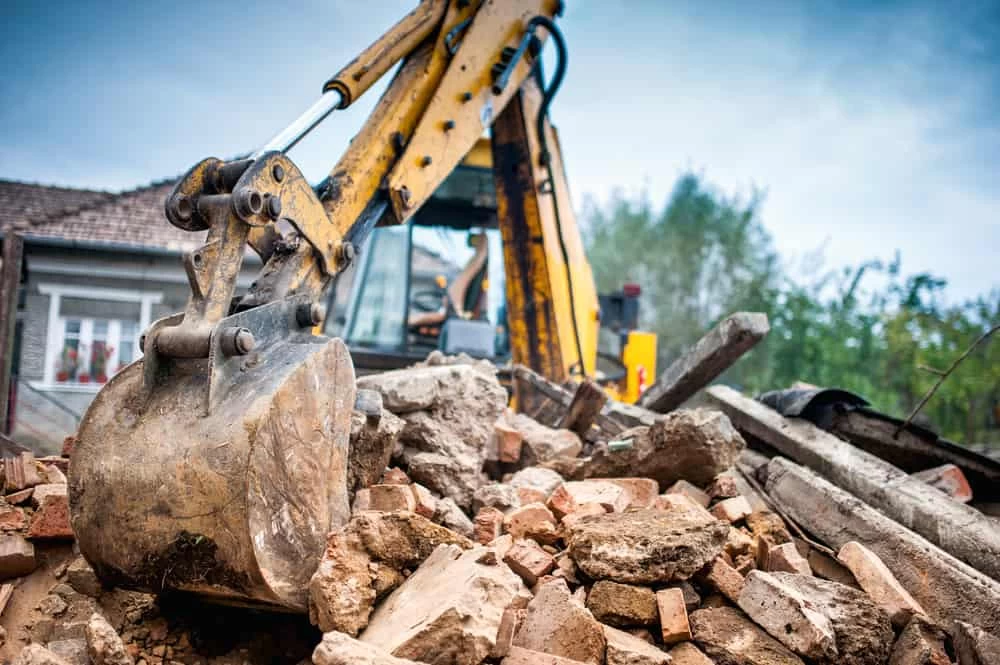
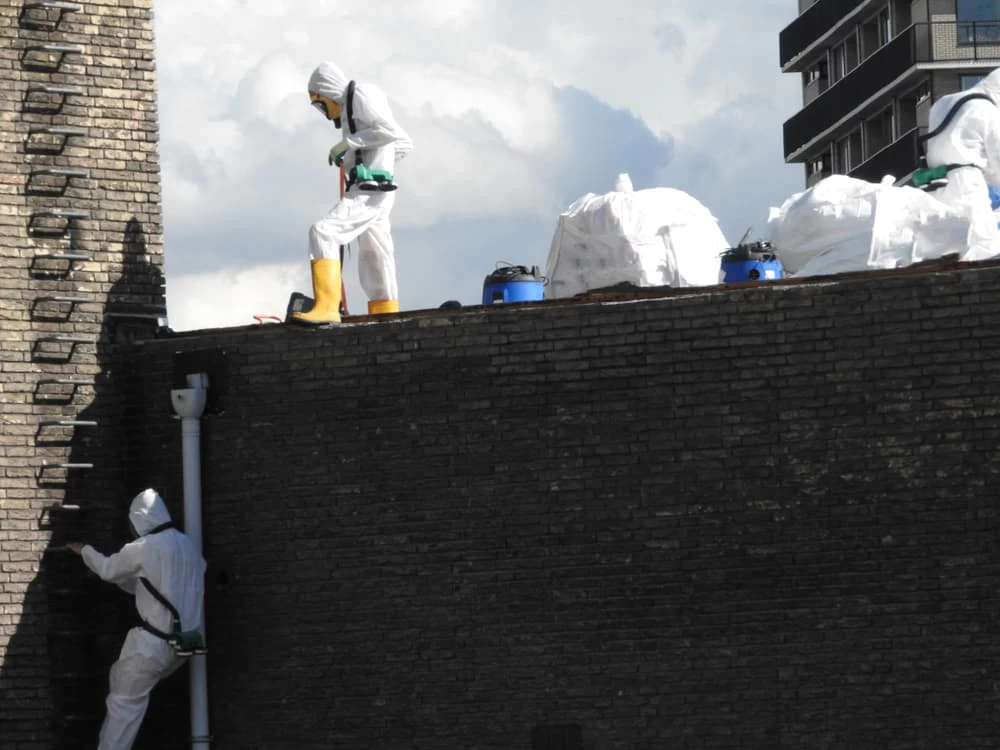
If your home was built when bluestone quarry workers settled this hamlet, there’s a real chance asbestos is somewhere inside it and we’re licensed to find it, remove it, and document it properly.
I needed a professional consultation explanation of procedure for safe removal of Asbestos in my apartment complex. Without having an account yet, I was very impressed with the caring, knowledgeable and generous advice offered by Jessica, and will look forward to doing business in the future. Thank you so much! I feel much more informed about a sometimes scary endeavor. Peace. Nancy Silva Mineola, NY.
Mia Munoz
Used this company to clean up some water flood in my house. They were fast and easy to work with.very professional, Would recommend to anyone!
Nini Valle
Great company, had a flood and they responded quickly and efficiently. Billed my insurance company directly. I highly recommend this company!
joe colapietro, jr
I had pipe freeze in my basement right before a snow storm and they made to within an hour to help start the clean up process. They we by our side throughout the entire process and even helped with the insurance company. They did such a great job with the cleanup, repair, remidiation, I contracted them to perform the repairs and finishes in the basement. They came with enough manpower and material to get the job done. Leo and Jessica were nothing but a pleasure to deal with!!
Cristian Arredondo c
I had some water damage in my home and Green Island was able to take care of my issue quickly and effectively. I am very pleased with the work they did. They responded quickly and were very professional.
Michael M
Outstanding service! From the office to the field crew everyone was friendly, helpful and responsive. I highly recommend Green Island Group.
Your renovation moves forward. Your home passes inspection. You stop wondering what’s behind the walls of a Quarryville house that’s been standing since the 1800s. That’s the real outcome not just a clean air test, but a project that’s no longer stuck.
Quarryville’s housing stock is some of the oldest in Ulster County. Homes built for quarry workers along the Route 32 corridor were updated through the mid-20th century, which means layers of asbestos-containing materials are common floor tile mastic, pipe insulation, popcorn ceilings, joint compound. The freeze-thaw winters here don’t help. Pipes that freeze and burst can disturb insulation that’s been stable for decades, turning a plumbing problem into an air quality emergency without anyone realizing it.
Once abatement is done correctly with post-clearance air monitoring and proper documentation you have a paper trail that satisfies the Town of Saugerties building department, your insurance company, and your real estate attorney. That documentation isn’t a bonus. Under New York State law, it has to be maintained for 30 years. Getting it right the first time means you’re not revisiting this problem later.
We’re based at 1029 Kings Hwy in Saugerties the same town that governs Quarryville. This isn’t a regional franchise routing calls through a dispatch center. We’re a local team that has worked inside the older homes along Route 32, understands what the Town of Saugerties permit process actually requires, and knows what to expect when we open a wall in a Quarryville house built for 19th-century quarry laborers.
The NYS Department of Labor Asbestos Handling License is the credential that separates legal abatement from illegal removal in New York State. We hold it. We’re also licensed for mold remediation, lead abatement, water damage restoration, and demolition which matters in older homes where asbestos rarely shows up alone.
If your project involves insurance, we bill directly. If it involves permits, we handle the paperwork. The goal is to remove every administrative obstacle between you and a finished project.
From Suspected Material to Cleared Air Here's the Process
It starts with an assessment. Before any work begins, the suspected materials get identified whether that’s floor tiles and black mastic, pipe wrap around an old boiler, a textured ceiling, or roofing material on a structure that predates modern building codes. In the Town of Saugerties, code enforcement requires an asbestos survey before demolition or renovation permits are issued, so this step isn’t optional it’s part of the permit process.
Once the scope is confirmed, the abatement area gets contained and sealed off from the rest of the property. Our workers hold current NYS DOL certification, and the removal follows the protocols set by New York State Industrial Code Rule 56. Nothing gets disturbed without proper containment in place, and all asbestos waste is packaged, transported, and disposed of according to NYSDEC regulations not dropped in a dumpster.
After removal, post-abatement air monitoring is performed to confirm the space meets clearance standards. You receive written documentation of those results. That’s the paperwork your contractor needs to proceed, your insurance company may require for the claim, and the record that stays with the property. For a Quarryville home changing hands or completing a permitted renovation, that documentation is the difference between a clean closing and a delayed one.
Our asbestos abatement services cover the full range of materials common in Quarryville’s older homes 9×9 floor tiles and the black mastic adhesive underneath them, pipe and boiler insulation, popcorn and textured ceilings, joint compound on plaster walls, and roofing or siding materials on structures that date back to the quarrying era. Each material type has a different removal process, and each one requires the same licensed handling and post-clearance documentation.
Beyond the physical removal, we manage the NYS Asbestos Control Bureau project notification, coordinate with the Town of Saugerties building department, and handle the post-abatement air monitoring that New York State requires. If your asbestos discovery is tied to a water damage event a burst pipe in a Quarryville winter, for example we can bring in the mold remediation and water damage restoration work under the same project. One call, one team, one documented scope.
If you’re selling a home in the Saugerties area, the clearance certificate that comes out of this process is what your real estate attorney and the buyer’s inspector are going to ask for. If you’re mid-renovation, it’s what your GC needs before the next phase starts. The service isn’t just removal it’s the documentation that proves it was done right.
Does my Quarryville home actually need a licensed contractor for asbestos removal?
In New York State, yes and the threshold is lower than most people expect. Any asbestos disturbance that covers 10 square feet or more, or 25 linear feet or more of pipe insulation, legally requires a contractor holding a NYS Department of Labor Asbestos Handling License. That’s not a recommendation. It’s a requirement enforced by the NYS Asbestos Control Bureau under Industrial Code Rule 56.
For a home in Quarryville where the building stock includes structures from the 1880s and 1890s updated with mid-century materials it’s almost impossible to do meaningful renovation work without crossing that threshold. A single room of floor tile removal, one section of pipe insulation, or a popcorn ceiling in a modest-sized bedroom can easily exceed those limits. Hiring an unlicensed contractor isn’t just a legal risk for them it creates liability for you as the property owner, and it leaves you without the post-abatement documentation that NYS law requires to be kept for 30 years.
How much does asbestos removal typically cost for a home in Ulster County?
For a standard residential project in the Hudson Valley, most homeowners are looking at somewhere between $1,300 and $3,100 depending on the scope what materials are involved, how much square footage, and how accessible the work area is. Larger jobs involving pipe insulation throughout an older Quarryville home, boiler wrap, or multiple material types across several rooms can push into the $5,000 to $15,000 range or higher.
New York pricing runs about 8 to 12 percent above national averages because of the regulatory requirements specific to this state licensed workers, ACB project notification, post-abatement air monitoring, and proper waste disposal under NYSDEC rules. Those aren’t upsells. They’re part of what makes the job legal and documented. The air monitoring and clearance certificate that come at the end of a properly run project are worth factoring into your budget from the start, because they’re what your contractor, your insurance company, and your real estate attorney are going to ask for.
What are the most common places asbestos shows up in older Quarryville homes?
In homes built along the Route 32 corridor in the Town of Saugerties including Quarryville the most common materials are 9×9 inch vinyl floor tiles and the black adhesive mastic beneath them, pipe and boiler insulation (especially in homes with older steam or hot water heating systems), textured and popcorn ceilings applied during 1960s and 1970s renovations, and joint compound used on plaster walls during the same era. Roofing shingles and exterior siding on older structures can also contain asbestos.
The layered nature of Quarryville’s housing stock is what makes this complicated. A home built in the 1890s for quarry workers may have original construction materials, plus renovation layers from the 1940s and 1960s, plus cosmetic updates from the 1970s and each layer can contain different asbestos-containing products. The only way to know for certain what you’re dealing with is professional sampling and lab analysis before any work begins. Guessing based on visual inspection isn’t reliable, and disturbing an unknown material without testing first creates an exposure risk that’s entirely avoidable.
Can I renovate my home in Quarryville without an asbestos test first?
You can start, but you may not be able to finish legally. The Town of Saugerties, like most New York municipalities, requires an asbestos survey before issuing demolition or renovation permits on older structures. If asbestos is found, abatement has to be completed by a licensed contractor before the permitted work can proceed. Skipping the test doesn’t eliminate the requirement it just means you may discover the issue mid-project, which is a more expensive and disruptive scenario than addressing it upfront.
Beyond the permit process, there’s a practical risk. Renovating without testing means your contractor and anyone else on-site could be disturbing asbestos-containing materials without knowing it. In New York State, that’s a regulatory violation, and the liability falls on the property owner. For a Quarryville home with a building history that stretches back to the 19th century, the probability of encountering asbestos during any significant interior work is high enough that testing before you start is the straightforward move.
What happens if a burst pipe in my home disturbs asbestos-containing insulation?
This is one of the more common emergency scenarios in Quarryville and the broader Saugerties area, particularly in winter. Older homes with steam or hot water heating systems often have pipe insulation that contains asbestos. When a pipe freezes and bursts which happens regularly in homes that drop below 55 degrees during cold stretches the resulting water damage and physical disruption can break apart that insulation and release fibers into the air. At that point, you’re dealing with a water damage event and an asbestos disturbance simultaneously.
The right move is to stop work, limit access to the affected area, and call a licensed abatement contractor before any cleanup or repair begins. We handle both the asbestos abatement and the water damage restoration, which matters because mold can begin developing within 24 to 48 hours of a water event. Getting one team on-site quickly rather than coordinating two separate contractors reduces total exposure time and keeps the project from compounding into a larger problem.
How long does asbestos abatement take for a typical home in Quarryville, NY?
For most residential projects a section of floor tile, a popcorn ceiling in one or two rooms, or a contained area of pipe insulation the active abatement work typically takes one to three days. Larger scopes involving multiple material types, whole-house pipe wrap, or structures with significant square footage can run longer. The timeline depends on what’s being removed, how accessible it is, and whether any complications come up once the containment is in place.
What adds time on the back end is the post-abatement air monitoring and clearance process. After removal is complete, air samples are taken and analyzed to confirm the space meets clearance standards before containment comes down. That process adds time to the overall project, but it’s not optional under NYS Industrial Code Rule 56 and it’s the documentation you need before your renovation contractor can return to the site. For Quarryville homeowners working against a renovation timeline or a real estate closing date, building that clearance window into your schedule from the start avoids last-minute delays.