Rego Park's Older Buildings Hide What Most Renovations Uncover
Most asbestos problems in Rego Park don’t announce themselves they show up mid-renovation, behind a wall, under a floor tile, or wrapped around a pipe. We handle asbestos abatement from the first inspection to the final air clearance certificate, so your project doesn’t stay stuck.
I needed a professional consultation explanation of procedure for safe removal of Asbestos in my apartment complex. Without having an account yet, I was very impressed with the caring, knowledgeable and generous advice offered by Jessica, and will look forward to doing business in the future. Thank you so much! I feel much more informed about a sometimes scary endeavor. Peace. Nancy Silva Mineola, NY.
Mia Munoz
Used this company to clean up some water flood in my house. They were fast and easy to work with.very professional, Would recommend to anyone!
Nini Valle
Great company, had a flood and they responded quickly and efficiently. Billed my insurance company directly. I highly recommend this company!
joe colapietro, jr
I had pipe freeze in my basement right before a snow storm and they made to within an hour to help start the clean up process. They we by our side throughout the entire process and even helped with the insurance company. They did such a great job with the cleanup, repair, remidiation, I contracted them to perform the repairs and finishes in the basement. They came with enough manpower and material to get the job done. Leo and Jessica were nothing but a pleasure to deal with!!
Cristian Arredondo c
I had some water damage in my home and Green Island was able to take care of my issue quickly and effectively. I am very pleased with the work they did. They responded quickly and were very professional.
Michael M
Outstanding service! From the office to the field crew everyone was friendly, helpful and responsive. I highly recommend Green Island Group.
When asbestos turns up in a Rego Park co-op or apartment, the project doesn’t just pause it stops completely until the right documentation is in place. The NYC Department of Buildings won’t issue a renovation permit for any pre-1987 building without an ACP-5 Asbestos Certification Form. That’s a hard stop. What you need is a licensed contractor who understands that process and can move through it without dragging your timeline out further.
Rego Park’s housing stock is almost entirely pre-1987 construction the Art Deco co-ops along Queens Boulevard, the mid-century brick mid-rises on 63rd Drive, the Tudor-style homes on the quieter residential streets. These buildings were constructed during the decades when asbestos was standard in floor tiles, pipe insulation, ceiling plaster, and joint compound. That’s just the reality of where you live and what’s inside these walls.
Once abatement is complete, you get more than a clean space. You get the post-removal air clearance certificate your co-op board and the DOB actually need to let your project move forward. That piece of paper is the outcome. Everything we do is built around delivering it correctly, completely, and without shortcuts.
The Credentials That Let You Work Legally in Rego Park
We hold the full credential stack required to perform asbestos abatement legally in New York City NYS DOL Asbestos License, NYC General Contractor License, USEPA Lead/RRP Certification, and NYC BIC Trade Waste registration. Not every contractor quoting asbestos removal in Rego Park actually holds all of these. In New York City’s regulatory environment, that gap is the difference between a completed project and a DOB stop-work order.
Beyond licensing, we are a NYS and NYC certified MBE/WBE which matters for commercial property managers and public-sector projects in Queens Community District 6 that carry diversity spend requirements. And because older Rego Park buildings often contain both asbestos and lead paint in the same spaces, our USEPA Lead/RRP certification means both hazards can be addressed under one contractor, one visit, and one compliance process.
We bring the same licensed, documented approach to a single co-op unit on 63rd Drive as to a multi-unit building on Queens Boulevard. The size of the job doesn’t change the standard.
From Discovery to Clearance Here's What Actually Happens
It usually starts with a call. Something came up during a renovation floor tiles that look like the 9×9 vinyl composite type common in pre-war Rego Park buildings, pipe insulation that’s deteriorating, a ceiling texture that wasn’t in the original scope. We start with a proper inspection by a certified asbestos investigator to confirm what’s present and where. No assumptions, no guesswork.
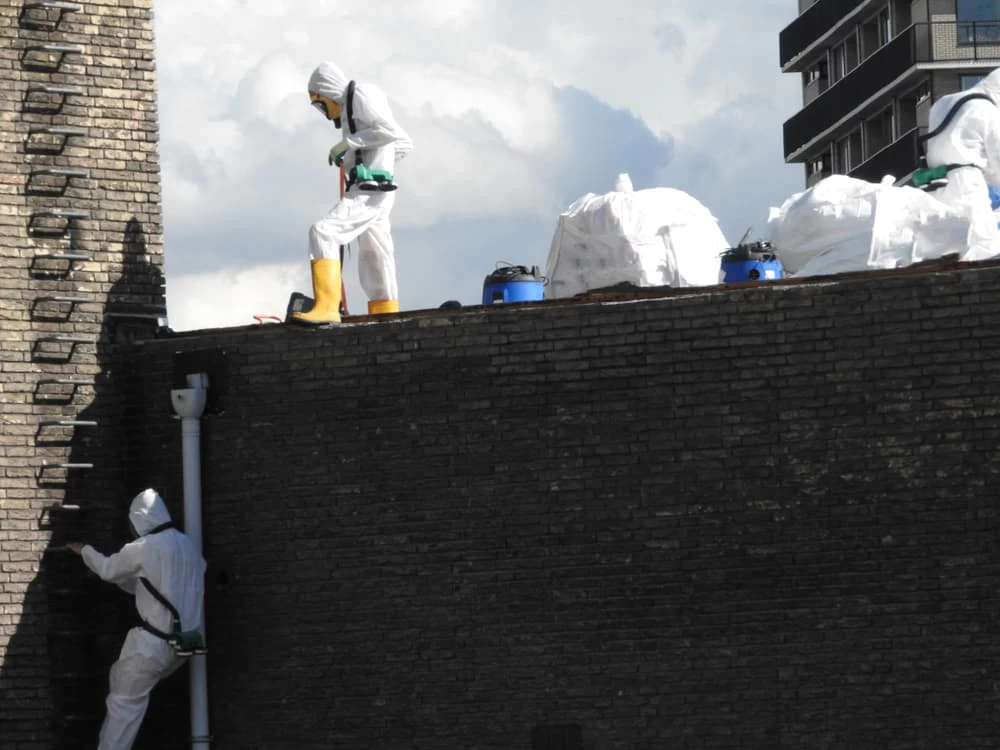
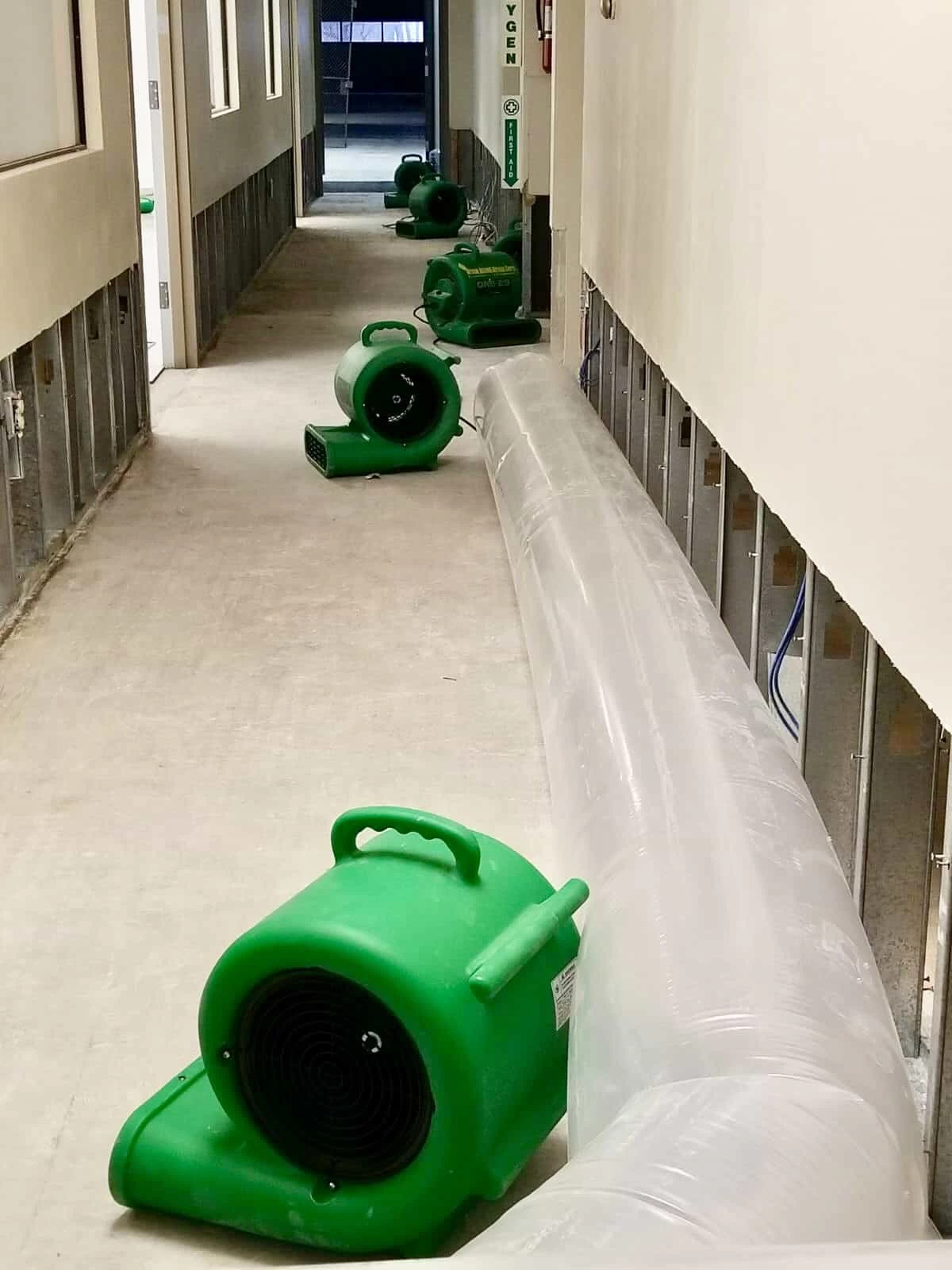
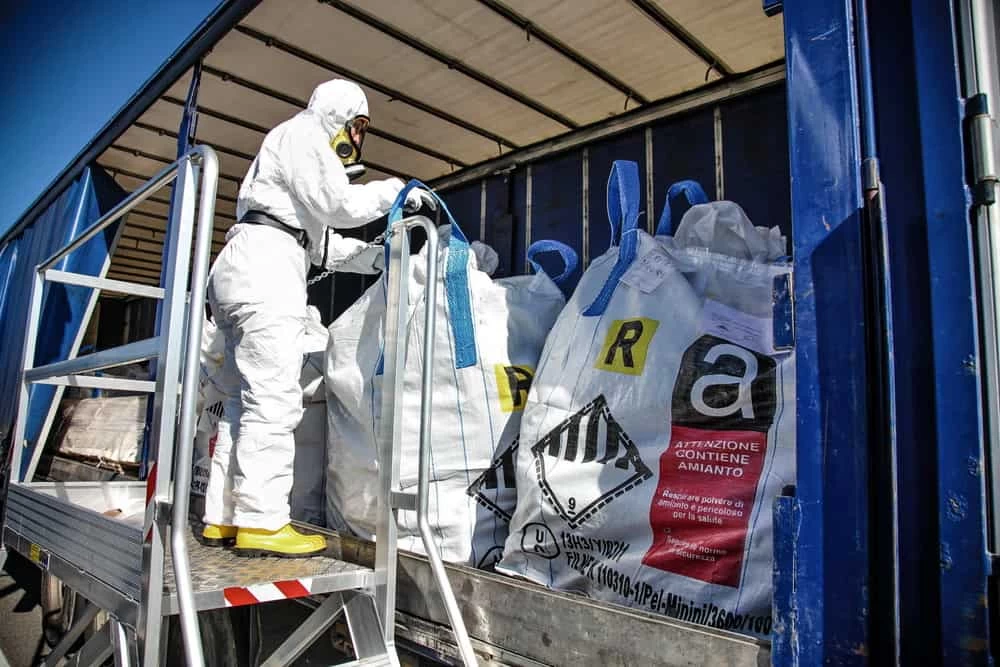
If asbestos-containing materials are confirmed, the abatement process begins with full containment sealed work areas, negative air pressure, and Microtrap air scrubbers running throughout. In a dense Rego Park co-op or apartment building, that containment matters for more than just your unit. It protects neighboring units and common areas, which is exactly what your building board is going to ask about before they approve anything.
After removal, air clearance testing confirms that fiber levels meet regulatory standards. That result gets documented, and you receive the clearance certificate you need to satisfy the NYC DOB’s ACP-5 requirement and move your renovation permit forward. For projects where water damage is also involved a common scenario in Rego Park’s older building stock we can carry the work straight through to reconstruction, so you’re not coordinating a second contractor to finish what the abatement started.
Every Material, Every Surface Covered Under One Roof
Asbestos doesn’t limit itself to one spot in a building. In Rego Park’s pre-war and mid-century construction, it shows up in floor tiles particularly the 9×9 vinyl composite tiles that were standard in apartments built from the 1930s through the 1960s. It shows up in popcorn and textured ceiling coatings on post-war mid-rises. It wraps around the pipe insulation in heating systems that have been running in these buildings for decades. We handle asbestos tile removal, asbestos popcorn ceiling removal, pipe insulation abatement, and full-scope remediation for residential and commercial properties throughout Rego Park and the surrounding area.
For Rego Park co-op owners specifically, our service includes everything needed to satisfy the NYC DOB and your building board: certified inspection, abatement with proper containment, and the post-removal air clearance verification that produces the ACP-5 documentation your permit application requires. There’s no separate contractor needed for the clearance testing it’s part of the same process.
For property managers handling multi-unit buildings along Queens Boulevard or the 63rd Drive corridor, we also work directly with insurance carriers when asbestos abatement is part of a water damage or pipe-related claim. That means one less coordination burden during an already complicated situation.
Do I need an asbestos inspection before renovating my Rego Park co-op?
Yes and in New York City, this isn’t optional. The NYC Department of Buildings requires an ACP-5 Asbestos Certification Form before it will issue a renovation or alteration permit for any building constructed before 1987. Virtually every co-op and apartment building in Rego Park falls into that category. The ACP-5 must be completed by a certified asbestos investigator and submitted as part of your permit application. Without it, the DOB won’t issue the permit, and your co-op board won’t approve the work.
The practical implication is that if you’re planning a kitchen gut, a bathroom renovation, or any work that involves opening walls, replacing flooring, or disturbing ceiling materials, you need to get an asbestos assessment done before your general contractor touches anything. Discovering asbestos after demolition has already started creates a much more complicated and expensive situation than addressing it upfront. A quick inspection before work begins is almost always the faster and cheaper path.
What materials in older Rego Park apartments are most likely to contain asbestos?
In Rego Park’s pre-war and mid-century buildings, the most commonly found asbestos-containing materials are 9×9 inch vinyl composite floor tiles, the black mastic adhesive used to install them, pipe and boiler insulation, spray-applied ceiling texture (often called popcorn ceiling), joint compound used in drywall finishing, and roofing felts. Buildings constructed from the 1920s through the late 1970s used asbestos across all of these applications because it was inexpensive, fire-resistant, and widely available.
The tricky part is that you can’t identify asbestos by looking at it. A floor tile that appears perfectly intact can still contain asbestos and sanding, cutting, or prying it up without testing first releases fibers into the air. The only way to know for certain is laboratory testing of a collected sample by a certified inspector. If your Rego Park building was built before 1987 and you’re planning any work that disturbs building materials, assume testing is required before you start.
How long does asbestos abatement typically take in a Rego Park apartment or co-op unit?
For a single Rego Park co-op unit say, floor tile removal in a kitchen or bathroom, or pipe insulation abatement near a riser the abatement work itself typically takes one to three days, depending on the scope and the quantity of material involved. Larger projects, like full-unit remediation or work involving multiple rooms and material types, can run longer. The timeline also includes setup time for containment and negative air pressure systems, which have to be in place before any material is disturbed.
What most people don’t account for is the post-abatement air clearance testing period. After the physical removal is complete, air samples are collected and analyzed to confirm fiber levels are below regulatory thresholds. That testing process adds time before the space can be reoccupied and before the clearance certificate is issued. For a Rego Park co-op renovation, that clearance certificate is what unlocks the next phase of your project so the total timeline from start to documented clearance is the number that actually matters for your renovation schedule.
A pipe burst in my Rego Park building and now there's asbestos involved what happens next?
This is one of the most common scenarios in Rego Park’s older building stock. When a pipe bursts in a pre-war or mid-century Rego Park building and remediation work begins opening walls, removing insulation, repairing ceilings there’s a real chance the materials being disturbed contain asbestos. At that point, the water damage remediation has to pause until the asbestos component is assessed and addressed properly. Continuing the work without doing so is a regulatory violation and a health risk.
The good news is that we handle both sides of this situation. Asbestos abatement and water damage restoration are both part of our service offering, which means you’re not trying to coordinate two separate contractors with two separate schedules while your unit sits open. We also have experience working directly with insurance carriers on claims that involve asbestos abatement as part of a covered water loss so if you’re navigating an active insurance claim, that process can be handled as part of the same engagement rather than as a separate headache on top of everything else.
Is asbestos popcorn ceiling removal in a Rego Park apartment something I can do myself?
No and in New York City, doing it yourself isn’t just inadvisable, it’s illegal. NYC DEP regulations require that asbestos abatement in any building be performed by a licensed asbestos contractor. This applies to owner-occupied co-op units, rental apartments, and commercial spaces equally. Spray-applied ceiling texture the popcorn or acoustic coating common in Rego Park’s post-war mid-rises from the 1950s through the 1970s frequently contains asbestos, and scraping it releases fibers directly into the air.
Beyond the health risk, doing the work yourself or hiring an unlicensed contractor creates a serious compliance problem. If your co-op board or the NYC DOB discovers that asbestos was disturbed without proper abatement and documentation, you can face fines, a stop-work order, and a requirement to remediate the space again this time correctly and at your expense. The cost of doing it right the first time is almost always less than the cost of fixing an unlicensed removal after the fact.
How much does asbestos abatement cost for a residential property in Rego Park, NY?
For most residential asbestos abatement projects in Rego Park a single room of floor tile removal, a section of pipe insulation, or popcorn ceiling abatement in one or two rooms costs typically range from $2,200 to $6,000. Larger projects or whole-unit remediations can run higher depending on the square footage, the number of material types involved, and the complexity of containment required in a multi-unit building. The post-removal air clearance testing is included in our process, so that cost is not a separate line item you’ll be surprised by at the end.
It’s worth putting that number in context. For a Rego Park co-op renovation with a total budget of $40,000 to $80,000, the asbestos abatement is typically a small fraction of the overall spend and it’s the piece that determines whether the rest of the project can legally proceed. Skipping it or cutting corners doesn’t save money; it creates permit delays, potential fines, and the possibility of having to redo work. The clearance certificate you receive at the end of the process is what makes everything else possible.