Riverhead's Older Buildings Deserve More Than a Generic Crew
From downtown’s historic district to the ranch homes in Calverton, asbestos abatement in Riverhead requires someone who actually knows what they’re walking into. We’ve worked across this town long enough to recognize the patterns the 9×9 floor tiles in mid-century kitchens, the popcorn ceilings that went up during the 1960s and 70s, the pipe insulation wrapped around basement boilers in homes built when asbestos was standard. That familiarity matters when you’re trying to get the job right the first time.
I needed a professional consultation explanation of procedure for safe removal of Asbestos in my apartment complex. Without having an account yet, I was very impressed with the caring, knowledgeable and generous advice offered by Jessica, and will look forward to doing business in the future. Thank you so much! I feel much more informed about a sometimes scary endeavor. Peace. Nancy Silva Mineola, NY.
Mia Munoz
Used this company to clean up some water flood in my house. They were fast and easy to work with.very professional, Would recommend to anyone!
Nini Valle
Great company, had a flood and they responded quickly and efficiently. Billed my insurance company directly. I highly recommend this company!
joe colapietro, jr
I had pipe freeze in my basement right before a snow storm and they made to within an hour to help start the clean up process. They we by our side throughout the entire process and even helped with the insurance company. They did such a great job with the cleanup, repair, remidiation, I contracted them to perform the repairs and finishes in the basement. They came with enough manpower and material to get the job done. Leo and Jessica were nothing but a pleasure to deal with!!
Cristian Arredondo c
I had some water damage in my home and Green Island was able to take care of my issue quickly and effectively. I am very pleased with the work they did. They responded quickly and were very professional.
Michael M
Outstanding service! From the office to the field crew everyone was friendly, helpful and responsive. I highly recommend Green Island Group.
You get your project back. Whether you’re mid-renovation in a Jamesport Victorian, converting an old farmhouse near Aquebogue into something new, or dealing with a home inspection that just flagged your floor tiles before closing the moment asbestos is confirmed, everything stops. Permits get held. Contractors walk off. Timelines collapse. Getting it handled correctly is the only way forward.
Riverhead’s building stock is genuinely older and more varied than most towns on Long Island. The downtown hamlet has 19th-century commercial buildings. Calverton and Wading River are full of mid-century ranches and capes built during the exact window when asbestos was standard in floor tiles, pipe insulation, and spray-applied ceiling texture. That heterogeneous mix means asbestos can show up in more forms here than in a newer suburban town and missing one type during removal creates real liability.
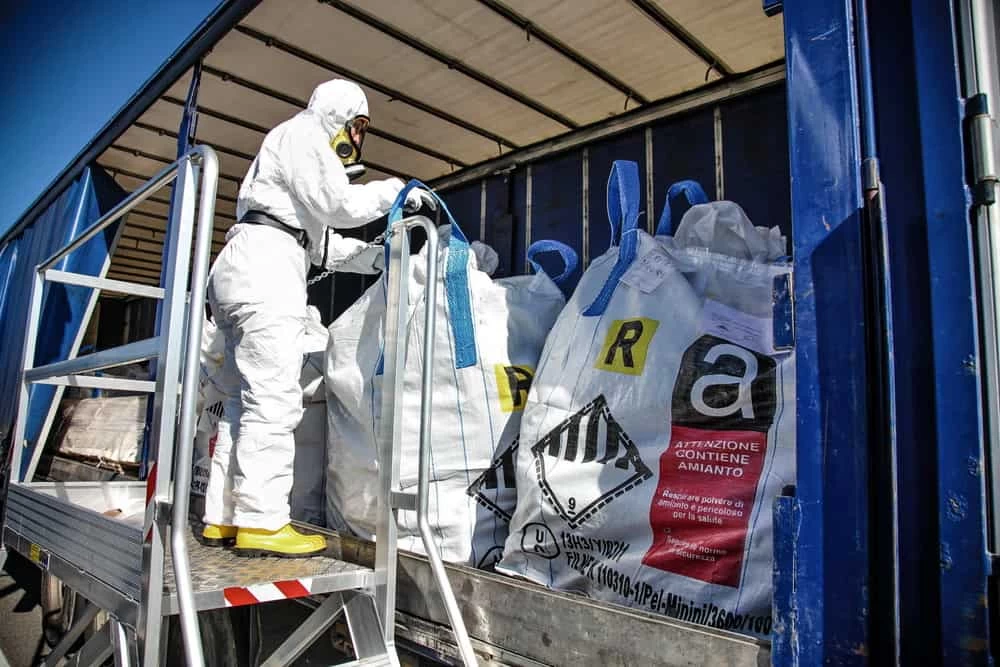
When we complete the work correctly, you get documentation that actually moves things forward: air clearance reports, waste disposal manifests, and a project completion certificate that the Riverhead Building Department, your lender, and your real estate attorney will accept. No rework. No delays. Just a clean result and a clear path to whatever comes next.
Licensed, Local, and Already Working in This Market
We’re a Long Island-based environmental services company not a national chain with a local phone number. Our team has worked across the full range of Riverhead’s property types, from older commercial buildings along Route 25 in the historic district to industrial structures at the Enterprise Park in Calverton. That local experience matters when you’re trying to scope a job accurately and avoid surprises.
Every technician on our sites holds the required New York State Department of Labor certifications. Every project we handle follows EPA NESHAP and OSHA protocols from start to finish. And every job comes with the full documentation package that Suffolk County and the Riverhead Building Department require before a permit gets issued or a transaction closes.
This isn’t a company stretching to cover an unfamiliar market. Riverhead is part of the territory we know and the work reflects that.
Asbestos Abatement Process for Riverhead Properties
No Surprises Here's Exactly How the Job Gets Done
It starts with an inspection. Before anything is touched, a certified inspector surveys the property and identifies any asbestos-containing materials floor tiles, pipe insulation, popcorn ceilings, roofing materials, joint compound, whatever’s present. In Riverhead, that list can be longer than expected, especially in pre-1980 construction where multiple renovation layers have stacked up over the decades.
From there, we develop a project plan and, where required, file a notification with the New York State Department of Labor. Any project disturbing more than 160 square feet of ACMs triggers that requirement and skipping it isn’t an option if you want your permits to hold. The Riverhead Building Department will not issue a full demolition permit without confirmed asbestos status, so this step protects your timeline, not just your compliance record.
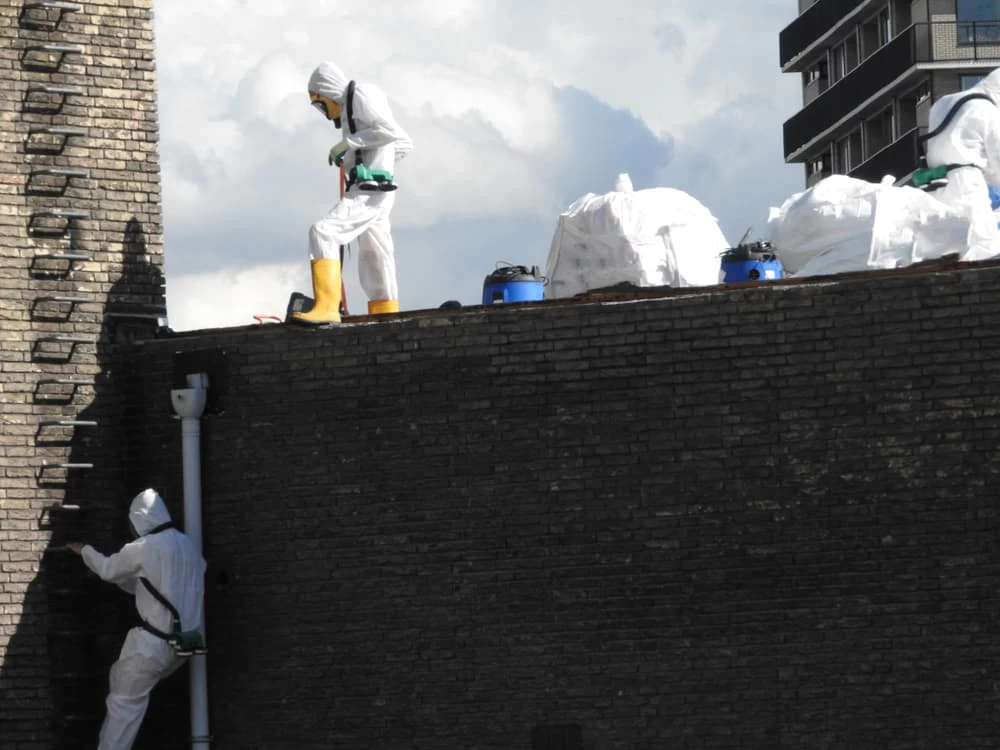
On the day of abatement, we seal and contain the work area, establish negative air pressure, and remove materials using wet methods to prevent fiber release. Air monitoring runs throughout. Once removal is complete, a clearance test is conducted by an independent monitor not our crew. When the air sample clears, you get your documentation and the area is released. That’s the job, done correctly.
Every ACM Type Found in Riverhead Properties Covered
Asbestos doesn’t show up in just one form. In Riverhead’s older housing stock, the most common discoveries are 9×9 vinyl floor tiles the ones installed in kitchens, bathrooms, and basements throughout Calverton, Wading River, and Manorville during the 1950s through the 1970s. We handle asbestos tile removal regularly in this area, and it’s handled with the same containment and air monitoring protocols as any other abatement job.
Popcorn ceiling removal is another common request, particularly in the ranch and cape-style homes built along the Route 58 corridor and throughout the town’s inland hamlets. If your home was built before 1980 and still has the original textured ceiling, there’s a real chance it contains chrysotile asbestos. Disturbing it without proper containment puts everyone in the building at risk and a general contractor isn’t licensed to handle it.
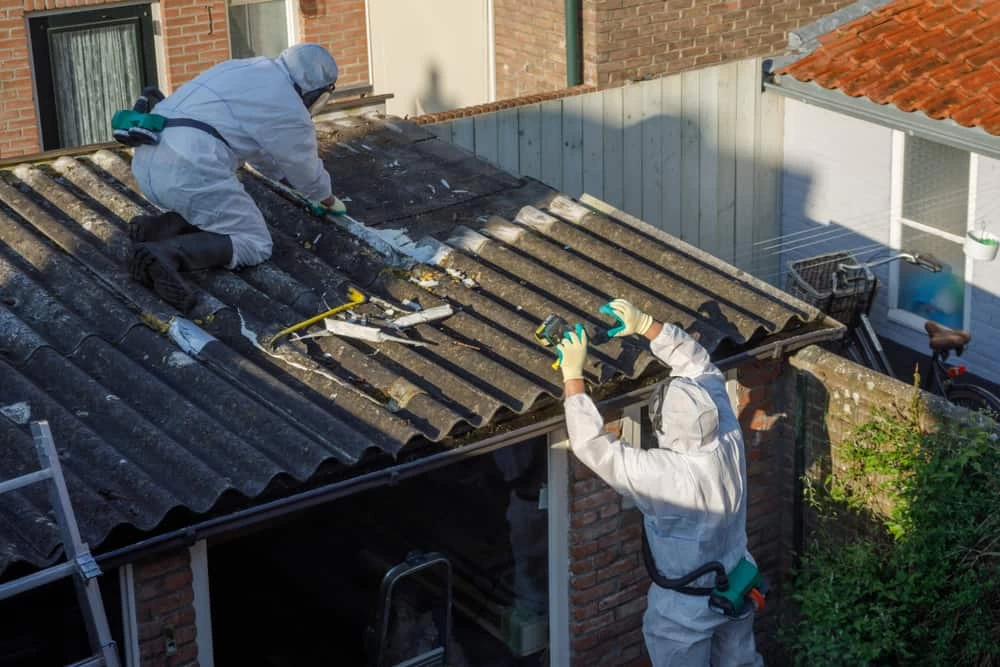
We also handle pipe and boiler insulation removal, roofing material abatement, joint compound, and textured wall coatings the full range of ACM types found across Riverhead’s commercial, residential, and industrial properties. For larger commercial or institutional projects, including properties tied to the ongoing EPCAL redevelopment in Calverton, we have the capacity and credentials to handle complex, multi-phase abatement with the regulatory documentation those projects require.
Does my Riverhead home actually need a licensed contractor for asbestos removal?
Yes and in New York, this isn’t a gray area. The state requires that any asbestos abatement disturbing more than 10 square feet of material be performed by a contractor holding a valid NYSDOL Asbestos Handler Certificate. For projects exceeding 160 square feet, the contractor must also file a notification with the New York State Department of Labor before work begins. Hiring an unlicensed crew or attempting DIY removal can result in permit denial, stop-work orders, fines, and serious legal liability if anyone is exposed.
In Riverhead specifically, the Building Department requires documentation of asbestos status before issuing a full demolition permit. If you’re renovating or demolishing any pre-1980 structure in town, you’ll need a licensed contractor’s paperwork to keep your project moving. The cost of doing it right upfront is significantly less than the cost of undoing an unlicensed job.
How do I know if the floor tiles or ceiling in my home contain asbestos?
You can’t tell by looking. Asbestos fibers are microscopic, and the materials that contain them floor tiles, textured ceilings, pipe wrap, joint compound look completely normal. The only way to know for certain is to have a sample collected and analyzed by an accredited laboratory.
In Riverhead, the homes most likely to contain asbestos-containing materials are those built between roughly 1940 and 1980. That covers a significant portion of the housing stock in the Riverhead hamlet, Calverton, Wading River, and Manorville. The 9×9 vinyl floor tiles common in mid-century kitchens and basements are a particularly frequent find, as are spray-applied popcorn ceilings installed during the 1960s and 70s. If your home falls in that age range and you’re planning any renovation work, an inspection before you start is the right call not after your contractor has already disturbed the material.
What happens if asbestos is found during a home inspection before closing in Riverhead?
It’s more common than most buyers expect, and it doesn’t have to derail the transaction but it does need to be handled correctly and quickly. When a home inspection flags suspected asbestos-containing materials in a Riverhead property, the next step is confirming through lab testing whether those materials are actually positive. If they are, abatement needs to be completed and documented before the lender, attorney, or buyer will move forward.
The timeline pressure is real. We can mobilize quickly for pre-closing abatement and provide the air clearance certification and documentation that lenders and real estate attorneys require. Riverhead’s rising home values median prices are now approaching $490,000 mean more transactions, more inspections, and more asbestos discoveries at the closing table. Having a licensed contractor who can move fast and deliver clean paperwork is the difference between a deal that closes and one that falls apart.
How long does asbestos abatement take for a typical Riverhead home?
It depends on what’s present and how much of it there is. A focused job say, asbestos tile removal in a single bathroom or a popcorn ceiling in one room can often be completed in a day, with the air clearance sample collected and results returned within 24 to 48 hours. Larger jobs involving multiple rooms, pipe insulation throughout a basement, or a full-floor tile removal in an older home will take longer, typically two to four days for the abatement itself plus clearance time.
For commercial or institutional projects the kind tied to Route 58 renovations, downtown Riverhead building rehabs, or EPCAL redevelopment work in Calverton scope and timeline are established during the pre-abatement survey. NYSDOL notification requirements also factor in, since that filing must be submitted before work begins on larger projects. We’ll give you a realistic timeline upfront so your renovation or transaction schedule isn’t left guessing.
Is asbestos common in Riverhead commercial buildings and older storefronts?
Very common. Riverhead’s downtown historic district listed on the National Register of Historic Places in 2012 contains commercial buildings dating back to the 19th and early 20th centuries. Many of these structures were renovated or updated during the mid-20th century, which means they may contain asbestos in floor tiles, ceiling tiles, pipe insulation, fireproofing materials, and textured wall coatings applied during those later renovation periods.
The Route 58 commercial corridor also has a significant number of older retail and office buildings that predate modern construction standards. As these properties are renovated for new tenants particularly with the investment activity driven by Riverhead’s Opportunity Zone designation asbestos abatement is frequently a required first step before renovation permits can be issued. If you own or manage a commercial property in Riverhead and are planning any interior renovation or demolition, an asbestos survey before you pull permits is the right way to start.
What does asbestos abatement actually cost for a Riverhead property?
Cost varies based on the type of material, the square footage involved, and the complexity of the containment setup required. For a focused residential job one room of asbestos tile removal or a single popcorn ceiling costs typically fall in the range of $1,500 to $3,000, including air monitoring and clearance documentation. Larger whole-home or multi-room projects can run $5,000 to $10,000 or more depending on scope. Commercial and industrial abatement is scoped and priced per project.
What affects cost most in the Riverhead market is the variety of ACM types present in older properties. A home in Jamesport or the Riverhead hamlet that has been through multiple renovation eras may have asbestos in several different materials floor tiles, ceiling texture, pipe insulation, and joint compound all requiring separate handling protocols. An accurate inspection upfront is the only way to scope the job correctly and avoid cost surprises mid-project. We provide a clear, itemized estimate after the inspection so you know exactly what you’re looking at before any work begins.