When Sandy-Era Renovations Uncover More Than You Expected
If your Rockaway Beach bungalow or apartment is due for a gut renovation and someone just said the word “asbestos,” you’re in the right place. We handle the removal, the testing, and the NYC DEP paperwork so your project doesn’t stall on a technicality.
I needed a professional consultation explanation of procedure for safe removal of Asbestos in my apartment complex. Without having an account yet, I was very impressed with the caring, knowledgeable and generous advice offered by Jessica, and will look forward to doing business in the future. Thank you so much! I feel much more informed about a sometimes scary endeavor. Peace. Nancy Silva Mineola, NY.
Mia Munoz
Used this company to clean up some water flood in my house. They were fast and easy to work with.very professional, Would recommend to anyone!
Nini Valle
Great company, had a flood and they responded quickly and efficiently. Billed my insurance company directly. I highly recommend this company!
joe colapietro, jr
I had pipe freeze in my basement right before a snow storm and they made to within an hour to help start the clean up process. They we by our side throughout the entire process and even helped with the insurance company. They did such a great job with the cleanup, repair, remidiation, I contracted them to perform the repairs and finishes in the basement. They came with enough manpower and material to get the job done. Leo and Jessica were nothing but a pleasure to deal with!!
Cristian Arredondo c
I had some water damage in my home and Green Island was able to take care of my issue quickly and effectively. I am very pleased with the work they did. They responded quickly and were very professional.
Michael M
Outstanding service! From the office to the field crew everyone was friendly, helpful and responsive. I highly recommend Green Island Group.
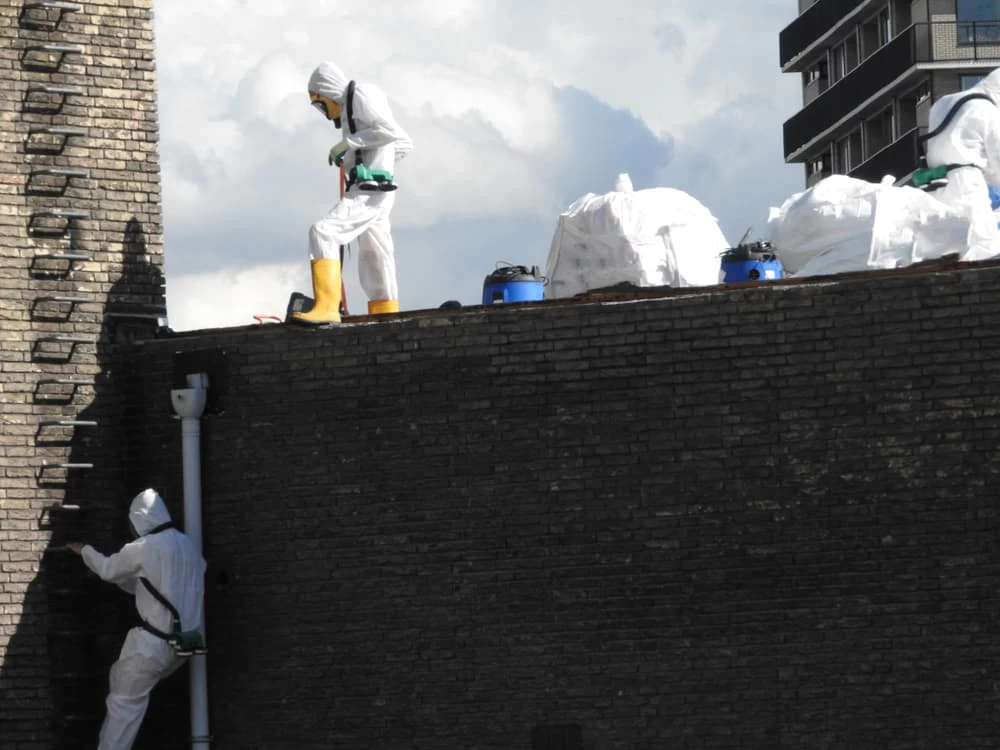
Most people don’t go looking for asbestos. It finds them usually mid-renovation, when a contractor pulls up old floor tiles or cuts into a wall and the job stops cold. On the Rockaway Peninsula, where a huge portion of the housing stock was built between the 1920s and 1960s, that moment happens more often than most homeowners expect. The bungalows along Beach Channel Drive and the mid-century apartment buildings near Beach 90th Street weren’t built with today’s health standards in mind. Asbestos was in the floor tiles, the pipe insulation, the ceiling texture, and the roofing materials and a lot of it is still there.
The Atlantic Ocean location makes things more complicated. Salt air and coastal humidity break down building materials faster than you’d see in an inland neighborhood. What was once stable and contained can become friable meaning it’s crumbling, releasing fibers, and no longer something you can just leave alone. That’s when removal becomes necessary, not optional.
When asbestos abatement is handled correctly, your project gets back on track with documentation that satisfies your contractor, your insurance company, and the NYC Department of Buildings. No permit delays, no regulatory surprises, no second contractor to coordinate. The job gets done, the clearance certificate gets issued, and you move forward.
We hold NYS DOL Asbestos licensure, NYC General Contractor licensing, NYC BIC Trade Waste certification, and USEPA Lead and RRP certification. That last one matters more than most people realize because pre-1978 homes on the Rockaway Peninsula often have both asbestos and lead-based paint in the same structure. Being able to address both hazards under one contractor saves you a significant amount of coordination and cost.
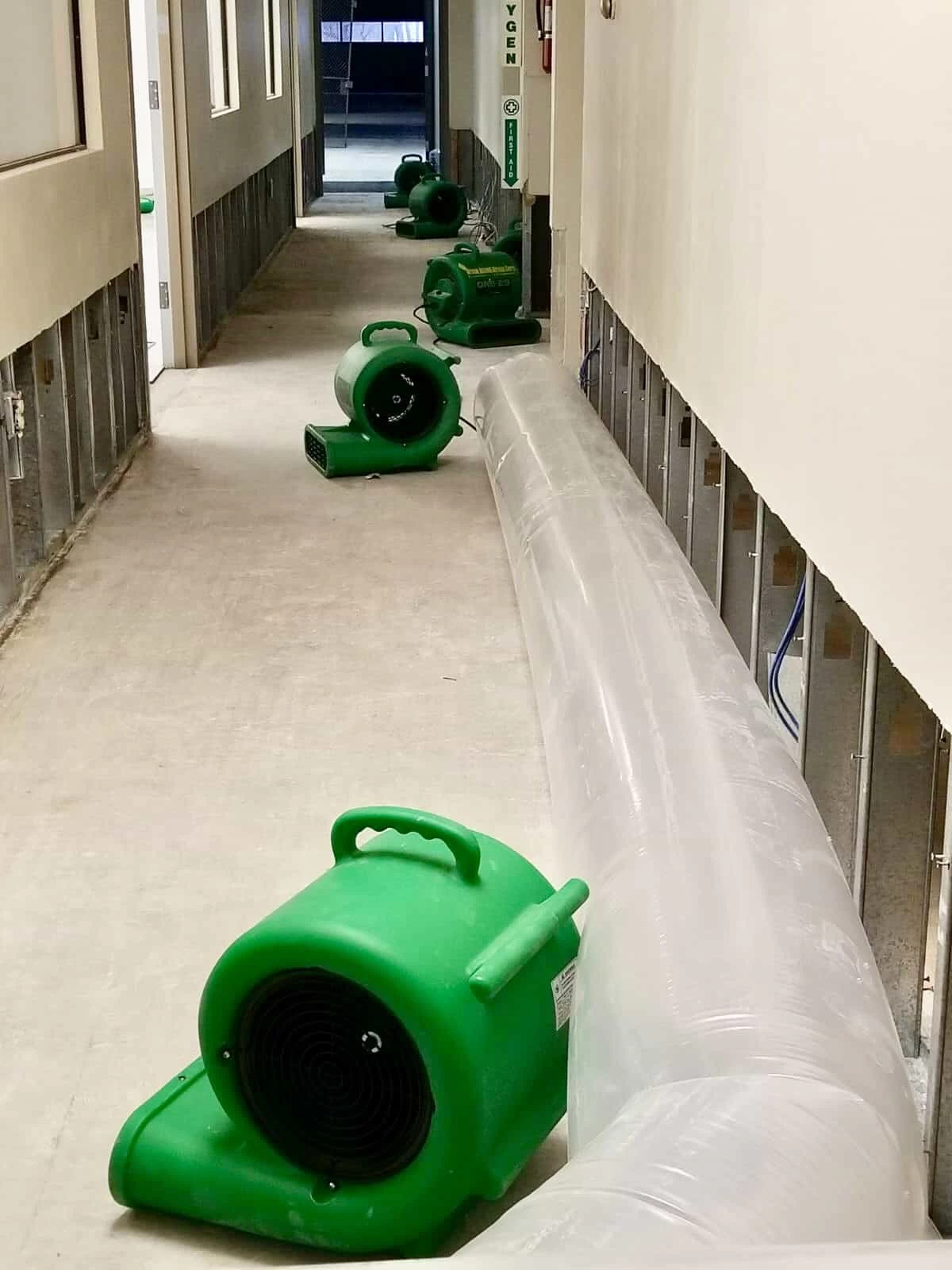
Our team is also IICRC-certified for water and fire damage restoration. On a barrier island that’s still working through post-Sandy rebuilds and faces storm risk every Atlantic hurricane season, the overlap between flood damage and asbestos exposure is real. We can respond to a water event, assess for asbestos, handle the abatement, and carry through to full restoration without handing you off to someone else.
We’re also NYC MWBE, NYS MBE, and NYS WBE certified, which matters for commercial clients and anyone working on government-adjacent projects tied to the ongoing Army Corps of Engineers resiliency work running from Far Rockaway to Riis Beach.
No Guesswork Here's Exactly What Happens When We Handle Your Project
It starts with an inspection by a DEP-certified asbestos investigator. We assess the property, identify any asbestos-containing materials, and determine whether removal or encapsulation is the right call. For most pre-1960s bungalows and mid-century buildings in Rockaway Beach, there’s usually more than one material involved floor tile adhesive, pipe wrap, ceiling texture, and roofing materials are the most common findings on the peninsula.
If removal is required, we handle the ACP-5 and ACP-7 filings through NYC DEP’s ARTS system before any work begins. This is the step that holds up permits at the NYC Department of Buildings and it’s the step most homeowners don’t know exists until their contractor tells them the job is on hold. Getting this paperwork done correctly and on time is what keeps your renovation timeline intact.
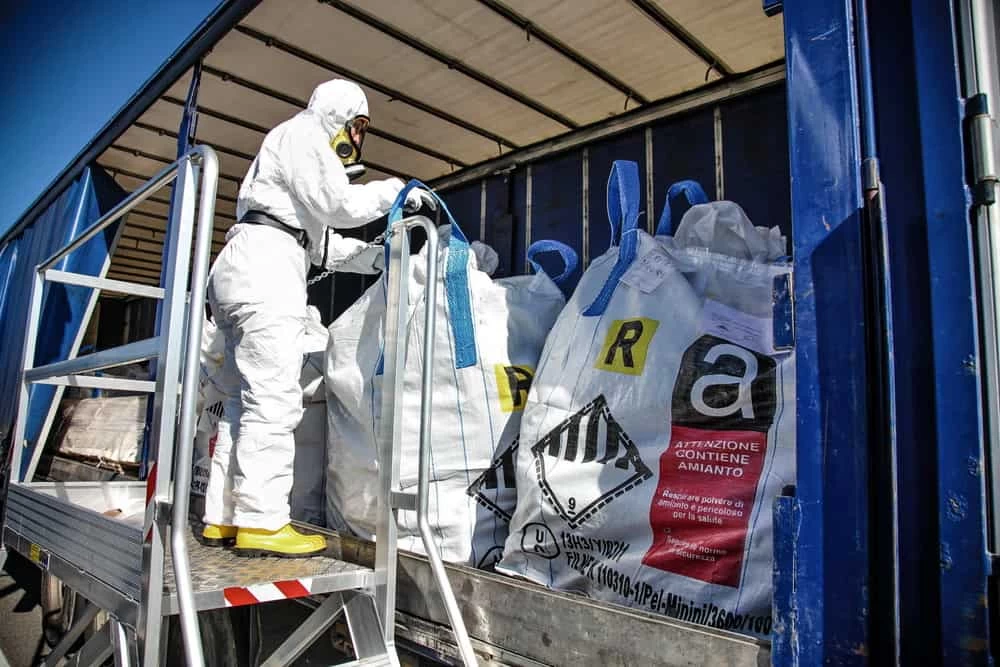
The removal itself is done under containment, following all NYS DOL and NYC DEP protocols. Once the material is out, post-abatement air clearance testing is conducted this is a legal requirement in New York City, not a suggestion. You’ll receive a clearance certificate documenting that the space is safe and the job meets regulatory standards. That certificate is what your DOB permit, your insurance claim, and your real estate closing may all be waiting on.
Asbestos Tile and Ceiling Removal in Rockaway Beach
What's Actually Included When You Call Us
Asbestos abatement in Rockaway Beach covers more ground than most people expect going in. The most common materials we find in the peninsula’s housing stock are vinyl floor tiles and their adhesive especially in converted bungalows that were originally summer homes. Asbestos tile removal requires full containment and proper disposal under NYC DEP protocols, and the adhesive beneath the tile is often just as regulated as the tile itself.
Popcorn ceiling removal is another frequent request, particularly in the mid-century apartment buildings and converted units throughout the neighborhood. If your building was constructed before 1980 and the ceiling texture hasn’t been touched since, there’s a reasonable chance it contains asbestos. The same applies to pipe insulation in older boiler systems a common finding in the two-family homes and bungalows that make up much of Rockaway Beach’s residential inventory.
Every project includes the full regulatory process: DEP-certified inspection, ACP-5 and ACP-7 filings, abatement under containment, and post-removal air clearance testing with documentation. We also bill insurance companies directly which is particularly relevant in a community where storm damage claims and post-flood renovations regularly bring asbestos to the surface. If your project involves water damage, mold, or reconstruction alongside the abatement, that work can be handled under the same contract.
Do I need an asbestos inspection before renovating my Rockaway Beach home?
If your home was built or substantially altered before April 1, 1987, yes it’s not optional. New York City requires an asbestos assessment before the NYC Department of Buildings will issue a renovation or demolition permit. Given that the median construction year for homes in Rockaway Beach is around 1963, and a significant portion of the peninsula’s housing stock predates 1950, this requirement applies to the vast majority of renovation projects in the neighborhood.
The assessment is conducted by a DEP-certified asbestos investigator who inspects the property and documents whether any asbestos-containing materials are present in the areas being renovated. If the area is clear, we complete an ACP-5 form and submit it to the DEP and your permit process can move forward. If asbestos is found, abatement is required before work can proceed. Skipping this step doesn’t make the requirement go away it just means your contractor can’t legally pull the permit, and any work done without it creates liability for you as the property owner.
How much does asbestos removal typically cost for a home in Rockaway Beach?
The range varies depending on what materials are involved and how much square footage needs to be addressed. For a standard residential project floor tile removal, pipe insulation, or a section of popcorn ceiling you’re generally looking at somewhere between $1,500 and $4,000 for a typical Rockaway Beach bungalow or apartment unit. Larger scopes, or projects involving multiple material types across a full gut renovation, will run higher.
A few factors specific to Rockaway Beach tend to affect cost. Coastal humidity and salt air exposure can cause asbestos-containing materials to deteriorate faster than in inland neighborhoods, which sometimes means a larger removal scope than initially expected once the investigator gets eyes on the property. Post-flood situations which are not uncommon on the Rockaway Peninsula can also expand the scope if water has damaged materials that would otherwise have been stable. The inspection will give you a clear picture of what you’re actually dealing with before any work is contracted.
What happens if asbestos is found during a post-Sandy renovation or flood repair?
This is one of the most common scenarios on the Rockaway Peninsula. When storm surge or flood water saturates older building materials floor tiles, wall insulation, ceiling texture it can damage materials that were previously stable and contained. Once those materials are physically compromised, they may become friable, meaning they can release fibers into the air. At that point, abatement is required before any reconstruction work can begin.
FEMA’s own post-Sandy guidance specifically flagged asbestos in flooded buildings as a remediation concern requiring licensed professional response. If you’re in the middle of a flood repair and asbestos is discovered, the project needs to pause until a DEP-certified investigator assesses the scope and the appropriate abatement work is completed. We handle this kind of multi-phase project regularly asbestos abatement followed by water damage restoration and reconstruction under one contract, which avoids the coordination headache of managing separate contractors for each phase of the job.
Does Green Island Group handle the NYC DEP paperwork, or do I have to do that myself?
We handle it. The ACP-5 asbestos assessment report, the ACP-7 project notification, and the ARTS system filings with NYC DEP are all part of the process you don’t need to navigate the city’s regulatory system on your own. This matters more than most homeowners realize until they’re mid-project and find out their DOB permit is on hold because the paperwork wasn’t filed correctly or on time.
For Rockaway Beach specifically, where a large share of homes fall under NYC DEP’s pre-1987 building trigger, this step comes up on nearly every renovation project. The forms themselves aren’t complicated, but the process has specific sequencing requirements the ACP-5 has to be submitted before the permit is issued, and the ACP-7 has to be filed before abatement begins. Getting the order wrong or missing a step delays your project. Having a contractor who does this regularly and knows the system means it gets done right the first time.
Is the popcorn ceiling in my older Rockaway Beach apartment likely to contain asbestos?
If the building was constructed before 1980 and the ceiling texture hasn’t been disturbed or replaced since, there’s a real possibility. Spray-applied acoustic texture what most people call popcorn ceiling was commonly made with asbestos through the late 1970s. It was used heavily in mid-century apartment buildings and in bungalows that were upgraded or converted to year-round use during that era, both of which are common building types throughout Rockaway Beach and the surrounding peninsula neighborhoods.
The only way to know for certain is to have a sample tested by a certified laboratory. Visual inspection alone can’t confirm or rule out asbestos the material has to be analyzed. If the test comes back positive and you’re planning any renovation work that would disturb the ceiling, removal is required under NYC DEP regulations before your contractor can proceed. Asbestos popcorn ceiling removal is one of the more routine abatement jobs it’s well within standard scope but it does require proper containment, licensed removal, and post-abatement air clearance before the space can be reoccupied or refinished.
Can my homeowner's insurance cover asbestos abatement after storm or water damage in Rockaway Beach?
It depends on your policy, but in many cases where asbestos is uncovered as a direct result of a covered loss storm damage, flooding, a burst pipe there’s a legitimate basis for a claim. The key is that the asbestos exposure has to be tied to the covered event, not pre-existing deterioration that was already present before the damage occurred. An adjuster will look at that distinction carefully.
Rockaway Beach homeowners have more experience with this situation than most the peninsula’s storm exposure and the volume of post-Sandy insurance claims means a lot of residents here have already been through the process at least once. We bill insurance companies directly, which means you’re not fronting the cost and waiting for reimbursement. Our team communicates with your adjuster on the scope and documentation, which tends to move the claim forward faster than when a homeowner is managing that back-and-forth themselves. If you’re unsure whether your situation qualifies, a call to discuss the specifics is the fastest way to find out.