Rocky Point's Older Homes Deserve More Than a Guess
If your home was built before 1980, asbestos abatement isn’t a maybe it’s a conversation worth having before you touch a single tile, ceiling, or pipe. We serve Rocky Point homeowners with licensed inspection, removal, and clearance testing handled under one roof.
I needed a professional consultation explanation of procedure for safe removal of Asbestos in my apartment complex. Without having an account yet, I was very impressed with the caring, knowledgeable and generous advice offered by Jessica, and will look forward to doing business in the future. Thank you so much! I feel much more informed about a sometimes scary endeavor. Peace. Nancy Silva Mineola, NY.
Mia Munoz
Used this company to clean up some water flood in my house. They were fast and easy to work with.very professional, Would recommend to anyone!
Nini Valle
Great company, had a flood and they responded quickly and efficiently. Billed my insurance company directly. I highly recommend this company!
joe colapietro, jr
I had pipe freeze in my basement right before a snow storm and they made to within an hour to help start the clean up process. They we by our side throughout the entire process and even helped with the insurance company. They did such a great job with the cleanup, repair, remidiation, I contracted them to perform the repairs and finishes in the basement. They came with enough manpower and material to get the job done. Leo and Jessica were nothing but a pleasure to deal with!!
Cristian Arredondo c
I had some water damage in my home and Green Island was able to take care of my issue quickly and effectively. I am very pleased with the work they did. They responded quickly and were very professional.
Michael M
Outstanding service! From the office to the field crew everyone was friendly, helpful and responsive. I highly recommend Green Island Group.
Rocky Point grew up in two waves summer cottages from the late 1920s that families eventually converted to year-round homes, and postwar ranch houses built through the 1960s and 70s. That history is part of what makes this hamlet special. It’s also why a significant portion of the housing stock here carries asbestos-containing materials that most homeowners haven’t thought twice about. Vinyl floor tiles in the basement, popcorn ceilings in the bedrooms, pipe wrap on the old oil boiler these aren’t rare finds in Rocky Point. They’re common ones.
What changes after proper abatement isn’t just peace of mind, though that matters. It’s the ability to renovate without stopping mid-project. It’s a home sale that doesn’t fall apart when the buyer’s inspector flags the boiler room. It’s knowing that when you opened up that wall or scraped that ceiling, you did it right. Rocky Point homes on or near the North Shore bluffs face an added layer of risk the salt air coming off the Long Island Sound accelerates the breakdown of older building materials, and deteriorating asbestos is the most dangerous kind. Once it starts crumbling, it stops being something you manage and starts being something you have to remove.
The goal isn’t to scare you into a decision. It’s to make sure you have the full picture before you pick up a tool or hire someone who doesn’t.
We Know Rocky Point's Housing Stock Inside and Out
We’ve been working across the Town of Brookhaven for years including Rocky Point and the broader North Shore corridor. We’re not figuring out the area as we go. We know the housing stock here, we know the Town of Brookhaven’s building department permit requirements, and we know what materials tend to show up in homes built during Rocky Point’s biggest growth decades.
Every job we take on is handled by NYS DOL-licensed contractors with individually certified workers on site no exceptions, no workarounds. That’s not a selling point, it’s a legal requirement under New York State Industrial Code Rule 56, and it’s one that protects you as the property owner just as much as it protects our crew. If something goes wrong with an unlicensed contractor, the liability doesn’t stay with them.
We handle the full scope inspection, removal, disposal, and post-clearance air testing so you’re not coordinating between three different companies trying to get a single job done.
No Guesswork Here's What the Job Actually Looks Like
It starts with an inspection by a certified asbestos inspector who knows what to look for in homes of this era. In Rocky Point, that often means checking the obvious spots floor tiles, popcorn ceilings, pipe insulation but also the less obvious ones, like duct wrap, joint compound behind older drywall, and roofing materials on homes that haven’t had exterior work done in decades. Samples go to an accredited lab. You get a clear report of what’s there and what needs to happen next.
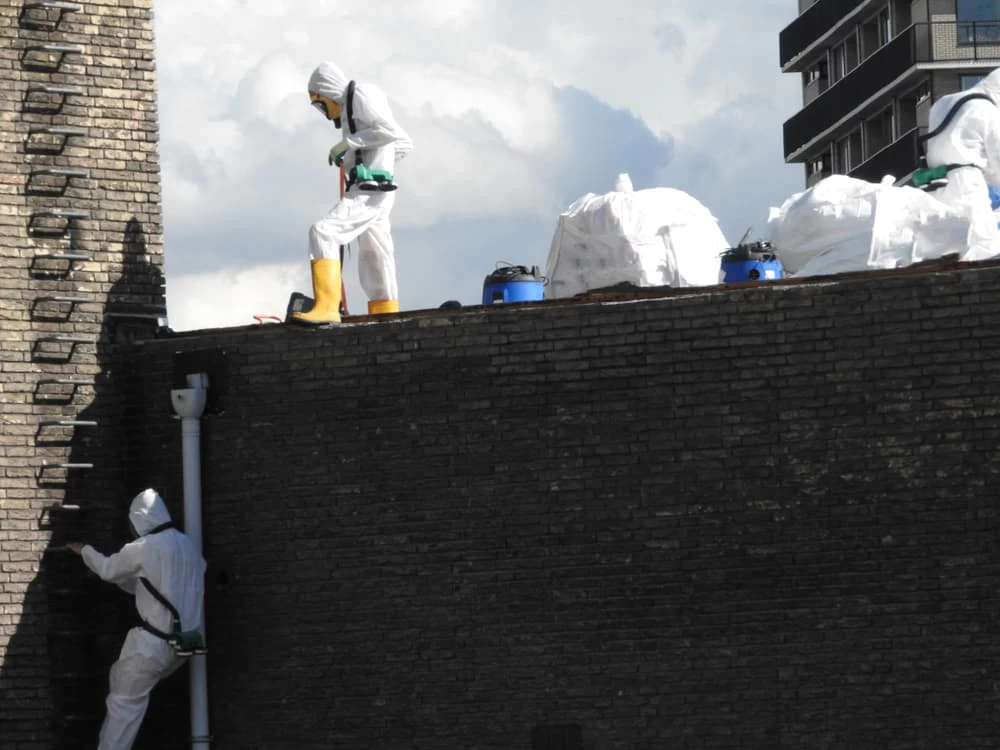
From there, we handle the Town of Brookhaven permit process. That’s a step a lot of homeowners don’t expect, but it’s required, and we take it off your plate. Once permits are in place, the removal work happens under full negative-pressure containment meaning the area is sealed and the air is filtered so fibers don’t travel through the rest of your home while work is underway. Disposal is handled by a NYSDEC-licensed waste transporter and taken to an approved facility. Given Rocky Point’s proximity to the Pine Barrens State Forest and the sole-source drinking water aquifer beneath it, this isn’t a step anyone should be cutting corners on.
The job closes with post-clearance air sampling. You get written documentation that the space has been tested and cleared something you’ll want on file whether you’re renovating, selling, or simply keeping records on a home you plan to stay in for years.
Asbestos abatement in Rocky Point isn’t a one-size situation. The type of material, where it is, and what condition it’s in all affect what the job looks like. Asbestos tile removal including the mastic adhesive underneath is one of the most common jobs we handle in this area, because those 9×9 and 12×12 vinyl tiles are in nearly every postwar home in the hamlet. Popcorn ceiling removal is another frequent request, especially from homeowners preparing to sell or renovate rooms that haven’t been touched since the 1970s.
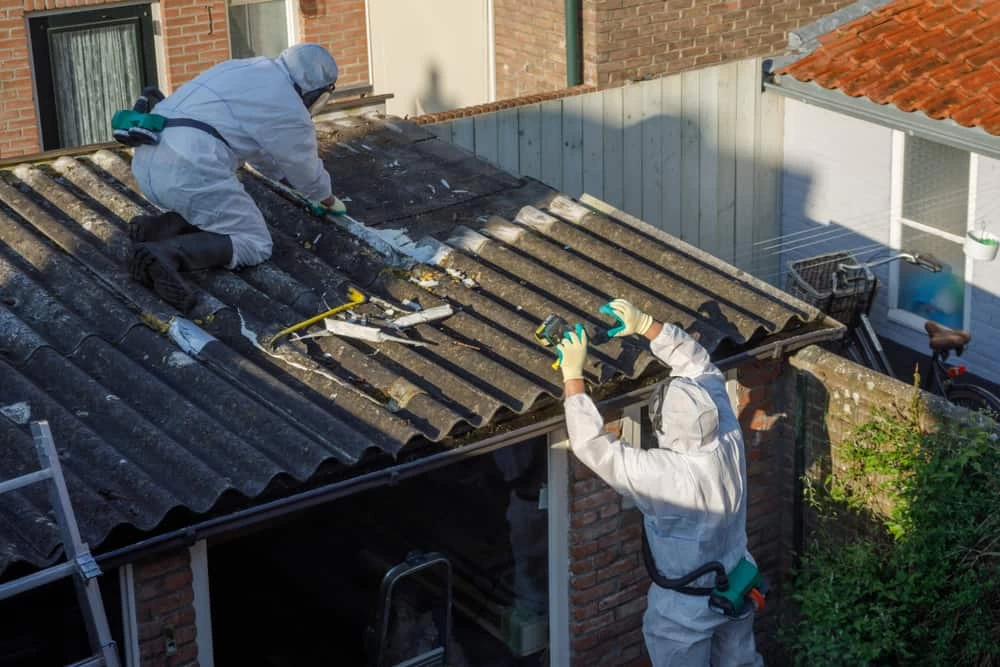
Pipe and boiler insulation is where things get more urgent. Older oil-heated homes and Rocky Point has a lot of them often have asbestos wrapping on boiler pipes, elbows, and tank insulation that’s been sitting undisturbed for decades. When it starts to deteriorate, or when a heating system upgrade forces contact with it, that’s when you need a licensed crew, not a general contractor hoping for the best. The salt air exposure that comes with living close to the Long Island Sound makes deterioration a real factor for homes in the North Shore Beach area and along the bluffs.
Every service we provide includes the full compliance chain NYS ICR 56 documentation, Town of Brookhaven permitting, licensed waste transport, and written post-clearance air testing results. You don’t have to track down paperwork from three different sources. It’s all handled and handed to you when the job is done.
Does my Rocky Point home actually need an asbestos inspection before renovating?
If your home was built before 1980, New York State doesn’t leave this to chance. Under Industrial Code Rule 56, a certified asbestos inspection is required before any renovation or demolition work that could disturb potential asbestos-containing materials. That applies to Rocky Point homes across the board from the converted summer cottages along the North Shore bluffs to the ranch-style homes built inland during the 1950s and 60s. The rule exists because asbestos fibers are invisible, and by the time you realize something went wrong, the exposure has already happened.
The inspection itself isn’t disruptive. A certified inspector walks the space, identifies suspect materials, collects samples, and sends them to an accredited lab. You get a written report with results and a clear picture of what, if anything, needs to be addressed. That report also becomes part of your permit documentation with the Town of Brookhaven so getting it done early keeps your project timeline from stalling later.
How do I know if the floor tiles in my basement contain asbestos?
You can’t tell by looking at them. The 9×9 and 12×12 vinyl floor tiles common in postwar Long Island homes the speckled tan, black, and grey ones you’ll find in basements, kitchens, and laundry rooms throughout Rocky Point were manufactured with chrysotile asbestos as a standard ingredient through the late 1970s. The adhesive mastic underneath them often contains asbestos as well, which is something a lot of homeowners don’t realize until a contractor starts pulling tiles and the situation gets more complicated.
The only way to know for certain is to have a sample tested by an accredited laboratory. A certified inspector can collect that sample safely without disturbing the surrounding material. If the tiles come back positive, the removal process involves careful extraction of both the tile layer and the adhesive beneath it, done under proper containment so fibers don’t become airborne in your living space. Trying to pull them yourself or having a general flooring contractor do it without testing first puts your family at risk and potentially puts you on the wrong side of New York State law.
What's involved in popcorn ceiling asbestos removal, and how long does it take?
Popcorn ceilings applied between the 1950s and late 1970s frequently contain chrysotile asbestos, and they’re one of the most common asbestos-related issues we find in Rocky Point homes. The danger with textured ceilings isn’t just removal it’s any disturbance. Painting over them, scraping them without containment, or even bumping them repeatedly over years can release fibers into the air. Once those fibers are airborne, they can stay suspended for hours.
The removal process starts with full negative-pressure containment of the room the space is sealed and a HEPA-filtered air scrubber runs throughout the job to capture any fibers released during work. The ceiling material is carefully wetted to suppress fiber release before scraping begins. After removal, the area goes through post-clearance air sampling to confirm fiber levels are below regulatory thresholds before containment comes down. For a single room, the work typically takes one to two days depending on size and access. You’ll receive written clearance documentation at the end, which is particularly useful if you’re preparing to sell your Rocky Point home or move into a renovation phase.
Can I sell my house in Rocky Point if it has asbestos?
Yes, but it’s rarely simple. New York has disclosure requirements, and buyers particularly in a market where Rocky Point homes are selling quickly are moving fast and leaning on their inspectors to flag anything that could complicate a deal. When asbestos-containing materials are identified during a buyer’s inspection, you’re typically looking at one of three outcomes: the buyer walks, you negotiate a price reduction, or you agree to remediate before closing. None of those are ideal positions to be in once you’re already under contract.
The smarter move is to get a certified inspection done before you list. If there’s nothing to disclose, you have documentation to back that up. If there is something, you can address it on your timeline rather than the buyer’s. Pre-sale asbestos abatement also removes a major lender concern some financing types flag unresolved environmental issues during underwriting. We’ve worked with sellers throughout the Town of Brookhaven on exactly this scenario, and we can provide the inspection, removal, and clearance documentation that buyers, lenders, and title companies need to move forward.
Is asbestos abatement required when replacing an old oil boiler in Rocky Point?
In most cases, yes and this is one of the most common situations where homeowners get caught off guard. Oil heat has been the dominant heating system on Long Island for decades, and Rocky Point homes are no exception. The pipe insulation, elbow wraps, and tank insulation on older boiler systems were routinely installed with asbestos-containing materials through the 1970s. When you’re replacing a boiler or converting to gas or a heat pump, that insulation has to be disturbed and under NYS ICR 56, that triggers the requirement for a certified inspection and, if asbestos is confirmed, licensed abatement before the HVAC work can proceed.
Trying to skip the inspection and have an HVAC contractor work around the old insulation isn’t a safe workaround. It puts the workers at risk, potentially contaminates your living space, and leaves you without the documentation you’d need if the issue ever came up during a future sale or insurance claim. The right sequence is inspection first, abatement if needed, then the mechanical work. We can coordinate that timeline so your heating upgrade doesn’t stall longer than it needs to.
How is asbestos waste disposed of, and why does it matter in Rocky Point specifically?
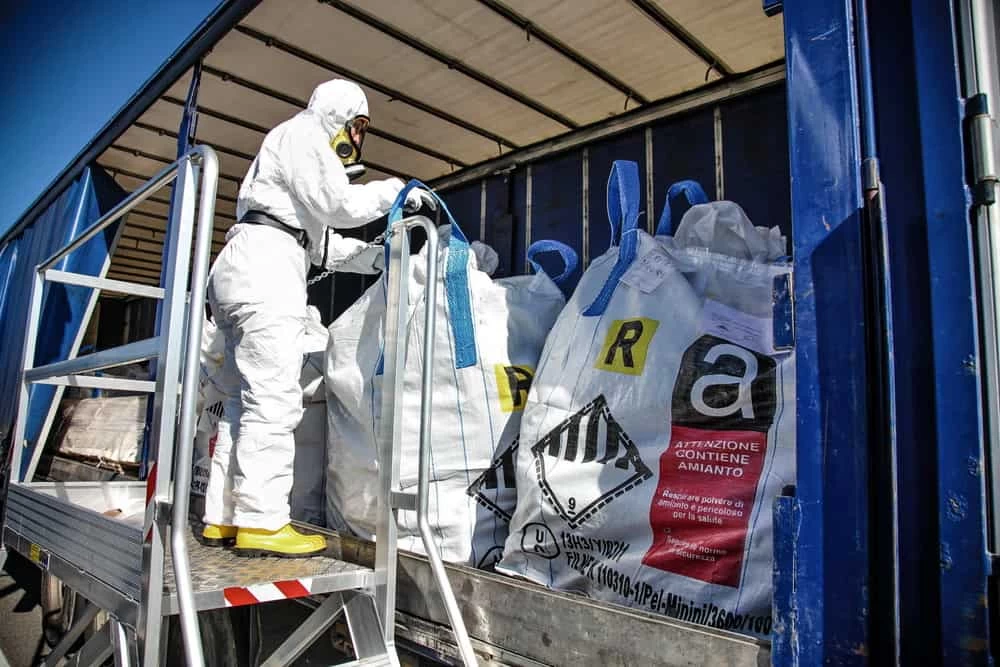
Asbestos waste is classified as a hazardous material under New York State law, and its disposal is tightly regulated under NYSDEC 6 NYCRR Parts 360 and 364. That means it has to be transported by a licensed waste hauler and taken to an approved disposal facility it cannot go in a dumpster, a regular trash pickup, or anywhere near a standard construction debris site. Every load is tracked, and the paperwork follows the waste from your property to the final disposal location.
This matters everywhere in New York, but it carries particular weight in Rocky Point. The hamlet sits adjacent to the Rocky Point Pine Barrens State Forest, which overlies a portion of Long Island’s federally-designated sole-source drinking water aquifer the same aquifer that supplies drinking water to communities across this part of Suffolk County. Improper disposal of asbestos waste in or near the Pine Barrens isn’t just an environmental violation, it’s a direct threat to a water supply with no backup. We use only NYSDEC-licensed transporters and fully approved facilities, and we provide complete disposal documentation at the close of every job so you have a verifiable record of exactly where the material went and how it was handled.