Ronkonkoma's Aging Homes Deserve More Than a Guess
Most homes in Ronkonkoma were built between 1950 and 1975 right when asbestos was in nearly everything. If you’re renovating, selling, or just dealing with something that looks wrong, asbestos abatement done right starts with knowing exactly what you’re dealing with.
I needed a professional consultation explanation of procedure for safe removal of Asbestos in my apartment complex. Without having an account yet, I was very impressed with the caring, knowledgeable and generous advice offered by Jessica, and will look forward to doing business in the future. Thank you so much! I feel much more informed about a sometimes scary endeavor. Peace. Nancy Silva Mineola, NY.
Mia Munoz
Used this company to clean up some water flood in my house. They were fast and easy to work with.very professional, Would recommend to anyone!
Nini Valle
Great company, had a flood and they responded quickly and efficiently. Billed my insurance company directly. I highly recommend this company!
joe colapietro, jr
I had pipe freeze in my basement right before a snow storm and they made to within an hour to help start the clean up process. They we by our side throughout the entire process and even helped with the insurance company. They did such a great job with the cleanup, repair, remidiation, I contracted them to perform the repairs and finishes in the basement. They came with enough manpower and material to get the job done. Leo and Jessica were nothing but a pleasure to deal with!!
Cristian Arredondo c
I had some water damage in my home and Green Island was able to take care of my issue quickly and effectively. I am very pleased with the work they did. They responded quickly and were very professional.
Michael M
Outstanding service! From the office to the field crew everyone was friendly, helpful and responsive. I highly recommend Green Island Group.
When asbestos is properly removed and cleared, you’re not just checking a box you’re removing a real liability from your home and your life. Whether you’re finishing a basement, pulling up old tile, or preparing to list a property near the Ronkonkoma LIRR corridor, having a clean clearance report means your project moves forward without a surprise stop-work order or a failed inspection from the Town of Islip.
Ronkonkoma’s housing stock is overwhelmingly post-war construction. The 9-inch vinyl floor tiles in your kitchen, the textured ceiling in the back bedroom, the pipe wrap around the boiler these were all standard materials in the 1950s and 60s, and a significant portion of them contain asbestos. You don’t have to live with that uncertainty. Once abatement is complete and clearance is documented, you get the ability to renovate freely, sell confidently, and stop wondering what’s behind the walls.
The Station Yards development has driven a wave of renovation activity throughout Ronkonkoma. Homeowners updating older properties to compete with new construction are running into these materials constantly. Getting ahead of it before your contractor does is the move that saves you time, money, and a project shutdown you didn’t see coming.
We Know Ronkonkoma's Houses Not Just the Asbestos in Them
We operate across Nassau and Suffolk County, which means we know the Lakeland neighborhood in Ronkonkoma, we understand what a 1962 ranch near Lake Ronkonkoma looks like on the inside, and we know what the Town of Islip expects before it issues a building permit on a renovation job. We’re not routing your call through a national dispatch center or sending a crew that’s never worked in central Suffolk County.
Every job we take on is handled by NYS DOL-licensed contractors with certified workers because New York State Industrial Code Rule 56 requires it, and because your home’s value and your family’s health depend on it being done correctly. We handle the inspection, the abatement, the disposal, and the clearance documentation from start to finish.
When you call us, you’re talking to people who understand the specific building stock in Ronkonkoma and what’s typically hiding inside it.
No Surprises Here's Exactly What the Process Looks Like
It starts with an inspection. A certified asbestos inspector visits your home, identifies any materials that may contain asbestos, and collects samples for laboratory analysis. In a Ronkonkoma home built before 1980, the most common areas we’re looking at are floor tiles and the black mastic adhesive underneath them, popcorn or textured ceilings, pipe and boiler insulation in the basement, and joint compound around drywall seams. The lab results tell us exactly what we’re working with.
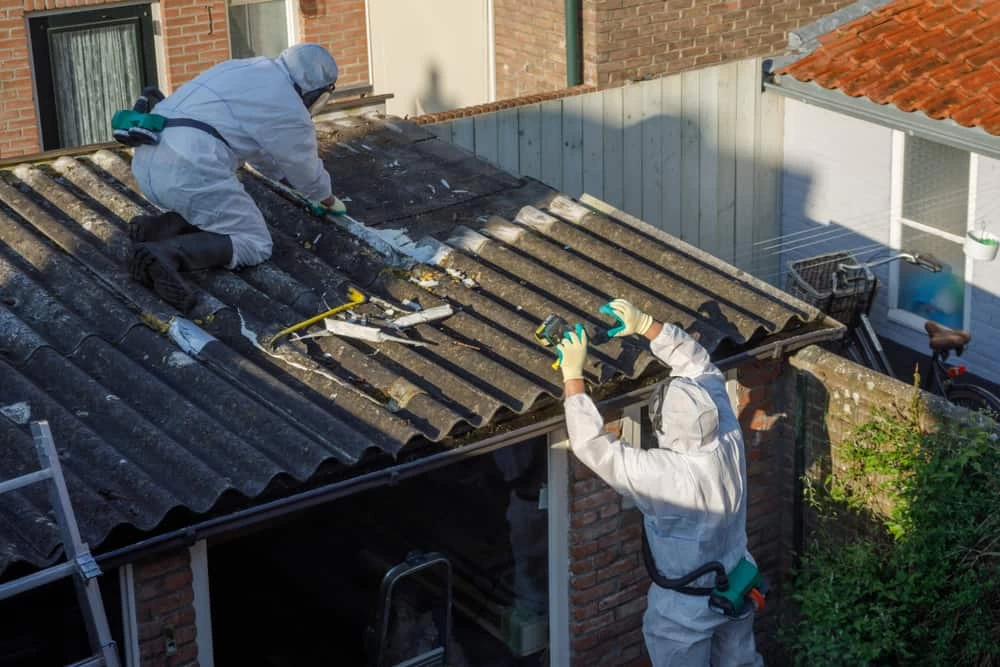
If abatement is needed, we develop a written plan that complies with New York State ICR 56 requirements. For larger projects, that plan includes advance notification to the NYS Department of Labor’s Asbestos Control Bureau before work begins. We set up proper containment negative air pressure, sealed work zones, full protective equipment so fibers don’t migrate into other areas of your home during removal.
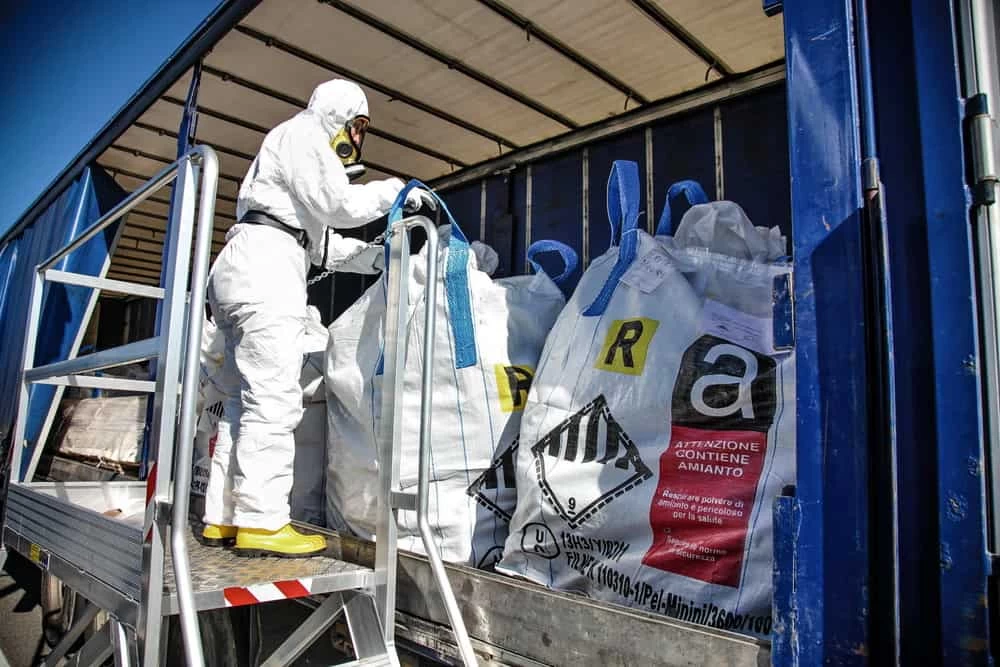
Once the material is removed, it’s disposed of as regulated waste with a proper disposal manifest. Then we conduct post-abatement air testing. When the air clears and the results come back clean, you receive your clearance documentation the paperwork your contractor, your real estate attorney, and the Town of Islip building department will ask for. That’s when the job is actually done.
Asbestos Tile and Popcorn Ceiling Removal, Ronkonkoma
What We Handle Most Often in Ronkonkoma Homes
The most common asbestos abatement jobs we handle in the 11779 ZIP code fall into a few categories. Asbestos tile removal specifically those 9-inch square vinyl tiles and the black adhesive beneath them is one of the most frequent calls we get from homeowners renovating kitchens, bathrooms, and basements in homes built in the 1950s and 60s. Asbestos popcorn ceiling removal is the other. If your home was built before 1978 and still has that original textured ceiling, it needs to be tested before anyone scrapes it. No exceptions under New York State law.
We also handle pipe and boiler insulation abatement, which is especially common in Ronkonkoma’s older homes where the heating system hasn’t been replaced since original construction. Basement finishing projects almost always surface this issue. Beyond residential work, we serve commercial and industrial properties in Ronkonkoma’s business corridors older buildings near MacArthur Airport, Veterans Memorial Highway, and the LIE service roads that were built with asbestos-containing fireproofing, duct insulation, and roofing materials.
Every job includes the full scope: inspection and sampling, lab analysis, abatement, regulated disposal with documentation, post-clearance air testing, and the final clearance report. You’re not getting a removal crew you’re getting a complete compliance process with paperwork that holds up.
Does my Ronkonkoma home actually need an asbestos test before renovating?
If your home was built before 1980, yes and in Ronkonkoma, that describes the majority of the housing stock. New York State Industrial Code Rule 56 requires that any renovation project with the potential to disturb asbestos-containing materials be preceded by a survey conducted by a certified asbestos inspector. This isn’t optional, and it’s not just a formality. If your contractor disturbs ACMs without proper testing and abatement in place, you’re looking at potential stop-work orders, fines, and a remediation job that costs significantly more than if you’d tested first.
The most common materials in Ronkonkoma homes that trigger this requirement are 9-inch vinyl floor tiles and their adhesive, textured or popcorn ceilings, and pipe insulation in the basement. A pre-renovation inspection takes the guesswork out of the equation and if the results come back clean, you have documentation that protects you throughout the project and when you eventually sell.
How long does asbestos abatement typically take from start to finish?
The timeline depends on the scope of the job, but for a typical residential project in Ronkonkoma say, floor tile removal in a kitchen or popcorn ceiling abatement in two or three rooms the abatement itself usually takes one to three days. The lab turnaround for initial samples is typically two to five business days depending on whether you need standard or rush processing. Post-abatement air testing adds another day, and then you’re waiting on lab clearance results.
From the time you call to the time you have clearance documentation in hand, most straightforward residential jobs in Ronkonkoma are completed within one to two weeks. Larger or more complex projects full basement abatement, multi-room ceiling removal, or commercial work near the MacArthur Airport corridor take longer and may require advance notification to the NYS DOL before work can begin. We’ll give you a realistic timeline upfront so you can plan your renovation around it.
What happens if my contractor already disturbed materials that might contain asbestos?
This happens more than people realize, especially during renovation projects in Ronkonkoma’s older homes where a general contractor starts demo without testing first. If you suspect asbestos has already been disturbed, stop the work immediately and don’t try to clean it up yourself. Disturbed asbestos fibers become airborne and can spread through your HVAC system, settle on surfaces throughout the home, and create a much larger remediation problem than the original material.
The first step is to have a certified inspector assess the situation determine what was disturbed, whether it contained asbestos, and what the current fiber levels are in the affected areas. From there, we can contain the area, remove any remaining ACMs, and conduct air testing to confirm the space is safe. This scenario is more expensive and more disruptive than planned abatement, which is exactly why testing before demo is always the right call in a pre-1980 home.
Will I need a permit from the Town of Islip for asbestos abatement work?
Asbestos abatement itself doesn’t always require a separate permit from the Town of Islip, but if your abatement is part of a larger renovation that does require a building permit, the Town will expect asbestos compliance documentation before that permit moves forward. That means either a certified inspection showing no ACMs are present in the work area, or evidence that abatement has been completed by a licensed contractor with proper clearance testing.
Where New York State notification requirements come in is at the state level under ICR 56, larger abatement projects require advance notice to the NYS Department of Labor’s Asbestos Control Bureau before work begins. The threshold and requirements depend on the quantity of material being disturbed. We handle all of this as part of our process, so you’re not trying to navigate state and local requirements on your own while also managing a renovation.
How much does asbestos abatement cost for a typical Ronkonkoma home?
Cost varies based on what materials are present, how much of it needs to be removed, and the complexity of the containment required. For a focused residential job like asbestos tile removal in a single room or popcorn ceiling abatement in a few hundred square feet you’re generally looking at a range of $1,500 to $4,000. Larger projects involving full basement pipe insulation removal, multi-room ceilings, or combined materials can run $5,000 to $10,000 or more depending on scope.
In Ronkonkoma, where the median home value sits around $465,000, proper abatement with full clearance documentation is genuinely a value-protecting investment. A home with documented asbestos compliance sells more cleanly, gets through lender inspections more smoothly, and doesn’t carry the liability of undisclosed ACMs. The cost of doing it right is always lower than the cost of dealing with a disclosure issue mid-transaction or a stop-work order mid-renovation.
Is asbestos still a real concern in newer-looking Ronkonkoma homes?
It can be, and the reason is timing. Ronkonkoma’s housing stock was built primarily in the 1950s through the mid-1970s, and even homes that have been updated or partially renovated since then may still have original materials in areas that weren’t touched inside walls, under new flooring, above drop ceilings, or in the mechanical room. Cosmetic renovations don’t eliminate asbestos; they sometimes just cover it up.
The EPA didn’t ban most asbestos-containing construction materials until 1989, and certain uses remained in production even after that. A home that looks updated from the outside or in the main living areas can still have original pipe insulation in the basement, original tile under a layer of new flooring, or original joint compound behind drywall that was never replaced. If the bones of the home are from before 1980 which is the case for most of Ronkonkoma a certified inspection before any significant renovation is the only way to know for certain what you’re working with.