Rosedale's Older Homes Deserve More Than a Generic Contractor
Most homes in Rosedale were built in the 1950s and that means asbestos is more common here than most people expect. We hold the NYC DEP license required to legally perform asbestos abatement in Queens, and we offer free on-site inspections with no obligation.
I needed a professional consultation explanation of procedure for safe removal of Asbestos in my apartment complex. Without having an account yet, I was very impressed with the caring, knowledgeable and generous advice offered by Jessica, and will look forward to doing business in the future. Thank you so much! I feel much more informed about a sometimes scary endeavor. Peace. Nancy Silva Mineola, NY.
Mia Munoz
Used this company to clean up some water flood in my house. They were fast and easy to work with.very professional, Would recommend to anyone!
Nini Valle
Great company, had a flood and they responded quickly and efficiently. Billed my insurance company directly. I highly recommend this company!
joe colapietro, jr
I had pipe freeze in my basement right before a snow storm and they made to within an hour to help start the clean up process. They we by our side throughout the entire process and even helped with the insurance company. They did such a great job with the cleanup, repair, remidiation, I contracted them to perform the repairs and finishes in the basement. They came with enough manpower and material to get the job done. Leo and Jessica were nothing but a pleasure to deal with!!
Cristian Arredondo c
I had some water damage in my home and Green Island was able to take care of my issue quickly and effectively. I am very pleased with the work they did. They responded quickly and were very professional.
Michael M
Outstanding service! From the office to the field crew everyone was friendly, helpful and responsive. I highly recommend Green Island Group.
Your renovation moves forward. Your closing doesn’t fall apart. Your family isn’t living around a material that was never supposed to stay this long. That’s what asbestos abatement actually delivers not just a cleaner space, but the ability to move on with whatever comes next.
For Rosedale homeowners, that “whatever comes next” usually looks like one of a few things: a renovation you’ve been planning, a sale you’re trying to close, or a basement that flooded and now needs to be properly restored. The city committed over $76 million in 2024 specifically to address Rosedale’s chronic flooding problem and when water gets into a pre-1980 home and contacts original floor tiles or pipe insulation, it can turn a stable material into a friable one. That changes your options fast. Getting an assessment before restoration work begins isn’t just the right call, it’s the legally required one.
The other reality here is the housing stock itself. With a median construction year of 1954, the Cape Cods and colonials that line Rosedale’s residential blocks were built when asbestos was standard in floor tiles, ceiling texture, pipe wrap, and joint compound. That doesn’t mean every home is a hazard but it does mean the probability is high enough that you shouldn’t assume you’re clear without an inspection from someone who actually knows what to look for.
The Credential Gap Most Rosedale Homeowners Don't Know Exists
Here’s something worth knowing before you hire anyone: working in Rosedale means working inside New York City limits, and that requires a NYC DEP asbestos contractor license not just the state license that most contractors carry. These are two separate credentials with two separate application and renewal processes. We hold both, along with NYS DOL certification and Nassau County approval, which matters for homeowners near the Queens-Nassau border in areas like Meadowmere.
Beyond the credentials, we’ve completed over 5,000 abatement projects across New York City and Long Island. That’s not a number we throw out to impress you it means our team has walked through hundreds of homes that look exactly like yours. The 9×9 floor tiles in the basement. The popcorn ceiling in the upstairs bedroom. The original pipe insulation around the boiler. We’ve seen it, handled it, and documented it correctly more times than we can count.
We’re also M/WBE certified by the New York State Office of General Services and an approved contractor for NYS agencies formal, government-issued credentials that required actual vetting, not just a membership fee.
No Surprises Here's Exactly What the Process Looks Like
It starts with a free on-site inspection. One of our inspectors comes to your Rosedale home, walks the affected areas, and assesses the materials in question floor tiles, ceiling texture, pipe insulation, drywall compound, whatever’s relevant to your situation. You get a clear picture of what’s there before you’ve committed to anything.
If abatement is needed, we handle the NYC DEP notification requirement which mandates a minimum seven-day advance notice before most projects begin. This is a scheduling reality that catches a lot of homeowners off guard when they’re working against a renovation timeline or a real estate closing date. We build it into the calendar from the start so it doesn’t become your problem. For projects that require an ACP-5 form which the NYC Department of Buildings requires before issuing renovation permits we manage that documentation as part of the process. You won’t be chasing paperwork on your own.
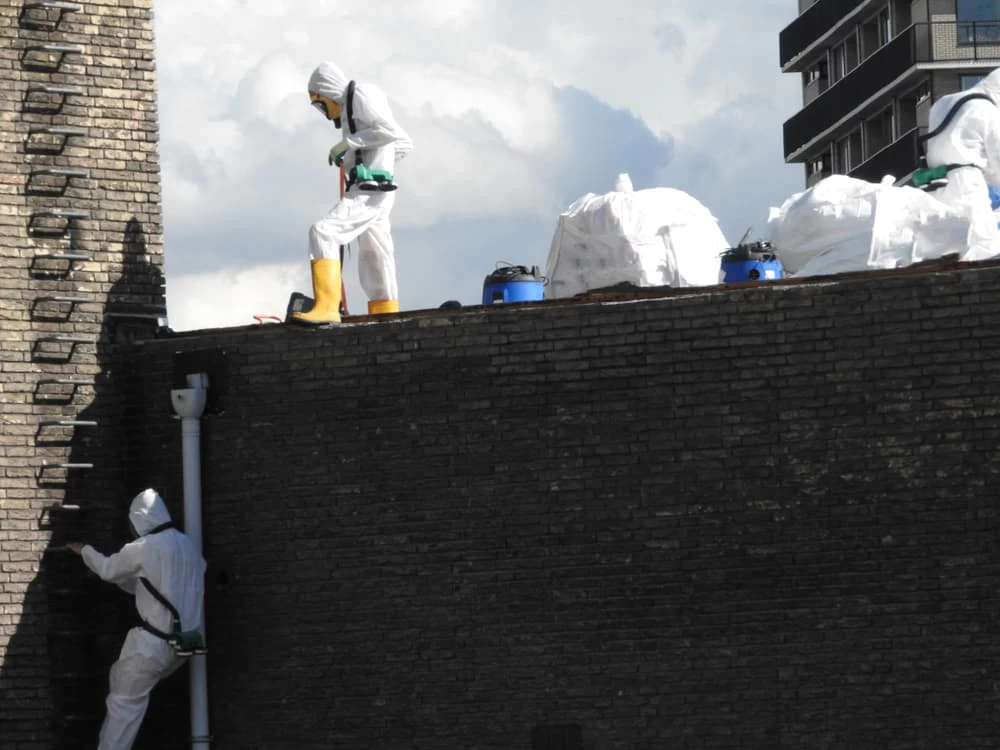
The abatement itself is performed under full containment, following NYS Industrial Code Rule 56 and NYC DEP protocols. When the work is complete, post-abatement air clearance testing is conducted and documented. That clearance package is yours to keep your renovation contractor will need it, your insurer may ask for it, and if you ever sell your home, a buyer’s attorney will almost certainly want to see it. We make sure it’s complete and ready to present to anyone who asks.
Asbestos Tile and Popcorn Ceiling Removal, Queens NY
Built for the Homes Rosedale Actually Has
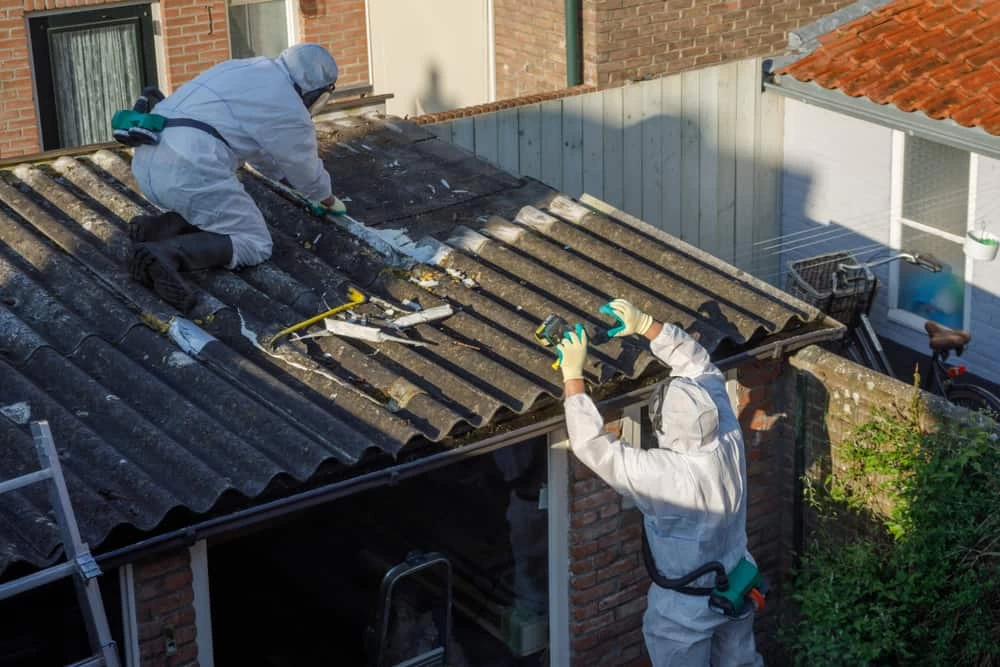
Rosedale’s housing stock isn’t abstract to us. The postwar Cape Cods and two-family colonials in this neighborhood were built with a predictable set of materials, and we handle all of them. Vinyl asbestos tile especially the 9×9 format common in basements and first floors of homes built between the 1940s and 1960s is one of the most frequent abatement jobs we complete here. Popcorn ceiling removal is another. Acoustic texture was widely applied through the 1970s, and it shows up regularly in the bedrooms and living rooms of older Rosedale homes. We also handle pipe insulation around boilers and heating systems, asbestos-containing joint compound in original drywall, and exterior materials like roofing and siding on homes where those haven’t been replaced.
Because Rosedale sits directly on the Queens-Nassau County line, we also serve properties in adjacent communities like Valley Stream and North Woodmere and our Nassau County approval means there’s no jurisdictional gap if your situation crosses the border.
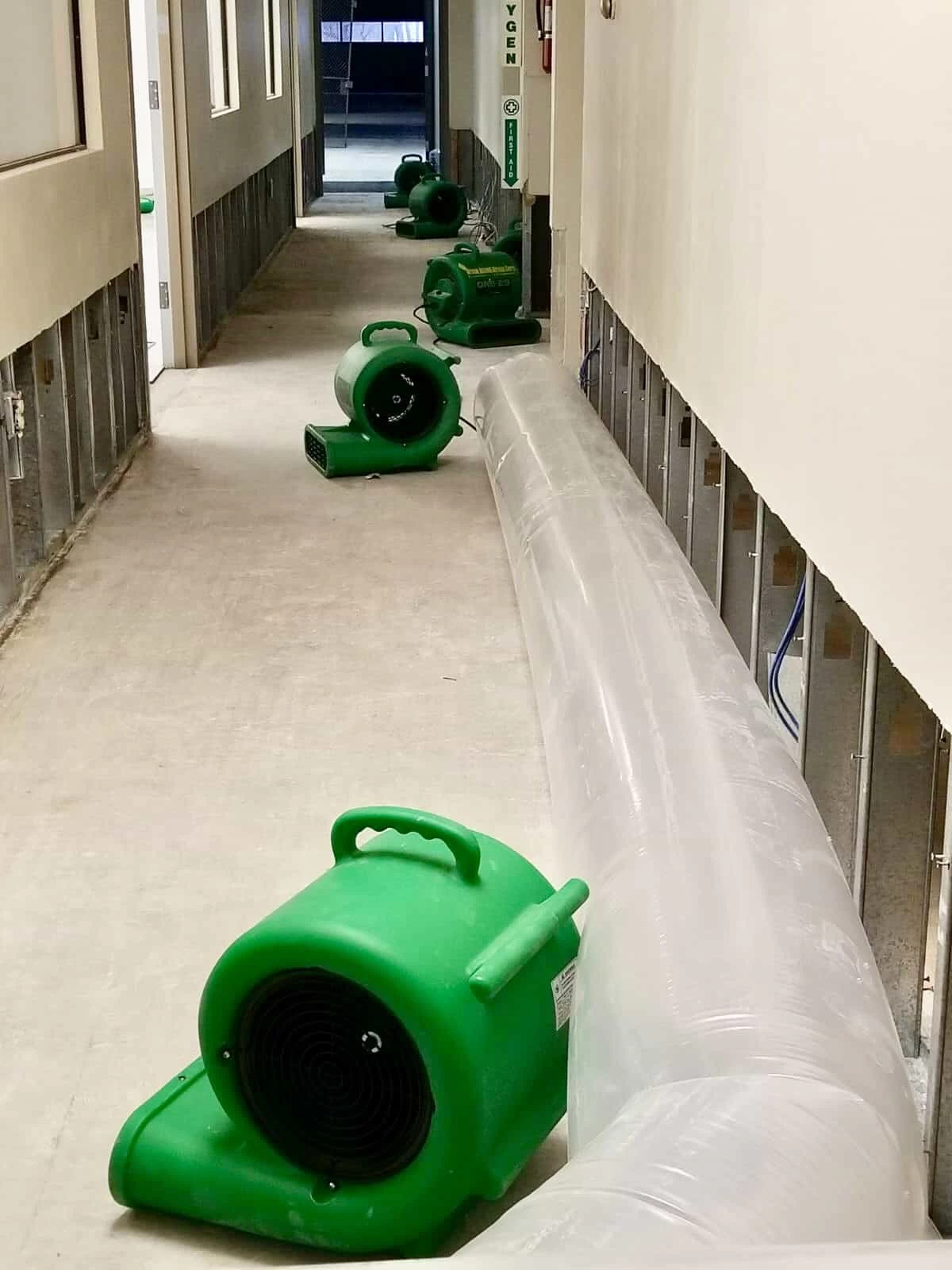
For homeowners dealing with post-flood damage, we work directly with insurance carriers. We handle the billing and adjuster communication so you’re not stuck in the middle of a claim while also managing contractors and a displaced household. If your basement flooded near Hook Creek Boulevard or anywhere in the low-lying sections of Rosedale, that’s exactly the kind of situation we’re set up to handle from the first call forward.
Do I need a special permit for asbestos removal in Rosedale, NY?
Yes and the requirements in Rosedale are more involved than in most surrounding areas because you’re inside New York City limits. The NYC Department of Environmental Protection requires that any licensed asbestos contractor working in Queens hold a NYC DEP asbestos contractor license, which is separate from the NYS DOL asbestos handling license. Many contractors who work in Nassau County or Westchester hold only the state credential, which does not authorize them to perform abatement in Rosedale.
Beyond the contractor license, most abatement projects in New York City also require a minimum seven-day advance notification to the NYC DEP before work begins. And if your project involves a renovation that requires a NYC Department of Buildings permit, you’ll need an ACP-5 form an asbestos assessment report completed and signed by a licensed investigator before the DOB will issue that permit. We handle both the notification and the ACP-5 documentation as part of every project, so you’re not navigating the regulatory side alone.
My Rosedale basement flooded does that mean I have an asbestos problem now?
It depends on what materials are in your basement and whether the water contacted them but if your home was built before 1980, the answer is: you need to find out before anyone starts restoration work. Rosedale has a well-documented flooding history, and the city’s $76 million infrastructure investment in 2024 is a direct acknowledgment of how severe and recurring the problem has been. When floodwater contacts original vinyl floor tiles, pipe insulation, or other asbestos-containing materials in an older Rosedale home, it can cause previously stable materials to deteriorate and become friable meaning they can release fibers into the air.
Restoration contractors are not authorized to remove or disturb asbestos-containing materials. If a restoration crew starts tearing out water-damaged flooring or insulation in a pre-1980 home without an asbestos assessment first, that’s both a legal violation and a genuine health risk. The right sequence is: asbestos inspection first, abatement if needed, then restoration. We offer free inspections and work directly with insurance carriers, so if you’re already in the middle of a flood claim, we can coordinate with your adjuster and keep the process moving.
How do I know if the floor tiles in my home contain asbestos?
You can’t tell by looking at them. The most reliable indicator is age if your home was built before 1980 and still has original flooring, there’s a meaningful chance those tiles contain asbestos. In Rosedale specifically, the 9×9 inch vinyl tile format is extremely common in homes built during the postwar building boom of the late 1940s through the 1960s. That format was almost exclusively manufactured with asbestos as a binding agent. The 12×12 format from that same era also frequently tested positive.
The only way to confirm whether a tile contains asbestos is to have a sample tested by a licensed asbestos inspector in an accredited lab. A visual inspection alone even by an experienced contractor cannot definitively confirm or rule out asbestos content. During our free on-site inspection, we assess the materials in your home and can collect samples for lab analysis. If the results come back positive, we walk you through your options. If they come back negative, you have documentation that confirms it which is useful if you’re renovating, selling, or just want peace of mind.
How long does asbestos abatement take in a typical Rosedale home?
For most residential projects in Rosedale a basement floor tile removal, a popcorn ceiling in one or two rooms, or pipe insulation around a boiler the actual abatement work typically takes one to three days. Larger projects involving multiple material types throughout the home can run longer, but the majority of single-family and two-family home projects in this neighborhood fall in that range.
What adds time to the overall timeline isn’t the work itself it’s the regulatory calendar. NYC DEP requires a minimum seven-day advance notification before most abatement projects begin. That means from the point you approve the scope of work, you’re looking at roughly a week before the crew can mobilize. If you’re working against a renovation start date or a real estate closing, that notification window needs to be factored in from the beginning. We submit the notification as soon as the project is confirmed, so the clock starts running immediately and you’re not losing days to administrative delays.
What does asbestos abatement cost for a home in Rosedale, Queens?
Pricing depends on the type of material, the square footage involved, and how many locations in your home are affected. For a straightforward asbestos tile removal in a Rosedale basement, you’re typically looking at somewhere in the range of $2,000 to $5,000. Popcorn ceiling removal in a few rooms runs in a similar range. Projects involving multiple material types floor tiles, ceiling texture, and pipe insulation all in the same home can reach $10,000 to $20,000 or more depending on scope.
The most accurate way to understand your cost is through a free on-site inspection, which we provide at no charge. Estimates based on square footage alone, without seeing the actual materials and their condition, are often off in one direction or the other. If your abatement need is connected to a flood damage event and you have homeowners or flood insurance, we bill carriers directly which can significantly offset your out-of-pocket cost. It’s worth having that conversation before you assume you’re covering everything yourself.
Do I need asbestos abatement before selling my home in Rosedale?
You’re not legally required to abate before listing but the practical reality of selling a pre-1980 home in Rosedale makes proactive abatement worth considering seriously. Buyers and their attorneys in the New York City market are increasingly focused on environmental disclosures, and an asbestos finding during a buyer’s inspection can stall or kill a deal, trigger a price renegotiation, or create post-closing liability if something was known and not disclosed. In a market where Rosedale homes are selling between $500,000 and $1.5 million, the financial stakes of a deal falling apart or a price reduction are real.
Sellers who abate before listing and have clearance documentation from a licensed NYC DEP contractor are in a stronger position. You can disclose the abatement affirmatively, show that it was handled correctly, and remove it as a negotiating point entirely. Buyers can’t use it against you if you’ve already addressed it and have the paperwork to prove it. The cost of abatement on a typical Rosedale home is modest relative to what’s at stake in the transaction and it removes one of the most common deal-disrupting findings in the pre-1980 housing stock that defines this neighborhood.