If your Roses Point home was built before 1980, there’s a real chance asbestos is somewhere inside it and we’re licensed by New York State to remove it safely and legally.
I needed a professional consultation explanation of procedure for safe removal of Asbestos in my apartment complex. Without having an account yet, I was very impressed with the caring, knowledgeable and generous advice offered by Jessica, and will look forward to doing business in the future. Thank you so much! I feel much more informed about a sometimes scary endeavor. Peace. Nancy Silva Mineola, NY.
Mia Munoz
Used this company to clean up some water flood in my house. They were fast and easy to work with.very professional, Would recommend to anyone!
Nini Valle
Great company, had a flood and they responded quickly and efficiently. Billed my insurance company directly. I highly recommend this company!
joe colapietro, jr
I had pipe freeze in my basement right before a snow storm and they made to within an hour to help start the clean up process. They we by our side throughout the entire process and even helped with the insurance company. They did such a great job with the cleanup, repair, remidiation, I contracted them to perform the repairs and finishes in the basement. They came with enough manpower and material to get the job done. Leo and Jessica were nothing but a pleasure to deal with!!
Cristian Arredondo c
I had some water damage in my home and Green Island was able to take care of my issue quickly and effectively. I am very pleased with the work they did. They responded quickly and were very professional.
Michael M
Outstanding service! From the office to the field crew everyone was friendly, helpful and responsive. I highly recommend Green Island Group.
You get your project back. Whether a contractor stopped mid-renovation or a home inspector flagged something before closing, asbestos abatement is the thing standing between you and moving forward and once it’s handled correctly, everything else can continue. You’re not just removing a material. You’re removing the legal and health liability that comes with leaving it in place.
For homeowners in Roses Point, this matters more than most people realize. The housing stock here is older a lot of it built in the 1950s, 60s, and 70s, when asbestos was standard in floor tiles, pipe insulation, popcorn ceilings, and roofing materials. These aren’t edge cases. They’re the norm in homes like yours.
There’s also the flood risk. The Neversink River runs through this area, and when water gets into a basement or crawlspace, it can disturb asbestos-containing materials that have been sitting untouched for decades. That’s a different kind of urgency and it’s one that requires a contractor who can respond fast, work cleanly, and hand you documentation that proves the job was done right. That’s exactly what we provide.
Government-Vetted, Locally Committed, No Shortcuts
We’ve been doing this work for over 12 years as an independently owned company not a franchise, not a national brand applying a template to your zip code. We hold a New York State Department of Labor Asbestos Contractor License, which is the state-issued credential required to legally perform abatement work anywhere in New York, including right here in Roses Point and the surrounding area.
Our client list includes the NYS Office of General Services, the Dormitory Authority of the State of New York, and multiple county governments. Those contracts don’t get awarded without licensing verification, insurance review, and a clean safety record. If the state trusts us with public buildings, that’s a reasonable signal for what we’ll do with your home off Route 209.
We also hold dual Minority/Women-Owned Business Enterprise certification from both New York State and New York City a government-audited designation, not a self-reported badge. When you’re trying to figure out who to trust in a category full of unlicensed operators, that kind of third-party accountability is worth something real.
From First Call to Clearance Certificate Here's the Process
It starts with an assessment. Before anything is removed, the materials in question need to be identified and tested. If you already have a report from a home inspector or industrial hygienist, that can move things along. If not, sampling comes first. Either way, you’ll know exactly what you’re dealing with before any work begins.
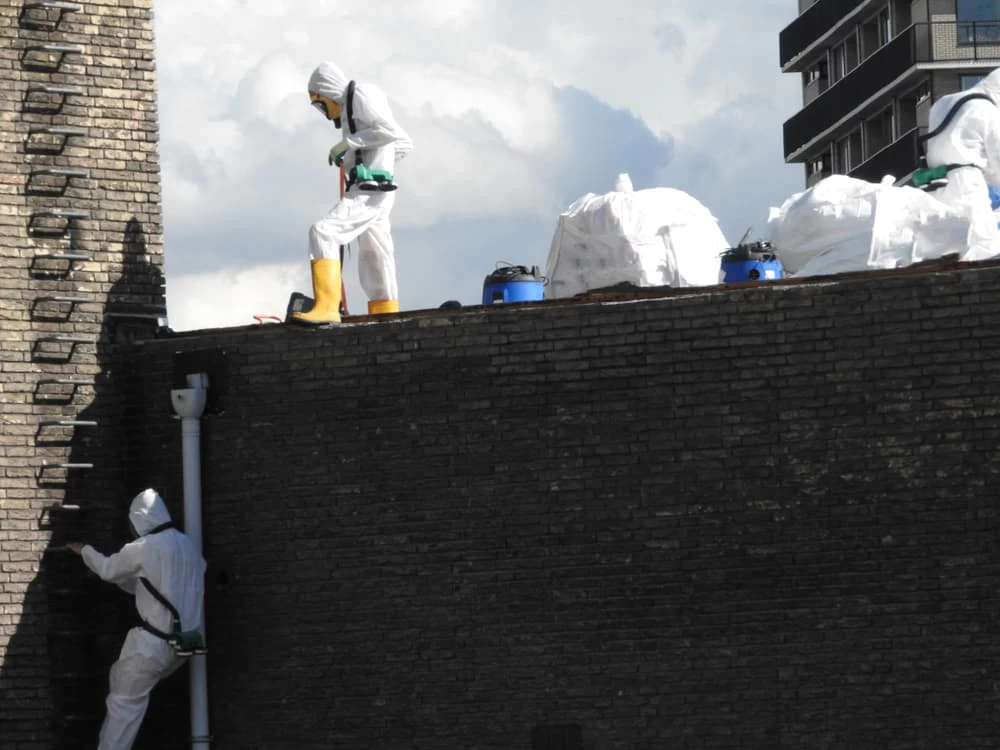
Once the scope is confirmed, our abatement team sets up containment negative air pressure, sealed work zones, HEPA filtration. This isn’t a dust-and-go situation. New York State’s asbestos regulations under 12 NYCRR Part 56 require licensed contractors, certified workers, and specific containment and disposal protocols. Those rules apply in Roses Point the same as they do anywhere else in the state. The Town of Roses Point Building Department may also be involved depending on your project scope, so having a contractor who understands the local permitting process matters.
After removal, all asbestos-containing materials are bagged, labeled, and transported by a licensed hauler to a permitted disposal facility not just thrown in a dumpster. Then comes the step most contractors don’t talk about enough: post-abatement air monitoring by an independent industrial hygienist. The space can’t legally be reoccupied until that clearance test passes. You receive a written clearance certificate the document your real estate attorney, your lender, or the building department will ask to see. That’s how the job closes.
Every Material, Every Scenario Covered Under One Roof
The asbestos abatement work we handle in the Roses Point area covers the full range of materials found in the region’s older housing stock. Vinyl asbestos floor tiles the 9×9 and 12×12 inch variety common in mid-century homes are one of the most frequent calls. So are popcorn ceilings, pipe and boiler insulation, roofing felt, transite siding, and asbestos-containing joint compound. If your home was built before 1980, any one of these could be present, and any renovation that disturbs them without proper abatement creates a legal and health problem.
Beyond residential work, we also handle commercial and institutional projects throughout Orange County. The same licensed team, the same containment protocols, the same clearance documentation regardless of property type. If you’re a landlord, property manager, or small business owner in the Roses Point area dealing with an older building, the process is the same and the paperwork holds up the same way.
One thing that sets us apart from most local options: if asbestos was disturbed as part of a covered loss flooding from the Neversink, fire damage, storm damage we bill your insurance company directly. We handle the claims process on your behalf. For a homeowner in Roses Point already managing a damage event, that’s one less thing to fight through. Financing up to $200,000 at 0% APR is also available for qualifying projects, because an unexpected abatement cost shouldn’t derail everything else you had planned.
Does my Roses Point home likely contain asbestos if it was built before 1980?
Statistically, yes and in Roses Point, the odds are higher than most people expect. The housing stock here is predominantly mid-20th century construction, which means the materials used during the peak years of asbestos manufacturing are well-represented. Floor tiles, ceiling texture, pipe insulation, roofing felt, and even the joint compound behind your drywall are all common sources in homes throughout the area.
The tricky part is that asbestos-containing materials don’t always look different from materials that don’t contain it. You can’t tell by looking. The only way to know for certain is to have a sample tested by a certified laboratory. If you’re planning any renovation even something as routine as pulling up old flooring or opening a wall getting a test done first is the right move. It’s not expensive, and it tells you exactly what you’re working with before anything gets disturbed.
What happens if a contractor already disturbed asbestos in my home before I knew it was there?
This is more common than most people realize, especially in older Roses Point homes where the previous owner never disclosed what was in the floors or ceilings. If a contractor opened something up and you now suspect asbestos was disturbed, the first step is to stop work and limit access to that area. Don’t try to clean it up yourself, and don’t run HVAC systems that could spread fibers through the house.
The next step is to call a licensed abatement contractor not a general contractor, and not someone who “handles it on the side.” New York State requires licensed professionals for regulated asbestos work, and the cleanup after an accidental disturbance follows the same containment and disposal protocols as a planned abatement. You’ll also want air monitoring done to confirm the space is safe before anyone re-enters. We can assess the situation, contain it properly, and get you the clearance documentation you’ll need to move forward.
How long does asbestos abatement typically take for a home in Roses Point?
It depends on the scope, but most residential jobs in the area run anywhere from one day to a few days. A single room of vinyl asbestos tile removal is typically a one-day job. Pipe insulation throughout a basement, or a combination of materials across multiple areas, can take two to three days. Larger projects take longer, but the timeline is always tied to the square footage involved, the number of material types being removed, and the complexity of containment required.
One thing that adds time but shouldn’t be skipped is the post-abatement clearance process. After the physical removal is done, an independent industrial hygienist needs to collect air samples and confirm the area is clean before it can be reoccupied. That testing and lab turnaround typically adds a day or two to the overall timeline. It’s a required step under New York State regulations, and the clearance certificate it produces is the document you’ll need for permits, real estate transactions, or insurance claims.
Do I need a permit from the Town of Roses Point for asbestos abatement work?
Asbestos abatement in New York State is regulated at the state level under 12 NYCRR Part 56, administered by the NYS Department of Labor Asbestos Control Bureau. This means the contractor performing the work must hold a valid NYS DOL Asbestos Contractor License, and workers on the job must be individually certified. These requirements apply everywhere in the state, including in Roses Point.
At the local level, the Town of Roses Point Building Department handles permits for renovation and demolition work. Depending on what’s being done alongside the abatement a full renovation, a basement finish, a structural change a building permit may also be required for the broader project. A licensed abatement contractor who works regularly in the area will be familiar with both the state notification requirements and the local building department process. That’s worth asking about when you’re vetting contractors, because the paperwork matters just as much as the physical work.
Can flooding from the Neversink River cause an asbestos problem in my home?
Yes, and it’s a scenario that comes up more often in the Roses Point area than most homeowners anticipate. When flood water gets into an older basement or crawlspace, it can saturate and physically disturb asbestos-containing materials that have been sitting undisturbed for years pipe insulation, floor tiles, mechanical room materials. Once those materials are wet and damaged, they can become friable, meaning fibers can be released into the air. That’s when the health risk becomes real and the situation requires professional assessment.
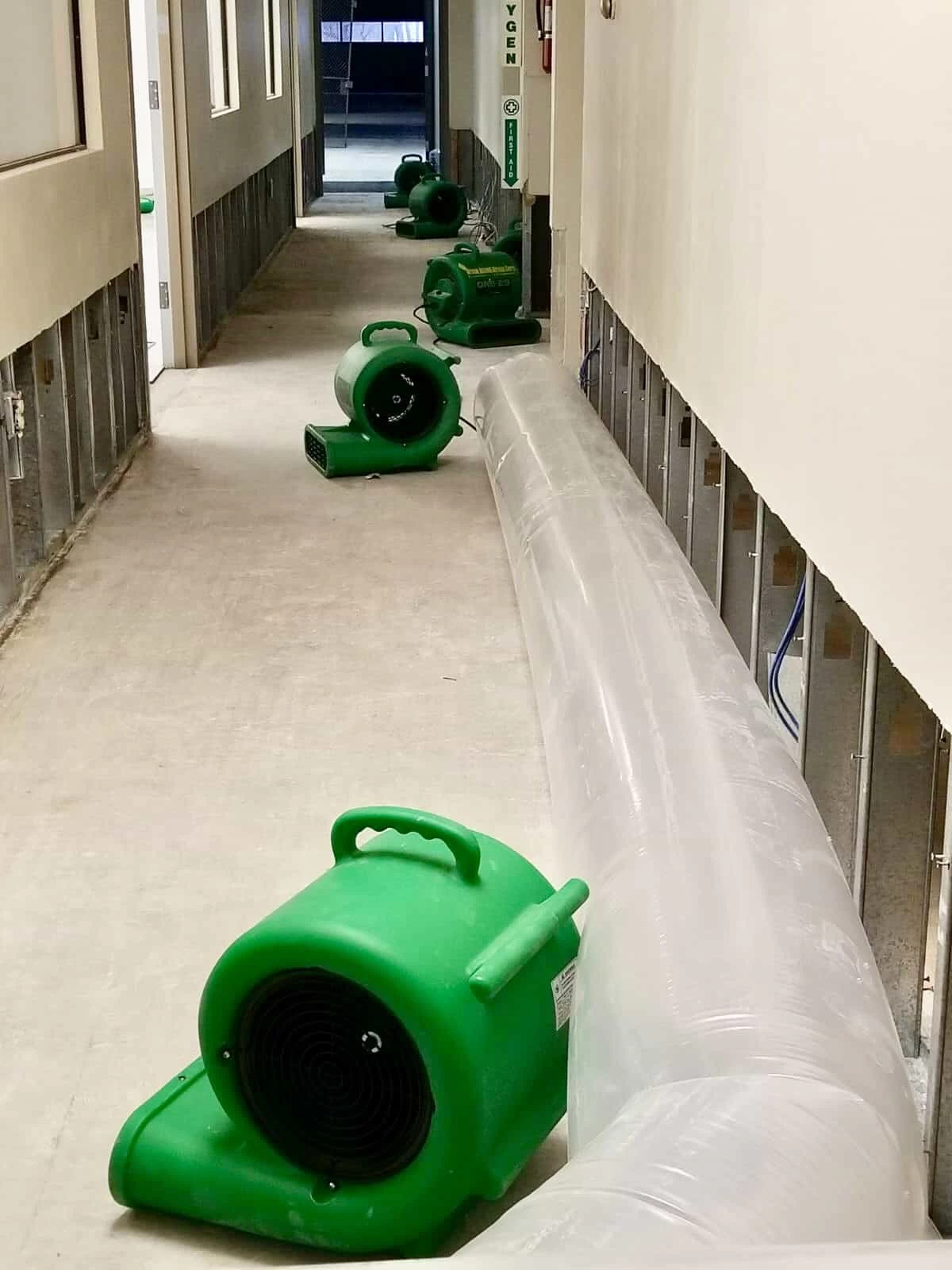
If your home took on water and you have any reason to believe older building materials were affected, don’t assume it’s fine just because the water dried out. Have the area assessed by a licensed abatement contractor before you or anyone else spends extended time in that space. We handle both asbestos abatement and water damage restoration, so you’re not coordinating two separate contractors in the middle of an already stressful situation. One call covers both sides of the problem.
How much does asbestos abatement cost for a home in Roses Point, NY?
The honest answer is that it varies but not as wildly as some contractors would have you believe. For a straightforward residential job, like a single room of asbestos floor tile removal or a section of pipe insulation in a basement, you’re typically looking at somewhere in the $1,500 to $4,000 range. Larger projects whole-house tile removal, multiple material types, or abatement tied to a significant renovation can run $5,000 to $15,000 or more depending on scope.
What drives the cost is square footage, the number of material types involved, the complexity of containment, and whether post-abatement air monitoring and clearance documentation are included which they should be, because that’s a required step under New York State law, not an optional add-on. For Roses Point homeowners working with older homes and tighter budgets, we offer 0% APR financing up to $200,000 for qualifying projects. That option exists because an unexpected abatement cost is a real financial hit for most households, and a payment plan that doesn’t cost you extra in interest makes the whole thing more manageable. Every project starts with a written estimate so you know the number before any work begins.