When a $5M+ Renovation Starts, the Last Thing You Need Is a Compliance Problem
Sagaponack properties don’t sit still they get renovated, gutted, and rebuilt. We handle asbestos abatement on the East End so your project stays on schedule and on the right side of the law.
I needed a professional consultation explanation of procedure for safe removal of Asbestos in my apartment complex. Without having an account yet, I was very impressed with the caring, knowledgeable and generous advice offered by Jessica, and will look forward to doing business in the future. Thank you so much! I feel much more informed about a sometimes scary endeavor. Peace. Nancy Silva Mineola, NY.
Mia Munoz
Used this company to clean up some water flood in my house. They were fast and easy to work with.very professional, Would recommend to anyone!
Nini Valle
Great company, had a flood and they responded quickly and efficiently. Billed my insurance company directly. I highly recommend this company!
joe colapietro, jr
I had pipe freeze in my basement right before a snow storm and they made to within an hour to help start the clean up process. They we by our side throughout the entire process and even helped with the insurance company. They did such a great job with the cleanup, repair, remidiation, I contracted them to perform the repairs and finishes in the basement. They came with enough manpower and material to get the job done. Leo and Jessica were nothing but a pleasure to deal with!!
Cristian Arredondo c
I had some water damage in my home and Green Island was able to take care of my issue quickly and effectively. I am very pleased with the work they did. They responded quickly and were very professional.
Michael M
Outstanding service! From the office to the field crew everyone was friendly, helpful and responsive. I highly recommend Green Island Group.
Your Sagaponack Renovation Moves Forward Safely and Without Delay
Most asbestos abatement calls we get from Sagaponack aren’t about panic they’re about timing. A renovation is planned, an architect has flagged potential ACMs, and now someone needs a licensed contractor who can assess, abate, and document before the general contractor mobilizes. That’s exactly where we come in.
Sagaponack’s building stock is genuinely old. The Historic District along Sagg Main Street contains structures dating back to the 1600s and 1700s, and even the mid-century estates scattered across Daniels Lane, Hedges Lane, and Parsonage Lane fall squarely within the era when asbestos was used in floor tiles, insulation, roofing, joint compound, and textured ceilings. If your Sagaponack home was built or significantly renovated before 1980, suspect materials are a realistic possibility not a worst-case scenario.
The coastal environment makes it more urgent. Decades of Atlantic salt air, humidity, and storm exposure break down building materials in ways that inland properties don’t experience. An asbestos-containing material that was stable twenty years ago may be friable today. When materials are crumbling or disturbed, fibers become airborne and that’s when the real risk begins. Knowing what you’re dealing with before a single wall comes down is the only way to protect your health, your project, and your investment.
East End Experience, Not a Learning Curve on Your Sagaponack Property
We are a New York State–licensed asbestos abatement contractor already serving the East End of Long Island, with active work in East Hampton and Sag Harbor both immediately adjacent to Sagaponack. This isn’t a contractor figuring out the local regulatory landscape on your dime. We already know the Town of Southampton’s building requirements, we understand how the Village of Sagaponack’s Building Department and Architectural and Historic Review Board interact on permitted work, and we come prepared.
What that means for you is less friction. No delays chasing permits, no confusion about what documentation your attorney or GC needs, and no surprises when it comes to what the job actually involves. We provide the full paper trail pre-abatement surveys, DOL notifications, air monitoring results, waste manifests, and clearance reports because in a market like Sagaponack, that documentation isn’t optional. It’s what protects your project when it’s time to close, resell, or simply get a certificate of occupancy.
What Happens From the First Call to Final Clearance
It starts with an assessment. Before anything is touched, we identify which materials in your home are suspect, sample them properly, and confirm through certified lab analysis whether asbestos is present and in what concentration. For properties in the Sagaponack Historic District or within the Town of Southampton’s jurisdiction, this step also informs what notifications and permits need to be filed before abatement work can begin a step that’s legally required and one we handle directly.
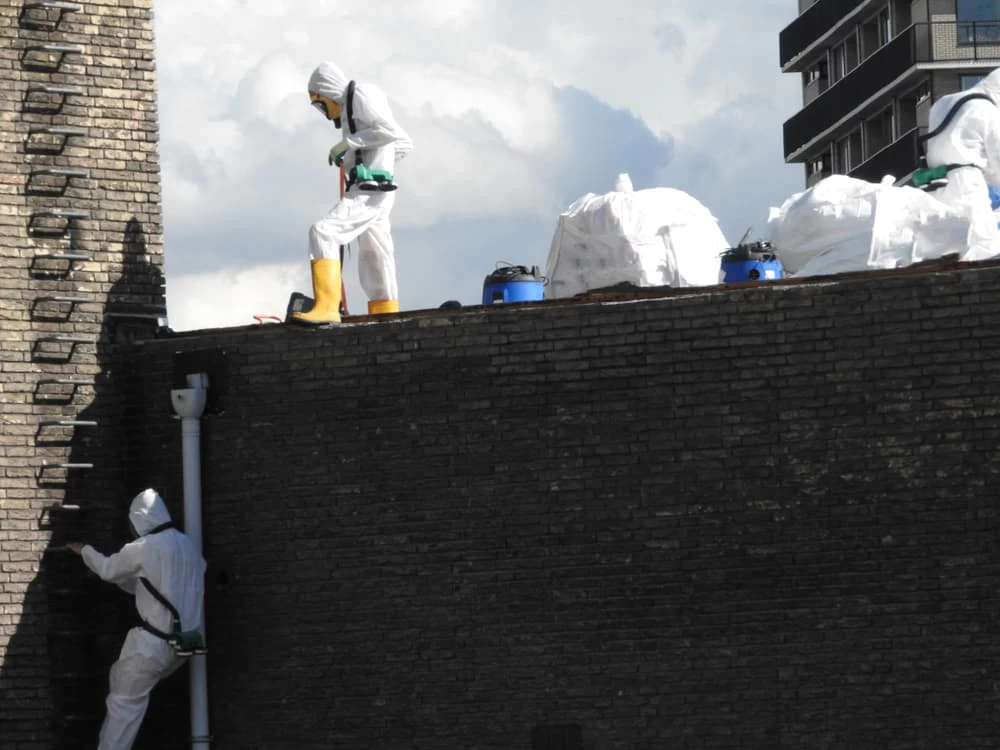
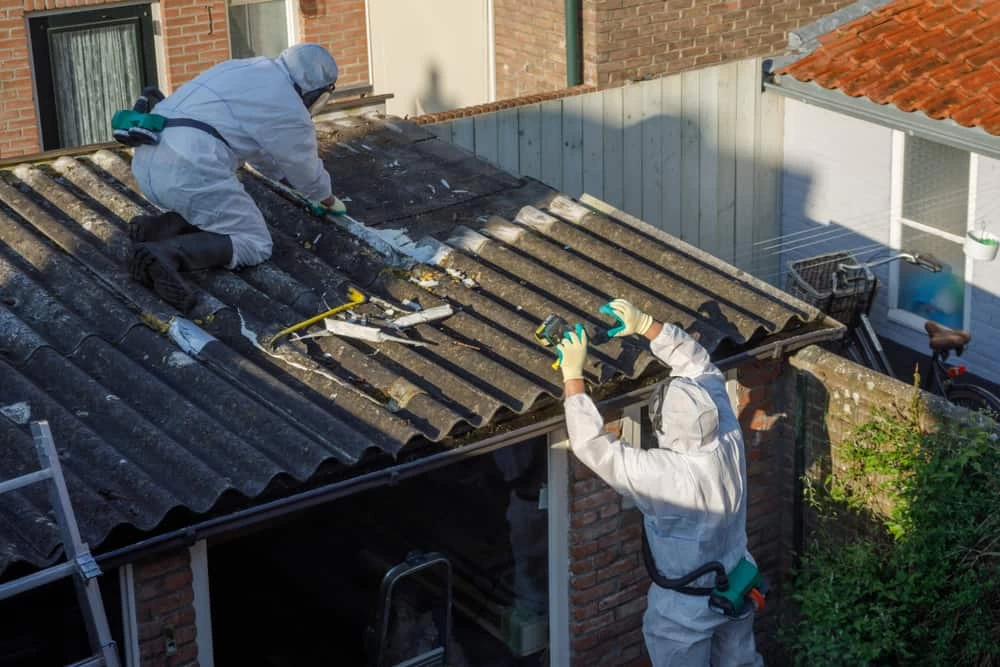
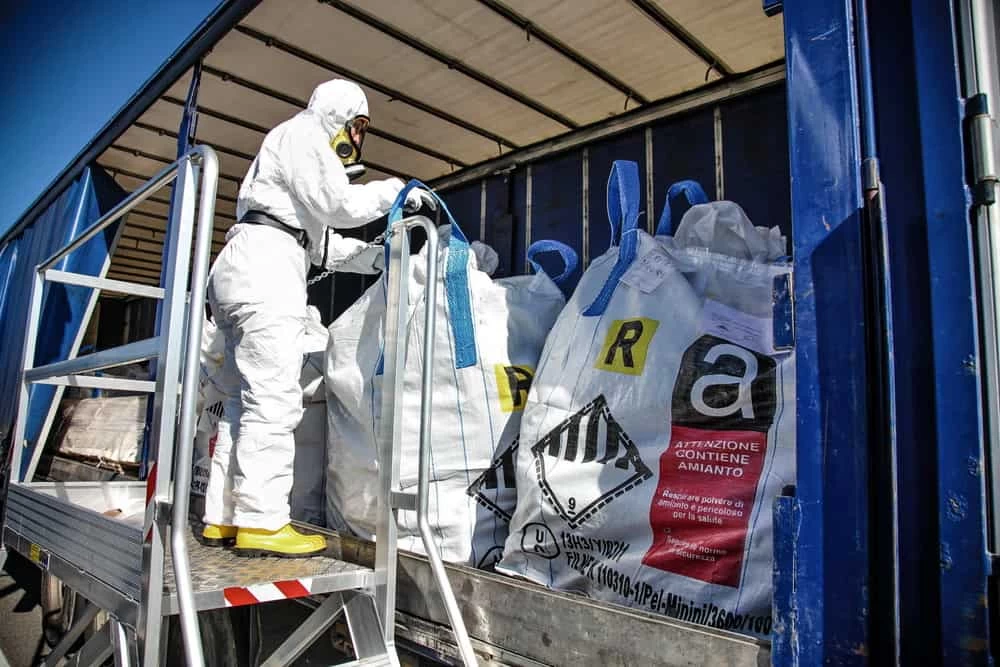
Once confirmed, abatement is performed under strict containment protocols. The work area is sealed, negative air pressure is maintained, and all materials are removed using HEPA-filtered equipment. Nothing leaves the site without proper packaging and a waste manifest documenting the chain of custody to a licensed disposal facility. For Sagaponack properties near the ocean or on agricultural land adjacent to Sagaponack Pond, compliant disposal reflects the environmental standards this community has consistently upheld through initiatives like the Peconic Bay Community Preservation Fund.
After removal, air clearance testing confirms the space is safe before containment comes down. You receive the full documentation package clearance report included so your architect, contractor, and building inspector all have what they need to move forward. The goal is simple: get you to the next phase of your project without delays, liability gaps, or unanswered questions.
Every Material Type, Handled Before Your Renovation Begins
Sagaponack homes don’t fit one profile, and neither do the materials we encounter. Older farmhouses along Sagg Road and Sagg Main Street may have asbestos pipe wrap, asbestos roof shingles, or exterior asbestos siding materials that were standard in construction from the 1920s through the 1950s. Mid-century estates and postwar properties are more likely to have 9×9 vinyl asbestos floor tiles, asbestos-containing joint compound, or textured popcorn ceilings with chrysotile asbestos. We handle all of it asbestos removal, asbestos tile removal, asbestos popcorn ceiling removal, and full asbestos remediation for larger-scope projects under one licensed contractor.
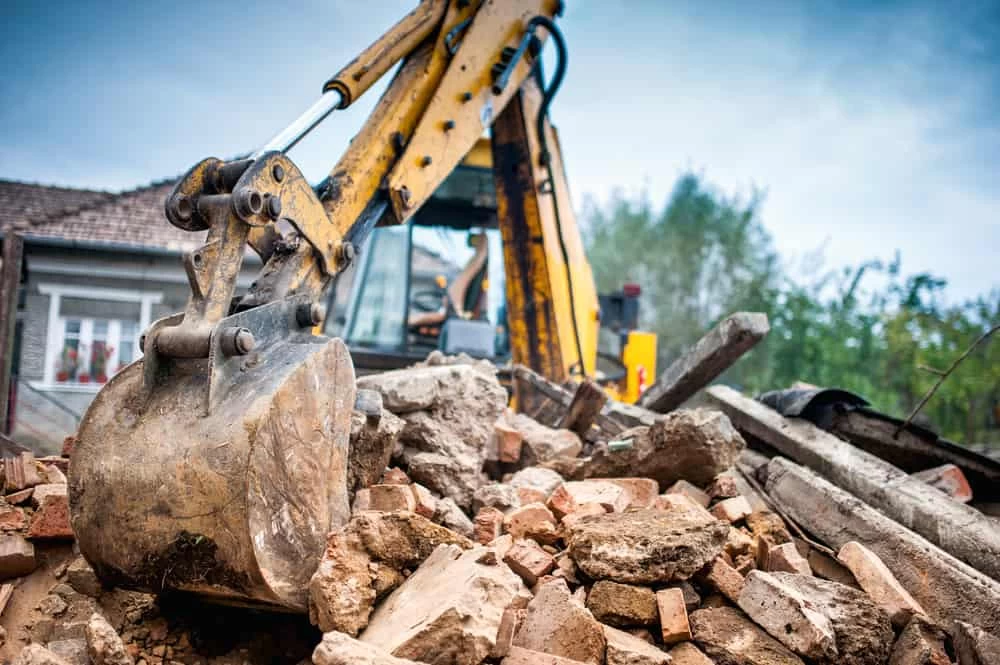
For pre-demolition projects, which are common in this market given how frequently buyers acquire older Sagaponack properties specifically to tear them down and build new, we manage the required EPA NESHAP-compliant inspection and abatement from start to finish. That includes the formal notification to the NYS Department of Labor, which is legally required above certain project thresholds and cannot be skipped. Your general contractor cannot legally begin demolition until this process is complete and documented.
If you’re dealing with storm damage a nor’easter that compromised a roof, flooding that disturbed basement insulation, or structural damage that exposed older materials we also respond to those situations. Atlantic weather events don’t follow renovation schedules, and neither do we when a property needs urgent attention.
Do I legally need an asbestos inspection before demolishing a home in Sagaponack?
Yes and this isn’t a technicality that gets overlooked in this area. Under EPA NESHAP regulations, any owner or operator of a demolition project must have a thorough asbestos inspection conducted by an accredited inspector before work begins. If asbestos-containing materials are identified, they must be properly abated before the structure can be demolished. Failing to do this exposes you to significant federal fines and can halt your entire construction project.
In Sagaponack specifically, where demolition permits are regularly filed with the Town of Southampton Building and Zoning Division and where building inspectors are active, this requirement is not something that slips through the cracks. Beyond the federal mandate, New York State requires notification to the NYS Department of Labor for qualifying abatement projects prior to work starting. If you’ve purchased a property on Daniels Lane, Hedges Lane, or anywhere else in the village with the intention of tearing it down, the pre-demolition asbestos survey is step one not an afterthought.
How do I know if my Sagaponack home actually contains asbestos?
You can’t tell by looking at it that’s the honest answer. Asbestos-containing materials look identical to their non-asbestos counterparts. The only way to confirm presence is through sampling by an accredited inspector and laboratory analysis. What you can use as a practical guide is the age of the structure. If your home was built or significantly renovated between roughly 1920 and 1980, the likelihood of encountering asbestos somewhere in the building is high enough to warrant testing before any renovation work begins.
Given Sagaponack’s building stock which includes structures from the 1600s and 1700s in the Historic District, Victorian-era farmhouses, and mid-century estates throughout the village the question isn’t really “does my home have asbestos?” It’s “where is it, and is it in a condition that requires abatement?” Some materials are stable and don’t need to be disturbed. Others especially in older homes that have experienced decades of Atlantic coastal weathering may be deteriorating and need to be addressed regardless of whether a renovation is planned.
What types of materials in older East End homes commonly contain asbestos?
The list is longer than most people expect. In homes built or renovated between the 1920s and late 1970s, asbestos was used in vinyl floor tiles and the adhesive beneath them, textured popcorn ceilings, pipe and duct insulation, roof shingles, exterior siding panels, joint compound, drywall tape compound, and attic or wall insulation. In older structures the kind found along Sagg Main Street and in the Historic District you may also encounter asbestos in boiler insulation, plaster, and transite panels.
For Sagaponack specifically, the combination of genuine age and coastal exposure matters. Salt air and moisture accelerate the breakdown of materials, which means insulation, roofing, and siding that might still be stable in a more protected inland environment could be friable crumbling and releasing fibers in an oceanfront or near-ocean property. An inspection tells you exactly what you’re dealing with before anyone picks up a tool.
How long does asbestos abatement typically take for a Hamptons renovation project?
It depends on the scope, but for most residential projects in Sagaponack, the abatement work itself once inspection is complete and permits are filed takes anywhere from one to five days. A single material type in a contained area, like asbestos floor tile removal in a kitchen or asbestos popcorn ceiling removal in a few rooms, is typically on the shorter end. A full pre-demolition abatement of an entire structure with multiple material types takes longer and requires more coordination.
What adds time in New York is the regulatory front end. The NYS Department of Labor requires advance notification before qualifying abatement projects begin, and that notification period needs to be factored into your project timeline. If you’re working with an architect or general contractor on a Sagaponack renovation or teardown, the smartest move is to bring us in early before your construction schedule is finalized so the inspection, notification, and abatement can be sequenced without pushing your start date. We work directly with project teams to make sure abatement isn’t the bottleneck.
Can a general contractor just remove asbestos materials during a renovation, or does it require a specialist?
It requires a licensed specialist full stop. In New York State, asbestos abatement above certain thresholds must be performed by a contractor licensed by the NYS Department of Labor. A general contractor who disturbs asbestos-containing materials without proper licensing, containment, and disposal protocols is violating state and federal law, and the liability for that falls on both the contractor and the property owner.
This is particularly relevant in Sagaponack, where renovation projects are high-value and closely scrutinized. A building inspector who finds evidence of improper asbestos disturbance can halt your entire project. Beyond the legal exposure, improper removal without containment and HEPA filtration releases fibers into the air and throughout the structure, creating a contamination problem that is far more expensive to remediate than if it had been done correctly the first time. The cost of hiring a licensed abatement contractor is a fraction of the cost of addressing a contamination event in a multi-million-dollar home.
What does asbestos abatement actually cost for a residential property in Sagaponack?
For most residential abatement projects, costs fall somewhere between $2,000 and $15,000, depending on what materials are present, how much of the home is affected, and whether this is a targeted removal or a full pre-demolition abatement. A single-room popcorn ceiling removal or asbestos floor tile removal in a kitchen is on the lower end of that range. A whole-house pre-demolition abatement involving multiple material types across a larger structure will be toward the higher end or beyond it.
In the context of a Sagaponack renovation or teardown where the property itself may be worth several million dollars and the construction budget often runs into the millions abatement is a relatively small line item. What matters more than the cost of abatement is the cost of getting it wrong: a delayed construction start, a regulatory violation, or a contamination event in a high-value home will cost significantly more to resolve than the abatement itself. We provide clear, upfront estimates after the initial inspection so you know exactly what you’re looking at before any work begins no vague ranges, no surprises on the back end.