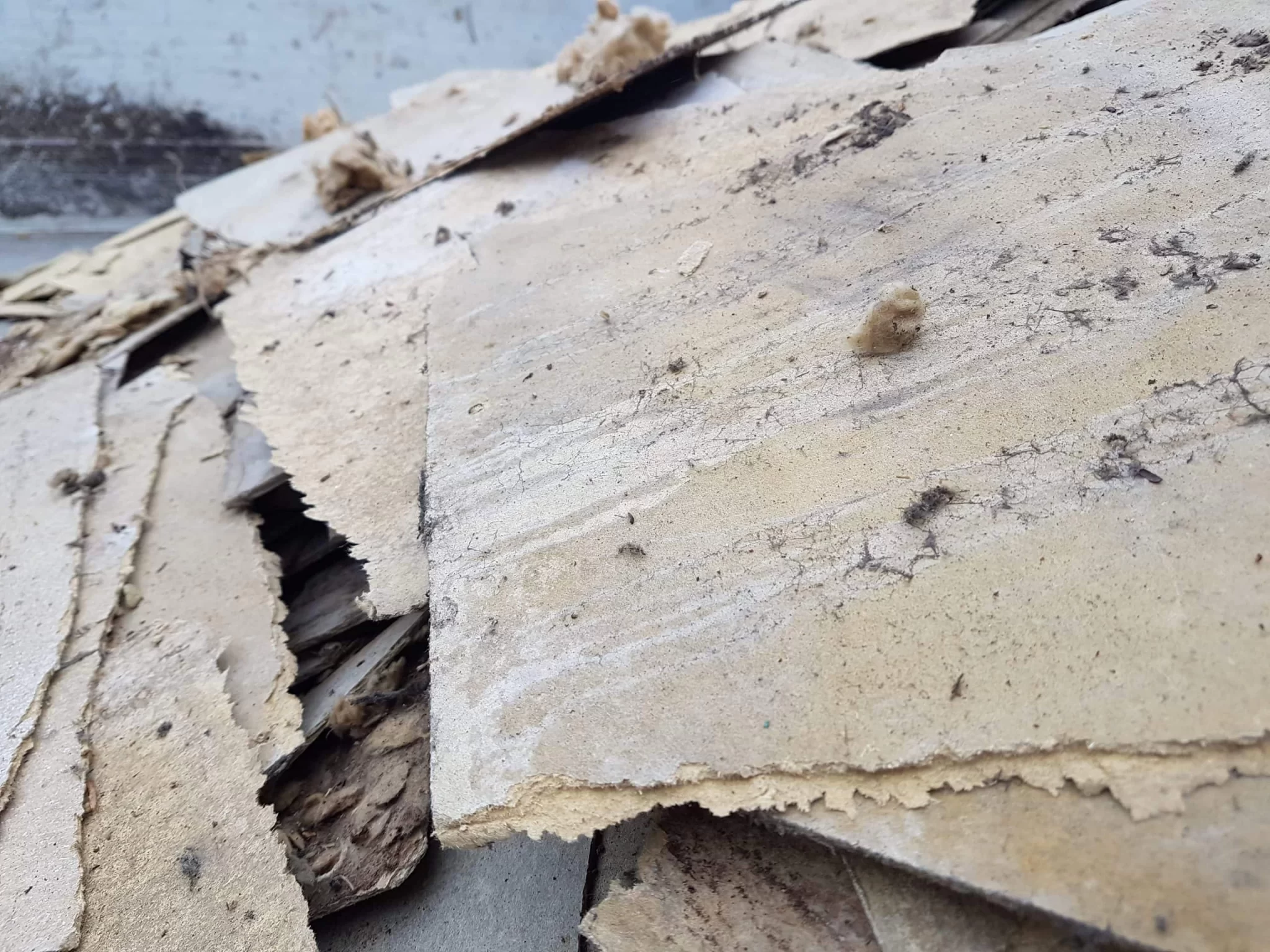
Most homes in Salisbury were built in the 1950s — and nearly all of them have asbestos somewhere. Before your renovation goes any further, here’s what you need to know.
I needed a professional consultation explanation of procedure for safe removal of Asbestos in my apartment complex. Without having an account yet, I was very impressed with the caring, knowledgeable and generous advice offered by Jessica, and will look forward to doing business in the future. Thank you so much! I feel much more informed about a sometimes scary endeavor. Peace. Nancy Silva Mineola, NY.
Mia Munoz
Used this company to clean up some water flood in my house. They were fast and easy to work with.very professional, Would recommend to anyone!
Nini Valle
Great company, had a flood and they responded quickly and efficiently. Billed my insurance company directly. I highly recommend this company!
joe colapietro, jr
I had pipe freeze in my basement right before a snow storm and they made to within an hour to help start the clean up process. They we by our side throughout the entire process and even helped with the insurance company. They did such a great job with the cleanup, repair, remidiation, I contracted them to perform the repairs and finishes in the basement. They came with enough manpower and material to get the job done. Leo and Jessica were nothing but a pleasure to deal with!!
Cristian Arredondo c
I had some water damage in my home and Green Island was able to take care of my issue quickly and effectively. I am very pleased with the work they did. They responded quickly and were very professional.
Michael M
Outstanding service! From the office to the field crew everyone was friendly, helpful and responsive. I highly recommend Green Island Group.
When you’re pulling up old flooring, replacing a boiler, or finally scraping that textured ceiling in your Salisbury Cape Cod or expanded ranch, the last thing you want is to find out mid-project that you’ve disturbed asbestos-containing materials. That discovery doesn’t just create a health risk — it can shut your renovation down entirely until a licensed contractor comes in to remediate it properly. Getting ahead of it is always the better move.
Salisbury’s housing stock is almost entirely made up of homes built between 1948 and 1965 — the exact window when asbestos was used most heavily in residential construction. The 9×9 vinyl floor tiles under your kitchen linoleum, the pipe insulation wrapped around your original steam heating system, the textured ceiling finish in your living room — these aren’t rare finds in this neighborhood. They’re standard features of the era. Knowing what you’re dealing with before work starts keeps your contractor moving and keeps your family safe.
With median home values around $664,000 in Salisbury, proper asbestos abatement isn’t just a safety step — it’s protecting a significant investment. A documented, licensed abatement with a clearance certificate on file is something you’ll want in hand when it’s time to sell, refinance, or simply prove the work was done right.
Green Island Group is a Long Island-based environmental services company that specializes in asbestos abatement, removal, and remediation across Nassau County. We’re not routing your call through a national franchise. We’re a local team that has worked in homes throughout Salisbury and the Town of Hempstead — including the Levitt-style Cape Cods and expanded ranches that line these residential streets near Eisenhower Park.
We hold the full stack of credentials required to legally perform asbestos abatement in Salisbury: New York State DOL certification under Industrial Code Rule 56, and Nassau County’s EHRP and EHRT licensing — the county-specific requirements that many out-of-area contractors don’t even know exist. That matters when your project is being inspected.
What you get with us is straightforward: a certified survey, proper containment, licensed removal, compliant disposal, and a clearance certificate when the job is done. No shortcuts, no gray areas, and no surprises on the back end.
From First Call to Clearance Certificate — No Guesswork
It starts with a certified asbestos inspection. Before any renovation or demolition work begins, New York State Industrial Code Rule 56 requires a licensed inspector to survey the property for asbestos-containing materials. In a Salisbury home built in the 1950s, that survey typically covers floor tiles, pipe insulation, ceiling finishes, joint compound, and roofing or siding materials — all common in Levitt-era construction. The inspection report tells you exactly what you’re dealing with and where.
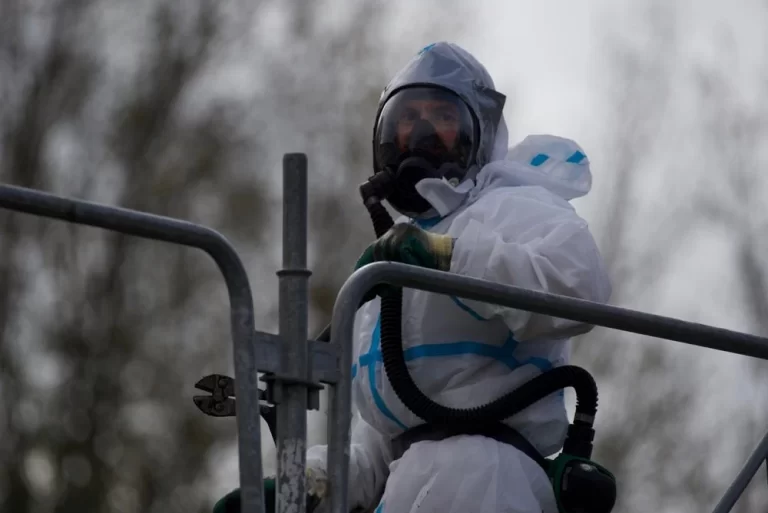
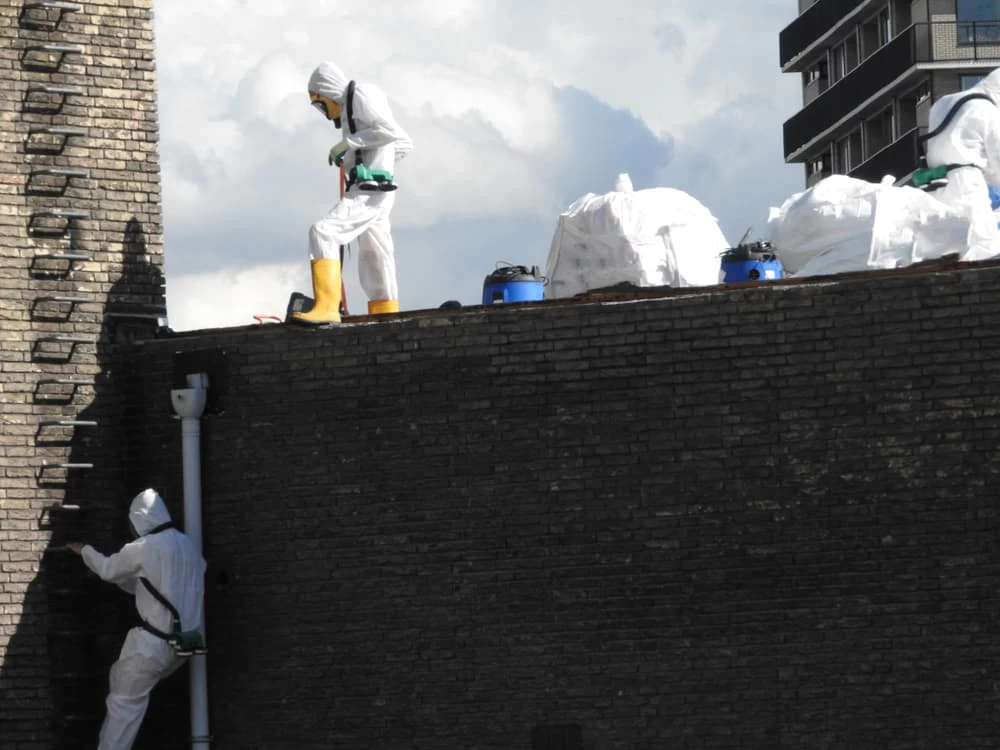
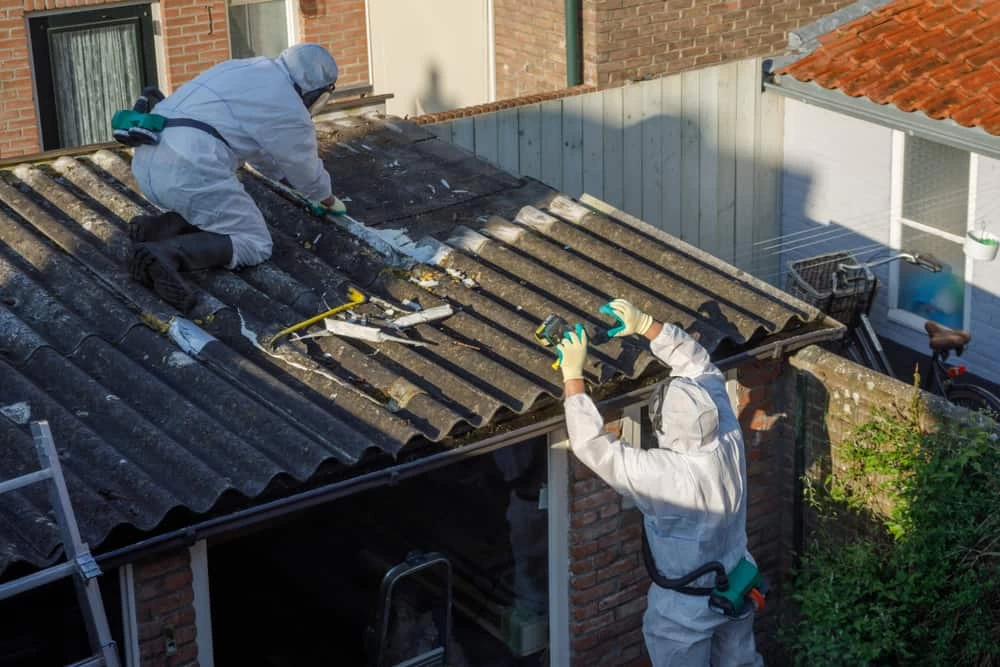
If abatement is needed, we set up proper containment before anything is disturbed. That means physical barriers, negative air pressure systems, and air monitoring throughout the work — not just a guy with a dust mask and a contractor bag. Our certified supervisors manage every phase of the removal to keep the work area isolated from the rest of your home. In Nassau County, this isn’t optional procedure — it’s the regulated standard, and we follow it on every job.
Once the work is complete, we conduct post-abatement air monitoring and issue a clearance certificate confirming that fiber levels meet state standards. That document is what allows your general contractor to move forward, what satisfies the building department, and what protects you legally if questions come up later. The whole process is designed to keep your project moving with zero loose ends.
Built for the Specific Materials in Your Salisbury Home
The most common asbestos-containing materials we find in Salisbury homes are the ones that come standard with the era. The 9×9 vinyl floor tiles in kitchens, bathrooms, and basement floors were a hallmark of Levitt construction and are among the most frequently encountered ACMs in Nassau County. They’re stable when left alone — but the moment you try to pull them up for a flooring upgrade, the risk changes. Our asbestos tile removal process uses full containment and licensed disposal so your subfloor is clean and ready for whatever goes down next.
Pipe insulation is another one that catches homeowners off guard. If your Salisbury home still has its original steam or hot-water heating system — or if you’re replacing an aging boiler — there’s a strong chance the pipes are wrapped in asbestos insulation. HVAC contractors can’t legally proceed until that material has been abated by a licensed contractor. We work directly with heating and renovation crews throughout the area to make sure that handoff happens quickly and cleanly.
Popcorn ceiling removal is the third category we handle regularly in this neighborhood. Many of the textured ceiling finishes applied in Salisbury homes through the 1960s and 1970s contain asbestos as a binder. Scraping them without testing first is one of the most common — and most avoidable — mistakes homeowners make. We test, contain, and remove them properly, leaving you with a clean surface and the documentation to prove the job was done right.
Does my Salisbury home built in the 1950s likely have asbestos in it?
If your home was built between roughly 1948 and 1965 — which describes the majority of Salisbury’s housing stock — the honest answer is yes, there’s a strong likelihood that asbestos-containing materials are present somewhere. Levitt-style homes were built using standardized, factory-produced components, and asbestos was a standard ingredient in several of them: the 9×9 vinyl floor tiles used in kitchens and bathrooms, the pipe insulation on steam and hot-water heating systems, textured ceiling finishes, and the joint compound used in drywall finishing.
That doesn’t mean your home is dangerous as it sits today. Asbestos that is intact and undisturbed doesn’t release fibers into the air. The risk comes when those materials get cut, scraped, sanded, drilled, or pulled up during a renovation. If you’re planning any work on your home — even something as routine as a bathroom retile or a ceiling refresh — a certified inspection before you start is the right first step.
What happens if a contractor disturbs asbestos during my renovation without knowing?
This is one of the more stressful situations homeowners in Salisbury end up in, and it happens more often than people expect — especially in a neighborhood where general contractors working on older homes sometimes pull up floor tiles or scrape ceilings without realizing what they’re dealing with. Once asbestos-containing material is disturbed, the work area needs to stop, the space needs to be contained, and a licensed abatement contractor needs to come in before anything else can proceed.
From a regulatory standpoint, New York State Industrial Code Rule 56 requires that a certified asbestos survey be completed before any renovation or demolition that could disturb ACMs. If that step was skipped and asbestos was released, you’re now looking at a remediation project that’s more complex — and more expensive — than it would have been if the survey had happened first. The best outcome in that scenario is that the disturbance was limited and the remediation can be completed quickly. The worst outcome involves extended displacement, regulatory penalties, and a much larger scope of work.
Do I need a permit for asbestos abatement in Nassau County?
The permitting and notification requirements depend on the scope of the project. Under New York State Industrial Code Rule 56, larger asbestos projects — typically those involving more than certain threshold quantities of material — require advance notification to the NYS Department of Labor’s Asbestos Control Bureau before work begins. Smaller residential projects may not require the same level of formal notification, but they still must be performed by a licensed contractor following all ICR 56 protocols.
What’s specific to Nassau County is the additional licensing layer. Contractors working in Nassau County must hold an EHRP (Environmental Hazard Remediation Professional) license, and technicians must hold an EHRT license. These are Nassau County requirements on top of the state requirements — and they’re not universal across New York. Because Salisbury falls under the Town of Hempstead rather than an incorporated village, building permits for renovation and demolition work flow through Nassau County’s Department of Buildings, and asbestos documentation is typically required before those permits are finalized. Verifying your contractor holds both the state and county credentials before work starts is non-negotiable.
How much does asbestos removal cost for a typical Salisbury home?
Cost varies depending on what materials are present and how much of them need to be abated. For a standard residential inspection in Nassau County, you’re typically looking at $300 to $800. Floor tile removal for a single room generally runs $1,500 to $4,000. Pipe insulation removal can range from $2,000 to $8,000 depending on how much linear footage is involved and how accessible the pipes are. Popcorn ceiling removal runs roughly $1,500 to $5,000 per room. A full pre-demolition survey and whole-house abatement for a major renovation can reach $8,000 to $35,000 or more.
With Salisbury home values sitting around $664,000 and property taxes averaging $10,000 a year, most homeowners here aren’t looking to cut corners — they’re looking to understand what they’re paying for and why. The clearance certificate you receive at the end of a properly documented abatement is worth real money at resale. It eliminates a disclosure problem that could otherwise become a negotiating issue or a deal-breaker with a buyer’s home inspector.
Can I just encapsulate the asbestos instead of removing it?
Encapsulation — sealing asbestos-containing materials in place rather than removing them — is a legitimate option in certain situations, and it’s actually the preferred approach when the material is in good condition and won’t be disturbed. If your 9×9 floor tiles are intact and you’re installing new flooring directly over them, encapsulation may be appropriate. The same logic can apply to certain pipe insulation scenarios where removal would be more disruptive than the risk warrants.
That said, encapsulation is not a universal solution. If the material is already deteriorating — which happens with older pipe insulation that has gone through decades of thermal cycling and moisture exposure, common in Salisbury’s original steam heating systems — removal is typically the right call. Encapsulation also doesn’t work if you’re doing a full renovation that will disturb the material anyway. A certified inspection will tell you which approach makes sense for your specific situation, and a licensed contractor can walk you through the tradeoffs honestly before any work begins.
How do I know if an asbestos contractor is actually licensed to work in Salisbury?
This is worth verifying before you sign anything. In New York, asbestos contractors must be licensed by the NYS Department of Labor under Industrial Code Rule 56. You can verify a contractor’s state license directly through the NYS DOL’s online license lookup. That’s the baseline — but in Nassau County, there’s an additional requirement. Contractors must also hold an EHRP (Environmental Hazard Remediation Professional) license issued by Nassau County, and the technicians performing the work must hold an EHRT license. These county-level credentials are specific to Nassau County and are separate from the state license.
A contractor who holds the state license but not the Nassau County EHRP is not legally authorized to perform abatement work in Salisbury. This is a real gap that homeowners sometimes discover after the fact — usually when a building inspector flags the work or a problem surfaces during a resale inspection. Before any work begins, ask your contractor to provide both their NYS DOL contractor license number and their Nassau County EHRP license. A legitimate, experienced contractor working in this area will have both on file and will have no hesitation providing them.