When Savilton's Older Homes Reveal What's Hidden Inside
Licensed asbestos abatement for Savilton homeowners with written estimates, 24/7 availability, and the clearance documentation your renovation or closing actually requires.
I needed a professional consultation explanation of procedure for safe removal of Asbestos in my apartment complex. Without having an account yet, I was very impressed with the caring, knowledgeable and generous advice offered by Jessica, and will look forward to doing business in the future. Thank you so much! I feel much more informed about a sometimes scary endeavor. Peace. Nancy Silva Mineola, NY.
Mia Munoz
Used this company to clean up some water flood in my house. They were fast and easy to work with.very professional, Would recommend to anyone!
Nini Valle
Great company, had a flood and they responded quickly and efficiently. Billed my insurance company directly. I highly recommend this company!
joe colapietro, jr
I had pipe freeze in my basement right before a snow storm and they made to within an hour to help start the clean up process. They we by our side throughout the entire process and even helped with the insurance company. They did such a great job with the cleanup, repair, remidiation, I contracted them to perform the repairs and finishes in the basement. They came with enough manpower and material to get the job done. Leo and Jessica were nothing but a pleasure to deal with!!
Cristian Arredondo c
I had some water damage in my home and Green Island was able to take care of my issue quickly and effectively. I am very pleased with the work they did. They responded quickly and were very professional.
Michael M
Outstanding service! From the office to the field crew everyone was friendly, helpful and responsive. I highly recommend Green Island Group.
You stop guessing. That’s the most immediate thing. Whether your contractor flagged something under the floor tiles, or you’ve been living with a popcorn ceiling you’ve always been suspicious of, the moment you have a clearance certificate in hand signed off by an independent industrial hygienist, not just the crew who did the work you can breathe differently. Literally.
For homeowners in Savilton and the surrounding Town of Wallkill, this matters in a very specific way. A significant portion of the housing stock here was built between the 1950s and 1970s, right in the middle of the peak era for asbestos use in residential construction. Ranch homes, Cape Cods, split-levels the kind of homes that line the quieter roads around this part of Orange County frequently contain asbestos in places most people never think to check until a renovation forces the issue.
The Wallkill real estate market is also moving fast right now. Median home prices are pushing $425,000 and climbing. When a buyer’s inspector flags potential asbestos-containing materials in a Savilton property and your closing date is already on the calendar, the outcome you need isn’t just removal it’s documented, certified proof that the work was done right. That’s what actually closes the deal and gets your family into the next chapter.
We hold the New York State Department of Labor Asbestos Contractor License required for legal abatement work anywhere in the state including Savilton, the Town of Wallkill, and the broader Orange County area. That’s not a marketing line. It’s a verifiable license you can look up on the NYS DOL website right now. We’ll give you the number.
Beyond licensing, we’ve completed asbestos abatement and environmental remediation projects for the Dormitory Authority of the State of New York (DASNY), the NYS Office of General Services, and multiple county governments. Agencies like DASNY don’t hire contractors on goodwill they verify insurance, licensing, and safety records before a single contract is signed. That institutional track record follows us to every residential and commercial job we take in Orange County, including the homes and properties throughout Savilton.
We also hold dual Minority/Women-Owned Business Enterprise certification from both New York State and New York City government-audited designations that require financial review and ongoing compliance. Not a badge. A record.
It starts with a site assessment. A certified technician comes to your Savilton property, identifies all suspected asbestos-containing materials, and gives you a written estimate before anything else happens. You’ll know the full scope what’s being removed, how it’s being contained, how waste is being disposed of, and what documentation you’ll receive at the end. No surprises on the invoice.
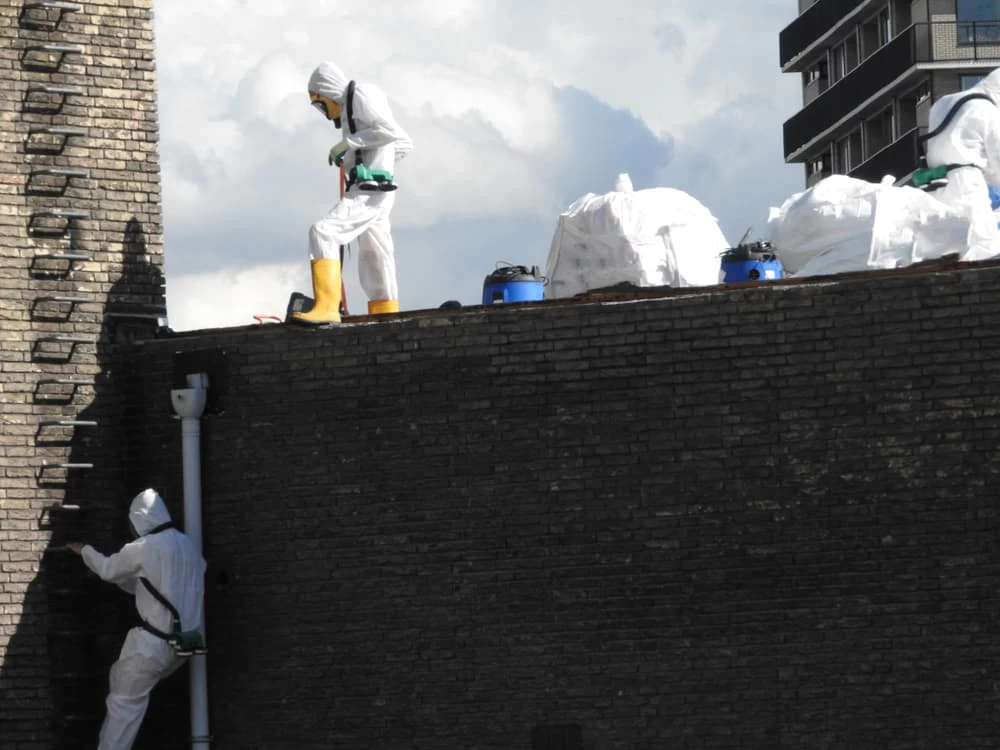
Once work begins, the affected area is properly contained using negative air pressure and sealed barriers to prevent fiber migration into the rest of your home. This isn’t optional procedure it’s required under New York State’s Industrial Code Rule 56, which governs all asbestos abatement work statewide, including here in Orange County. Every material removed is packaged and transported according to NYS DOL and EPA disposal requirements. If your project qualifies under NESHAP thresholds, we handle the required agency notification as well.
Here’s the part most contractors don’t explain upfront: the job isn’t finished when the material comes out. After removal, an independent industrial hygienist someone with no financial stake in the outcome conducts post-abatement air monitoring and issues a written clearance certificate before the space is reoccupied. That document is what your contractor needs to resume work, what your buyer’s attorney needs to close, and what your family needs to feel confident coming home. We coordinate the hygienist. You don’t have to track that down yourself.
Asbestos Tile and Popcorn Ceiling Removal, Wallkill NY
Every Material, Every Corner Nothing Left Behind
Asbestos doesn’t limit itself to one spot in a house. In the pre-1980 homes common throughout Savilton and the Town of Wallkill, it shows up in sprayed acoustic ceilings, in the 9×9 vinyl floor tiles that were standard in mid-century kitchens and bathrooms, and in the black mastic adhesive underneath those tiles which is often more hazardous than the tiles themselves. It’s in pipe insulation wrapped around boilers and heating systems in basements. It’s in drywall joint compound, roofing felt, and sometimes in the transite siding on older outbuildings. We assess and handle all of it.
Asbestos popcorn ceiling removal is one of the most common requests we get from Savilton-area homeowners, particularly those who bought older homes and are now renovating. Asbestos tile removal including the mastic beneath is the other. Both require proper containment, licensed removal, legal disposal, and post-abatement air clearance. Any contractor offering to skip those steps is exposing you to legal liability and leaving your family without the documentation that proves the job was done safely.
If you’re dealing with more than asbestos mold, lead paint, water damage from a burst pipe or ice dam we handle all of it under one roof. You won’t be coordinating three separate contractors and waiting on three separate clearances before your renovation can move forward. We also offer 0% APR financing up to $200,000 for qualifying projects, and we bill insurance directly where applicable. An unexpected abatement cost mid-renovation is a real disruption. We built our process around making it as manageable as possible.
Does asbestos abatement in Savilton, NY require a permit or agency notification?
It depends on the scope of the project. In Savilton, which is an unincorporated hamlet within the Town of Wallkill, asbestos work is governed by New York State law rather than a local municipal code layer. The primary regulation is 12 NYCRR Part 56 New York’s Industrial Code Rule 56 enforced by the NYS Department of Labor Asbestos Control Bureau. For projects that meet certain thresholds, written notification to the NYS DOL is required before work begins. Larger demolition or renovation projects may also trigger federal NESHAP notification requirements through the EPA.
Separately, the Town of Wallkill’s building department may require documentation of an asbestos survey before issuing renovation or demolition permits particularly for projects involving significant structural work. We handle the regulatory side of this for you. We know what’s required under Part 56, we manage the notifications where applicable, and we produce the documentation the town building department and your contractor need to keep the project moving legally.
How do I know if the floor tiles in my older Savilton home actually contain asbestos?
You can’t tell by looking at them. The only way to know for certain is to have a sample collected and tested by a certified laboratory. That said, there are strong indicators worth knowing. Nine-inch by nine-inch vinyl floor tiles were manufactured with asbestos as a standard ingredient through the late 1970s. If your Savilton home was built before 1980 and has original flooring in the kitchen, bathroom, laundry room, or basement, there’s a meaningful chance those tiles contain asbestos and an even higher chance that the black adhesive mastic beneath them does.
The mastic is important because many homeowners assume they can pull up the tiles themselves and deal with whatever’s underneath later. That’s a mistake. Disturbing mastic that contains asbestos without proper containment can release fibers into the air throughout your home. The right move is to have a certified professional assess the material before anything is removed. We can collect samples, coordinate laboratory analysis, and give you a clear picture of what you’re dealing with before any work begins.
What does asbestos popcorn ceiling removal actually involve, and how long does it take?
Asbestos popcorn ceiling removal is a multi-step process that goes well beyond scraping a ceiling. First, the room is prepared furniture removed or covered, HVAC systems sealed off, and the work area fully contained with plastic sheeting and negative air pressure equipment to prevent fiber migration into adjacent spaces. Our workers wear full personal protective equipment throughout. The ceiling material is carefully wetted before removal to suppress fiber release, then removed, bagged in labeled hazardous waste containers, and transported to a licensed disposal facility.
After removal, the space isn’t cleared for reoccupancy until an independent industrial hygienist conducts air monitoring and issues a written clearance certificate. Timeline varies by the size of the space and the condition of the material, but for a typical room in a Savilton-area home, the physical removal process often takes one to two days. The air monitoring and clearance documentation typically follow within 24 to 48 hours. We coordinate the hygienist directly, so you’re not chasing a separate vendor to get the clearance document your contractor or real estate attorney is waiting on.
Can I stay in my home during asbestos abatement, or do I need to leave?
In most cases, you’ll need to be out of the immediate work area, and depending on the size and location of the project, you may need to vacate the home entirely during active removal. This isn’t a recommendation it’s a safety requirement. The containment setup used during abatement is designed to keep fibers inside the work zone, but that containment is only effective when it’s not being disrupted by people moving in and out of the space.
For smaller, isolated projects a single room’s popcorn ceiling or a contained section of flooring it may be possible to remain in other parts of the home while work is in progress, provided proper containment barriers are in place. For larger projects or work in central areas like hallways, basements, or HVAC-adjacent spaces, full vacating is typically necessary. We’ll tell you exactly what’s required for your specific project during the initial site assessment. We don’t give blanket answers on this because the right answer genuinely depends on the layout of your home and the scope of the work.
What happens if a storm or burst pipe disturbs asbestos-containing materials in my Savilton home?
This is more common in Orange County than most people realize. The freeze-thaw cycles that hit the Wallkill area every winter put real stress on older pipe insulation and exterior building materials. When a pipe bursts or ice dam water intrudes into a ceiling or wall, it can disturb asbestos-containing materials that were previously stable and undisturbed meaning materials that weren’t a concern yesterday can become an active hazard overnight.
If you suspect that water damage or storm damage has disturbed asbestos-containing materials in your Savilton home, don’t attempt to clean it up or dry it out yourself. Keep the area closed off and call a licensed abatement contractor immediately. We operate 24 hours a day, seven days a week, specifically because these situations don’t happen on business hours. We’ll assess the extent of the disturbance, contain the area, and begin the abatement process as quickly as possible and if you have homeowners insurance coverage that applies, we bill the insurer directly and work through the claims process with you.
How does asbestos abatement affect a real estate transaction in the Savilton area?
It can affect it significantly but it doesn’t have to derail it. In the current Wallkill real estate market, where homes are selling near $425,000 and buyer competition is real, home inspectors are thorough and buyers are increasingly savvy about environmental due diligence. When an inspector flags suspected asbestos-containing materials, it’s common for buyers to make abatement a condition of sale or to request a price reduction to cover the cost.
The key to keeping a transaction on track is speed and documentation. Lenders, buyers’ attorneys, and title companies don’t need the abatement to be cheap they need it to be done, certified, and documented before closing. That means a written clearance certificate from an independent industrial hygienist, confirming that post-abatement air monitoring passed. We’ve handled abatement projects under real estate transaction timelines specifically. We schedule quickly, complete the work properly, and deliver the clearance documentation in the format your attorney or lender needs. If the closing date is real, we work to it.