Sea Cliff's Victorian Homes Deserve More Than a Generic Crew
More than half the homes in Sea Cliff were built before 1940. If yours is one of them — or if it was renovated between the ’50s and ’80s — asbestos abatement isn’t a maybe. It’s a real conversation worth having before your next project begins.
I needed a professional consultation explanation of procedure for safe removal of Asbestos in my apartment complex. Without having an account yet, I was very impressed with the caring, knowledgeable and generous advice offered by Jessica, and will look forward to doing business in the future. Thank you so much! I feel much more informed about a sometimes scary endeavor. Peace. Nancy Silva Mineola, NY.
Mia Munoz
Used this company to clean up some water flood in my house. They were fast and easy to work with.very professional, Would recommend to anyone!
Nini Valle
Great company, had a flood and they responded quickly and efficiently. Billed my insurance company directly. I highly recommend this company!
joe colapietro, jr
I had pipe freeze in my basement right before a snow storm and they made to within an hour to help start the clean up process. They we by our side throughout the entire process and even helped with the insurance company. They did such a great job with the cleanup, repair, remidiation, I contracted them to perform the repairs and finishes in the basement. They came with enough manpower and material to get the job done. Leo and Jessica were nothing but a pleasure to deal with!!
Cristian Arredondo c
I had some water damage in my home and Green Island was able to take care of my issue quickly and effectively. I am very pleased with the work they did. They responded quickly and were very professional.
Michael M
Outstanding service! From the office to the field crew everyone was friendly, helpful and responsive. I highly recommend Green Island Group.
When asbestos is properly removed and cleared, you stop carrying the weight of not knowing. That’s not a small thing — especially in a home you’ve invested in, a home with history, a home sitting on a bluff above Hempstead Harbor that you plan to keep in the family.
Sea Cliff’s housing stock is genuinely older than most of Nassau County. The median construction year here is 1938, and a significant portion of homes have been layered with mid-century updates — floor tiles, pipe insulation, joint compound, popcorn ceilings added in the ’50s and ’60s on top of original Victorian construction. That layering is exactly where asbestos hides, and it’s exactly what gets disturbed the moment a renovation starts.
The coastal conditions here matter too. Salt air and the humidity that rolls in off the harbor accelerate the breakdown of older building materials. Asbestos-containing materials that might stay stable for decades in a dry inland home can become friable — meaning fiber-releasing — much faster in a waterfront environment like Sea Cliff. Knowing what you have, and handling it correctly, protects your home, your family, and anyone working on your property.
Dual-Licensed, North Shore–Experienced, and Fully Accountable
We’re a Nassau County–based asbestos abatement company, and Sea Cliff is part of the core territory we know well. The adjacent City of Glen Cove is one of our active service areas, which means we’re already familiar with the North Shore’s housing conditions, the Sea Cliff Building Department’s permit process, and what it takes to work compliantly in one of the county’s oldest and most architecturally significant communities.
Asbestos abatement in Nassau County requires licensing at two levels — New York State Department of Labor certification under Industrial Code Rule 56, and Nassau County’s Environmental Hazard Remediation Program (EHRP) contractor license with EHRT-certified technicians. We hold both. That matters because the Sea Cliff Building Department specifically requires NYSDOL approval for asbestos removal work, and not every contractor on Long Island is set up to satisfy that requirement.
When you call us from Sea Cliff, you reach a team that has worked in homes like yours — not a national franchise dispatching unfamiliar technicians from a distant office.
No Guesswork — Here's Exactly What the Process Looks Like
It starts with a certified inspection. Before anything is touched, a qualified inspector assesses your home for asbestos-containing materials — walls, floors, ceilings, pipes, roofing, and anywhere mid-century updates may have introduced ACMs into an older structure. In Sea Cliff, where renovation layers are common in Victorian and pre-war homes, this step often turns up more than homeowners expect. That’s the reality of working in homes that have been updated across multiple generations.
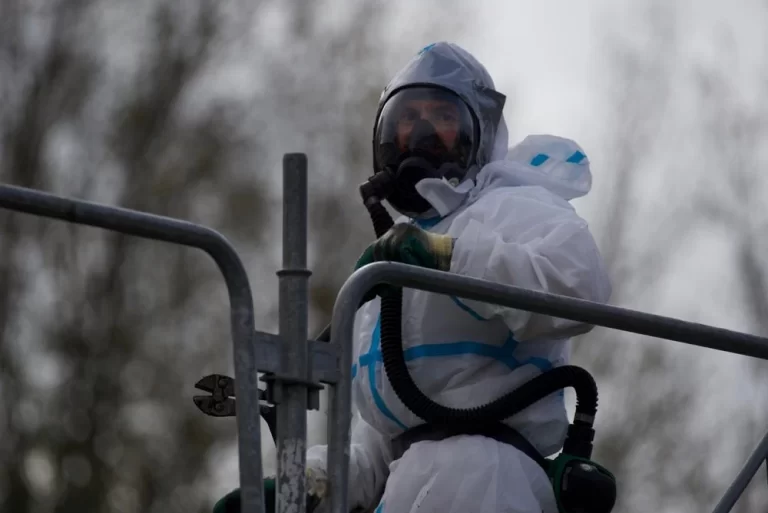
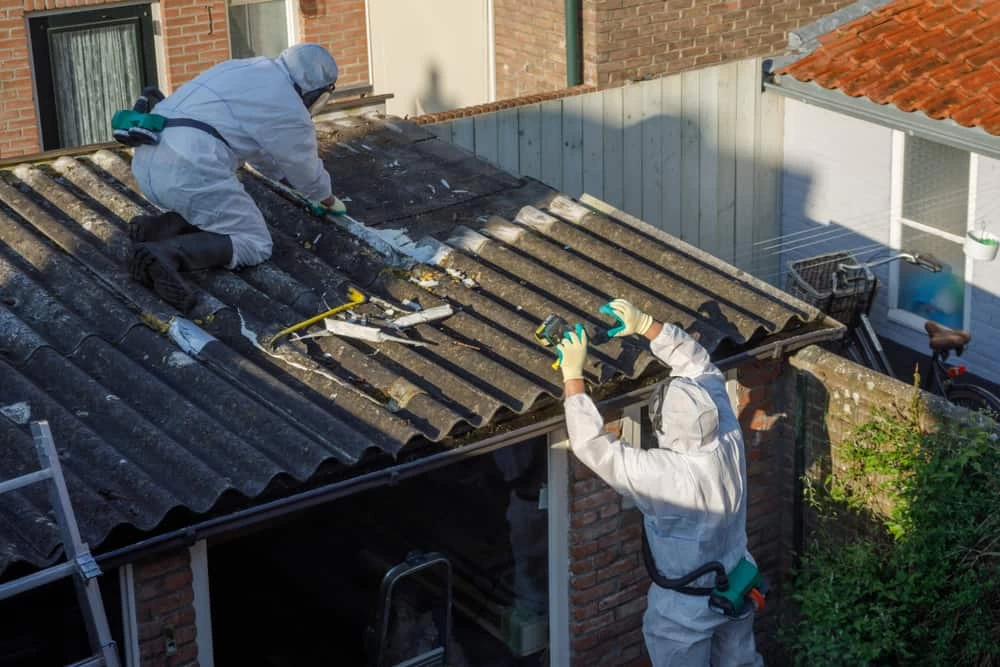
If asbestos is confirmed, we handle the mandatory documentation required by Nassau County before abatement begins. Containment comes next — sealed work zones, negative air pressure units with HEPA filtration, and full personal protective equipment for every technician on site. This is especially important in Sea Cliff, where homes sit on smaller lots with close neighbors and the village prohibits construction work on Sundays and federal holidays, with permitted hours running Monday through Friday 8 a.m. to 5 p.m. and Saturdays 9 a.m. to 5 p.m. We schedule around those rules from day one.
After removal and proper disposal, we conduct post-abatement air clearance testing — independent verification that the space is safe to re-occupy. You get documentation. You get a clear result. And you can move forward with your renovation, your sale, or simply your life.
Every Service Built Around What Sea Cliff Homes Actually Have
Sea Cliff homes don’t fit a one-size template, and neither does our approach. Asbestos tile removal is one of the most common requests we handle here — vinyl asbestos floor tiles installed in the 1950s through 1970s are a fixture in the kitchens, bathrooms, and basements of homes that were updated during that era. We remove them with proper containment so the underlying floor — often original hardwood worth preserving — isn’t compromised in the process.
Popcorn ceiling removal is another frequent project, particularly in homes that received mid-century additions or interior updates between the late ’50s and early ’80s. Those spray-applied textured ceilings frequently contain chrysotile asbestos, and disturbing them without proper abatement protocol is a real hazard. We handle the full sequence — pre-removal air sampling, sealed containment, removal, and post-abatement clearance testing — so you’re not left guessing whether the ceiling work was done safely.
We also perform asbestos inspections and testing for homeowners in the middle of real estate transactions, which comes up regularly in Sea Cliff given the active market for historic properties. Whether you’re listing a Victorian on one of the bluff-side streets or buying a pre-war home and want a clean assessment before closing, we provide the documentation that protects both sides of the transaction.
Does the Sea Cliff Building Department require permits for asbestos removal?
Yes — and it goes beyond a standard building permit. The Sea Cliff Building Department explicitly lists the New York State Department of Labor as a required approving authority for asbestos removal projects. That means your contractor needs to be licensed under NYSDOL’s Industrial Code Rule 56, not just hold a general contractor’s license. On top of that, Nassau County requires that abatement contractors hold an EHRP (Environmental Hazard Remediation Program) license, and individual technicians must carry EHRT certification.
If you hire a contractor who only holds state licensing but isn’t EHRP-credentialed at the county level, you’re looking at a compliance gap that can stop a project, delay a real estate closing, or create liability down the road. Before anyone starts work in your home, ask to see both credentials. We hold both, and we handle the permit coordination with the village as part of the process.
How do I know if my Sea Cliff home actually has asbestos?
You can’t tell by looking. Asbestos-containing materials don’t look different from non-asbestos materials — the only way to know is to have a certified inspector take samples and send them to an accredited lab for analysis. In Sea Cliff, where the median home construction year is 1938 and more than half of all homes predate the 1940s, the probability of encountering asbestos is meaningfully higher than in newer suburban communities.
The materials most commonly found in Sea Cliff homes include vinyl floor tiles from mid-century renovations, pipe insulation in older mechanical systems, roofing felt, joint compound used in 1950s–1970s drywall updates, and spray-applied popcorn ceilings. If your home was built before 1980 and has never had a formal asbestos survey — or if it’s been renovated in layers across different decades — an inspection before your next project is the right call. It’s a straightforward process, and it answers the question definitively.
Is asbestos in older Sea Cliff homes more dangerous because of the coastal location?
Coastal conditions can accelerate the risk. Asbestos-containing materials are generally considered lower risk when they’re intact and undisturbed — but when they begin to deteriorate, they become friable, meaning they can crumble and release fibers into the air. Sea Cliff’s position on the bluff above Hempstead Harbor means homes here are exposed to persistent coastal humidity, salt air, and seasonal freeze-thaw cycles that put stress on older building materials year-round.
Pipe insulation, roofing materials, and floor tiles in a North Shore waterfront home can degrade faster than the same materials in a dry inland environment. That doesn’t mean every Sea Cliff home is a crisis — but it does mean that “stable for now” is worth verifying rather than assuming. A certified inspection gives you a current risk assessment, not just a presence-or-absence answer. That distinction matters when you’re deciding whether to act now or monitor.
What happens if asbestos is found during a renovation already in progress?
Stop work in the affected area immediately. This isn’t an overreaction — it’s the legally correct response and the safest one. Once a material suspected of containing asbestos has been disturbed, continuing to work in that space without containment can spread fibers throughout the home through air movement, foot traffic, and HVAC systems. The first call should be to a licensed asbestos abatement contractor, not back to your general contractor.
In Sea Cliff, where renovation projects in Victorian and pre-war homes frequently uncover layered construction from multiple eras, mid-project discoveries are not uncommon. We’ve handled situations where a kitchen gut renovation hit asbestos tile under a floating floor, or where pipe work in a Victorian basement turned up deteriorating insulation that hadn’t been touched in decades. The process from that point is: certified assessment, containment, removal, clearance testing, and then a green light to resume construction. The timeline depends on the scope, but a well-run abatement doesn’t have to derail your entire project.
Do I need an asbestos inspection before selling my Sea Cliff home?
New York State doesn’t mandate a seller-initiated asbestos inspection before every home sale, but Sea Cliff’s real estate market makes this a practical conversation worth having. The village’s historic homes — many listed on or eligible for the National Register of Historic Places — attract buyers who do their homework. A buyer’s inspector who flags potential ACMs during due diligence can trigger renegotiation, delayed closing, or a deal that falls apart entirely.
Getting ahead of it with a pre-listing inspection gives you control. If asbestos is present and you remediate it before listing, you remove that variable from the transaction. If it’s present and you choose to disclose without remediating, you at least have documentation of the scope and condition, which is far better than a surprise finding during the buyer’s inspection. For Sea Cliff sellers, where home values reflect the premium of the North Shore location and the village’s architectural character, protecting that value through proper documentation is worth the upfront investment.
How long does asbestos abatement typically take in a Sea Cliff home?
It depends on the scope — and in Sea Cliff, scope can vary significantly. A single-room asbestos tile removal in a mid-century kitchen addition might be completed in one to two days. A more involved project — pipe insulation in a Victorian basement, a popcorn ceiling throughout an upper floor, or multiple material types found during a pre-renovation survey — can run several days to a week or more, depending on square footage and the complexity of containment required.
One factor specific to Sea Cliff is the village’s construction hour restrictions. Work is permitted Monday through Friday from 8 a.m. to 5 p.m. and Saturdays from 9 a.m. to 5 p.m. — no Sundays, no federal holidays. We build our project schedules around those rules from the start, so there are no surprises and no stop-work violations that push your timeline back. We’ll give you a realistic estimate of duration before work begins, based on what the inspection actually finds — not a number pulled from thin air to win the job.