Most homes in Seaford were built during the peak decades of asbestos use — and if yours is one of them, a renovation without a licensed asbestos abatement contractor isn’t just risky. It’s illegal under New York State law.
I needed a professional consultation explanation of procedure for safe removal of Asbestos in my apartment complex. Without having an account yet, I was very impressed with the caring, knowledgeable and generous advice offered by Jessica, and will look forward to doing business in the future. Thank you so much! I feel much more informed about a sometimes scary endeavor. Peace. Nancy Silva Mineola, NY.
Mia Munoz
Used this company to clean up some water flood in my house. They were fast and easy to work with.very professional, Would recommend to anyone!
Nini Valle
Great company, had a flood and they responded quickly and efficiently. Billed my insurance company directly. I highly recommend this company!
joe colapietro, jr
I had pipe freeze in my basement right before a snow storm and they made to within an hour to help start the clean up process. They we by our side throughout the entire process and even helped with the insurance company. They did such a great job with the cleanup, repair, remidiation, I contracted them to perform the repairs and finishes in the basement. They came with enough manpower and material to get the job done. Leo and Jessica were nothing but a pleasure to deal with!!
Cristian Arredondo c
I had some water damage in my home and Green Island was able to take care of my issue quickly and effectively. I am very pleased with the work they did. They responded quickly and were very professional.
Michael M
Outstanding service! From the office to the field crew everyone was friendly, helpful and responsive. I highly recommend Green Island Group.
When asbestos-containing materials are properly identified and removed, you stop carrying a liability you may not have even known you had. Your renovation moves forward. Your home is safer. And if you’re selling, you go to closing with documentation that protects the transaction instead of threatening it.
Seaford’s housing stock tells the story clearly. Roughly 64% of homes here were built between the 1940s and 1960s — the exact window when asbestos was standard in floor tiles, pipe insulation, ceiling texture, and joint compound. That’s not a distant risk for a handful of older properties. It’s the baseline reality for most homes on most streets in this community. Whether you’re finishing a basement off Seamans Neck Road or gutting a kitchen in one of the canal neighborhoods near South Oyster Bay, there’s a real chance the materials you’re about to disturb need to be tested before any work begins.
The South Shore location adds another layer. Homes in Seaford’s waterfront areas have seen flooding, storm damage, and post-Sandy repairs over the years. Any time an older home gets renovated after a water event — new flooring, new ceilings, mechanical replacements — asbestos-containing materials can get disturbed without anyone realizing it. Proper abatement before that work starts isn’t overcaution. It’s exactly what the law requires, and it’s what protects your family and your investment.
We Know Seaford's Housing Stock and What It Contains
We are a NYS Department of Labor licensed asbestos contractor serving homeowners throughout Nassau County, including Seaford and the surrounding South Shore communities. Every project we handle follows Industrial Code Rule 56 — the state regulation that governs how asbestos is identified, removed, and disposed of in New York. That’s not a marketing point. It’s the legal standard, and it’s what separates a qualified contractor from one who shouldn’t be touching these materials.
Seaford is squarely in our service area, and that matters beyond just geography. The raised ranches and Cape Cods north of Sunrise Highway, the canal-front homes in Seaford South, the homes with original steam heat systems and original floor tile — we’ve seen all of it. We know what to look for, what typically tests positive in homes of this era, and how to move through a project without turning your home into a construction zone for weeks on end.
It starts with an inspection. Before anything gets removed, a qualified inspector assesses the materials in question and collects samples for lab testing. In Seaford, where the majority of homes predate 1974, New York State’s Industrial Code Rule 56 actually requires this survey before any significant renovation or demolition work begins. That’s not optional — it applies to virtually every remodel happening in this community.
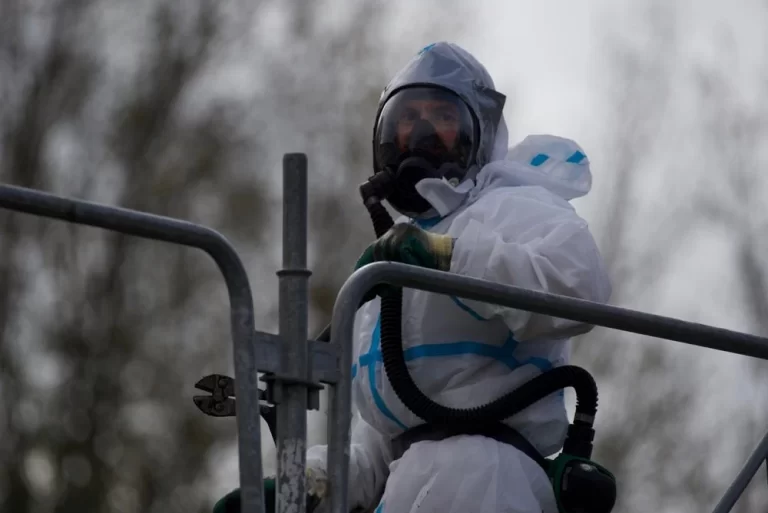
Once the lab confirms the presence of asbestos-containing materials, we put together a written work plan and file the required notification with the NYS Department of Labor’s Asbestos Control Bureau. From there, the work area gets sealed off with proper containment — negative air pressure, poly barriers, and full isolation from the rest of your living space. Your family doesn’t need to leave the entire house in most cases, just the immediate work zone.
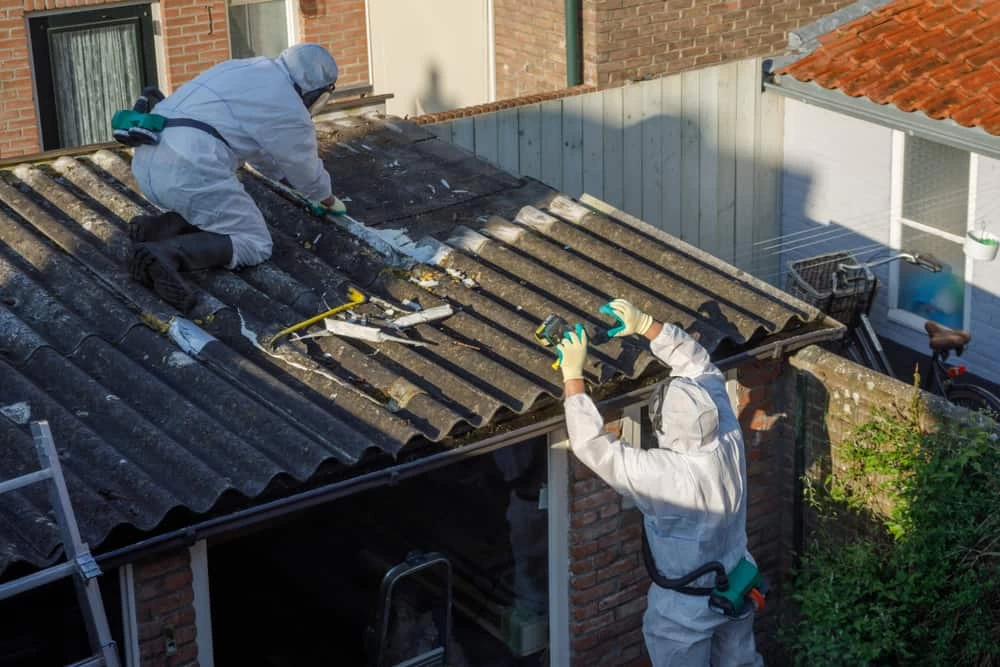
Removal is done by NYS-certified abatement workers following strict handling protocols. All waste is packaged, labeled, and transported to an approved disposal facility — nothing gets bagged and thrown in a dumpster. After removal, a third-party air clearance test is conducted to confirm that airborne fiber levels are below regulatory thresholds before containment comes down. When the job is done, you receive the full documentation package: inspection report, work plan, air clearance results, and disposal manifests. That paperwork matters, especially in a real estate market as active as Seaford’s.
The Materials Most Seaford Homes Are Actually Dealing With
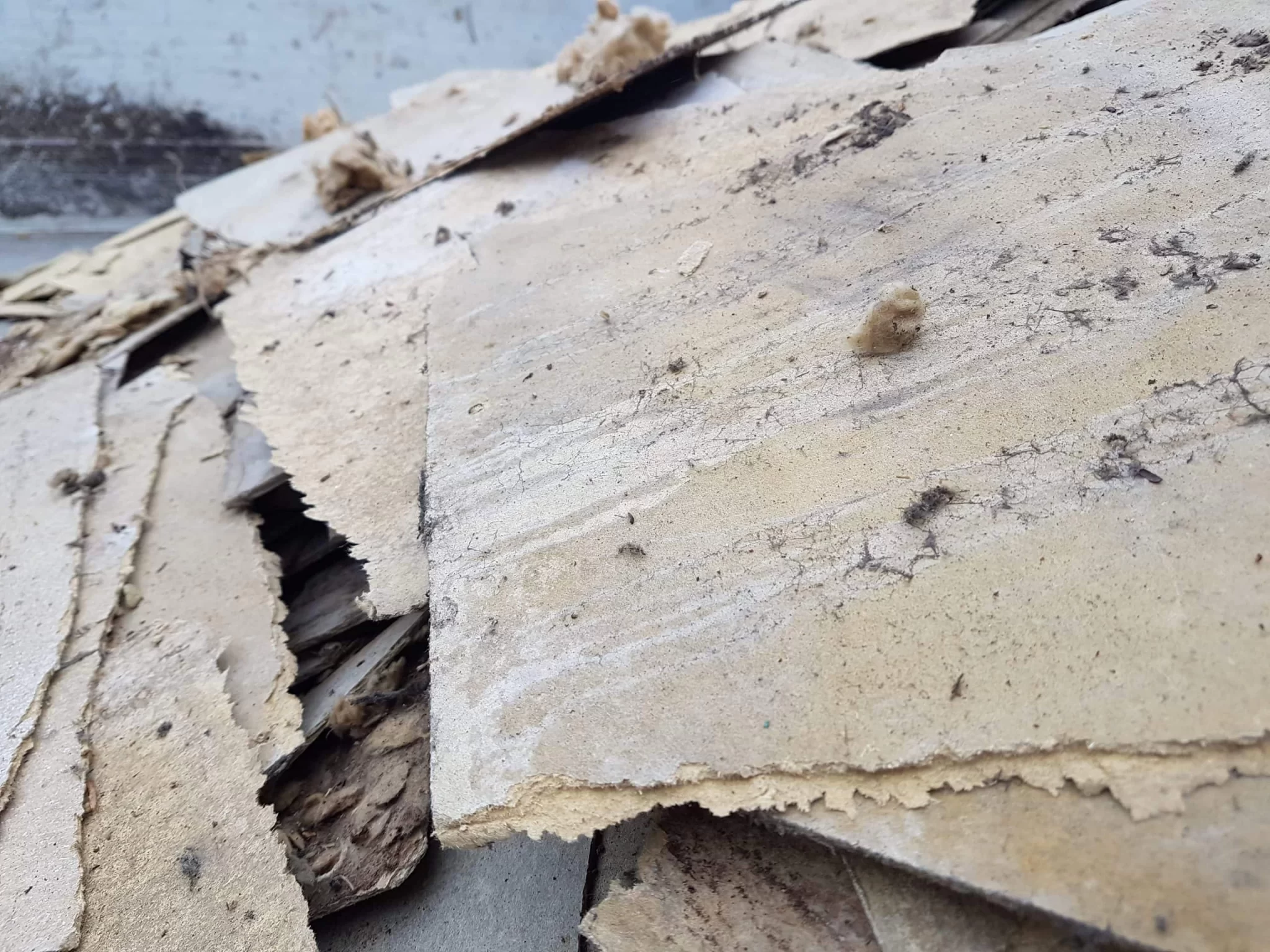
The most common asbestos abatement jobs in Seaford’s postwar housing stock follow a pretty consistent pattern. Asbestos floor tile removal comes up constantly — the 9-by-9-inch vinyl composite tiles installed in millions of homes built in the 1950s and 1960s frequently contain chrysotile asbestos, and so does the black mastic adhesive beneath them. We handle complete asbestos tile removal including the mastic layer, leaving a clean subfloor ready for your new installation with full documentation that the work was done to code.
Asbestos popcorn ceiling removal is another frequent project in Seaford. Spray-applied acoustic ceiling texture was widely used through the late 1970s, and many of the Cape Cods, raised ranches, and split-levels in this community still have original textured ceilings in bedrooms and living areas. If that texture was applied before 1980, it should be tested before any sanding, scraping, or painting takes place. We handle the full removal process — containment, removal, disposal, and air clearance — so the ceiling work your contractor is waiting on doesn’t become a liability.
Beyond tile and ceilings, pipe and boiler insulation is a significant concern in Seaford homes with original steam heat or hot water systems. Insulation on older pipes and around boilers from the pre-1970s era is a high-risk asbestos source, and any mechanical contractor replacing or repairing that equipment should be preceded by a proper asbestos inspection. We assess and abate all of it under the same licensed, documented process.
Does my 1950s Seaford home likely have asbestos in the floors or ceilings?
If your home was built in the 1950s or 1960s, the honest answer is: probably yes, in at least one location. Seaford’s housing stock is overwhelmingly from that era — roughly 64% of homes here were built in that construction window — and asbestos was used routinely in floor tiles, ceiling texture, pipe insulation, joint compound, and roofing materials throughout those decades.
The most common findings in Seaford homes are the 9-by-9-inch vinyl floor tiles in kitchens, basements, and utility rooms, along with the black adhesive mastic underneath them. Spray-applied popcorn ceiling texture is the second most frequent issue, particularly in bedrooms and living areas. Neither of these materials is immediately dangerous if left undisturbed, but the moment you start renovating — pulling up floors, scraping ceilings, opening walls — the risk changes completely. A pre-renovation inspection is the only way to know for certain what you’re dealing with before work begins.
Is asbestos removal in Seaford, NY something I can handle myself to save money?
No — and this isn’t a liability disclaimer, it’s the law. New York State Industrial Code Rule 56 requires that asbestos abatement be performed by a NYS Department of Labor licensed contractor with certified workers. Attempting to remove asbestos-containing materials yourself — or hiring an unlicensed general contractor to do it — is illegal in New York State and can result in fines, stop-work orders, and significant costs to re-remediate a property that was improperly handled.
Beyond the legal issue, there’s the practical one. Asbestos fibers are microscopic, and improper disturbance can contaminate an entire living space in a way that’s both invisible and expensive to address after the fact. The cost of licensed abatement in Nassau County is real, but it’s a fraction of what it costs to deal with a contamination event or a failed real estate inspection that surfaces an improper removal. Doing it right the first time is the only option that makes financial sense.
What does New York State law require before I renovate my older Seaford home?
Under New York State Industrial Code Rule 56, any building whose construction commenced before 1974 must have a pre-demolition or pre-renovation asbestos survey completed before significant remodeling, renovation, or demolition work begins. Given that the overwhelming majority of Seaford’s housing stock predates that threshold, this requirement applies to nearly every meaningful renovation project in the community.
The survey involves a qualified inspector assessing the materials that will be disturbed and collecting samples for laboratory analysis. If asbestos-containing materials are found in quantities above the regulatory threshold, a licensed contractor must prepare a written work plan, notify the NYS DOL Asbestos Control Bureau, and perform the removal under certified conditions before construction can proceed. Skipping this step doesn’t just create a health risk — it creates a legal exposure for you as the property owner, and potentially for any contractor who proceeds without it.
How does asbestos abatement affect a home sale in Seaford's real estate market?
Seaford’s real estate market is one of the most competitive on Long Island right now. Homes are receiving multiple offers and selling well above asking price — which means buyers are motivated, but they’re also bringing inspectors who know what to look for in a 1950s or 1960s South Shore home. A positive asbestos finding during a buyer’s inspection can trigger renegotiation, delay closing, or give a buyer grounds to walk away entirely.
The good news is that a properly documented abatement — completed before listing or during the transaction period — actually strengthens your position. When you can hand a buyer our work plan, air clearance test results, and disposal manifests showing the materials were removed to code, you remove a major objection from the table. We can complete pre-sale asbestos inspections and abatement with the documentation package that keeps your transaction on track. In a market where timing matters this much, having that paperwork ready is a real advantage.
How long does an asbestos abatement project typically take in a Seaford home?
The timeline depends on what’s being removed and how much of it there is. A straightforward asbestos floor tile removal in a single room — including the mastic layer — typically takes one to two days of active abatement work, with air clearance testing and documentation adding a day or two on top of that. A larger project involving multiple rooms, popcorn ceiling removal throughout a home, or pipe insulation in a basement mechanical room will take longer, but most residential projects in Seaford are completed within a week from start to final clearance.
What affects the timeline more than the size of the job is preparation: getting the inspection done, the lab results back, and the NYS DOL notification filed before work begins. If you’re on a renovation schedule or a real estate deadline, the best thing you can do is start the inspection process as early as possible. Waiting until a contractor is standing in your driveway ready to start demo is the scenario that creates real delays.
What happens to the asbestos waste after it's removed from my Seaford home?
Asbestos waste is classified as a hazardous material under both federal EPA regulations and New York State law, which means it cannot be bagged and thrown in a standard dumpster or taken to a regular transfer station. All asbestos-containing waste must be properly wetted during removal to prevent fiber release, then double-bagged in labeled, approved containers and transported by a licensed hauler to a permitted disposal facility that accepts regulated asbestos-containing material.
We handle the entire disposal chain as part of every abatement project. You receive a waste disposal manifest at the end of the job documenting exactly how the material was packaged, who transported it, and where it was disposed of. That manifest is part of the full documentation package we provide — and it’s a document you’ll want to keep on file. In Nassau County, where real estate transactions move fast and buyers do their homework, having that paper trail available for a future sale or permit application is worth more than most homeowners realize until they need it.