Searingtown's 1960s Homes Hide More Than You Think
If your Searingtown home was built between 1960 and 1980, asbestos isn’t a maybe — it’s a when and where. We handle certified asbestos abatement so you can renovate, sell, or breathe easy without the guesswork.
I needed a professional consultation explanation of procedure for safe removal of Asbestos in my apartment complex. Without having an account yet, I was very impressed with the caring, knowledgeable and generous advice offered by Jessica, and will look forward to doing business in the future. Thank you so much! I feel much more informed about a sometimes scary endeavor. Peace. Nancy Silva Mineola, NY.
Mia Munoz
Used this company to clean up some water flood in my house. They were fast and easy to work with.very professional, Would recommend to anyone!
Nini Valle
Great company, had a flood and they responded quickly and efficiently. Billed my insurance company directly. I highly recommend this company!
joe colapietro, jr
I had pipe freeze in my basement right before a snow storm and they made to within an hour to help start the clean up process. They we by our side throughout the entire process and even helped with the insurance company. They did such a great job with the cleanup, repair, remidiation, I contracted them to perform the repairs and finishes in the basement. They came with enough manpower and material to get the job done. Leo and Jessica were nothing but a pleasure to deal with!!
Cristian Arredondo c
I had some water damage in my home and Green Island was able to take care of my issue quickly and effectively. I am very pleased with the work they did. They responded quickly and were very professional.
Michael M
Outstanding service! From the office to the field crew everyone was friendly, helpful and responsive. I highly recommend Green Island Group.
The renovation you’ve been putting off finally moves forward. The sale closes without a last-minute scramble. Your family isn’t breathing in something that was hiding under the kitchen floor or sprayed across the ceiling decades before you ever moved in. That’s what properly handled asbestos abatement actually delivers — not just a cleared space, but real peace of mind backed by documentation.
Searingtown’s housing stock tells the story. The vast majority of homes here were built between 1960 and 1980, which is exactly the window when asbestos was used most heavily in residential construction. Vinyl floor tiles, popcorn ceilings, pipe insulation, roofing materials, joint compound — it was standard practice. In a community where median home values are sitting above $1.1 million and recent sales are reaching $1.7 million, a missed or mishandled asbestos issue isn’t just a health risk. It’s a financial one.
What you get on the other side of a properly completed abatement is a home you can work on, sell, or simply live in without that unresolved question hanging over it. In Searingtown’s fast-moving real estate market, where buyers at this price point come with attorneys and inspectors and environmental checklists, having certified clearance documentation isn’t optional — it’s the difference between a clean closing and a delayed one.
We Know Searingtown's Housing Stock Better Than Anyone
We’re a Nassau County-based environmental services company that has been handling asbestos abatement, asbestos removal, and asbestos remediation for homeowners across Searingtown and the surrounding communities in the Town of North Hempstead. This isn’t a national brand routing your call to a crew that’s never been to Searingtown Road. We’re a local operation that knows the housing stock here, knows the regulations that apply, and knows what a 1967 split-level or a 1974 colonial in this area typically contains.
New York State’s Industrial Code Rule 56 is just the starting point. Nassau County adds its own layer — contractors must hold an EHRP license and technicians must carry EHRT certification. We hold both. That matters because when you’re submitting documentation to a real estate attorney, a lender, or the Town of North Hempstead’s building department, the paperwork has to be right. We make sure it is.
No Surprises — Here's Exactly What the Process Looks Like
It starts with a certified inspection. Before anything is removed, a licensed asbestos inspector surveys the areas of concern, collects samples, and sends them for lab analysis. In Searingtown homes of this era, that typically means checking floor tiles, ceiling materials, pipe and boiler insulation, attic insulation, and any joint compound or drywall that predates 1977. You get a written report that tells you exactly what’s there, where it is, and what condition it’s in.
From there, we handle the regulatory side — project design, notification to the New York State Asbestos Control Bureau where required, and all the permitting that flows through the Town of North Hempstead. You don’t have to figure out which forms go where or which agency needs to be notified before work begins. That’s handled.
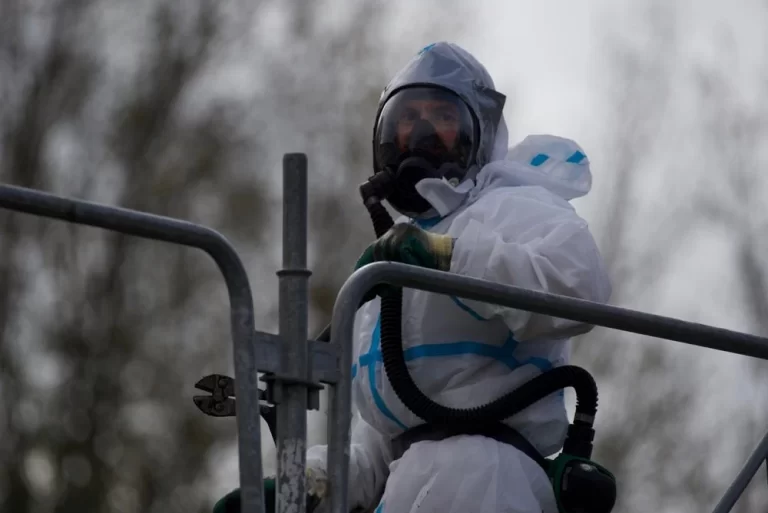
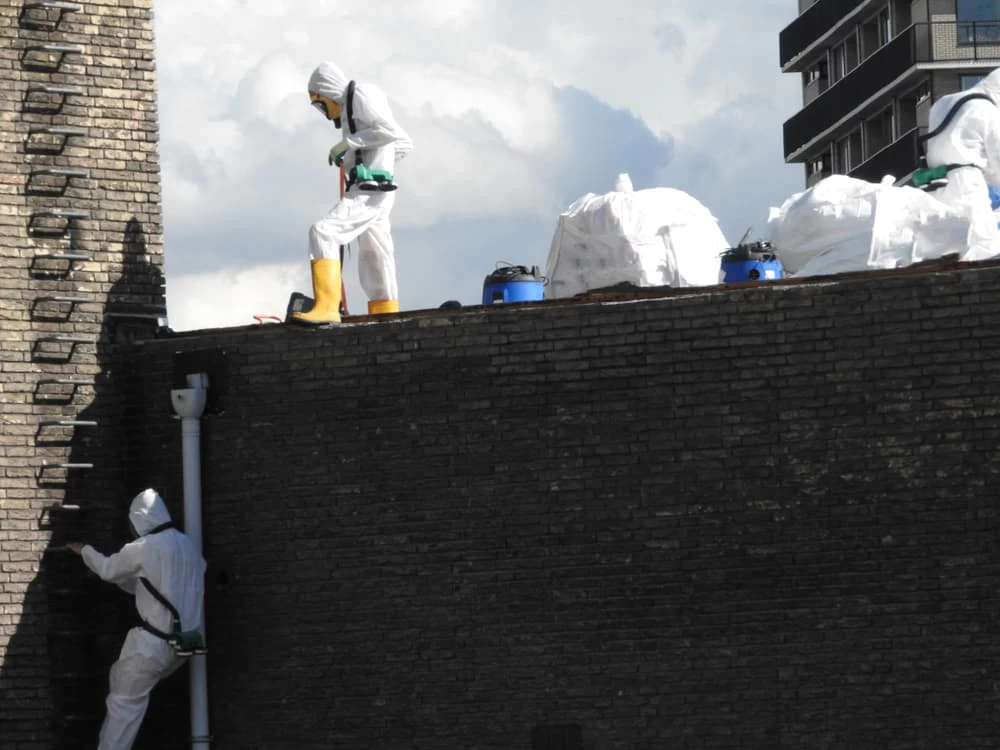
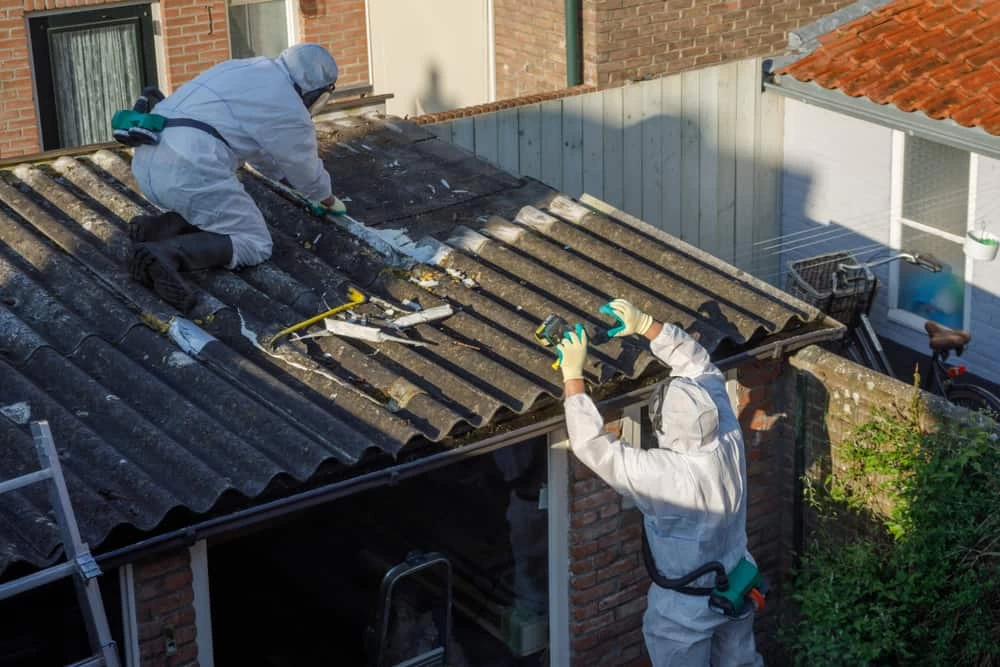
The abatement itself is performed by EHRT-certified technicians following full containment protocol — negative air pressure, sealed work zones, proper PPE, and regulated disposal at a licensed facility with a documented chain of custody. Once the work is complete, air clearance testing is performed by a third party to confirm the space is clean. You receive the full documentation package: inspection report, abatement completion records, and the air clearance certificate. That’s what your attorney, your lender, or your buyer’s inspector will ask for — and it’s exactly what we provide.
The asbestos-containing materials most commonly found in Searingtown’s 1960–1980 homes follow a pretty predictable pattern, and we handle all of them. Asbestos tile removal is one of the most frequent requests — the 9×9 vinyl floor tiles found in kitchens, basements, and rec rooms from this era almost always contain asbestos, and the adhesive beneath them often does too. Careful removal matters here because the goal is to contain the fibers completely while preserving the subfloor so your renovation can continue without extra repair costs.
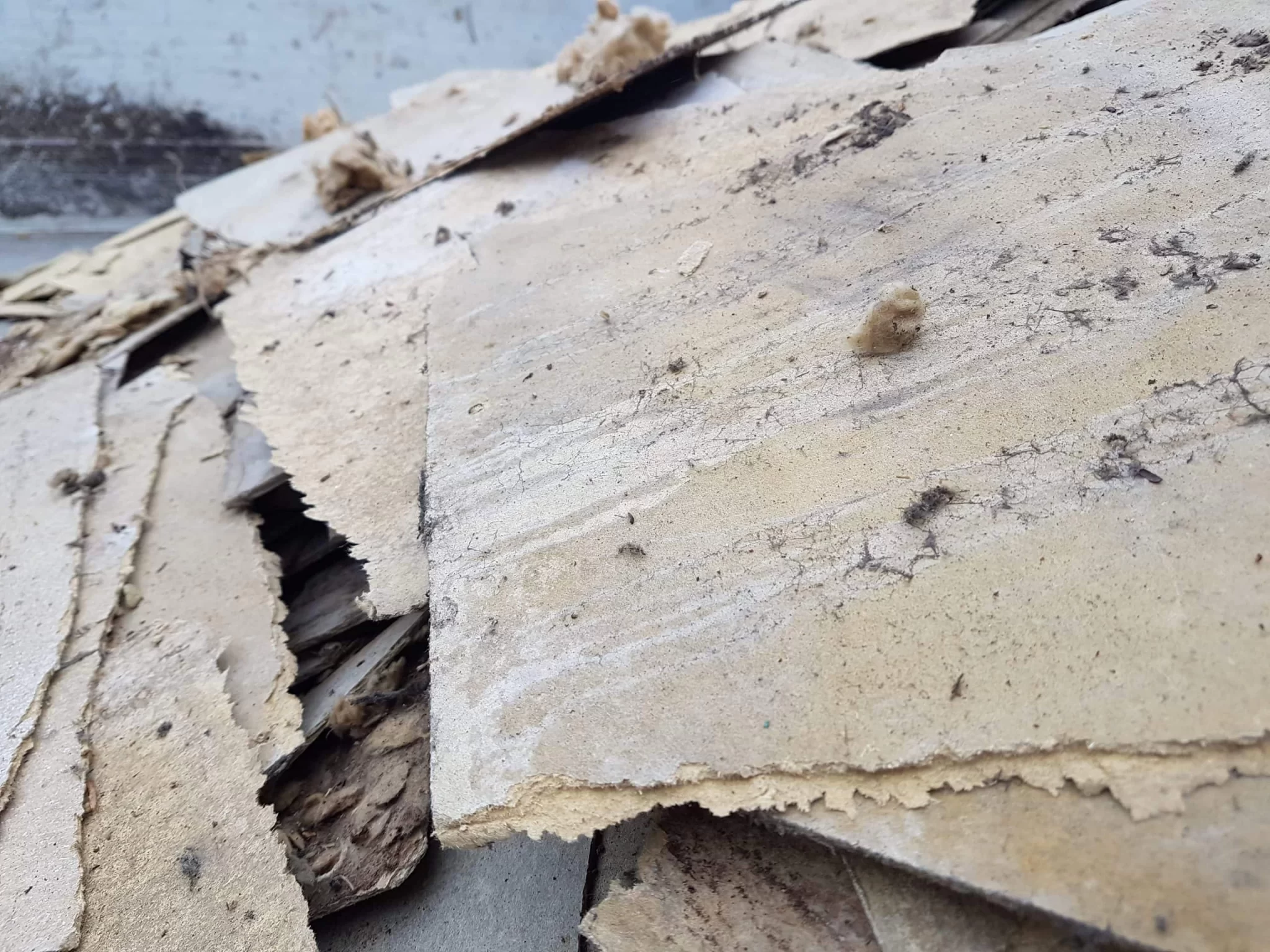
Asbestos popcorn ceiling removal is another major service in this area. Acoustic spray ceilings were standard through the mid-1970s and are still found in a significant number of Searingtown homes. Scraping or sanding them without certified abatement isn’t just risky — it’s a violation of New York State ICR 56. We perform fully contained popcorn ceiling removal so you can move forward with whatever renovation or update you’re planning.
Beyond tiles and ceilings, the scope often extends to pipe and boiler insulation in older heating systems, vermiculite attic insulation, roofing materials, and pre-1977 drywall and joint compound. Whatever the material, the process is the same: certified inspection first, proper containment during removal, compliant disposal, and documented air clearance at the end. Every project we complete in Searingtown comes with the full paperwork package required by Nassau County and the New York State Department of Labor.
Does my Searingtown home built in the 1970s definitely contain asbestos?
Not every home from that era contains asbestos in every material, but the odds are high that at least some asbestos-containing materials are present somewhere. Homes built in Searingtown between 1960 and 1980 were constructed during the period of peak asbestos use in residential building. Floor tiles, ceiling texture, pipe insulation, roofing underlayment, and joint compound were all commonly manufactured with asbestos fiber during those decades.
The only way to know for certain is a certified inspection with lab-analyzed samples. Visual identification isn’t reliable — asbestos-containing materials often look identical to non-asbestos versions. We can survey your home, take samples from the materials most likely to be affected, and give you a written report that tells you exactly what you’re dealing with before any renovation or sale process begins.
Do I need an asbestos inspection before starting a renovation in Searingtown, NY?
Under New York State Industrial Code Rule 56, any renovation or demolition work on a pre-1987 building requires an asbestos survey by a certified inspector before work begins. This isn’t a suggestion — it’s a legal requirement. If you skip the survey and disturb asbestos-containing materials during a renovation, you’re looking at stop-work orders, significant fines, and potential liability for improper asbestos exposure.
In Searingtown specifically, the Town of North Hempstead issues building permits for renovation projects, and any permit application for work on a pre-1987 structure triggers the asbestos assessment requirement. Contractors who pull permits without addressing this first are taking a real risk — and so is the homeowner. Getting the inspection done upfront is straightforward and protects everyone involved.
How long does asbestos abatement typically take for a Searingtown home?
Timeline depends on the scope of what needs to be removed. A single-room floor tile removal in a Searingtown kitchen or basement can often be completed in one to two days. A larger scope — multiple rooms, popcorn ceilings throughout the house, or pipe insulation in a mechanical room — typically runs three to five days for the abatement work itself, not counting the inspection phase beforehand or the final air clearance testing afterward.
The regulatory steps add some time to the overall process. Depending on the size and type of project, notification to the New York State Asbestos Control Bureau may be required before work can begin, and there are mandated waiting periods for certain project types. We handle all of that on your behalf and give you a realistic timeline upfront so you can plan your renovation schedule around it rather than getting surprised mid-project.
What does asbestos abatement cost for a home in Nassau County?
Cost varies based on what materials are present, how much of it there is, and where it’s located in the home. A single-area removal — one room of floor tiles or a small section of pipe insulation — typically starts in the range of $1,500 to $3,000. Larger scopes, like whole-house popcorn ceiling removal or multiple material types across several areas, can run from $5,000 to $15,000 or more depending on square footage and complexity.
In Searingtown, where homes are high-value and renovation projects tend to be substantial, most homeowners are making this decision in the context of a larger kitchen remodel, a full interior update, or a pre-sale preparation. At those investment levels, the cost of certified abatement is a manageable line item — and the cost of skipping it, whether through a delayed closing, a failed permit inspection, or a liability issue, is almost always higher. We provide written, itemized quotes so you know exactly what you’re paying for before any work begins.
Can I sell my Searingtown home without removing asbestos first?
Asbestos that is in good condition and not being disturbed doesn’t automatically require removal before a sale. However, the practical reality of Searingtown’s real estate market is a different conversation. Buyers purchasing homes at the $1 million-plus price point in this area routinely come with environmental attorneys, detailed inspection contingencies, and lenders who require clean environmental documentation before approving financing. Undisclosed or unresolved asbestos issues frequently surface during the buyer’s due diligence and can delay closings, reduce sale prices, or kill deals entirely.
The smarter approach for most Searingtown sellers is to get a certified inspection before listing, understand exactly what’s present, and make an informed decision about what to remediate. Addressing it proactively — and having the certified abatement documentation ready — removes a major contingency from the negotiation and keeps your transaction on schedule in a market where timing matters.
Why does Nassau County require separate licensing beyond the New York State requirements?
New York State’s Industrial Code Rule 56 sets the baseline — licensed contractors, certified technicians, mandatory surveys, project recordkeeping. Nassau County adds its own requirements on top of that through its Environmental Hazard Remediation Program. Contractors working in Nassau County must hold an EHRP license, and every technician on a job must carry an EHRT certification. These are county-specific credentials that are separate from the state-level licensing.
This dual-layer system exists because Nassau County has its own environmental enforcement structure and wants contractors operating here to meet local standards, not just statewide minimums. For Searingtown homeowners, this means that hiring an out-of-area contractor who holds a state license but hasn’t obtained Nassau County’s EHRP credentials creates a real compliance gap — one that can affect permit approvals, create liability, and invalidate the documentation you need for a real estate transaction. We hold both the state and county credentials, which is why the paperwork we provide is accepted by local attorneys, lenders, and the Town of North Hempstead’s building department without issue.