The Rockaways Don't Need a Contractor Who Has to Google the Cross Bay Bridge
Every building in Seaside was constructed in an era when asbestos was standard and when storm surge hits a 1960s Mitchell-Lama co-op, that’s not just a water problem. We handle asbestos abatement in Seaside, NY with the NYC DEP credentials and local familiarity this community actually requires.
I needed a professional consultation explanation of procedure for safe removal of Asbestos in my apartment complex. Without having an account yet, I was very impressed with the caring, knowledgeable and generous advice offered by Jessica, and will look forward to doing business in the future. Thank you so much! I feel much more informed about a sometimes scary endeavor. Peace. Nancy Silva Mineola, NY.
Mia Munoz
Used this company to clean up some water flood in my house. They were fast and easy to work with.very professional, Would recommend to anyone!
Nini Valle
Great company, had a flood and they responded quickly and efficiently. Billed my insurance company directly. I highly recommend this company!
joe colapietro, jr
I had pipe freeze in my basement right before a snow storm and they made to within an hour to help start the clean up process. They we by our side throughout the entire process and even helped with the insurance company. They did such a great job with the cleanup, repair, remidiation, I contracted them to perform the repairs and finishes in the basement. They came with enough manpower and material to get the job done. Leo and Jessica were nothing but a pleasure to deal with!!
Cristian Arredondo c
I had some water damage in my home and Green Island was able to take care of my issue quickly and effectively. I am very pleased with the work they did. They responded quickly and were very professional.
Michael M
Outstanding service! From the office to the field crew everyone was friendly, helpful and responsive. I highly recommend Green Island Group.
What Getting This Right Actually Means for Your Building
When asbestos is handled correctly, your renovation project moves forward. The NYC Department of Buildings issues your permit. The co-op board gets the documentation it needs. The managing agent closes the file. That’s what a compliant, fully documented abatement looks like and it’s the difference between a project that finishes on schedule and one that stalls indefinitely waiting on a DEP sign-off.
Seaside’s housing stock makes this especially relevant. The Mitchell-Lama high-rises along Shore Front Parkway were built in the 1950s and 1960s the peak era for asbestos-containing materials in residential construction. Steam pipe insulation, 9×9 vinyl floor tiles, boiler room materials, ceiling tiles these buildings almost certainly have ACMs somewhere, and any capital improvement project that disturbs them without proper abatement first is a regulatory violation waiting to happen.
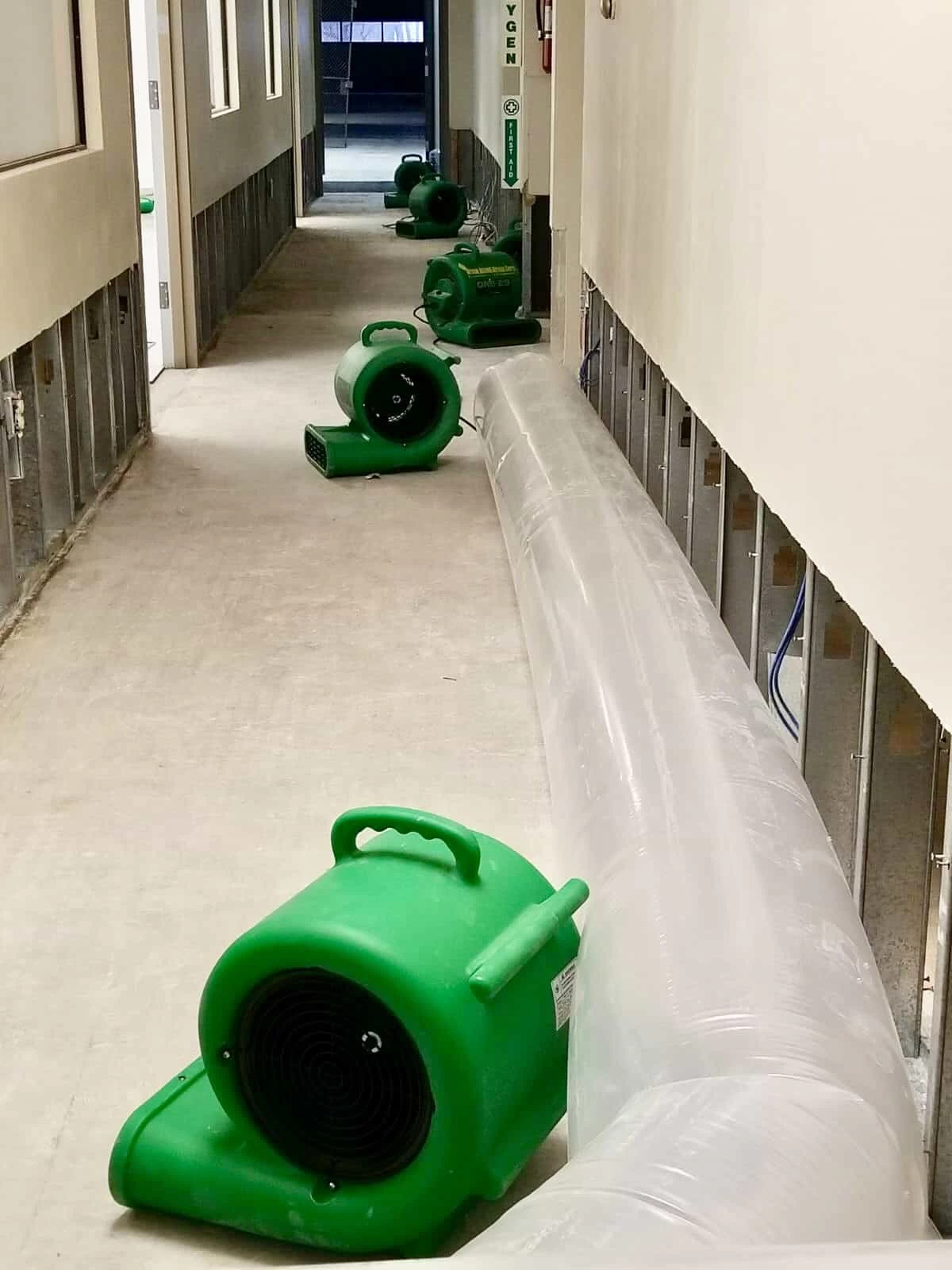
The coastal exposure here adds another layer. When a nor’easter or a storm surge pushes water into the basement of a pre-1970s building in Seaside, the materials that get saturated pipe wrap, floor tiles, ceiling panels can release asbestos fibers when disturbed during cleanup. Having a contractor who handles both water damage and asbestos abatement under one call means you’re not scrambling to coordinate two separate companies at midnight during an emergency. You get one team, one plan, and a clear path forward.
Every NYC Credential Required Already Working Your Peninsula
We are a full-service environmental remediation and general contracting firm based in Bohemia, NY, licensed and operating across Long Island, all five NYC boroughs, and the surrounding region. We hold NYS DOL Asbestos licensing, NYC DEP registration, NYC General Contractor licensing, NYC MWBE certification, and USEPA Lead/RRP certification every credential required to legally perform asbestos abatement in Queens.
We already actively serve Rockaway Park and the surrounding Rockaway Peninsula communities. That matters because Seaside and the broader peninsula aren’t like the rest of Queens. They’re accessible only by bridge, dominated by a specific type of aging cooperative building stock, and governed by NYC DEP regulations that catch unprepared contractors off guard. We know the peninsula, know the building types, and know the regulatory process.
When your co-op board needs an ACP-7 filed, when your managing agent needs post-clearance air monitoring documentation, or when a storm has you calling at 3 AM we answer, and the person who picks up actually knows what you’re dealing with.
No Surprises Here's Exactly How the Process Runs in This Neighborhood
It starts with an asbestos investigation by a DEP-certified inspector. In Seaside, this step isn’t optional NYC DOB requires a completed asbestos assessment before it will issue a renovation permit for any pre-1987 building, and every building on this peninsula qualifies. The inspector identifies the location, condition, and extent of any asbestos-containing materials, and from there, the correct NYC DEP form gets filed. If ACMs are present, that’s an ACP-7 notification submitted through the city’s ARTS system. If the space is confirmed clear, it’s an ACP-5 and your permit process can move forward.
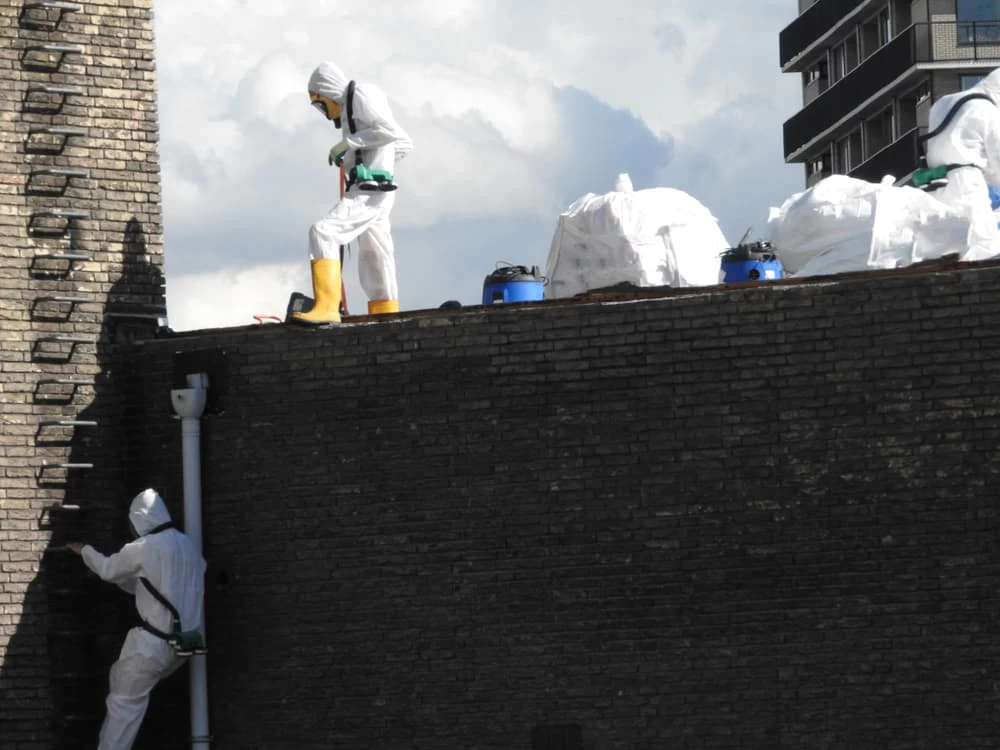
Once DEP approval is in hand, the abatement itself begins. The work area is sealed and contained, negative air pressure is established using Microtrap air scrubbers, and the removal is performed by licensed abatement workers following NYC DEP protocol. For the large-scale heating system and pipe insulation projects common in Seaside’s Mitchell-Lama buildings, this phase is carefully coordinated to minimize disruption to occupied units something a contractor without high-rise residential experience doesn’t always account for.
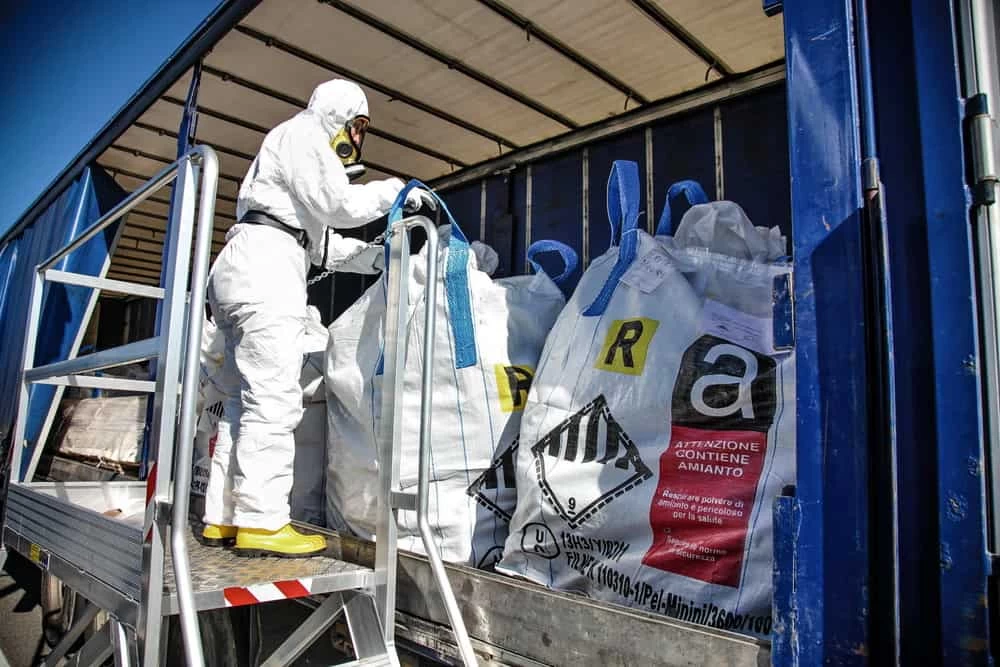
After removal, post-abatement air clearance monitoring is conducted before the containment comes down. You get a documented clearance certificate the paper trail your DOB inspector, your managing agent, and your insurance company all need to see. Then, if reconstruction is part of the scope, we handle that too. One contractor, start to finish.
Built for Co-op Buildings, Coastal Emergencies, and NYC Compliance
Our asbestos abatement scope covers the full range of materials commonly found in Seaside’s building stock: pipe and boiler insulation, vinyl asbestos floor tiles, popcorn and textured ceiling removal, roofing materials, drywall joint compound, and HVAC duct insulation. These are the exact ACM types that show up repeatedly in Mitchell-Lama buildings constructed during the 1950s and 1960s the dominant housing type in this neighborhood.
Beyond the physical removal, what you’re getting is a fully managed regulatory process. That means the DEP investigation, the ACP filing, the ARTS submission, the post-clearance air monitoring, and the final documentation package all handled by one team that already knows how NYC DEP enforcement works in Queens. For co-op boards and managing agents who have watched renovation projects get delayed because the wrong contractor missed a filing step, this matters more than the hourly rate.
We also hold USEPA Lead/RRP certification, which is relevant in Seaside because buildings from this era almost always contain both asbestos and lead paint. Addressing both hazards under one inspection and one contractor relationship eliminates the coordination burden that comes with hiring separately for each. And because we bill insurance directly, post-storm abatement work the kind that follows a nor’easter or a flood event on this peninsula doesn’t require you to fight the claim yourself.
Does every renovation in Seaside require an asbestos inspection before starting?
If the building was constructed before 1987 which covers essentially every residential and commercial structure in Seaside yes, NYC DOB requires a completed asbestos assessment before it will issue a renovation permit. This is not a recommendation or a best practice. It’s a hard stop in the permit process. You cannot legally begin renovation work without it.
The assessment needs to be performed by a DEP-certified asbestos investigator, and the results determine what gets filed with NYC DEP before work proceeds. If asbestos-containing materials are found, an ACP-7 notification must be submitted and approved through the city’s ARTS system before any ACM is disturbed. If the space is confirmed clear, an ACP-5 is filed and your permit process can move forward. Skipping this step or hiring a contractor who isn’t registered to file through ARTS puts your project at risk of a stop-work order and your building at risk of regulatory penalties.
What asbestos-containing materials are most common in Seaside's older apartment buildings?
The buildings along Shore Front Parkway and throughout Seaside were built primarily in the 1950s and 1960s, when asbestos was used across virtually every category of building material. The most common ACMs found in this era of Mitchell-Lama high-rise construction are steam pipe insulation, boiler room materials, 9×9 vinyl floor tiles, ceiling tiles, textured ceiling coatings, roofing materials, and drywall joint compound.
Pipe insulation is particularly prevalent in buildings with steam heating systems the standard heating infrastructure in NYC apartment buildings from this period. If your co-op is planning a boiler replacement, a pipe repair, or any work in the mechanical rooms, there’s a strong probability ACMs are present and will need to be addressed before other trades can proceed. The same applies to lobby renovations, bathroom gut renovations, and roof repairs. The key is getting a professional assessment done first so you know exactly what you’re dealing with before the scope of work is finalized.
Can flood damage from a storm trigger an asbestos problem in a Seaside building?
Yes and this is one of the more urgent scenarios that comes up specifically on the Rockaway Peninsula and in Seaside. When storm surge or heavy flooding pushes water into the basement or lower floors of a pre-1980 building, the materials that absorb that water pipe insulation, floor tiles, ceiling panels may contain asbestos. The problem isn’t the water itself. It’s what happens when someone starts cleaning up without knowing what those materials contain.
Disturbing asbestos-containing materials during flood cleanup pulling up saturated floor tiles, tearing out wet ceiling panels, handling damaged pipe wrap without proper containment and abatement is both a health hazard and a regulatory violation. In Seaside, where nor’easters and coastal storm events are a recurring reality, this isn’t a hypothetical. It’s something that happens. Having a contractor who handles both water damage restoration and asbestos abatement under one call means the situation gets assessed and contained correctly from the start, not after the damage has already been compounded.
How long does asbestos abatement take in a large co-op or apartment building in Seaside?
Timeline depends on the scope specifically, how much material is present, where it’s located, and how the work area can be isolated within an occupied building. A single-unit floor tile removal might take one to two days. A large-scale pipe insulation project in a multi-story Mitchell-Lama building could run one to two weeks or longer, depending on the linear footage involved and how the work is phased around occupied floors.
What adds time in a NYC context and specifically in Seaside’s building type is the regulatory process on either end. The DEP investigation, ACP filing, and ARTS approval need to happen before abatement begins, and post-abatement air clearance monitoring needs to happen before the containment comes down and the space is reoccupied. For co-op boards planning capital improvement projects, building the regulatory timeline into your project schedule from the start not treating it as an afterthought is what keeps the overall project on track. We can walk you through a realistic timeline during the initial assessment.
Does homeowners or co-op insurance cover asbestos abatement after storm damage in NYC?
It depends on your policy and how the claim is framed, but in many cases where asbestos abatement is directly tied to a covered event storm damage, flooding, a pipe burst the remediation costs can be included in the insurance claim. The key is documentation: the insurer needs to see that the abatement was necessitated by the covered damage, not a pre-existing condition that was simply discovered during repairs.
This is an area where working with a contractor who bills insurance directly and understands the claims process makes a real difference. We handle direct insurance billing, which means we work with your adjuster, provide the documentation the insurer requires, and take that coordination burden off your plate. In a neighborhood like Seaside where the Rockaways have seen sustained storm-related insurance activity since Hurricane Sandy having a contractor who knows how to navigate a claim properly is worth more than it might seem on the front end.
Do residents need to leave their apartments during asbestos abatement in a Seaside co-op building?
Whether residents need to vacate depends on where the work is happening and how the containment is set up. For work confined to a single unit, common areas, or mechanical spaces with proper negative air pressure containment, residents in adjacent units may not need to leave but that determination needs to be made by the abatement contractor based on the specific scope and building layout, not assumed.
In Seaside’s large multi-unit cooperative buildings, this question comes up often because co-op boards are responsible for managing the impact on all residents, not just the unit or space being worked on. We have experience working in occupied high-rise residential buildings and structure the work phasing and containment specifically to minimize disruption. We’ll give you a clear answer about occupancy requirements during the initial assessment before the project starts, not after you’ve already told your residents what to expect. That clarity upfront is what lets a co-op board communicate confidently to shareholders and avoid the kind of last-minute surprises that create real friction in a building community.