The farmhouses and historic properties along Sharon Station Road weren’t built with today’s safety standards in mind. When renovation uncovers something suspicious, Green Island Group handles asbestos abatement in Sharon Station the right way licensed, documented, and done.
I needed a professional consultation explanation of procedure for safe removal of Asbestos in my apartment complex. Without having an account yet, I was very impressed with the caring, knowledgeable and generous advice offered by Jessica, and will look forward to doing business in the future. Thank you so much! I feel much more informed about a sometimes scary endeavor. Peace. Nancy Silva Mineola, NY.
Mia Munoz
Used this company to clean up some water flood in my house. They were fast and easy to work with.very professional, Would recommend to anyone!
Nini Valle
Great company, had a flood and they responded quickly and efficiently. Billed my insurance company directly. I highly recommend this company!
joe colapietro, jr
I had pipe freeze in my basement right before a snow storm and they made to within an hour to help start the clean up process. They we by our side throughout the entire process and even helped with the insurance company. They did such a great job with the cleanup, repair, remidiation, I contracted them to perform the repairs and finishes in the basement. They came with enough manpower and material to get the job done. Leo and Jessica were nothing but a pleasure to deal with!!
Cristian Arredondo c
I had some water damage in my home and Green Island was able to take care of my issue quickly and effectively. I am very pleased with the work they did. They responded quickly and were very professional.
Michael M
Outstanding service! From the office to the field crew everyone was friendly, helpful and responsive. I highly recommend Green Island Group.
Your Sharon Station Renovation Doesn't Have to Stop Here
When a contractor stops mid-job because of suspected asbestos, the clock starts ticking. Every day of delay costs money, disrupts your timeline, and adds stress to a project that was already a big undertaking. Getting the right team in fast one that’s licensed under New York State’s Industrial Code Rule 56 and knows exactly what they’re doing means your project gets back on track without cutting corners that could come back to haunt you legally or physically.
The housing stock in and around Sharon Station skews old. Many of the properties along the Harlem Valley corridor, including those near the Coleman Station Historic District, were built in the late 1800s and updated through the mid-20th century. That means layers of renovation on top of original construction pipe insulation, floor tiles, textured ceilings, roofing materials all of which were commonly manufactured with asbestos before 1980. If you’re renovating a farmhouse or historic estate in the Amenia area and you haven’t had an asbestos inspection, there’s a real chance you’re working around materials that need professional attention before the next phase begins.
Proper asbestos remediation also protects your property value. With Amenia home values sitting around $355,000 and buyer interest in vintage and historic properties remaining strong, a documented abatement by a licensed contractor isn’t just a health decision it’s a smart financial one. Buyers, attorneys, and lenders increasingly want proof that hazardous materials were handled correctly. That documentation is something we provide on every job.
Licensed Asbestos Contractor Serving Sharon Station
12 Years In, 5,000 Jobs Done We Know Sharon Station's Buildings
Green Island Group is a certified minority and woman-owned business enterprise with over 12 years of asbestos abatement and environmental remediation experience across New York State. We hold the proper NYS Department of Labor contractor licensing required under Industrial Code Rule 56, and every handler and supervisor on our team carries the state-mandated certifications. We’re also an approved contractor for New York State agencies that’s a government-verified credential, not a marketing claim.
We serve Sharon Station and the surrounding Dutchess County area, including the Town of Amenia. We’re familiar with the building types out here the Victorian-era farmhouses, the historic estate properties, the mid-century additions that brought new materials into old structures. That familiarity matters when you’re trying to understand what you’re dealing with and what the right response actually is.
We also handle mold remediation, water damage restoration, and fire damage restoration. If your older Sharon Station property has more than one issue and many do you’re not juggling multiple contractors. You work with one team from start to finish.
What Actually Happens From First Call to Final Clearance
It starts with a free assessment. You describe what you’re dealing with a renovation discovery, a home inspection flag, deteriorating pipe insulation, whatever brought you here and we come out to evaluate the property. We identify the suspect materials, assess their condition, and give you a clear picture of what’s actually present before you commit to anything. No pressure, no guesswork.
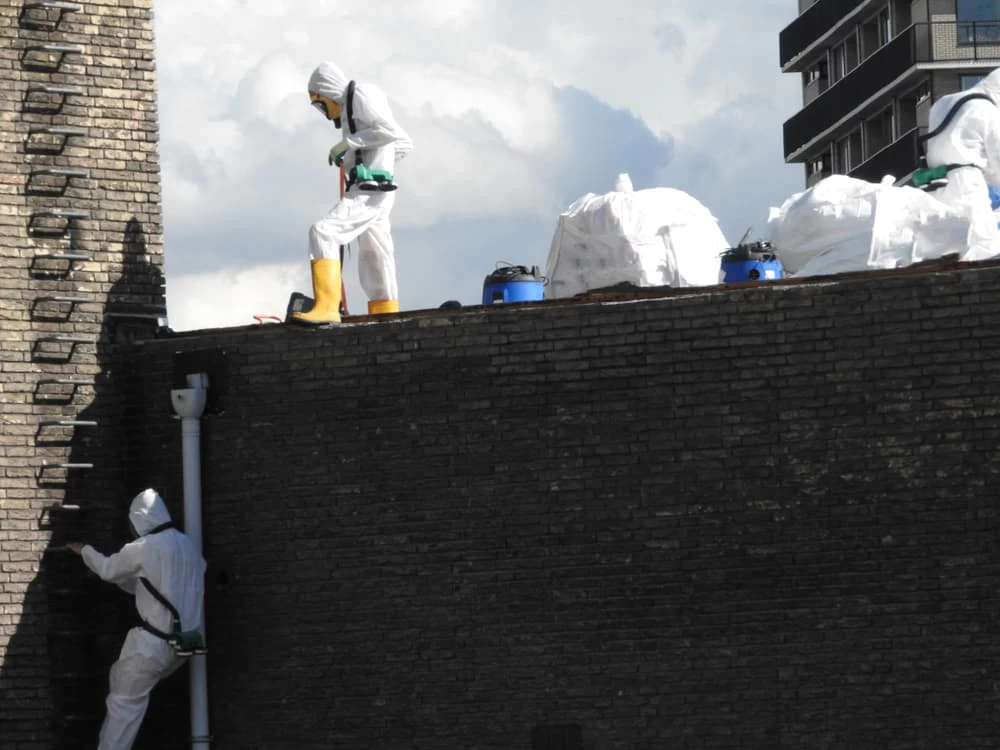
If abatement is needed, we handle the full scope under New York State compliance requirements. That includes proper containment of the work area, safe removal of asbestos-containing materials by NYS DOL-certified handlers, and compliant packaging and transport to a NYS DEC-approved disposal facility. For properties in the Sharon Station and Amenia area, any renovation project involving a pre-1980 structure may also require notification to the NYS DOL Asbestos Control Bureau’s Albany district office, which covers Dutchess County we handle that coordination as part of the job.
The final step is post-abatement air clearance testing. This is the part that confirms the work is actually done not just visually, but at the fiber level. We test the air quality after removal to verify that airborne asbestos levels have returned to safe thresholds before you or anyone else re-enters the space. You receive the clearance documentation, which is what your contractor, insurance company, or real estate attorney will need to see. That paperwork is the difference between a job that’s finished and a job that’s finished correctly.
Asbestos doesn’t show up in just one place. In the older homes and farm properties throughout the Sharon Station and Amenia area, it turns up in pipe and boiler insulation on steam heating systems, 9×9 vinyl floor tiles common in mid-century farmhouse renovations, popcorn ceiling texture applied between the 1950s and 1980s, roofing shingles, exterior siding, and fireproofing materials. We handle asbestos tile removal, asbestos popcorn ceiling removal, pipe and boiler insulation abatement, and full structural remediation whatever the scope, we have the certifications and experience to manage it properly under New York State law.
For properties near the Coleman Station Historic District or other historically designated structures in the Amenia area, we understand that preservation requirements can add complexity to abatement decisions. Historic designation doesn’t eliminate asbestos risk it can actually limit how aggressively materials are removed. We work within those constraints and can help you understand your options before any work begins.
If your situation involves storm damage or a covered loss, we bill insurance companies directly. Our team documents the abatement work to insurance standards and navigates the claims process on your behalf something our customers have specifically called out as a meaningful differentiator. You’re already dealing with enough. That part shouldn’t be on your plate too.
Does my older Sharon Station farmhouse likely have asbestos-containing materials?
If your home was built before 1980 and many properties in Sharon Station and the Amenia area were built well before that there’s a meaningful chance asbestos-containing materials are present somewhere in the structure. The most common locations in older Dutchess County homes are pipe and boiler insulation on steam heating systems, floor tiles (particularly the 9×9 vinyl tiles that were standard in mid-century updates), textured ceiling materials, roofing shingles, and certain siding products. These materials aren’t automatically dangerous when they’re in good condition and left undisturbed. The risk comes when they’re disturbed during renovation, demolition, or deterioration over time.
The Harlem Valley’s freeze-thaw cycles are worth factoring in here. That seasonal stress accelerates deterioration in older insulation and roofing materials, which can cause previously stable asbestos-containing materials to become friable meaning they crumble and release fibers. If you’re planning any renovation work or if you’ve noticed deteriorating insulation or ceiling materials, an inspection before you start is the right first step, not an afterthought.
What does asbestos removal actually cost for a home in Dutchess County?
The average cost of asbestos removal in a New York home runs around $2,170, with most projects falling between $1,296 and $3,050. That range shifts based on the type of material, how much of it is present, where it’s located in the structure, and the scope of containment and disposal required. In the Dutchess County market, costs have trended upward over the past few years updated NYS DOL licensing requirements, higher disposal fees at approved facilities, and mandatory post-abatement air clearance testing all factor into the final number.
The best way to get an accurate figure for your specific property is a direct assessment, not a phone estimate. We offer free, no-obligation assessments so you understand the full scope before committing to anything. We’ll walk you through what’s present, what the appropriate response is, and what it will cost transparently, without pressure. For homeowners dealing with a mid-renovation discovery or a storm-damage scenario, that clarity upfront makes a real difference in how you plan the next steps.
Can I stay in my home during asbestos abatement work in Sharon Station?
It depends on the scope and location of the work. For contained, smaller-scale projects like asbestos tile removal in a single room or pipe insulation in a basement it’s sometimes possible to remain in the home with proper containment measures in place. For larger projects involving significant square footage, multiple areas, or materials close to HVAC systems, temporary relocation is typically the safer and more practical choice. Asbestos fibers can travel through air handling systems and settle on porous materials throughout a home if containment is compromised, and that’s a risk not worth taking.
Your specific situation will determine the answer. During the initial assessment, we’ll give you a clear recommendation based on the location of the materials, the condition they’re in, and the scope of work required. For homeowners in older properties throughout the Sharon Station area where original construction and mid-century renovations often overlap in ways that affect multiple systems it’s important to understand the full picture before deciding whether to stay or go. We won’t give you a one-size-fits-all answer on something that matters this much.
What are the New York State legal requirements for asbestos abatement on my property?
New York State’s Industrial Code Rule 56 governs asbestos abatement across the state, including all residential and commercial properties in Dutchess County. Under this rule, abatement work must be performed by a licensed asbestos contractor not a general contractor, not a handyman, and not a homeowner doing it themselves. Every handler on the crew must hold a minimum 32-hour NYS DOL-approved certification, and supervisors must carry a separate supervisor certification. Asbestos waste must be properly packaged, transported by a licensed hauler, and disposed of at a NYS DEC-approved facility.
For renovation or demolition projects in Amenia involving pre-1980 structures, there may also be notification requirements to the NYS DOL Asbestos Control Bureau’s Albany district office, which covers Dutchess County. The EPA’s NESHAP regulations apply as well for projects that meet certain thresholds. The short version: if you’re dealing with asbestos in New York State, the legal framework is specific and enforceable. Using an unlicensed contractor or attempting DIY removal doesn’t just create a health risk it creates legal and financial liability for you as the property owner. We handle all compliance requirements as part of every job.
I found asbestos during a home inspection before buying in Sharon Station what should I do next?
First, don’t panic and don’t let it automatically kill the deal. Asbestos is present in a significant portion of pre-1980 homes, and its presence doesn’t automatically make a property unsafe or unlivable. What matters is the condition of the material, where it is, and whether the planned use of the space will disturb it. A professional assessment gives you the factual basis to make a smart decision, negotiate appropriately, or require remediation as a condition of sale.
In the Sharon Station and Amenia real estate market, where the inventory includes a meaningful share of vintage farmhouses, historic estates, and rural properties that haven’t been renovated in decades, asbestos flags during home inspections are not unusual. Buyers who get a licensed contractor involved early with a proper assessment and, if needed, documented abatement are in a much stronger position than those who try to negotiate around an unknown. We can provide the inspection, abatement if required, and post-clearance documentation that satisfies buyers, sellers, lenders, and real estate attorneys. That paperwork closes deals. It doesn’t just protect your health it protects the transaction.
How do I know if a contractor is actually licensed for asbestos removal in New York State?
The NYS Department of Labor maintains a public listing of licensed asbestos contractors in New York State. You can verify any contractor’s license status directly through the NYS DOL website before you hire anyone. What you’re looking for is an active asbestos contractor license issued under Industrial Code Rule 56 not just a general contractor’s license, and not a self-described “certification” that doesn’t trace back to a specific state-issued credential. In the Dutchess County and Harlem Valley market, the contractor pool includes regional operators and metro-area companies extending their reach into rural areas. Not all of them carry the specific NYS DOL asbestos contractor license the law requires.
Our licensing is verifiable through the NYS DOL contractor listing. Beyond the license itself, every handler on our team carries the required 32-hour handler certification, our supervisors hold their supervisor credentials, and we carry full insurance. We’re also a certified MWBE and an approved contractor for New York State agencies both of which required independent vetting of our licensing and business practices. If a contractor you’re considering can’t point you to a verifiable NYS DOL license number, that’s your answer.