When the Ferry Brings Your Crew, It Better Be the Right One
Asbestos abatement on Shelter Island isn’t like calling a contractor on the mainland every crew member, every tool, and every load of waste has to cross the water. We plan around that reality from day one.
I needed a professional consultation explanation of procedure for safe removal of Asbestos in my apartment complex. Without having an account yet, I was very impressed with the caring, knowledgeable and generous advice offered by Jessica, and will look forward to doing business in the future. Thank you so much! I feel much more informed about a sometimes scary endeavor. Peace. Nancy Silva Mineola, NY.
Mia Munoz
Used this company to clean up some water flood in my house. They were fast and easy to work with.very professional, Would recommend to anyone!
Nini Valle
Great company, had a flood and they responded quickly and efficiently. Billed my insurance company directly. I highly recommend this company!
joe colapietro, jr
I had pipe freeze in my basement right before a snow storm and they made to within an hour to help start the clean up process. They we by our side throughout the entire process and even helped with the insurance company. They did such a great job with the cleanup, repair, remidiation, I contracted them to perform the repairs and finishes in the basement. They came with enough manpower and material to get the job done. Leo and Jessica were nothing but a pleasure to deal with!!
Cristian Arredondo c
I had some water damage in my home and Green Island was able to take care of my issue quickly and effectively. I am very pleased with the work they did. They responded quickly and were very professional.
Michael M
Outstanding service! From the office to the field crew everyone was friendly, helpful and responsive. I highly recommend Green Island Group.
You get to move forward. Whether that means your contractor can finally break ground on the renovation, your closing can proceed on schedule, or you can stop wondering whether the crumbling insulation in your basement is a health risk the right abatement job removes the uncertainty entirely. You walk away with documentation, clearance, and a clear path ahead.
That matters more on Shelter Island than almost anywhere else in Suffolk County. The island’s housing stock especially in the Shelter Island Heights Historic District, where 141 registered Victorian-era buildings were updated during the mid-20th century carries a higher-than-average likelihood of asbestos-containing materials. Floor tiles, pipe insulation, joint compound, textured ceilings: these were standard in the same decades asbestos use peaked in American construction.
The coastal environment compounds the risk. Salt air, seasonal moisture, and freeze-thaw cycles break down older building materials faster than a dry inland climate would. What might be intact ACMs in another setting can become friable airborne and dangerous much sooner in a marine environment like Shelter Island. Getting ahead of it isn’t overcautious. It’s the only responsible call when you’re dealing with a pre-1980 property on an island where the natural environment is worth protecting.
Licensed for This Work. Familiar With This Island.
We are a NYS Department of Labor-licensed asbestos abatement contractor serving Long Island and the East End including Shelter Island. Every crew member working on your property is certified under Industrial Code Rule 56. That’s not a marketing point; it’s the legal baseline, and it’s one that not every contractor who boards the North or South Ferry can honestly claim.
Working on Shelter Island requires more than a license. It requires knowing the ferry schedules, coordinating logistics in advance, and showing up prepared to complete the job within a defined window because a crew that misses the last boat doesn’t just inconvenience you, it stalls your entire project. We have worked across Suffolk County’s East End and understand what reliable service looks like in communities where access isn’t a given.
From Dering Harbor to the Heights, the properties here are valuable, the community is close-knit, and the expectations are high. We operate accordingly.
It starts with an inspection. Before any removal work begins, a certified NYS DOL asbestos inspector surveys the property to identify where asbestos-containing materials are present and what condition they’re in. For pre-1980 structures which describes most of the housing stock on Shelter Island this survey is legally required before renovation or demolition work can proceed. If you skip it, the law assumes asbestos is present anyway.
Once the inspection is complete and the scope is confirmed, we file the required state notifications and coordinate the project timeline around your schedule and around the ferry. Every detail of the mobilization is planned in advance: crew size, equipment, containment materials, and waste transport. On Shelter Island, there’s no running back to a supply house mid-job. Everything needed to complete the work safely and correctly arrives on the first crossing.
The abatement itself follows strict containment and air monitoring protocols throughout. When the removal is done, post-abatement air clearance testing confirms the space is safe before anyone re-enters. You receive the full documentation package at the end inspection report, abatement records, waste manifests, state notifications, and clearance certification. That’s what your builder, attorney, or lender needs to see, and it’s what we deliver.
The Materials Most Commonly Found Here and What We Do With Them
Two of the most common asbestos abatement needs on Shelter Island are floor tile removal and popcorn ceiling removal and both are direct products of the mid-century renovation wave that touched nearly every older property on the island. Vinyl asbestos tiles were standard when homeowners updated original hardwood floors in the 1950s and 1960s. Textured ceiling finishes applied during the same era frequently contained chrysotile asbestos. If you’re gutting a kitchen, replacing floors, or taking down a textured ceiling in a pre-1980 Shelter Island home, these are the first materials that need to be tested and addressed.
Beyond tiles and ceilings, we handle pipe insulation removal, joint compound abatement, roofing material remediation, and full-structure surveys for properties undergoing major renovation or pre-sale preparation. Given Shelter Island’s high property values median sold prices exceeded $2 million in late 2024 the cost of a proper abatement is a small fraction of what’s at stake in a delayed closing or a failed inspection.
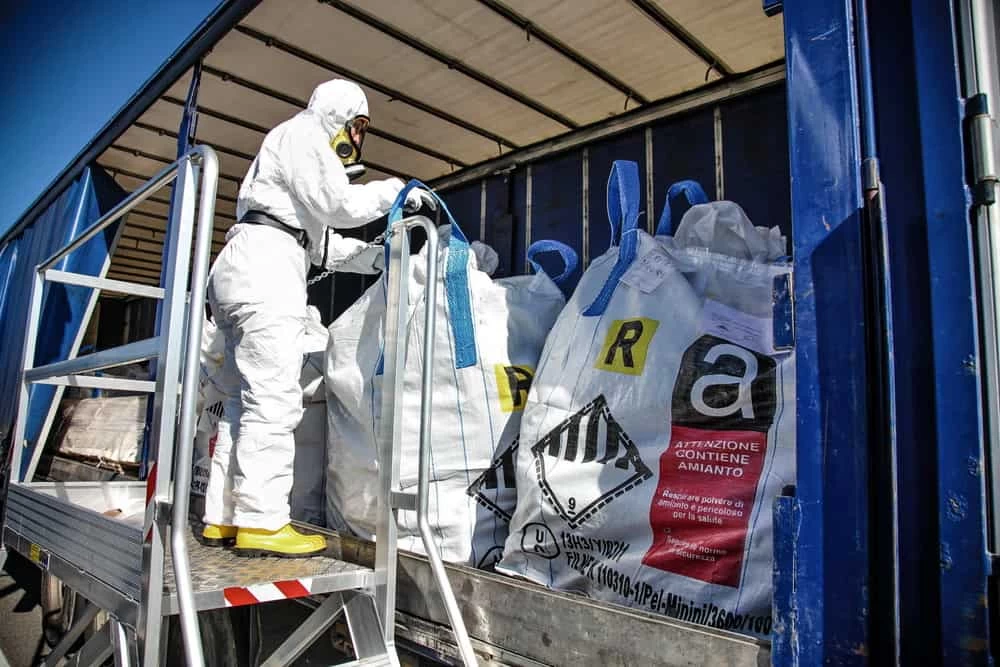
All asbestos waste generated on Shelter Island projects is transported off-island and disposed of at NYS-approved facilities following Suffolk County protocols. Nothing is left behind, nothing is cut short, and the documentation you receive reflects every step of the process from first inspection to final clearance.
Do I need an asbestos inspection before renovating my Shelter Island home?
Yes and under New York State law, it’s not optional. Industrial Code Rule 56 requires a certified asbestos inspection before any renovation, demolition, or repair work that could disturb potential asbestos-containing materials in a pre-1980 structure. If no inspection is completed, the law presumes asbestos is present, and work cannot legally proceed without addressing it.
On Shelter Island, this applies to a significant portion of the housing stock. The Shelter Island Heights Historic District alone contains 141 contributing buildings, most dating to the Victorian era and many updated during the mid-20th century when asbestos use was at its peak. Even if your home looks modern inside, the materials underneath floor tiles, pipe insulation, ceiling texture, joint compound may date to an era when asbestos was standard. An inspection before renovation isn’t just a legal requirement on Shelter Island; it’s the step that tells you exactly what you’re working with so the project doesn’t stall mid-construction.
How does asbestos abatement actually work on an island only accessible by ferry?
It requires more planning than a standard mainland job, and any contractor who doesn’t acknowledge that upfront probably hasn’t done it before. We coordinate every Shelter Island project around the North and South Ferry schedules the only vehicle access points to the island via Route 114. That means crew size, equipment, containment materials, and waste transport are all confirmed before the first crossing. There’s no mid-job run to a supply house.
Practically speaking, you should expect a pre-job coordination call where we walk through the full scope, timeline, and logistics specific to your property’s location on Shelter Island. Whether you’re in Dering Harbor, near the Heights, or further along the Menantic Road corridor, the plan accounts for your access situation. The abatement work itself follows the same NYS DOL protocols as any other project containment, air monitoring, certified removal, and post-clearance testing. The ferry adds a layer of logistics, not a compromise in standards.
What types of materials in older Shelter Island homes typically contain asbestos?
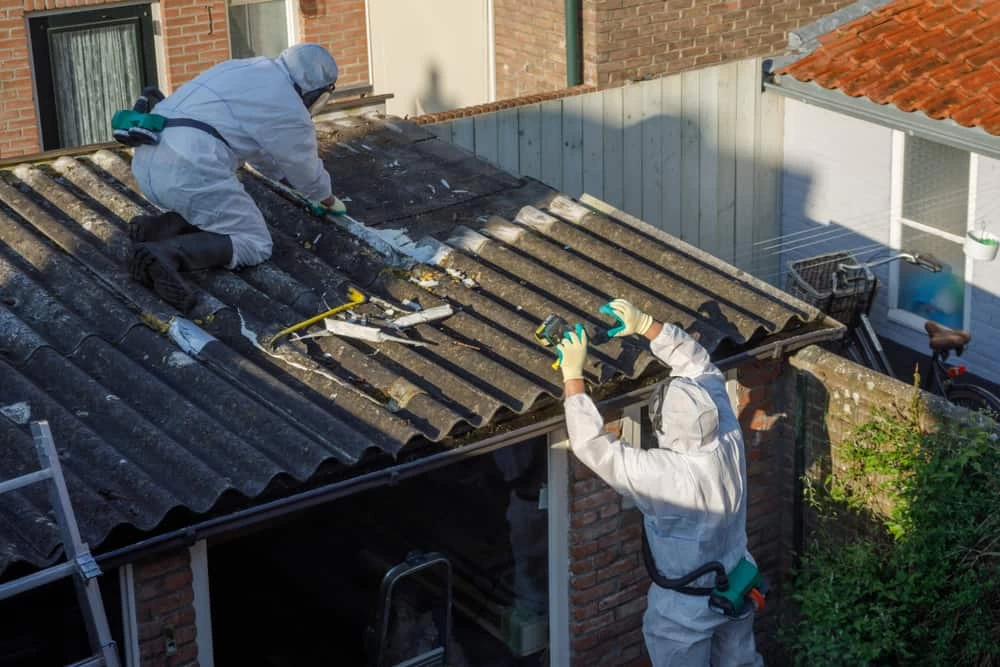
The most common ones we find in Shelter Island properties are vinyl floor tiles, pipe and boiler insulation, textured ceiling finishes, and joint compound used in drywall installations. These materials were all widely used during the 1950s through the 1970s the same decades when many of the island’s Victorian-era cottages and seasonal homes were being modernized. If a previous owner updated the floors, ceilings, or HVAC system during that window, there’s a reasonable chance asbestos-containing materials are present somewhere in the structure.
Roofing materials and exterior siding from this era can also contain asbestos, and on Shelter Island specifically, the coastal environment accelerates their deterioration. Salt air and moisture infiltration cause older materials to break down faster, which increases the risk of friable asbestos the kind that becomes airborne and poses an active inhalation hazard. If you’ve noticed crumbling insulation around older pipes, damaged ceiling texture, or deteriorating floor tiles in a home that hasn’t been recently renovated, those are the materials to have tested first.
Will asbestos abatement affect my real estate closing timeline in Shelter Island?
It can but only if it catches you off guard. When a buyer’s inspection flags suspected asbestos, lenders and attorneys increasingly require abatement documentation before a deal can close. On Shelter Island, where median home values have exceeded $2 million, that contingency can put a significant transaction on hold if abatement isn’t addressed quickly and correctly.
The good news is that when abatement is handled by a licensed contractor with a clear process, it doesn’t have to derail a closing. We provide the complete documentation package inspection report, abatement records, waste manifests, state notification confirmations, and post-clearance air testing certification that your real estate attorney and lender need to satisfy the contingency. The key is starting the process as soon as the issue is identified, not waiting to see if it resolves itself. On an island where every contractor visit involves a ferry crossing, early coordination makes the difference between a minor delay and a missed closing date.
Is asbestos abatement in Shelter Island more expensive than on the mainland?
Honestly, it can be and the reason is straightforward. Every crew member, every piece of equipment, and every load of asbestos waste has to cross the water by ferry. That adds real logistical cost that a mainland job doesn’t carry. Any contractor quoting you the same price as a comparable job in Medford or Brentwood either hasn’t thought through the logistics or is planning to cut corners somewhere to make the numbers work.
What you should expect is a transparent, itemized estimate that accounts for the full scope including ferry access, crew coordination, containment materials, state notifications, waste transport off-island, and final clearance testing. We build that into the proposal upfront so there are no surprises on the day the crew arrives. Given the property values on Shelter Island and the documentation requirements tied to renovation permits and real estate transactions, a properly scoped abatement job is an investment that protects far more than it costs.
Can a general contractor handle asbestos removal, or does it require a specialist on Shelter Island?
It requires a specialist by law. New York State Industrial Code Rule 56 is explicit: all asbestos abatement work must be performed by a NYS Department of Labor-licensed asbestos contractor using certified workers. A general contractor, no matter how experienced, cannot legally perform asbestos removal unless they hold that specific license and their crew members are individually certified.
On Shelter Island, where the contractor pool is naturally smaller than on the mainland, it can be tempting to let a trusted general contractor handle everything under one roof. But if they’re not licensed for asbestos abatement, they’re not legally permitted to touch those materials and if they do, you’re exposed to liability, potential stop-work orders, and health risks that no renovation timeline is worth. The right move is to bring in a licensed abatement contractor to handle the survey, removal, and clearance documentation, then hand the project back to your general contractor once the space is certified clean. That’s the sequence that keeps your project legal, your property safe, and your permits intact.