Your Shenorock Cottage Deserves a Clean Bill of Health
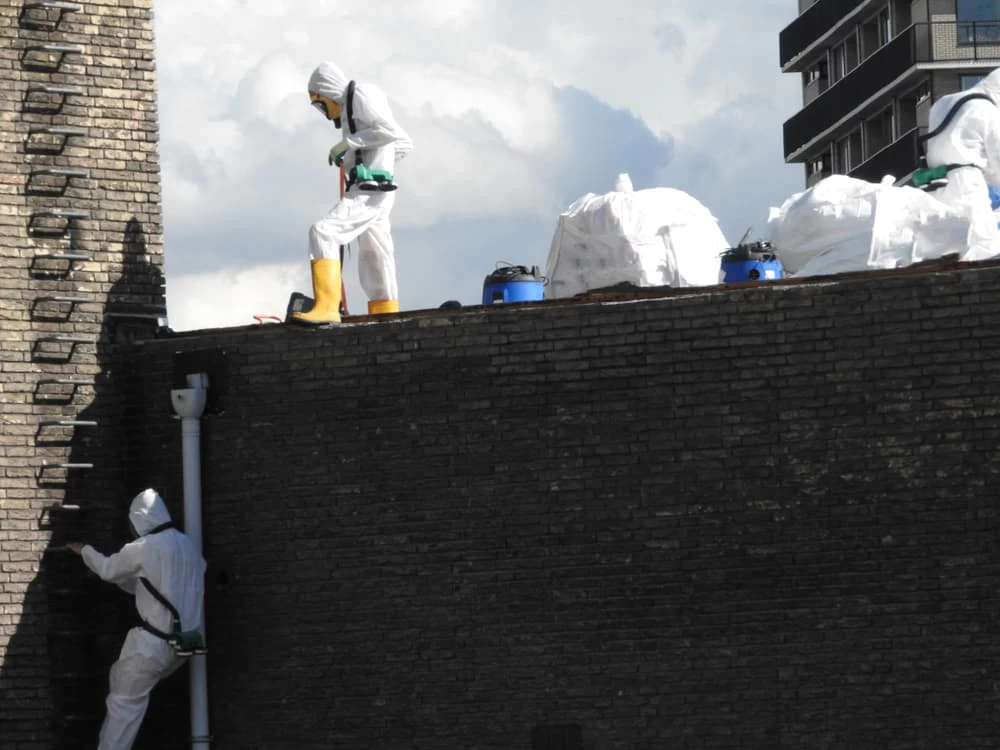
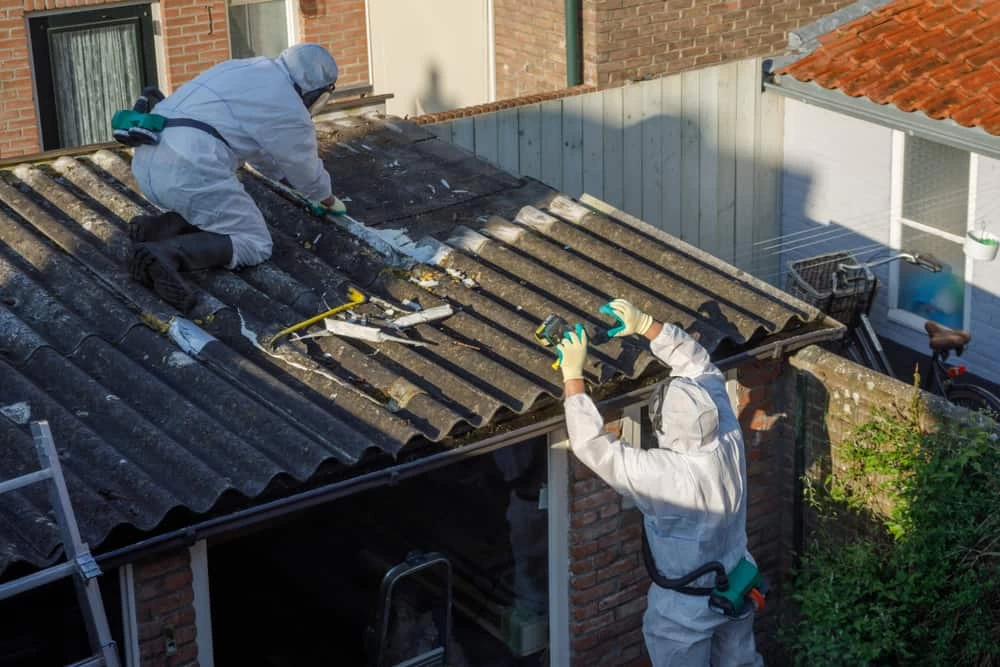
Most homes in Shenorock were built as summer getaways then renovated, expanded, and lived in for decades. That history often comes with asbestos. We offer licensed asbestos abatement in Shenorock with free on-site inspections and full clearance documentation when the work is done.
I needed a professional consultation explanation of procedure for safe removal of Asbestos in my apartment complex. Without having an account yet, I was very impressed with the caring, knowledgeable and generous advice offered by Jessica, and will look forward to doing business in the future. Thank you so much! I feel much more informed about a sometimes scary endeavor. Peace. Nancy Silva Mineola, NY.
Mia Munoz
Used this company to clean up some water flood in my house. They were fast and easy to work with.very professional, Would recommend to anyone!
Nini Valle
Great company, had a flood and they responded quickly and efficiently. Billed my insurance company directly. I highly recommend this company!
joe colapietro, jr
I had pipe freeze in my basement right before a snow storm and they made to within an hour to help start the clean up process. They we by our side throughout the entire process and even helped with the insurance company. They did such a great job with the cleanup, repair, remidiation, I contracted them to perform the repairs and finishes in the basement. They came with enough manpower and material to get the job done. Leo and Jessica were nothing but a pleasure to deal with!!
Cristian Arredondo c
I had some water damage in my home and Green Island was able to take care of my issue quickly and effectively. I am very pleased with the work they did. They responded quickly and were very professional.
Michael M
Outstanding service! From the office to the field crew everyone was friendly, helpful and responsive. I highly recommend Green Island Group.
You stop guessing. That’s the first thing. When you’ve been living in a home that was originally built as a 1930s lake cottage and renovated three different times since you don’t always know what’s in the floors, the ceilings, or wrapped around the pipes in the basement. A proper asbestos assessment gives you a real answer, and a proper abatement gives you the documentation to back it up.
For Shenorock homeowners, that documentation matters more than most people realize. If you’re planning to sell, your buyer’s lender is going to ask questions about a pre-1980 home. If you’ve had water in the basement after a bad storm and with the Shenorock dam’s flooding history, that’s not a hypothetical soaked floor tiles and wet pipe insulation can go from a contained problem to an active hazard fast. Getting ahead of it means you’re not making emergency decisions under pressure.
The other thing that changes is your renovation timeline. You can’t legally start a gut renovation in a pre-1974 home in New York State without an asbestos survey first. Once that’s done and any abatement is complete, your contractor can move freely. No stops, no surprises mid-demo, no liability hanging over the job.
Licensed Asbestos Contractor Serving Shenorock, NY
5,000 Jobs In. We Know Shenorock's Houses.
We’re a licensed asbestos abatement contractor serving Shenorock and the broader northern Westchester County area. Every phase of the job inspection, containment, removal, disposal, and post-abatement air clearance we handle in-house. There’s no handoff to a subcontractor halfway through.
We hold a NYS Department of Labor Asbestos Handling License, EPA certification, and are an approved contractor for New York State agencies credentials that are public record and verifiable by anyone who wants to look them up. We’re also M/WBE certified by the NYS Office of General Services, a government-issued designation that requires formal vetting, not a self-applied label.
With more than 5,000 completed projects across the New York metro area, the scenarios that come up in Shenorock’s converted lake cottages layered renovation eras, aging mechanical systems, materials from multiple decades are not new territory. If you’re near Route 202 or tucked off Route 118, we know this part of Westchester and what to expect when we walk through your door.
It starts with a free on-site inspection. One of our licensed inspectors walks your property, identifies suspect materials, and explains what needs to be tested and what doesn’t. For a Shenorock home that’s been added to over the years, this step matters you’re not just looking at one material from one era. You might have 1950s floor tiles, 1960s pipe insulation, and 1970s ceiling texture all in the same house.
Once testing confirms what you’re dealing with, we build the abatement plan around your specific scope. Before any work begins, the required notification is filed with the NYS Department of Labor under Industrial Code Rule 56 a state-mandated step for any asbestos project in New York. Containment is set up to isolate the work area, and only NYS DOL-certified workers handle the materials. If your situation involves an insurance claim a pipe burst, a flood event, water damage from a storm we work directly with your carrier and handle the billing, so you’re not stuck in the middle.
When the removal is complete, post-abatement air clearance testing is conducted by a certified air monitoring technician. You receive the results in writing. That document confirms the space is safe, satisfies regulatory requirements, and gives you something concrete to hand to a buyer, a lender, or a building inspector if it ever comes up.
The scope of an asbestos abatement project depends on what’s in your home and where it is. In Shenorock, the most common materials we find in homes of this era are 9×9 and 12×12 vinyl asbestos floor tiles the kind laid in kitchens and bathrooms during 1950s and 1960s renovations along with pipe and duct insulation added when summer cottages first got year-round heating systems, and acoustic popcorn ceiling texture that was popular through the late 1970s. Asbestos tile removal, popcorn ceiling removal, and pipe insulation abatement are all within our standard residential scope.
Every project includes the pre-abatement inspection and testing coordination, NYS DOL notification filing, full containment setup, licensed removal or encapsulation depending on the material and condition, certified waste transport and disposal with a complete chain-of-custody manifest, and post-abatement air clearance documentation. Given that Shenorock sits within the Croton Watershed with Lake Shenorock draining directly into the Amawalk Reservoir proper certified disposal isn’t just a legal box to check. It’s the responsible way to handle waste in this specific community.
If your project is tied to a water damage event, our restoration capabilities extend beyond abatement alone. We handle both sides, which matters when you’re already managing a broader insurance claim and don’t want to coordinate two separate contractors.
Does my older Shenorock home actually need an asbestos inspection before renovating?
Under New York State Industrial Code Rule 56, any renovation or demolition of a building constructed before 1974 requires an asbestos survey before work begins. That rule applies everywhere in the state, including Shenorock and the vast majority of homes in this hamlet were built well before that cutoff. Many started as summer cottages in the 1920s and 1930s and were renovated through the 1960s and 1970s, which means they may contain asbestos-containing materials from multiple different periods.
This isn’t optional, and it’s not just a formality. If your contractor starts demo without a survey and asbestos-containing materials are disturbed, you’re looking at a work stoppage, a regulatory violation, and a potential exposure event. Getting the inspection done first is the straightforward move it takes the uncertainty off the table before anyone picks up a tool.
What kinds of asbestos materials are most common in Shenorock homes?
The housing stock in Shenorock reflects a very specific construction history. These homes started as seasonal lake cottages and were converted and expanded through the postwar decades which means the materials inside them track closely with what was standard practice in residential construction from the late 1940s through the mid-1970s.
The most common materials we find in Shenorock homes are 9×9 and 12×12 vinyl floor tiles, which were standard in kitchens, bathrooms, and utility rooms through the 1960s. Pipe and duct insulation is another frequent find, especially in homes that had heating systems added or upgraded when the cottage became a year-round residence. Acoustic popcorn ceiling texture, popular from the 1960s through the late 1970s, shows up in living areas and bedrooms. Drywall joint compound used in interior renovations of that era can also contain asbestos. None of these materials are dangerous when they’re intact and undisturbed but any renovation that involves cutting, sanding, or demolishing them changes that equation immediately.
We had flooding in our basement could that have disturbed asbestos in our home?
It’s a real concern, and it’s one that comes up specifically in Shenorock because of the documented flooding risk associated with Lake Shenorock and the town-owned dam. The Westchester County Hazard Mitigation Plan has identified that dam damage from flooding could affect homes along Bridge Lane and Tompkins Road, with water draining south toward the Amawalk Reservoir. Flooding events in older homes are one of the primary ways intact asbestos-containing materials become a problem.
When water saturates old vinyl floor tiles, soaks pipe insulation, or damages a ceiling with asbestos-containing texture, it can convert what was previously a stable, non-friable material into something that releases fibers. You shouldn’t assume that because the materials were intact before the flood, they’re still fine after. If your home experienced significant water intrusion and you have a pre-1980 structure, an inspection after the event is a reasonable and prudent step. We work directly with insurance carriers on water-damage-related abatement, so if you’re already managing a claim, the process doesn’t have to involve two separate contractors.
How does asbestos abatement affect a home sale in Shenorock, NY?
New York State requires sellers to disclose known material defects, and the presence of asbestos-containing materials in a pre-1980 home is exactly the kind of thing that comes up in buyer inspections and lender reviews. In a hamlet like Shenorock where nearly every home on the market is a pre-1980 structure buyers and their agents are increasingly aware of this, and some lenders will require documentation before closing on a property with known or suspected ACMs.
The practical upside of getting abatement done before you list is that you control the process. You choose the contractor, you know the scope, and you have the post-abatement air clearance documentation in hand when the buyer asks. That’s a much cleaner position than having it surface during the buyer’s inspection and negotiating a price reduction or a rushed remediation under contract pressure. For a Shenorock home, where the housing stock age makes this a near-universal consideration, treating abatement as pre-sale preparation rather than a last-minute problem is the smarter approach.
Is asbestos popcorn ceiling removal something a homeowner can do themselves in New York?
Technically, New York State allows homeowners to perform certain asbestos-related work in their own single-family residence without a licensed contractor but the practical reality is more complicated than that, and most homeowners who look into it closely decide it’s not worth the risk.
Popcorn ceiling texture from the 1960s and 1970s is one of the more common asbestos-containing materials in Shenorock homes, and disturbing it without proper containment, respiratory protection, and disposal procedures creates a real exposure risk for everyone in the house. Beyond the personal safety issue, any asbestos waste generated even from a DIY residential project must be disposed of at a certified facility with proper documentation. If you’re doing this in advance of a sale or a renovation, you’ll also want professional post-abatement air clearance testing to document that the space is safe, and that requires a certified third-party technician regardless of who did the removal. For most homeowners, the combination of safety risk, disposal requirements, and documentation needs makes hiring a licensed contractor the more straightforward path.
How long does an asbestos abatement project typically take for a Shenorock home?
It depends on the scope, but for a typical single-family home in Shenorock a converted cottage or mid-century ranch with one or two materials to address most projects run between one and three days of active abatement work. Larger scopes involving multiple material types across several rooms will take longer, and any project that requires NYS DOL notification must observe the required waiting period before work can begin, so building that into your timeline from the start is important.
For homes in Shenorock that have been renovated in multiple phases over the decades, the inspection and testing phase sometimes reveals more than the homeowner initially expected not because the problem is worse, but because the layered construction history means there are more materials to evaluate. Getting a thorough inspection upfront, rather than discovering additional materials mid-project, is what keeps the timeline predictable. If your project is connected to a water damage event or an insurance claim, we can help coordinate the timeline with your carrier so the abatement and restoration work move forward together without unnecessary delays.