If your Shrub Oak home was built between 1955 and 1975, asbestos isn’t a maybe it’s a real probability. We give homeowners a clear answer, a licensed team, and documentation that holds up when it matters.
I needed a professional consultation explanation of procedure for safe removal of Asbestos in my apartment complex. Without having an account yet, I was very impressed with the caring, knowledgeable and generous advice offered by Jessica, and will look forward to doing business in the future. Thank you so much! I feel much more informed about a sometimes scary endeavor. Peace. Nancy Silva Mineola, NY.
Mia Munoz
Used this company to clean up some water flood in my house. They were fast and easy to work with.very professional, Would recommend to anyone!
Nini Valle
Great company, had a flood and they responded quickly and efficiently. Billed my insurance company directly. I highly recommend this company!
joe colapietro, jr
I had pipe freeze in my basement right before a snow storm and they made to within an hour to help start the clean up process. They we by our side throughout the entire process and even helped with the insurance company. They did such a great job with the cleanup, repair, remidiation, I contracted them to perform the repairs and finishes in the basement. They came with enough manpower and material to get the job done. Leo and Jessica were nothing but a pleasure to deal with!!
Cristian Arredondo c
I had some water damage in my home and Green Island was able to take care of my issue quickly and effectively. I am very pleased with the work they did. They responded quickly and were very professional.
Michael M
Outstanding service! From the office to the field crew everyone was friendly, helpful and responsive. I highly recommend Green Island Group.
Know Your Shrub Oak Home Is Safe With Proof to Back It Up
When asbestos-containing materials get disturbed during a renovation, after a pipe bursts, or mid-demolition the situation moves fast. What you need isn’t a contractor who dabbles in abatement. You need someone who does this specifically, knows the regulations that apply to Westchester County, and can hand you documentation at the end that actually means something.
Shrub Oak’s housing stock tells the story clearly. The hamlet’s permanent residential neighborhoods filled in during the 1960s and early 1970s, right after the Taconic State Parkway made year-round commuting practical. That wave of Cape Cods, split-levels, and ranch homes built during peak asbestos use in residential construction is still standing. Basement floor tiles, popcorn ceilings, pipe insulation around postwar boilers, drywall joint compound in the walls: these aren’t rare findings in a Shrub Oak home of that era. They’re the norm.
And when northern Westchester winters do what they do ice storms, frozen pipes, tree limbs through roofs water intrusion in one of these older Shrub Oak homes doesn’t just mean water damage. It means disturbed materials that have to be assessed before any restoration work can legally proceed. Getting ahead of that, or responding to it quickly with the right contractor, is the difference between a manageable situation and one that stalls your project for weeks.
5,000 Projects Across Westchester Including Homes Just Like Yours in Shrub Oak
We are a New York-based environmental remediation contractor not a referral network, not a franchise. When you hire us, our own licensed team does the work. That distinction matters more than most people realize when they’re comparing quotes.
The license that governs asbestos abatement in Shrub Oak is the NYS Department of Labor Asbestos Handling License. It’s issued by the state, it’s verifiable on the NYS DOL public database, and it’s a legal requirement not a suggestion. We hold it, along with EPA certification and full compliance with NYS Industrial Code Rule 56, the regulation that sets the standard for every abatement project in Westchester County.
We also carry a Minority/Women-owned Business Enterprise certification from the NYS Office of General Services a government-issued credential that required formal state review and hold approved contractor status for New York State agencies. With more than 5,000 completed projects across the metro area, including mid-century homes throughout Westchester and specifically in Shrub Oak neighborhoods, we’ve worked in the exact type of homes that line your streets. Free inspections, direct insurance billing, and full post-abatement clearance documentation are all standard not extras.
From Your First Call to Clearance Documentation Here's What Happens
It starts with a free on-site inspection. One of our team members comes to your Shrub Oak home, assesses the materials in question, and gives you a straight answer about what you’re dealing with what needs to go, what can stay, and what your options are. No charge, no obligation, no pressure to move forward before you’re ready.
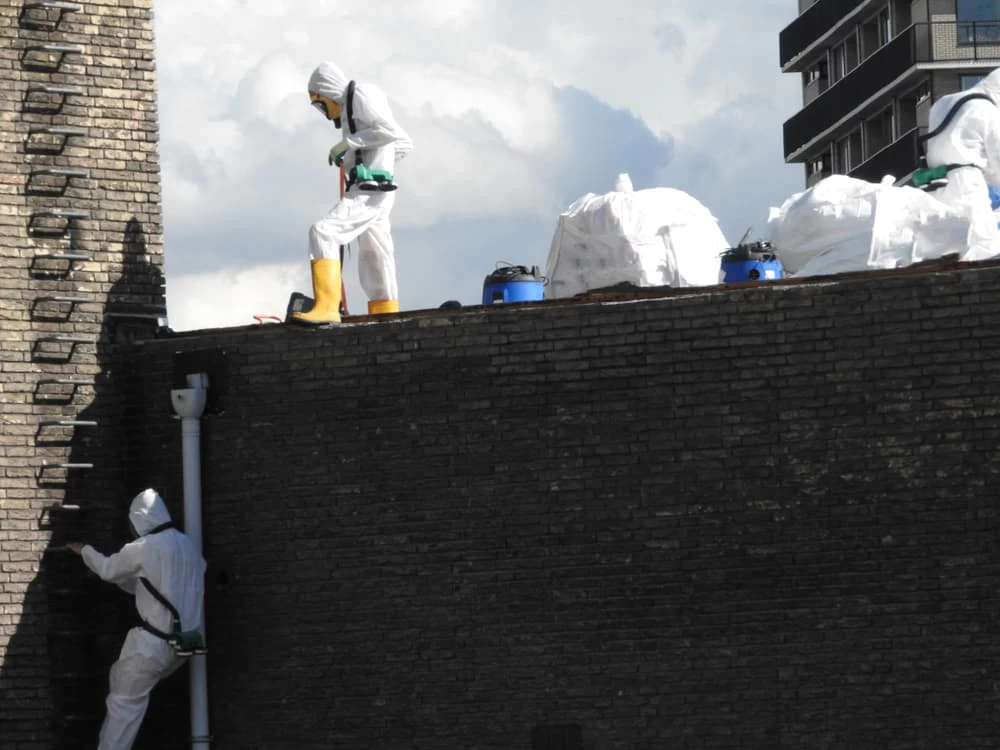
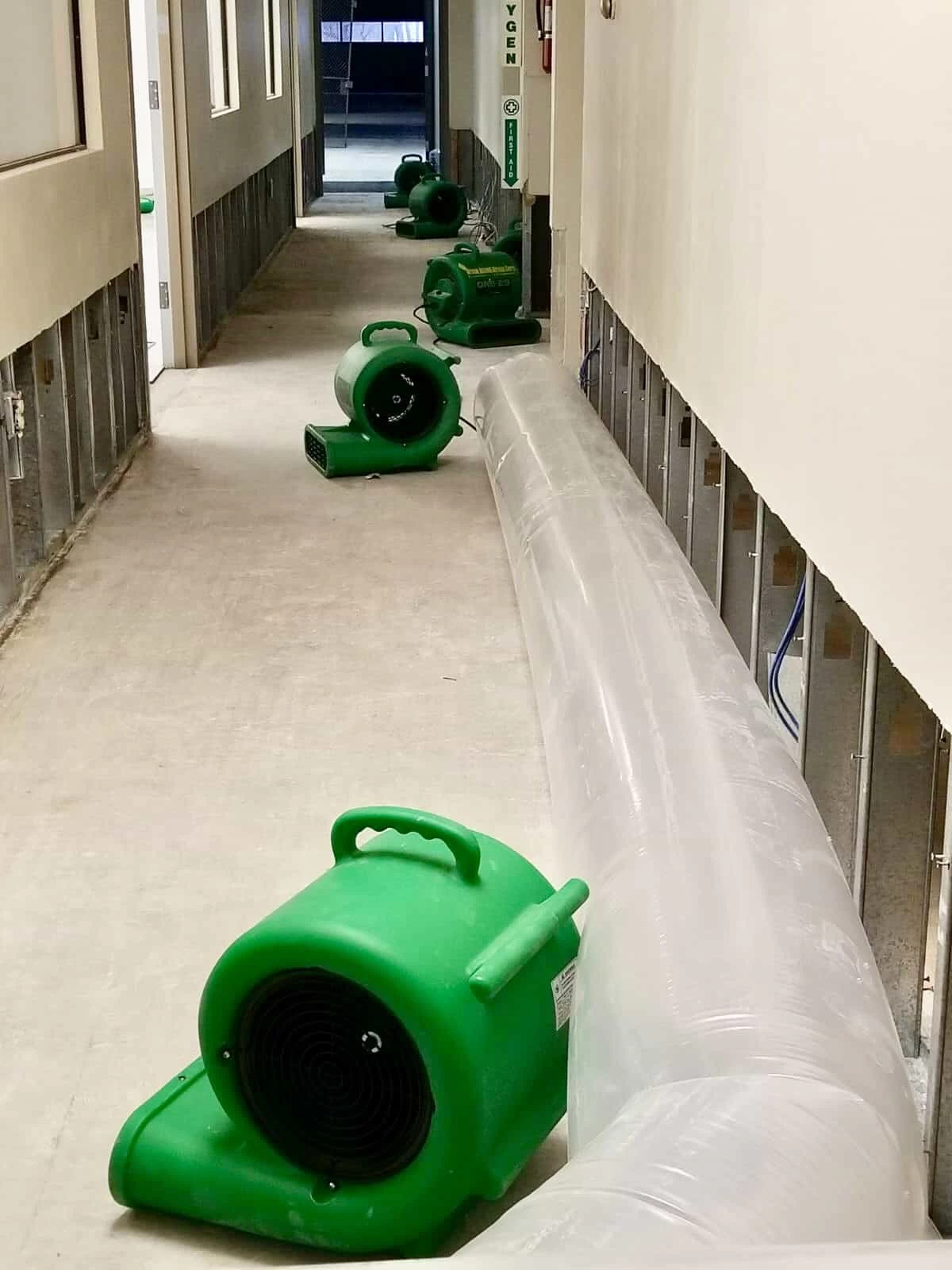
If abatement is the right call, the next step is containment. The work area gets sealed with polyethylene sheeting and placed under negative air pressure, which means air flows into the containment zone rather than out of it. HEPA-filtered air scrubbers run continuously inside the space. The rest of your home stays protected your family doesn’t have to relocate for the entire project, and the work doesn’t bleed into unaffected areas. For a project in an occupied Shrub Oak home where a family is still living, that engineering matters.
The abatement itself follows NYS Industrial Code Rule 56 the state’s asbestos-specific regulation which governs everything from worker protection to waste disposal. All removed materials are transported and disposed of at a NYS DEC-approved facility with a complete chain-of-custody manifest. After the work is done, air clearance testing is conducted in the treated area. When the results come back clean, you receive formal clearance documentation. That document is your proof for your own records, for a lender, for a buyer’s attorney, or for anyone else who needs to see that the work was done right.
Every Material Type Found in Shrub Oak Homes Handled Directly by Us
A mid-century home in Shrub Oak doesn’t usually have asbestos in just one place. The 9×9-inch vinyl floor tiles in the basement, the acoustic spray texture on the family room ceiling, the pipe insulation wrapped around the boiler, the joint compound behind the drywall these materials were used together, in the same homes, during the same era. We handle all of them. You’re not coordinating multiple contractors or hoping one specialty crew hands off cleanly to another.
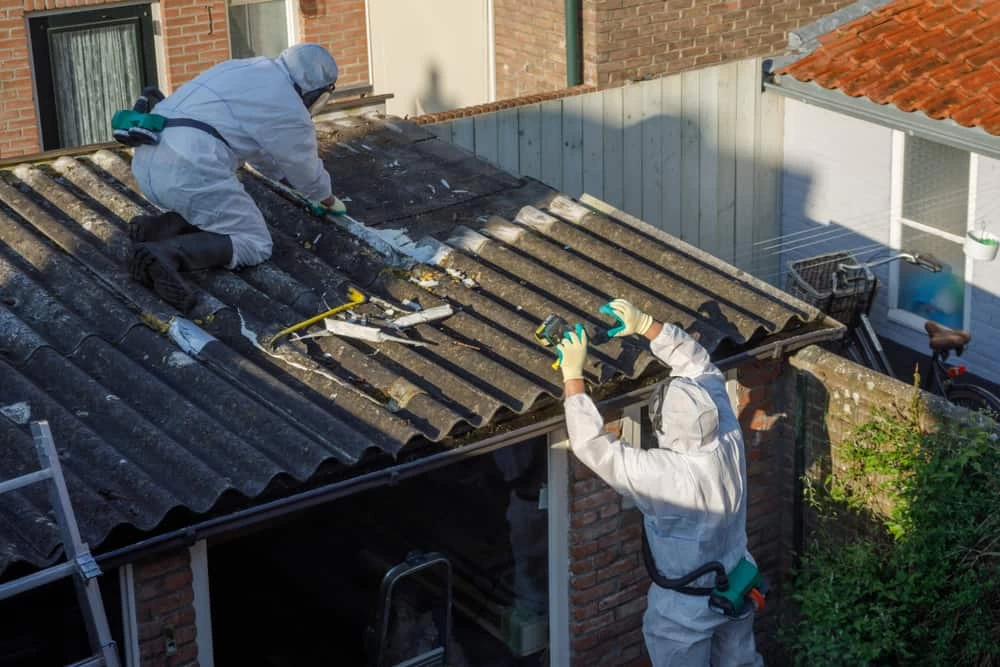
The full scope includes vinyl asbestos floor tiles, asbestos popcorn ceiling removal, pipe and duct insulation, boiler insulation, drywall joint compound, roofing materials, and transite siding. If a pre-sale inspection or a renovation discovery turns up more than one material type which is common in Shrub Oak homes of this vintage that’s a single project, not a scheduling puzzle.
For materials that are intact and won’t be disturbed, encapsulation is sometimes the right answer. We assess each situation honestly and recommend the approach that fits not the most expensive option by default. If you’re dealing with a water damage event and an insurance claim at the same time, we handle billing directly with your carrier. And when the project is complete, the clearance documentation you receive is the kind that holds up in a Westchester County real estate transaction written, formal, and ready for disclosure.
Does my 1960s Shrub Oak home actually need asbestos testing before I renovate?
If your home was built before 1980 and you’re planning any work that disturbs floors, ceilings, walls, or mechanical systems, testing isn’t optional it’s the responsible step before anything gets torn out. In Shrub Oak, where the bulk of the permanent residential housing stock went up between the early 1960s and mid-1970s, the odds of encountering asbestos-containing materials during a renovation are genuinely high. Vinyl floor tiles, ceiling texture, pipe insulation, and joint compound were all common in homes of that era.
The practical reason this matters: if a contractor disturbs asbestos-containing material without a licensed abatement team in place, you’re looking at potential legal exposure, a project shutdown, and cleanup costs that dwarf what testing would have cost upfront. A free inspection from a licensed contractor gives you a clear picture of what’s there before your renovation contractor ever picks up a tool.
How much does asbestos removal typically cost for a Westchester County home?
Cost depends on the material type, how much of it there is, where it’s located, and how accessible the space is. A small area of intact vinyl floor tiles in a finished basement is a very different scope than full pipe insulation removal around a boiler system or asbestos popcorn ceiling removal across an entire first floor. In Westchester County, residential abatement projects can range from a few hundred dollars for a limited, localized removal to several thousand for a more comprehensive scope involving multiple material types.
The most useful thing you can do is get a free on-site inspection before assuming the cost. An assessment of your specific home your actual materials, your actual square footage, your actual accessibility gives you a real number to work with. Westchester’s property tax burden is already significant; getting accurate scope information upfront means no surprises on the back end of a project.
Do we have to leave our house while asbestos abatement is happening?
Not necessarily, and for most residential projects in Shrub Oak, full displacement isn’t required. The work area is sealed with polyethylene sheeting and maintained under negative air pressure meaning air flows into the contained zone rather than out into the rest of your home. HEPA-filtered air scrubbers run inside the containment throughout the project. As long as you and your family stay out of the immediate work area, the rest of the house remains protected.
That said, the scope matters. A small floor tile removal in a basement is a different situation than a whole-home ceiling abatement. During your inspection, we’ll walk you through what the containment looks like for your specific project and give you a clear picture of what areas are affected and for how long. You’ll know exactly what to expect before work starts not after.
A pipe burst in my Shrub Oak home this winter does that mean I need asbestos testing before repairs?
If your home is mid-century vintage and the burst pipe ran through or near insulated mechanical systems, floor assemblies, or finished spaces, then yes an asbestos assessment before restoration work is the right call. Water damage restoration in an older Shrub Oak home can disturb pipe insulation, vinyl floor tiles, or ceiling materials that contain asbestos. Once those materials are disturbed, you’re in abatement territory, and restoration work legally can’t proceed until the hazard is addressed.
This scenario a winter pipe event triggering both a water damage claim and an abatement need simultaneously is not unusual in northern Westchester’s older housing stock. We handle insurance billing directly, so you’re not stuck being the go-between for your carrier and your contractor while you’re also dealing with displaced furniture and a damaged home. One call handles both sides of that process.
I'm planning to sell my Shrub Oak home do I need to disclose asbestos, and does abatement help?
In New York, sellers are required to disclose known material defects, and asbestos falls into that category if it’s been identified. Buyers’ attorneys in Westchester County are experienced with environmental disclosure issues, and a home with known asbestos-containing materials particularly if they’re in poor condition or in areas that will be disturbed during any future renovation can create friction in a transaction, reduce offers, or trigger contingencies.
Proactive abatement before listing removes that friction entirely. More importantly, the clearance documentation you receive after abatement is a tangible asset: a formal, written record confirming the work was done by a licensed contractor and that post-abatement air testing came back clean. In a market where Shrub Oak homes are selling in an average of 43 days, having that documentation ready rather than negotiating it mid-transaction puts you in a stronger position from day one.
How do I know a contractor is actually licensed to do asbestos work in Shrub Oak specifically?
The license that matters for asbestos abatement in Shrub Oak is the NYS Department of Labor Asbestos Handling License. This is a state-issued credential not a general contractor’s license, not a New York City DEP certification, and not a membership in an industry association. NYC DEP licensing applies to New York City jurisdictions. Shrub Oak is in Westchester County, which falls under NYS DOL authority. A contractor who holds only NYC credentials is not properly licensed for work in your town.
The NYS DOL license is publicly verifiable you can look up any contractor on the department’s database before you agree to anything. We hold this license, along with EPA certification and compliance with NYS Industrial Code Rule 56. We’re also an approved contractor for New York State agencies, which means we’ve cleared a vetting process that goes beyond a standard licensing exam. If a contractor can’t point you to a verifiable NYS DOL license number, that’s the answer you need before signing anything.