I needed a professional consultation explanation of procedure for safe removal of Asbestos in my apartment complex. Without having an account yet, I was very impressed with the caring, knowledgeable and generous advice offered by Jessica, and will look forward to doing business in the future. Thank you so much! I feel much more informed about a sometimes scary endeavor. Peace. Nancy Silva Mineola, NY.
Mia Munoz
Used this company to clean up some water flood in my house. They were fast and easy to work with.very professional, Would recommend to anyone!
Nini Valle
Great company, had a flood and they responded quickly and efficiently. Billed my insurance company directly. I highly recommend this company!
joe colapietro, jr
I had pipe freeze in my basement right before a snow storm and they made to within an hour to help start the clean up process. They we by our side throughout the entire process and even helped with the insurance company. They did such a great job with the cleanup, repair, remidiation, I contracted them to perform the repairs and finishes in the basement. They came with enough manpower and material to get the job done. Leo and Jessica were nothing but a pleasure to deal with!!
Cristian Arredondo c
I had some water damage in my home and Green Island was able to take care of my issue quickly and effectively. I am very pleased with the work they did. They responded quickly and were very professional.
Michael M
Outstanding service! From the office to the field crew everyone was friendly, helpful and responsive. I highly recommend Green Island Group.
When asbestos shows up in the middle of a renovation, everything stops. The contractor pauses. The timeline shifts. And suddenly you’re searching for answers at 10pm wondering who you can actually trust to handle this the right way. That’s where most Smiths Clove homeowners find themselves not because they did anything wrong, but because a lot of the homes along the Route 17M corridor were built in the 1950s, 60s, and 70s, right when asbestos was used in almost everything: floor tiles, pipe insulation, ceiling texture, joint compound.
What you get on the other side of a proper abatement isn’t just a cleaner basement or a finished floor. It’s a written clearance certificate from an independent industrial hygienist documented proof that the air in your home is safe before your family comes back in. That certificate is also what your real estate attorney, your lender, and your building permit inspector need to see before anything moves forward.
Orange County winters are hard on older homes. Freeze-thaw cycles crack pipe insulation. Nor’easters push water into places it shouldn’t go. When that happens in a pre-1980 home in Smiths Clove, you’re often dealing with more than one problem at once and the abatement needs to happen before anything else can. Getting that done right, with the right license and the right documentation, is what actually gets your project back on track.
Green Island Group is an independently owned environmental remediation contractor based in New York, and we’ve been doing this work for over 12 years. We hold the NYS DOL Asbestos Contractor License that New York State law requires for any asbestos abatement work in Orange County the same credential enforced by the NYS Asbestos Control Bureau’s Albany regional office, which covers every project in Smiths Clove, Blooming Grove, Monroe, and the surrounding area.
We’ve worked for NYS Office of General Services, DASNY, and county governments across the state. Those agencies verify every license, every insurance certificate, and every safety record before a contract gets signed. That same standard is what we bring to a homeowner in Smiths Clove whose kitchen renovation just uncovered 60-year-old floor tiles.
We’re also a certified NYS and NYC Minority/Women-Owned Business Enterprise a designation that requires government auditing and ongoing compliance, not just a form you fill out once. If you want to verify our NYS DOL license before you call, you can. We’d expect nothing less.
From Discovery to Clearance No Surprises in Between
It usually starts with a call. Your contractor found something, or your home inspector flagged it, or you pulled up old floor tiles and something didn’t look right. We come out, assess what you’re dealing with, and collect samples for lab testing. You get a clear answer not a vague “probably fine” or an inflated scare before any work begins.
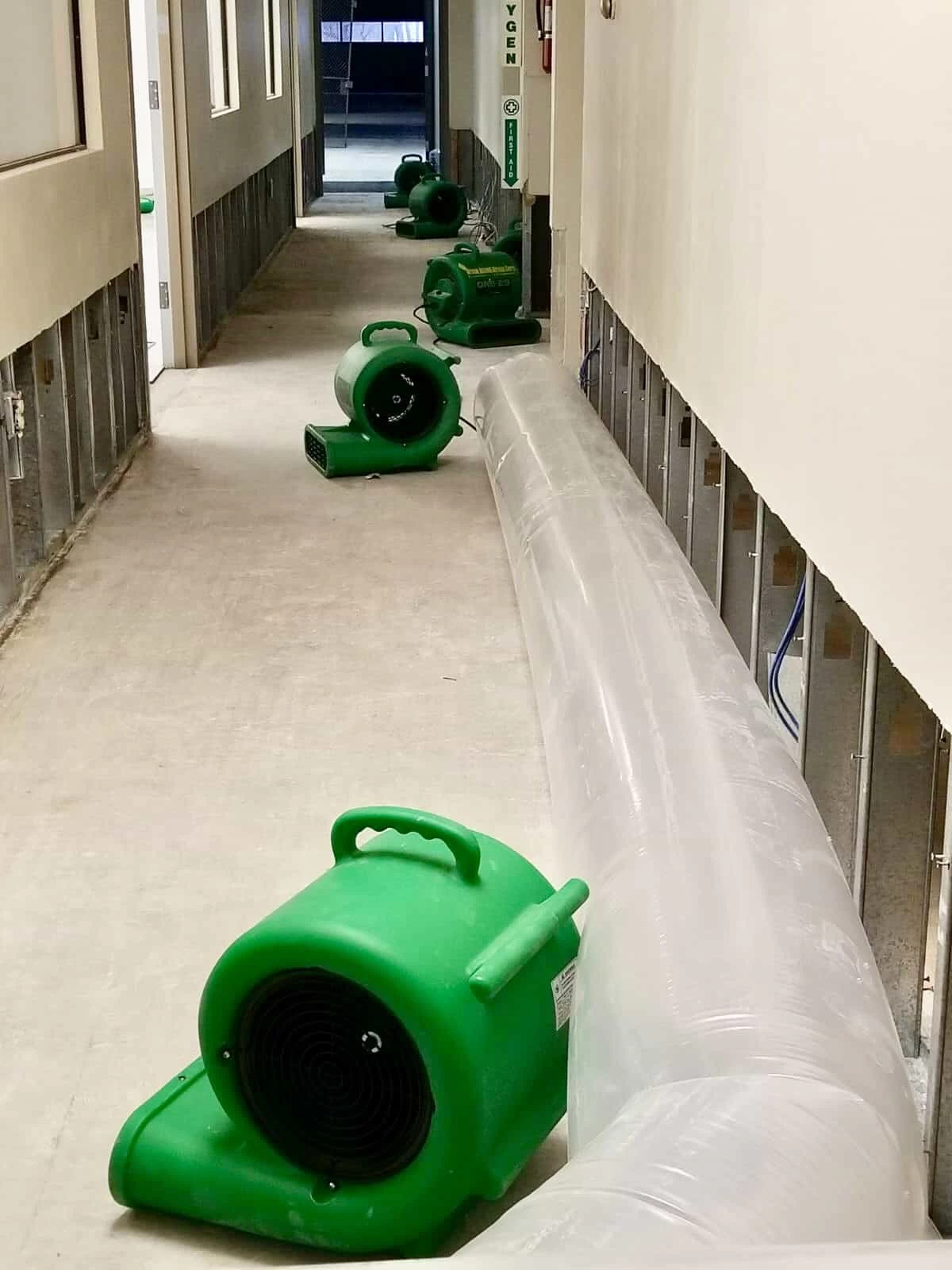
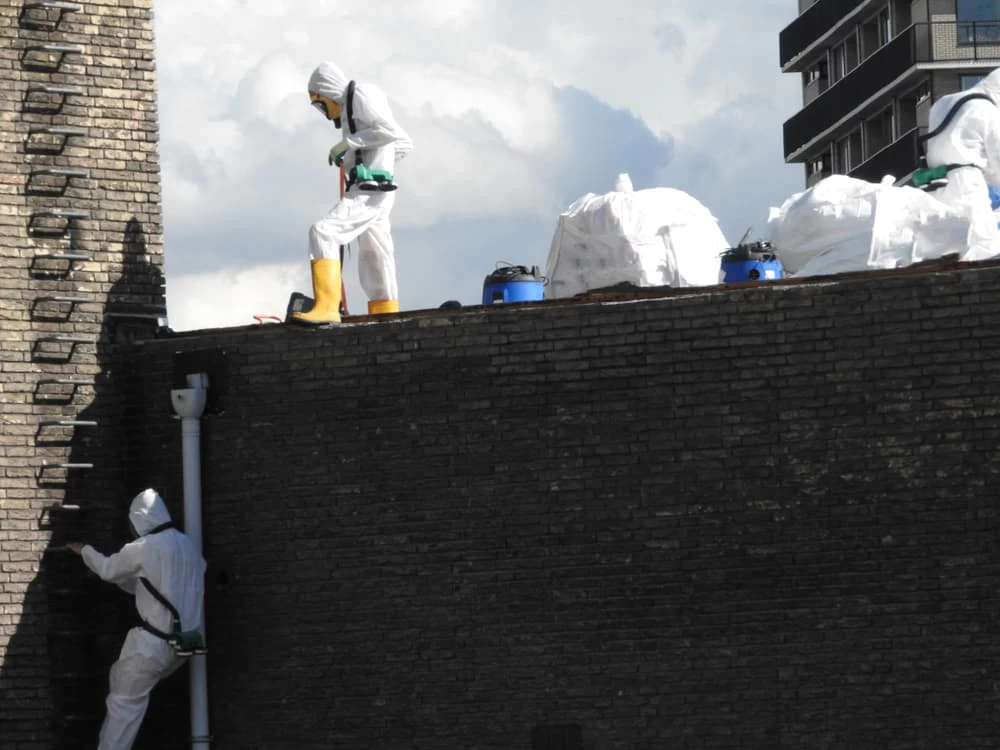
If abatement is needed, we set up full containment using negative air pressure and 6-mil poly barriers so nothing migrates to the rest of your home during removal. Every material that comes out is properly wetted, double-bagged, labeled, and transported to a licensed Class II disposal facility exactly what NYSDEC requires for asbestos waste in New York State. For projects in Smiths Clove and the broader Blooming Grove area, we handle all required notifications and documentation under NYS DOL Industrial Code Rule 56, so you’re not navigating the regulatory side alone.
When the removal is complete, an independent industrial hygienist performs post-abatement air monitoring. If the air clears and it does, when the work is done right you receive a written clearance certificate. That’s the document that tells your contractor, your real estate attorney, and your building department that the space is clean and the project can move forward. No guessing, no verbal assurances just paper you can actually use.
Asbestos abatement isn’t a single task it’s a sequence of steps that each have to be done correctly for the result to hold up legally and practically. We handle the full scope: initial assessment, material sampling and lab testing, written estimate before any work begins, full containment setup, licensed removal, proper disposal, and post-abatement air clearance. Every project comes with documentation at each stage.
The housing stock in Smiths Clove and the surrounding Monroe area is exactly the profile where we find the widest range of asbestos-containing materials in a single home. Nine-by-nine vinyl floor tiles in the kitchen or basement. Spray-applied ceiling texture in living areas. Pipe wrap on the boiler system. Joint compound behind original drywall. Transite siding on the exterior. When more than one material is involved which is common in homes built between 1950 and 1980 we assess and address all of it under one project, one contract, and one clearance certificate.
We also work directly with insurance companies on damage-related projects, which matters when a storm or water event in your Smiths Clove home is what triggered the discovery. And if the cost of abatement wasn’t in your renovation budget which it almost never is we offer 0% APR financing up to $200,000 for qualifying projects. It’s a practical option, not a last resort.
Does asbestos abatement in Smiths Clove require a special permit or license?
Yes and this is one of the most important things to understand before you hire anyone. In New York State, any contractor performing asbestos abatement is required to hold a valid NYS DOL Asbestos Contractor License under Industrial Code Rule 56. This applies everywhere in Orange County, including Smiths Clove, Monroe, and the Town of Blooming Grove. There is no local workaround, and the homeowner can be held liable if unlicensed work is performed on their property.
Beyond the contractor license, individual workers must hold NYS Asbestos Handler Certifications, which require a minimum of 32 hours of initial training and annual refresher courses. Depending on the scope of the project, NESHAP notification to the state may also be required before work begins. The Town of Blooming Grove’s building department may additionally require documentation of asbestos survey and abatement completion before issuing renovation or demolition permits. We handle all of this as part of the project you don’t have to figure out the regulatory side on your own.
How do I know if my older Smiths Clove home actually contains asbestos?
The honest answer is: you can’t know without testing. Visual inspection alone doesn’t tell you whether a material contains asbestos the only way to confirm it is through lab analysis of a collected sample. That said, if your home was built between 1940 and 1980, there are several materials that have a high probability of containing asbestos and are worth testing before any renovation work disturbs them.
In Smiths Clove and the Monroe area, the most common materials we find are 9×9 inch vinyl floor tiles in kitchens, bathrooms, and basements; spray-applied ceiling texture (popcorn ceilings) in living areas and bedrooms; pipe insulation on older boiler and hot water heating systems; and joint compound behind original drywall. Homes built before 1950 and a meaningful portion of the Blooming Grove housing stock falls into that category may also have transite siding or asbestos-containing roofing felt. If you’re planning any renovation that involves disturbing original materials in a home built before 1980, testing first is the right move. It’s a small upfront cost that can prevent a much larger problem mid-project.
How long does the asbestos removal process take from start to finish?
It depends on the scope of what needs to be removed, but most residential abatement projects in the Smiths Clove area run between one and three days for the actual removal work. Smaller jobs a section of floor tile or a single room of ceiling texture can often be completed in a day. Larger projects involving multiple materials, full basement pipe insulation, or whole-house remediation take longer and require more extensive containment setup.
What adds time to the overall timeline is the testing and clearance phase on either end. Lab results on initial samples typically come back within a few days. Post-abatement air monitoring happens after removal is complete, and the clearance certificate is issued once the independent hygienist confirms the air is clean. From first call to written clearance, most homeowners in Smiths Clove should plan for approximately one to two weeks total, depending on scheduling and project complexity. If you have a renovation contractor waiting or a real estate closing on the calendar, let us know upfront we’ll work with your timeline where we can.
What does asbestos abatement cost for a typical home in Orange County?
Cost varies based on the type of material, the amount that needs to be removed, and the accessibility of the work area. For a single room of asbestos floor tile removal in a Smiths Clove home, you might be looking at $1,500 to $3,000. A full basement with pipe insulation and floor tiles could run $5,000 to $10,000 or more. Whole-house remediation involving multiple material types is priced on a project-by-project basis after a thorough assessment.
What we always provide before any work begins is a written estimate no verbal quotes, no surprise invoices. You know the number before we start. For homeowners who weren’t expecting this expense in the middle of a renovation budget, we offer 0% APR financing up to $200,000 for qualifying projects, which makes it possible to move forward without absorbing the full cost upfront. If the abatement is related to storm damage or water damage, we also bill insurance companies directly and manage the claims process on your behalf which is worth asking about before you assume you’re paying out of pocket.
Do we need to leave the house during asbestos abatement?
For most residential abatement projects, yes the affected area needs to be vacated, and in many cases the safest approach is for the household to be out of the home entirely during active removal. We set up full containment using negative air pressure and 6-mil poly barriers to isolate the work area, which prevents fiber migration into the rest of the home. But the safest environment for your family, including children and pets, is outside the building while work is underway.
The good news is that the containment process is thorough and the removal itself is typically completed within one to a few days, depending on scope. Once removal is finished, post-abatement air monitoring is conducted by an independent industrial hygienist not by us to confirm that fiber levels in the air meet regulatory clearance standards. You receive a written clearance certificate before anyone moves back in. That certificate is your documented confirmation that the air is safe, not just our word for it. For families in Smiths Clove with young children at home, that independent third-party verification tends to be the thing that gives the most peace of mind.
Can asbestos abatement be done in winter in the Smiths Clove area?
Yes, and in Orange County, winter is actually one of the more common times we get called out. The freeze-thaw cycles that hit the Hudson Valley hard every year are rough on older building materials pipe insulation cracks, roofing shifts, and water intrusion events happen more frequently in cold months. When those things occur in a pre-1980 home in Smiths Clove, they can disturb asbestos-containing materials that were previously stable, which is what creates the urgency.
Indoor abatement work floor tile removal, ceiling texture, pipe insulation, interior drywall can be performed year-round regardless of outdoor temperature. The containment setup and negative air pressure system we use are designed for interior environments, so cold weather outside doesn’t affect the process inside. If your Smiths Clove home experienced storm damage, a burst pipe, or any kind of water event this winter and you’re now looking at disturbed insulation or damaged materials in an older part of the house, that’s worth having assessed sooner rather than later. Waiting until spring doesn’t make the material safer it just delays the timeline on everything else you’re trying to get done.